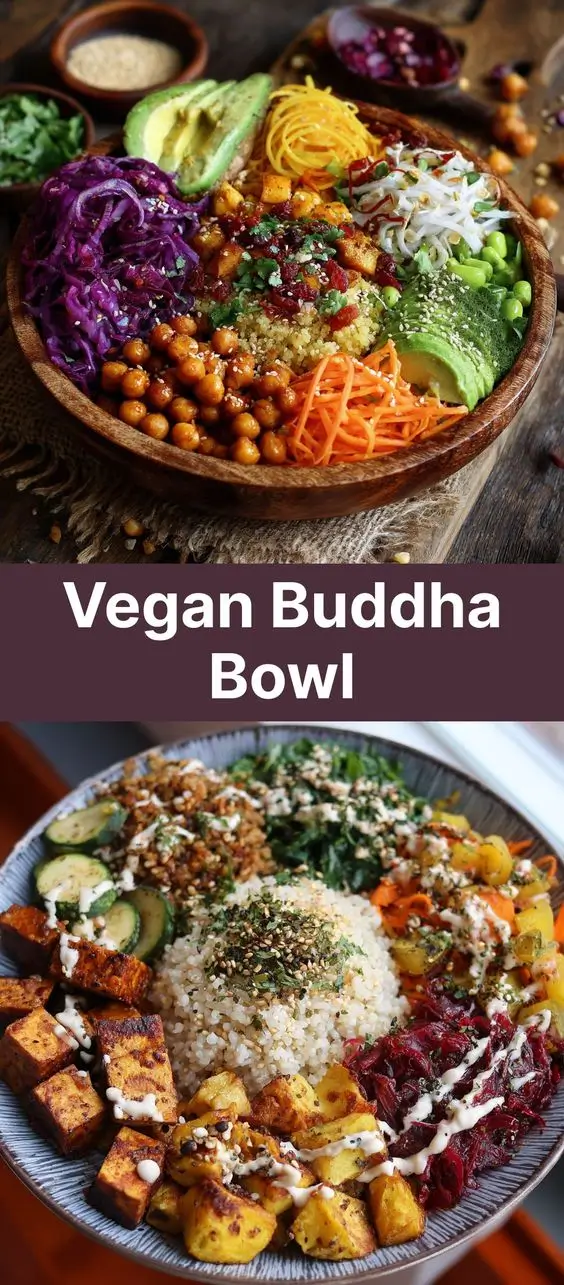
Vegan Buddha Bowl: A Nutritious, Colorful Feast for the Senses
The History of the Vegan Buddha Bowl
The term “Buddha Bowl” emerged in Western culinary culture during the early 2010s, although its roots can be traced back to traditional Asian and Middle Eastern meals that emphasized balance, harmony, and plant-based nourishment. While not directly linked to the historical Buddha himself, the name evokes a sense of mindfulness, simplicity, and holistic wellness—qualities often associated with Buddhist philosophy. The rounded shape of the bowl resembles the serene belly of depictions of Buddha, symbolizing abundance and contentment.
Originally popularized by health-conscious cafes and vegan restaurants across California, the Buddha Bowl quickly became a staple in plant-based diets worldwide. It represents the modern fusion of global flavors, combining elements from Mediterranean, Asian, Latin American, and African cuisines into one vibrant plate. As more people embraced vegetarianism and veganism for ethical, environmental, and health reasons, the customizable nature of the Buddha Bowl made it an ideal canvas for creative, nutrient-dense eating.
Today, the Vegan Buddha Bowl stands as a testament to the evolution of mindful cuisine—a dish that celebrates whole foods, seasonal produce, and culinary diversity while promoting sustainability and personal well-being.
Ingredients Breakdown: What Goes Into a Perfect Vegan Buddha Bowl?
A truly satisfying Vegan Buddha Bowl is all about variety, texture, color, and nutrition. Each component plays a role in creating a balanced meal rich in fiber, protein, healthy fats, vitamins, and minerals. Here’s a detailed breakdown of common ingredients grouped by category:
Base Grains (Complex Carbohydrates)
- Quinoa – High in complete protein and fiber; cooks quickly and has a fluffy texture.
- Brown Rice – Nutty flavor, chewy texture, excellent source of selenium and manganese.
- Farro – Chewy ancient grain with a nutty taste, high in fiber and plant-based protein.
- Cauliflower Rice – Low-calorie, low-carb alternative packed with antioxidants.
- Wild Rice – Rich in antioxidants and B-vitamins, adds visual interest with its dark strands.
Protein-Rich Components
- Chickpeas (roasted or steamed) – Versatile legume loaded with protein, fiber, iron, and folate.
- Lentils (green, brown, or red) – Cook quickly and offer earthy flavor and hearty texture.
- Tempeh – Fermented soy product with firm texture and tangy flavor; great when marinated and baked.
- Tofu (baked, grilled, or air-fried) – Absorbs flavors beautifully and provides calcium and iron.
- Edamame – Young soybeans, sweet and crunchy; rich in protein and vitamin K.
Fresh Vegetables (Raw or Lightly Cooked)
- Kale – Massage with lemon juice to soften; rich in vitamins A, C, and K.
- Spinach – Tender leafy green high in iron and magnesium.
- Shredded Carrots – Sweet crunch, abundant in beta-carotene.
- Red Cabbage – Adds bold color and anthocyanins (antioxidants).
- Cucumber – Refreshing, hydrating, low in calories.
- Cherry Tomatoes – Burst of sweetness and lycopene.
- Avocado Slices – Creamy texture and heart-healthy monounsaturated fats.
- Radishes – Peppery bite and crispness; support liver detoxification.
- Roasted Beets – Earthy-sweet flavor, boosts stamina and blood flow.
- Zucchini or Yellow Squash – Can be spiralized or grilled for added dimension.
Healthy Fats
- Avocado
- Nuts (almonds, walnuts, cashews) – Add crunch and omega-3s.
- Seeds (pumpkin, sunflower, sesame, hemp, chia, flax) – Tiny but mighty sources of protein, zinc, and essential fatty acids.
- Olive Oil (used in dressings or roasting) – Monounsaturated fat champion.
Flavor Enhancers & Toppings
- Pickled Red Onions – Bright acidity cuts through richness.
- Fermented Vegetables (kimchi, sauerkraut) – Probiotics for gut health.
- Fresh Herbs (cilantro, parsley, mint, basil) – Lift the entire bowl with aromatic freshness.
- Lemon or Lime Wedges – Serve on the side for a zesty finish.
- Dried Fruit (cranberries, raisins, goji berries) – Natural sweetness without refined sugar.
- Olives – Mediterranean flair and briny contrast.
- Coconut Flakes (toasted) – Tropical touch and subtle sweetness.
Sauces and Dressings
- Tahini-Lemon Sauce – Creamy, nutty, tangy.
- Peanut or Almond Butter Dressing – Asian-inspired, slightly sweet and savory.
- Miso-Ginger Vinaigrette – Umami-rich and fermented goodness.
- Green Goddess Dressing (vegan version) – Made with avocado, herbs, and plant-based yogurt.
- Maple-Dijon Mustard Dressing – Sweet and sharp balance.
- Spicy Sriracha Mayo (vegan mayo base) – For those who like heat.
Step-by-Step Recipe: How to Make the Ultimate Vegan Buddha Bowl
This comprehensive guide walks you through building a restaurant-quality Vegan Buddha Bowl at home—from prep to plating.
Prep Time:
45 minutes (includes roasting, cooking grains, and making dressing)
Servings:
4 generous bowls
Ingredients
- 1 cup quinoa, rinsed
- 2 cups water or vegetable broth
- 1 can (15 oz) chickpeas, drained and patted dry
- 1 tbsp olive oil
- 1 tsp smoked paprika
- ½ tsp garlic powder
- ½ tsp cumin
- Salt and pepper to taste
- 2 cups kale, stems removed and chopped
- 1 tbsp lemon juice
- 1 medium sweet potato, peeled and cubed
- 1 tbsp maple syrup (optional)
- 1 small beet, roasted and sliced
- 1 avocado, sliced
- ½ cup shredded carrots
- ¼ cup red cabbage, thinly sliced
- ½ cucumber, diced
- ¼ cup edamame (shelled)
- 2 tbsp pumpkin seeds
- 2 tbsp sunflower seeds
- 2 tbsp chopped fresh cilantro
- 2 green onions, sliced
- ¼ cup pickled red onions
- Optional: kimchi or sauerkraut for probiotics
For the Tahini-Lemon Dressing:
- ⅓ cup tahini
- 3 tbsp fresh lemon juice
- 1 tbsp maple syrup or agave
- 1 clove garlic, minced
- 2–4 tbsp water (to thin)
- Salt to taste
Directions
- Cook the Quinoa: In a medium saucepan, bring 2 cups of water or vegetable broth to a boil. Add rinsed quinoa, reduce heat to low, cover, and simmer for 15 minutes or until liquid is absorbed. Remove from heat, fluff with a fork, and let sit covered for 5 minutes. Set aside.
- Roast the Chickpeas: Preheat oven to 400°F (200°C). On a baking sheet, toss chickpeas with olive oil, smoked paprika, garlic powder, cumin, salt, and pepper. Spread evenly and roast for 25–30 minutes, shaking halfway, until crispy and golden. Let cool slightly.
- Roast the Sweet Potato: Toss sweet potato cubes with a drizzle of olive oil, salt, and pepper. Roast at 400°F for 25–30 minutes until tender and caramelized. Optional: add a touch of maple syrup in the last 10 minutes for extra sweetness.
- Prepare the Kale: Place chopped kale in a large bowl. Drizzle with lemon juice and a pinch of salt. Use your hands to massage the kale for 1–2 minutes until it softens and turns bright green.
- Make the Dressing: In a small bowl, whisk together tahini, lemon juice, maple syrup, garlic, and salt. Gradually add water, one tablespoon at a time, until the dressing reaches a pourable consistency. Taste and adjust seasoning.
- Assemble the Bowls: Start with a base of warm quinoa in each bowl. Arrange the following components in sections over the grains: massaged kale, roasted sweet potatoes, crispy chickpeas, sliced avocado, shredded carrots, red cabbage, cucumber, edamame, beet slices, pickled onions, and fermented veggies if using.
- Add Crunch: Sprinkle each bowl with pumpkin seeds, sunflower seeds, and fresh herbs like cilantro and green onions.
- Finish Strong: Drizzle generously with tahini-lemon dressing just before serving. Serve with extra lemon wedges on the side.
Tips for Building the Best Vegan Buddha Bowl
- Meal Prep Friendly: Cook grains, roast vegetables, and prepare dressings up to 4 days in advance. Store components separately in airtight containers to maintain texture.
- Texture Matters: Combine creamy (avocado, hummus), crunchy (seeds, raw veggies), chewy (grains, dried fruit), and crispy (roasted chickpeas) elements for maximum satisfaction.
- Color is Key: Aim for at least 5 different colors on your plate—this ensures a wide range of phytonutrients.
- Warm + Cold Combo: Mix warm elements (quinoa, roasted veggies) with cool ones (cucumber, greens) for a dynamic eating experience.
- Dressing Separately: Keep dressing in a separate container if prepping ahead to prevent sogginess.
- Batch Roast Proteins: Prepare multiple batches of tempeh, tofu, or chickpeas and freeze extras for quick assembly later.
- Use Mason Jars for Portability: Layer ingredients from heaviest (dressing at bottom) to lightest (greens and herbs on top). Shake and pour into a bowl when ready to eat.
- Taste as You Go: Adjust seasonings throughout the process—don’t forget a pinch of salt can elevate every ingredient.
Variations and Customizations
The beauty of the Vegan Buddha Bowl lies in its adaptability. Whether you’re catering to dietary restrictions, seasonal availability, or cultural preferences, here are some inspired variations:
1. Mediterranean Buddha Bowl
- Base: Farro or bulgur wheat
- Proteins: Marinated lentils or falafel bites
- Veggies: Tomato, cucumber, kalamata olives, red onion, roasted eggplant
- Toppings: Vegan feta, chopped parsley, mint
- Dressing: Lemon-tahini or tzatziki-style (using vegan yogurt)
2. Asian-Inspired Buddha Bowl
- Base: Brown rice or soba noodles
- Proteins: Teriyaki-glazed tofu, edamame, tempeh
- Veggies: Steamed broccoli, shredded carrots, snap peas, bok choy
- Toppings: Sesame seeds, scallions, nori strips, pickled ginger
- Dressing: Miso-ginger or peanut-lime sauce
3. Mexican Fiesta Bowl
- Base: Black quinoa or cilantro-lime rice
- Proteins: Spiced black beans, roasted corn, vegan chorizo
- Veggies: Diced tomato, lettuce, jalapeño, guacamole
- Toppings: Tortilla strips, lime wedges, fresh cilantro
- Dressing: Chipotle-cashew crema or avocado-cilantro dressing
4. Autumn Harvest Bowl
- Base: Wild rice blend
- Proteins: Roasted pumpkin seeds, lentils
- Veggies: Roasted squash, Brussels sprouts, caramelized onions, apples
- Toppings: Dried cranberries, toasted pecans, sage
- Dressing: Maple-balsamic vinaigrette
5. Tropical Paradise Bowl
- Base: Coconut-infused quinoa
- Proteins: Grilled marinated tofu, mung beans
- Veggies: Mango, pineapple, red bell pepper, baby spinach
- Toppings: Toasted coconut flakes, macadamia nuts, microgreens
- Dressing: Lime-coconut dressing with a hint of turmeric
Dietary Adaptations:
- Gluten-Free: Use certified gluten-free grains like quinoa, buckwheat, or millet. Avoid farro, bulgur, or regular soy sauce—opt for tamari instead.
- Oil-Free: Roast vegetables using vegetable broth or water. Use blended dates or nut butter for creamy dressings.
- Low-FODMAP: Substitute garlic and onions with garlic-infused oil and green tops only. Choose canned lentils (rinsed well), avoid chickpeas, and limit cruciferous veggies.
- High-Protein: Boost with tempeh, seitan (if not strictly soy-free), hemp seeds, nutritional yeast, and legumes.
Health Considerations and Nutritional Value
The Vegan Buddha Bowl isn’t just delicious—it’s a powerhouse of nutrition designed to fuel your body and mind. When properly balanced, it meets or exceeds daily requirements for key nutrients while supporting long-term health.
Nutritional Highlights (Per Serving Estimate):
- Calories: 550–700 kcal (depending on ingredients and portion size)
- Protein: 18–25g (from legumes, seeds, tofu, tempeh)
- Fiber: 15–20g (supports digestion, satiety, and gut microbiome)
- Healthy Fats: 20–30g (mono- and polyunsaturated fats from avocado, nuts, seeds, olive oil)
- Carbohydrates: 60–80g (mostly complex carbs with low glycemic impact)
- Iron: ~30% DV (enhanced absorption when paired with vitamin C-rich foods like bell peppers or citrus)
- Calcium: ~20% DV (from fortified plant milk, tahini, kale, collards)
- Vitamin B12: Not naturally present—consider supplementing or using fortified nutritional yeast.
- Vitamin D: Often low in vegan diets—sun exposure or supplementation recommended.
- Omega-3s: Include flaxseeds, chia seeds, or walnuts to meet ALA needs.
Health Benefits:
- Heart Health: Rich in fiber, antioxidants, and unsaturated fats that help lower cholesterol and blood pressure.
- Weight Management: High-volume, low-energy-density foods promote fullness without excess calories.
- Diabetes Support: Low glycemic load helps stabilize blood sugar levels.
- Anti-Inflammatory Effects: Antioxidant-rich produce and spices like turmeric, ginger, and garlic combat chronic inflammation.
- Gut Health: Fiber and fermented foods feed beneficial gut bacteria.
- Environmental Impact: Plant-based meals significantly reduce carbon footprint, water usage, and land degradation compared to animal agriculture.
Considerations for Special Diets:
- Pregnancy and Lactation: Ensure adequate intake of iron, folate, omega-3s (DHA/EPA from algae oil), and B12.
- Athletes: Increase calorie density with more grains, healthy fats, and plant proteins. Consider adding pea protein powder to dressings or sauces.
- Kidney Disease: Limit potassium-heavy foods like sweet potatoes, bananas, and tomatoes if on a renal diet.
- Allergies: Customize based on nut, soy, or sesame allergies—substitute seeds, legumes, or grains accordingly.
Frequently Asked Questions (FAQ)
What exactly is a Vegan Buddha Bowl?
A Vegan Buddha Bowl is a single-serving meal composed entirely of plant-based ingredients, arranged artfully in a bowl. It typically includes a base of whole grains, a variety of colorful vegetables, plant-based protein, healthy fats, and a flavorful dressing—all emphasizing balance, nutrition, and aesthetic appeal.
Can I make it ahead of time?
Yes! Buddha Bowls are excellent for meal prep. Store components separately in airtight containers for up to 4 days. Reheat grains and roasted veggies before assembling, or enjoy cold for a refreshing option.
How do I keep my bowl from getting soggy?
Keep wet ingredients like dressings, pickles, or sauerkraut separate until ready to eat. Also, place moisture-prone items (like tomatoes) away from grains or use a barrier like greens or proteins.
Is it filling enough as a main course?
Absolutely. With sufficient protein (at least 15–20g per serving), complex carbs, and healthy fats, a well-constructed Buddha Bowl can be incredibly satisfying and sustaining for hours.
Can I freeze a Buddha Bowl?
While freezing fully assembled bowls isn’t recommended due to texture changes in fresh veggies and greens, you can freeze cooked grains, roasted vegetables, and proteins for future use. Thaw and reheat before assembling with fresh toppings.
Where did the name “Buddha Bowl” come from?
The name likely comes from the round, overflowing shape resembling the belly of Buddha statues, symbolizing abundance and peace. Though not religious in origin, it reflects the mindful, harmonious approach to eating.
Are Buddha Bowls always vegan?
No—they originated as plant-focused meals but may include animal products like eggs, cheese, or fish in non-vegan versions. This recipe is fully plant-based and free from all animal-derived ingredients.
How can I boost the protein content?
Add more legumes (lentils, black beans), include tempeh or seitan, sprinkle hemp seeds, use edamame, or drizzle with a nut butter dressing. Nutritional yeast also adds a cheesy flavor and protein punch.
Can I use frozen vegetables?
Yes, especially for items like peas, corn, or cauliflower rice. Just thaw and drain excess moisture before adding to your bowl.
What if I don’t like quinoa?
No problem! Swap it with brown rice, farro, barley, millet, couscous (not gluten-free), or even mashed sweet potato for a grain-free option.
Summary
The Vegan Buddha Bowl is a vibrant, nutrient-packed meal that celebrates plant-based eating through flavor, texture, and color—perfect for health enthusiasts, busy professionals, and eco-conscious food lovers alike.
Customizable, easy to prep, and endlessly delicious, this bowl brings balance to your plate and joy to your palate—one wholesome bite at a time.