Introduction
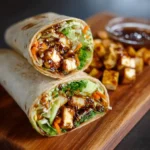
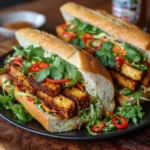
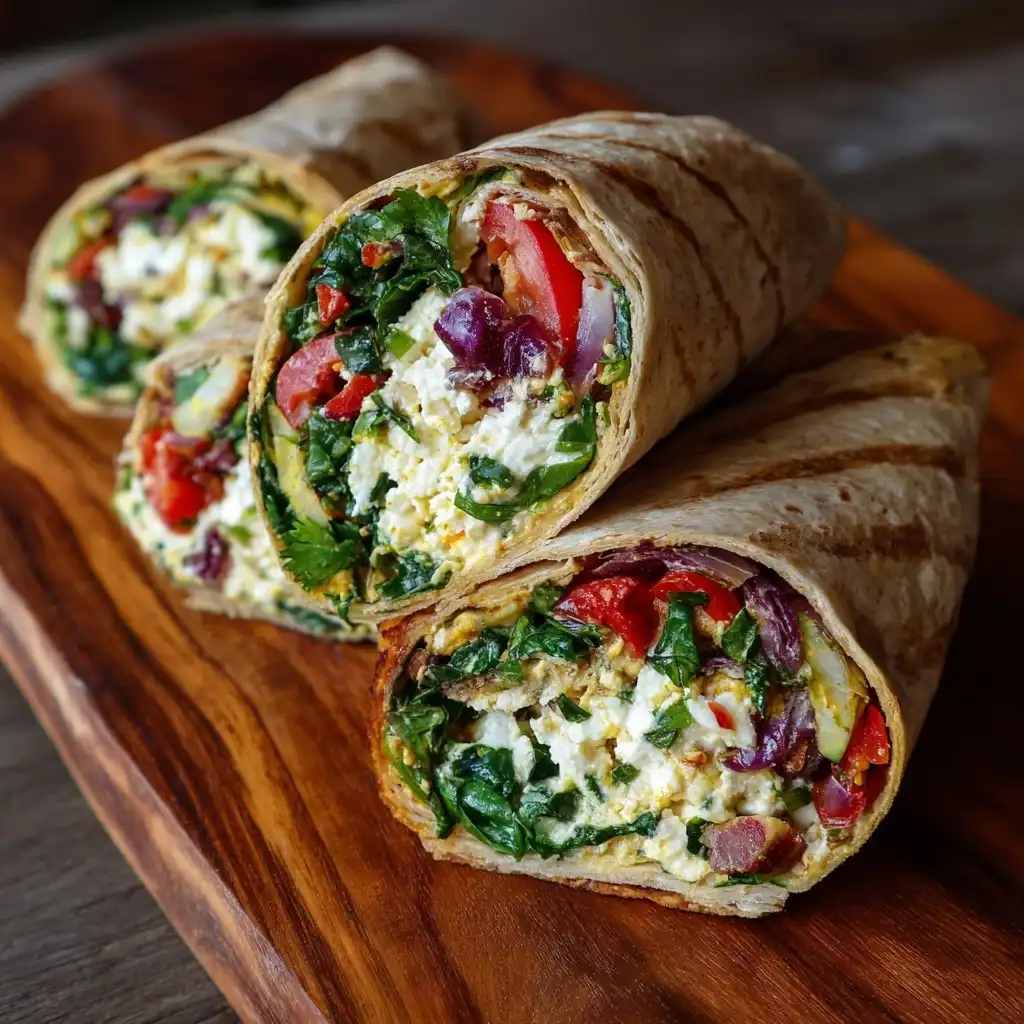
The Vegan Mediterranean Wrap is a vibrant, nutrient-dense, and flavor-packed handheld meal that embodies the essence of sun-drenched coastal cuisine—without a trace of animal products. Born from the growing global demand for plant-based, wholesome, and globally inspired fast-casual food, this wrap seamlessly marries the bold aromatics of the Eastern Mediterranean with the clean simplicity of modern vegan cooking. Whether you’re a longtime vegan, a flexitarian exploring meatless Mondays, or simply someone craving a fresh, colorful, and satisfying lunch that fuels your body and delights your palate, this wrap delivers on every front. It’s more than just food—it’s a celebration of whole grains, seasonal vegetables, zesty herbs, creamy plant-based sauces, and the ancient wisdom of Mediterranean culinary traditions, reimagined for compassionate, health-conscious living.
The History
The roots of the Vegan Mediterranean Wrap stretch across millennia—but its contemporary form is a relatively recent evolution born at the intersection of three powerful food movements: the ancient Mediterranean diet, the global rise of plant-based eating, and the modern fast-casual food revolution. Historically, grain-based wraps like Greek gyros flatbreads, Lebanese manakish, Turkish yufka, and Levantine saj breads served as edible vessels for legumes, herbs, olives, and grilled vegetables—long before “vegan” became a dietary label. In the mid-20th century, Ancel Keys’ landmark Seven Countries Study spotlighted the health benefits of traditional Cretan and Southern Italian diets—rich in olive oil, legumes, greens, tomatoes, and whole grains—laying the scientific groundwork for what would become the globally revered Mediterranean diet. Fast forward to the 2010s: as veganism surged in popularity (fueled by documentaries like Forks Over Knives, climate awareness, and ethical food choices), chefs and home cooks began adapting regional staples—replacing feta with almond-based crumbles, swapping tzatziki for cashew-dill sauce, and transforming hummus from a dip into a foundational spread. The Vegan Mediterranean Wrap emerged organically in urban vegan cafes from Tel Aviv to Toronto, Athens to Austin—as a portable, customizable, and culturally resonant expression of plant-powered abundance. Today, it stands not as a compromise, but as a deliberate, joyful, and deeply rooted culinary statement: that compassion, sustainability, and extraordinary taste are not just compatible—they’re inseparable.
Ingredients Breakdown
Every component of this wrap is chosen for purpose—flavor layering, textural contrast, nutritional synergy, and authentic Mediterranean character. Here’s an in-depth look at why each ingredient matters:
- Whole-Grain or Sprouted Grain Wrap: Serves as the structural foundation—providing complex carbohydrates, B vitamins, fiber, and sustained energy. Sprouted varieties enhance digestibility and bioavailability of minerals like iron and zinc.
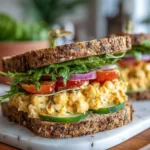
- Chickpea “Tuna” Salad: A brilliant, protein-rich cornerstone made from mashed chickpeas, nori flakes (for oceanic umami and iodine), kelp granules or dulse (natural sea vegetable boost), lemon juice, capers, red onion, celery, and dill. This clever alternative replicates the briny, flaky texture and savory depth of traditional tuna salad—without mercury, cholesterol, or ecological harm.
- Romanesco or Broccoli Slaw: Adds crunch, vivid chartreuse color, and sulforaphane—a potent phytonutrient linked to cellular detoxification and anti-inflammatory support. Massaged lightly with lemon and olive oil, it softens just enough while retaining bite.
- Sun-Dried Tomato–Olive Tapenade: A slow-simmered, oil-cured fusion of plump sun-dried tomatoes, Kalamata and green Cerignola olives, garlic, oregano, lemon zest, and a whisper of smoked paprika. Delivers intense savory-sweet-briny notes, heart-healthy monounsaturated fats, and polyphenol-rich antioxidants.
- Roasted Red Pepper Strips: Sweet, smoky, and tender-crisp—roasted over open flame or air-fried for maximum caramelization. Rich in vitamin C (more than oranges per gram) and lycopene, a carotenoid enhanced by heat and fat (like the olive oil it’s tossed in).
- Herb-Crusted Lemon-Tahini Drizzle: A velvety, tangy, nutty emulsion made from hulled sesame paste (tahini), fresh lemon juice, toasted cumin, minced parsley and mint, garlic, and a touch of maple syrup for balance. Acts as both binder and bright finishing note—while contributing calcium, healthy fats, and digestive-supportive compounds.
- Optional Garnishes: Pickled red onions (for acidity and gut-friendly probiotics), microgreens (pea shoots or radish sprouts for enzyme activity and visual pop), crumbled roasted seaweed snacks (additional iodine and crunch), and a final dusting of za’atar (thyme, sumac, sesame)—a Levantine spice blend rich in thymol and antioxidants.
Crucially, every ingredient is intentionally unprocessed, minimally refined, and sourced with seasonality and ethics in mind—prioritizing local farmers’ markets for produce, fair-trade olives and spices, and organic legumes whenever possible.
Step-by-Step Recipe
- Prepare the Chickpea “Tuna” Base (30 minutes, mostly hands-off): Drain and rinse two 15-oz cans of organic chickpeas. Pat dry thoroughly. In a large bowl, mash with a potato masher or fork until mostly smooth but with some texture remaining. Stir in 3 tbsp finely chopped red onion, 2 tbsp minced celery, 1 tbsp rinsed capers, 1 tsp crumbled nori flakes, ½ tsp kelp granules, 2 tbsp fresh lemon juice, 1 tbsp extra-virgin olive oil, 1 tbsp chopped fresh dill, ½ tsp Dijon mustard, ¼ tsp black salt (kala namak) for eggy depth (optional but recommended), and sea salt to taste. Refrigerate for at least 20 minutes to meld flavors.
- Make the Sun-Dried Tomato–Olive Tapenade (15 minutes): Pulse ½ cup oil-packed sun-dried tomatoes (drained), ⅓ cup pitted Kalamata olives, ⅓ cup pitted green Cerignola olives, 1 small garlic clove, 1 tsp lemon zest, 1 tsp fresh oregano leaves, ¼ tsp smoked paprika, and a pinch of crushed red pepper flakes in a food processor until coarsely chopped—not puréed. Transfer to a small bowl and stir in 1 tbsp olive oil. Set aside.
- Roast & Prep Vegetables (25 minutes): Preheat oven to 425°F (220°C). Toss 1 large red bell pepper (cored, seeded, quartered) with 1 tsp olive oil, salt, and black pepper. Roast skin-side up for 20–25 minutes until blistered and softened. Cool slightly, then peel off skin and slice into ¼-inch strips. Meanwhile, thinly slice 1 cup romanesco or broccoli florets. Massage with 1 tsp lemon juice and ½ tsp olive oil for 2 minutes until slightly softened but still crisp.
- Whisk the Lemon-Tahini Drizzle (5 minutes): In a small bowl, whisk together ¼ cup well-stirred tahini, 3 tbsp fresh lemon juice, 1 tbsp warm water (add more as needed for pourable consistency), ½ tsp ground cumin, 1 tsp minced fresh parsley, 1 tsp minced fresh mint, 1 small garlic clove (grated or pressed), and a pinch of sea salt. Adjust acidity and thickness with more lemon or water.
- Warm & Assemble Wraps (10 minutes): Lightly warm whole-grain wraps in a dry skillet over medium-low heat for 20 seconds per side—just enough to make them pliable without drying out. Lay flat on clean surface. Spread 2 tbsp lemon-tahini drizzle evenly over center third of each wrap, leaving 1-inch borders. Layer in order: ⅓ cup chickpea “tuna”, 2 tbsp romanesco slaw, 1½ tbsp tapenade, 3–4 roasted red pepper strips, and optional garnishes (pickled onions, microgreens, za’atar). Fold bottom edge up over filling, then fold left and right sides inward, and roll tightly from bottom to top—applying gentle pressure to seal. Wrap snugly in parchment paper, then foil or reusable beeswax wrap for portability and moisture retention.
Tips
- Wrap Integrity Secret: Don’t overfill—and always warm your wrap first. Cold or stiff flatbreads crack and leak. A 10-second toast in a pan or microwave (covered with damp paper towel) makes all the difference.
- Chickpea Texture Tip: For optimal “tuna” flakiness, use dried-and-cooked chickpeas (soaked overnight, boiled until tender but not mushy) instead of canned. They hold shape better and absorb flavors more deeply.
- Lemon Juice Timing: Add lemon juice to the chickpea mixture *after* mashing—not before—to prevent premature breakdown and bitterness. Freshly squeezed is non-negotiable; bottled lacks brightness and enzymatic vitality.
- Olive Oil Quality: Use a robust, peppery extra-virgin olive oil for the tapenade and roasting—its phenolic compounds intensify flavor and stability. Reserve a milder, buttery EVOO for the final drizzle to let tahini and herbs shine.
- Make-Ahead Mastery: All components (except assembled wraps) keep beautifully: chickpea salad (5 days refrigerated), tapenade (2 weeks), roasted peppers (4 days), tahini sauce (1 week). Assemble wraps day-of for best texture—or wrap tightly and refrigerate up to 8 hours before serving (let sit at room temp 15 minutes before eating).
- No-Sog Factor: Place a thin layer of finely shredded lettuce (like butter or romaine) directly on the wrap *under* the tahini—its mild flavor and waxy surface creates a natural moisture barrier between sauce and bread.
- Rolling Technique: Start rolling from the bottom (not the side) and tuck the filling in firmly with your thumbs as you go. A slight upward tilt helps lock ingredients inside. If wrapping for travel, secure with a toothpick hidden under the seam.
- Flavor Bloom: Let the assembled wrap rest, seam-side down, for 5 minutes before slicing or serving. This allows the tahini to gently soften the wrap and harmonize the layers.
Variations and Customizations
This recipe is designed as a living template—not a rigid formula. Embrace flexibility rooted in seasonality, geography, pantry availability, and personal wellness goals:
- Gluten-Free Option: Swap the whole-grain wrap for a certified GF spinach-herb tortilla, coconut-lettuce cup (large butter lettuce leaves), or a baked falafel “pita pocket” made from spiced chickpea batter cooked in a mini skillet.
- Protein-Powered Upgrade: Add ¼ cup crumbled baked tofu marinated in lemon-zest, za’atar, and tamari—or 3 tbsp sprouted lentil pâté blended with roasted garlic and rosemary.
- Winter Variation: Replace romanesco with shaved roasted beetroot and caramelized fennel; swap roasted red pepper for grilled eggplant ribbons; add toasted walnuts and orange segments for brightness and omega-3s.
- Summer Garden Edition: Feature heirloom cherry tomatoes (halved and salted 10 minutes to draw out juice), blanched sugar snap peas, grilled zucchini ribbons, fresh basil ribbons, and a mint-cucumber yogurt-free “tzatziki” made from unsweetened coconut yogurt, grated cucumber (squeezed dry), lemon, garlic, and dill.
- Nut-Free Adaptation: Replace tahini with roasted sunflower seed butter or pumpkin seed butter (pepita butter); omit nori if iodine sensitivity is a concern—boost umami with tomato paste or fermented black bean paste (1 tsp).
- Low-FODMAP Friendly: Omit garlic, onion, and high-FODMAP olives—substitute garlic-infused olive oil, chives (green part only), and low-FODMAP green olives (check Monash app); use canned lentils (rinsed well) instead of chickpeas.
- Kid-Friendly Twist: Skip capers, nori, and raw onion. Blend chickpeas with avocado instead of olive oil for creaminess; use mild roasted yellow pepper; add finely grated carrot and apple for sweetness and crunch; serve with a side of lemon-dill hummus for dipping.
- Meal-Prep Mega-Batch: Double the chickpea “tuna” and tapenade, then portion into 6 jars. Store roasted peppers and slaw separately. Assemble 3 wraps Sunday night, freeze 3 uncooked fillings (in labeled freezer bags), and thaw overnight for effortless weekday lunches.
Health Considerations and Nutritional Value
A single Vegan Mediterranean Wrap (approx. 12” whole-grain wrap, full recipe yield = 2 large or 3 medium wraps) delivers a synergistic, clinically supported spectrum of nutrients aligned with leading dietary guidelines—including the American Heart Association, Academy of Nutrition and Dietetics, and WHO recommendations for plant-forward eating. Per standard serving (1 large wrap, ~650 kcal):
- Macronutrient Profile: ~32g plant-based protein (chickpeas, tahini, whole grains, olives), ~78g complex carbohydrates (fiber-rich, low glycemic), ~28g heart-healthy monounsaturated fats (EVOO, olives, tahini, nuts/seeds), and zero cholesterol, trans fats, or added sugars.
- Fiber Powerhouse: ~18g total dietary fiber (over 65% DV)—fueling diverse gut microbiota, supporting satiety, stabilizing blood glucose, and aiding natural detoxification pathways. Includes both soluble (chickpeas, oats in wrap) and insoluble (romanesco, whole grains) forms.
- Phytonutrient Density: Contains >30 distinct polyphenols, carotenoids, glucosinolates, and lignans—including lycopene (roasted peppers), sulforaphane (romanesco), oleocanthal (EVOO), hydroxytyrosol (olives), and sesamin (tahini)—all shown in peer-reviewed studies to modulate inflammation, oxidative stress, and cellular repair mechanisms.
- Vitamin & Mineral Synergy: Exceptional source of vitamin K1 (leafy greens/romanesco), vitamin C (lemon, peppers), folate (chickpeas, greens), magnesium (tahini, greens, whole grains), iron (chickpeas + lemon-enhanced absorption), calcium (tahini, fortified wrap), iodine (nori, kelp), and selenium (sunflower seeds if added). Bioavailability is enhanced by intentional pairings: vitamin C with iron-rich foods, fat with fat-soluble vitamins (A, E, K), and fermentation (in pickled onions) with mineral uptake.
- Cardiometabolic Support: Aligns with the PREDIMED trial model—associated with 30% lower risk of major cardiovascular events. Low sodium (<450mg if no added salt), zero saturated fat from animal sources, high potassium (from vegetables), and nitrate-rich greens support healthy blood pressure and endothelial function.
- Digestive Wellness: Naturally rich in prebiotics (chicory root fiber in some wraps, chickpea raffinose), probiotics (if using unpasteurized pickled onions or sauerkraut variation), and digestive enzymes (raw garlic, lemon, parsley, mint).
- Cautions & Considerations: Those with thyroid conditions should moderate raw cruciferous intake (e.g., romanesco) and ensure adequate iodine (via nori/kelp); consult a healthcare provider before high-dose seaweed use. Individuals on blood thinners should maintain consistent vitamin K intake (don’t drastically increase/decrease daily greens). Always choose low-sodium or no-salt-added canned goods when managing hypertension.
This wrap isn’t just “healthy”—it’s functionally nourishing: designed to actively support longevity, cognitive resilience, hormonal balance, and immune competence through food-as-medicine principles rooted in centuries of Mediterranean wisdom and validated by modern nutritional science.
Ingredients
- 2 (10–12 inch) whole-grain or sprouted grain wraps (certified organic, low-sodium preferred)
- 2 (15 oz) cans organic chickpeas, drained, rinsed, and patted very dry—or 1½ cups cooked dried chickpeas
- 3 tbsp finely chopped red onion
- 2 tbsp finely minced celery
- 1 tbsp rinsed nonpareil capers
- 1 tsp crumbled roasted nori flakes
- ½ tsp kelp granules or dulse flakes
- 2 tbsp freshly squeezed lemon juice (plus more to taste)
- 1 tbsp extra-virgin olive oil (robust variety)
- 1 tbsp chopped fresh dill
- 1 tsp Dijon mustard (gluten-free if needed)
- ¼ tsp black salt (kala namak) — optional, for sulfurous “eggy” depth
- Sea salt and freshly ground black pepper to taste
- ½ cup oil-packed sun-dried tomatoes, drained
- ⅓ cup pitted Kalamata olives
- ⅓ cup pitted green Cerignola or Castelvetrano olives
- 1 small garlic clove, peeled
- 1 tsp lemon zest
- 1 tsp fresh oregano leaves (or ½ tsp dried)
- ¼ tsp smoked paprika
- Pinch of crushed red pepper flakes
- 1 large red bell pepper
- 1 cup romanesco or broccoli florets, very thinly sliced
- ¼ cup well-stirred, raw, hulled tahini
- 3 tbsp fresh lemon juice
- 1 tbsp warm water (plus more as needed)
- ½ tsp ground cumin
- 1 tsp minced fresh parsley
- 1 tsp minced fresh mint
- 1 small garlic clove, grated or pressed
- Pinch of sea salt
- Optional garnishes: Quick-pickled red onions, mixed microgreens (pea shoots, radish), crumbled roasted seaweed snacks, za’atar spice blend
Directions
- In a large mixing bowl, mash the drained and dried chickpeas with a potato masher or fork until about 70% smooth with intentional texture remaining—do not purée.
- Add red onion, celery, capers, nori flakes, kelp granules, 2 tbsp lemon juice, 1 tbsp olive oil, dill, Dijon mustard, black salt (if using), and a pinch of sea salt and black pepper. Mix thoroughly with a spatula or spoon until fully combined and cohesive. Taste and adjust acidity with more lemon or seasoning as desired. Cover and refrigerate for at least 20 minutes (up to 5 days).
- In a food processor, combine sun-dried tomatoes, Kalamata olives, green olives, garlic clove, lemon zest, oregano, smoked paprika, and red pepper flakes. Pulse 8–10 times until coarsely chopped—texture should be chunky, not pasty. Scrape into a small bowl and stir in 1 tbsp olive oil. Set aside.
- Preheat oven to 425°F (220°C). Place red bell pepper quarters skin-side up on a parchment-lined baking sheet. Drizzle lightly with olive oil and season with salt and pepper. Roast for 20–25 minutes until skin is blistered and flesh is tender but not collapsed. Remove and cool slightly. Carefully peel off charred skin, discard stems and seeds, then cut into ¼-inch-wide strips. Set aside.
- While peppers roast, prepare romanesco: Using a mandoline or sharp knife, slice florets as thinly as possible (about 1/16 inch). Place in a bowl and massage with 1 tsp lemon juice and ½ tsp olive oil for 2 minutes until slightly translucent but still crunchy. Set aside.
- In a small bowl, whisk together tahini, 3 tbsp lemon juice, warm water, cumin, parsley, mint, grated garlic, and a pinch of salt. Whisk vigorously until smooth and creamy, adding additional warm water ½ tsp at a time until it reaches a thick but pourable consistency—similar to heavy cream. Adjust seasoning.
- Lightly warm each whole-grain wrap in a dry stainless steel or cast-iron skillet over medium-low heat for 15–20 seconds per side, or wrap in a damp paper towel and microwave for 10 seconds. Place on a clean work surface.
- Spread 2 tablespoons of the lemon-tahini drizzle in a horizontal band across the center third of the wrap, leaving a 1-inch border at top and bottom.
- Layer in this exact order (to ensure structural integrity and balanced bites): ⅓ cup chickpea “tuna”, 2 tablespoons romanesco slaw, 1½ tablespoons sun-dried tomato–olive tapenade, and 3–4 roasted red pepper strips.
- Add optional garnishes: 1 tablespoon quick-pickled red onions, a small handful of microgreens, and a light dusting of za’atar.
- Fold the bottom edge of the wrap up and over the filling. Fold the left and right sides inward toward the center, overlapping slightly. Then, beginning at the bottom fold, roll tightly upward—applying gentle but firm pressure with your thumbs to compact the filling and seal the seam.
- Wrap the finished roll snugly in parchment paper, then fold the ends and secure with tape or twine—or wrap in reusable beeswax wrap for eco-friendly portability.
- Let rest seam-side down for 5 minutes before slicing in half diagonally (optional) or enjoying whole. Serve immediately or refrigerate up to 8 hours (bring to room temperature 15 minutes before eating).
FAQ
- Can I make this entirely oil-free?
- Yes! Replace olive oil in the chickpea mixture and tapenade with 1 tbsp aquafaba (chickpea brine) or unsweetened applesauce. Roast peppers dry or use an air fryer. For the tahini sauce, use water or lemon juice exclusively—though texture will be thinner; add ½ tsp ground flaxseed to help emulsify.
- Why use nori and kelp instead of just salt?
- Nori and kelp provide naturally occurring iodine (critical for thyroid health), glutamates for deep umami, and trace minerals like vanadium and boron—not achievable with table salt alone. They also contribute subtle oceanic complexity that elevates the “tuna” illusion authentically.
- My wrap fell apart—what went wrong?
- Most common causes: wrap was too cold/stiff (always warm first), overfilled (stick to the layering order and measurements), or tahini drizzle applied too close to edges (keep it centered). Also ensure romanesco is massaged—not raw and watery—and roasted peppers are patted dry.
- Is this suitable for diabetics?
- Yes—with attention to portion size and carb distribution. The high fiber, low glycemic load, and healthy fats significantly blunt glucose spikes. Pair with a side of leafy greens or vinegar-based salad to further improve insulin sensitivity. Monitor individual response.
- How do I store leftovers?
- Store components separately in airtight containers: chickpea salad (5 days), tapenade (2 weeks), roasted peppers (4 days), tahini sauce (1 week), romanesco slaw (3 days). Assembled wraps last 8 hours refrigerated—if longer storage is needed, freeze *unwrapped* rolls in parchment + freezer paper for up to 3 months. Thaw overnight in fridge, then warm gently in skillet.
- Can I use canned roasted red peppers?
- You can—but fresh-roasted offer superior flavor, texture, and nutrient retention (lycopene becomes more bioavailable with roasting, and fresh peppers contain higher vitamin C). If using canned, drain thoroughly, pat dry, and briefly sauté in a dry pan to remove excess moisture and concentrate flavor.
- What’s the best way to meal-prep these for the week?
- Prepare all components Sunday evening. Portion chickpea salad and tapenade into 3–4 containers. Store roasted peppers and romanesco slaw separately. Warm wraps and assemble each morning—or pre-roll 3 wraps and refrigerate wrapped in parchment/foil. Add fresh herbs and lemon-tahini drizzle *just before eating* for peak vibrancy.
- Are there soy-free options?
- Absolutely. This entire recipe is naturally soy-free—no tofu, tempeh, or soy-based sauces are used. Just verify your wrap brand (some contain soy lecithin—opt for certified soy-free if strictly avoiding).
- Can I grill the wrap?
- Yes—for a smoky finish! Lightly brush assembled (but unwrapped) roll with olive oil and grill over medium-low heat for 1–2 minutes per side, turning carefully with tongs, until golden and warmed through