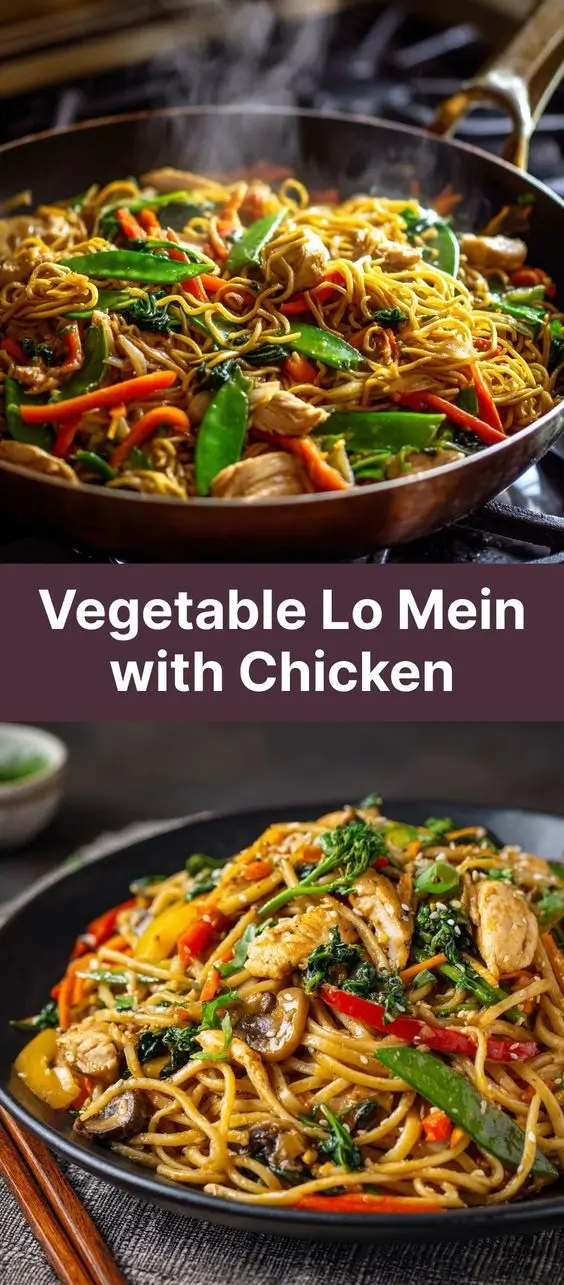
Vegetable Lo Mein with Chicken: A Flavorful Fusion of Noodles, Veggies, and Tender Chicken
The History of Lo Mein and Its Evolution
Lo Mein, which translates to “stirred noodles” in Cantonese, has roots deeply embedded in Chinese culinary tradition. Originating from northern China, particularly the Guangdong province, Lo Mein has been a staple comfort food for centuries. The dish traditionally featured hand-pulled wheat noodles tossed with a variety of ingredients such as vegetables, meats, and sauces, emphasizing balance and harmony in flavor and texture.
As Chinese immigrants brought their culinary traditions to other parts of the world, particularly the United States during the 19th and 20th centuries, Lo Mein underwent significant adaptations. In Western countries, especially in American-Chinese cuisine, the dish evolved to include more vegetables, different proteins like chicken, beef, or shrimp, and sweeter, thicker sauces tailored to local palates. This fusion created a new identity for Lo Mein—one that remains respectful to its origins but embraces global tastes and accessibility.
Today, Vegetable Lo Mein with Chicken stands as a popular choice among home cooks and restaurant diners alike. It reflects both authenticity and innovation, combining traditional stir-fry techniques with readily available ingredients, making it a go-to weeknight meal rich in flavor, nutrition, and cultural heritage.
Ingredients Breakdown: What Goes Into a Perfect Vegetable Lo Mein with Chicken
The beauty of Vegetable Lo Mein with Chicken lies in its simplicity and versatility. Each ingredient plays a crucial role in building layers of taste, color, and texture. Here’s a detailed look at what goes into this beloved dish:
- Chicken Breast or Thighs: Boneless, skinless chicken breasts are commonly used for their lean texture, though thighs offer a juicier, more flavorful alternative due to higher fat content. Thinly sliced against the grain ensures tenderness after quick cooking.
- Lo Mein Noodles: These are soft, fresh yellow egg noodles made from wheat flour, eggs, and water. They have a slightly chewy texture that holds up well under high heat. Dried spaghetti can be substituted in a pinch, though the authentic mouthfeel may differ.
- Mixed Vegetables: A colorful medley typically includes bell peppers (red, yellow, green), carrots, broccoli florets, mushrooms (shiitake or button), snow peas, cabbage, baby corn, and bok choy. These add crunch, sweetness, earthiness, and visual appeal.
- Aromatics: Garlic, ginger, and green onions form the aromatic base. Minced garlic and grated ginger provide pungency and warmth, while sliced green onions contribute freshness and mild onion flavor.
- Sauce Components:
- Soy Sauce: Provides saltiness and umami depth. Use low-sodium soy sauce to control salt levels.
- Oyster Sauce: Adds a rich, savory-sweet complexity (vegetarian versions available).
- Sesame Oil: A few drops impart a nutty aroma—use toasted sesame oil for maximum fragrance.
- Rice Vinegar or Shaoxing Wine: Balances richness with acidity; Shaoxing wine enhances depth without overpowering.
- Hoisin Sauce (optional): For a touch of sweetness and thickness.
- Cornstarch Slurry: A mixture of cornstarch and water helps thicken the sauce slightly, allowing it to coat the noodles evenly.
- Cooking Oil: High-smoke-point oils like vegetable, canola, or peanut oil are ideal for stir-frying without burning.
- Optional Add-ins: Red pepper flakes for heat, crushed peanuts for crunch, cilantro for herbal brightness, or a splash of chili garlic sauce for extra kick.
Step-by-Step Recipe: How to Make Restaurant-Quality Vegetable Lo Mein with Chicken at Home
Follow these detailed steps to create a delicious, restaurant-worthy Vegetable Lo Mein with Chicken right in your kitchen.
Preparation (Mise en Place)
- Marinate the Chicken: Slice 1 lb (450g) boneless chicken breast into thin strips. Toss with 1 tbsp soy sauce, 1 tsp cornstarch, 1 tsp Shaoxing wine (or dry sherry), and a dash of white pepper. Let sit for 15–20 minutes to enhance tenderness and flavor absorption.
- Cook the Noodles: Bring a large pot of salted water to boil. Add 8 oz (225g) fresh lo mein noodles (or substitute with dried egg noodles). Cook according to package instructions until just shy of al dente—usually 2–3 minutes less than recommended. Drain and rinse under cold water to stop cooking. Toss with a little oil (½ tsp sesame or vegetable oil) to prevent sticking. Set aside.
- Prep Vegetables: While noodles cook, slice all vegetables uniformly for even cooking:
- 1 red bell pepper – julienned
- 1 carrot – thinly sliced on diagonal or shredded
- 1 cup broccoli florets – blanched for 1 minute if desired
- ½ cup sliced mushrooms (shiitake or cremini)
- ½ cup snow peas – ends trimmed
- 2 cups chopped napa cabbage or bok choy
- 3 cloves garlic – minced
- 1-inch piece ginger – finely grated
- 3 green onions – sliced (whites and greens separated)
- Prepare Sauce: In a small bowl, whisk together:
- 3 tbsp soy sauce
- 2 tbsp oyster sauce (or vegetarian alternative)
- 1 tbsp rice vinegar
- 1 tsp sesame oil
- 1 tsp sugar or honey (optional)
- ½ tsp black pepper
- 1 tbsp water + 1 tsp cornstarch – for slurry
Cooking Process
- Stir-Fry Chicken: Heat 1 tbsp oil in a wok or large skillet over high heat. Once shimmering, add marinated chicken in a single layer. Cook undisturbed for 1–2 minutes, then stir-fry until golden and cooked through (about 4–5 minutes total). Remove and set aside.
- Sauté Aromatics: Add another tablespoon of oil to the same wok. Lower heat slightly. Add garlic, ginger, and white parts of green onions. Stir constantly for 30 seconds until fragrant—do not burn.
- Cook Vegetables: Increase heat back to high. Add harder vegetables first: carrots and broccoli. Stir-fry for 1–2 minutes. Then add softer veggies: bell peppers, mushrooms, snow peas, cabbage. Continue tossing frequently for 3–4 minutes until crisp-tender. Splash with 1–2 tbsp water if needed to generate steam and aid cooking.
- Combine Everything: Return cooked chicken to the wok. Add drained noodles. Pour sauce over everything. Toss vigorously using tongs or two spatulas to distribute evenly. Keep stirring for 2–3 minutes until sauce thickens slightly and coats every strand.
- Finish Strong: Add green parts of scallions and drizzle with an additional ½ tsp toasted sesame oil for aroma. Taste and adjust seasoning—add more soy sauce for salt, vinegar for tang, or sugar for balance.
- Serve Immediately: Plate hot, garnished with extra green onions, sesame seeds, or crushed red pepper. Serve as-is or alongside wonton soup, egg rolls, or steamed dumplings.
Tips for the Best Vegetable Lo Mein with Chicken
- Use High Heat: Authentic stir-fry relies on intense heat to sear ingredients quickly while preserving texture and nutrients. Ensure your stove and pan are fully heated before adding food.
- Don’t Overcook the Noodles: Undercooking them slightly before stir-frying prevents mushiness when combined with sauce later.
- Prep Everything Ahead: Stir-frying happens fast! Have all components prepped and within reach before turning on the burner.
- Don’t Crowd the Pan: Overloading cools the wok and causes steaming instead of searing. Work in batches if necessary.
- Toast Your Noodles (Optional): For a smoky “wok hei” (breath of the wok) flavor, let noodles sit undisturbed for 30 seconds during final toss to develop slight char spots.
- Balance Flavors: Taste as you go. The final dish should be savory, slightly sweet, subtly tangy, and aromatic—not overly salty.
- Leftovers? Store in an airtight container in the fridge for up to 3 days. Reheat in a skillet with a splash of water or broth to restore moisture.
Variations and Customizations
One of the greatest strengths of Vegetable Lo Mein with Chicken is its adaptability. Whether catering to dietary preferences, seasonal produce, or creative experimentation, here are some exciting twists:
- Protein Swaps: Replace chicken with shrimp, beef, tofu, tempeh, pork, or even duck. Marinate accordingly for best results.
- Gluten-Free Option: Use gluten-free lo mein noodles (often rice or mung bean-based) and ensure soy sauce is replaced with tamari or coconut aminos.
- Vegan Version: Omit chicken and use firm tofu or seitan. Substitute oyster sauce with mushroom sauce or vegan oyster alternative.
- Low-Carb/Keto Adaptation: Swap noodles with spiralized zucchini (zoodles), shirataki noodles, or kelp noodles. Adjust sauce thickness accordingly since fewer carbs mean less starch interaction.
- Regional Twists:
- Szechuan Style: Add Szechuan peppercorns and chili oil for numbing heat.
- Cantonese Classic: Keep it simple with minimal sauce and emphasis on fresh ingredients.
- Malaysian-Inspired: Incorporate curry leaves, light coconut milk, and sambal for tropical flair.
- Seasonal Additions: In spring, try asparagus and pea shoots; in fall, add roasted squash or Brussels sprouts; winter calls for hearty kale and leeks.
- Noodle Alternatives: Try ramen (discard seasoning), udon, soba, or even whole wheat spaghetti for varied textures and nutritional profiles.
Health Considerations and Nutritional Value
Vegetable Lo Mein with Chicken can be a balanced, nutrient-dense meal when prepared thoughtfully. Here’s a breakdown of its health aspects:
Nutritional Highlights (per serving, approx. 1.5 cups)
| Nutrient | Amount (Approx.) |
|---|---|
| Calories | 380–450 kcal |
| Protein | 25–30g |
| Total Fat | 10–14g |
| Saturated Fat | 2–3g |
| Carbohydrates | 50–60g |
| Dietary Fiber | 5–7g |
| Sugars | 6–8g |
| Sodium | 800–1200mg* |
*Sodium varies greatly depending on soy/oyster sauce brands. Opt for low-sodium versions to reduce intake.
Health Benefits
- Lean Protein Source: Chicken breast provides high-quality protein essential for muscle repair and satiety.
- Fiber-Rich Vegetables: Promote digestive health, stabilize blood sugar, and support gut microbiome diversity.
- Antioxidant Powerhouse: Colorful veggies deliver vitamins A, C, K, folate, and phytonutrients like beta-carotene and lutein.
- Healthy Fats: Sesame oil contains monounsaturated fats and antioxidants like sesamol.
- Balanced Meal Potential: When portion-controlled and made with mindful ingredient choices, this dish fits well into Mediterranean, flexitarian, or heart-healthy diets.
Dietary Concerns & Modifications
- Sodium Reduction: Use reduced-sodium soy sauce, dilute sauces with water or broth, increase herbs/spices instead of salt.
- Allergens: Contains wheat (noodles), eggs (in most lo mein noodles), and soy. Check labels carefully for allergies.
- Pregnancy Safety: Ensure chicken is fully cooked (165°F internal temperature); avoid raw sprouts if included.
- Blood Sugar Management: Pair with extra non-starchy vegetables and consider reducing noodle quantity by half, replacing with zucchini or cabbage noodles.
Full Ingredient List
Serves: 4 | Prep Time: 25 mins | Cook Time: 15 mins | Total Time: 40 mins
For the Dish:
- 1 lb (450g) boneless, skinless chicken breast or thighs, thinly sliced
- 8 oz (225g) fresh lo mein noodles (or dried egg noodles)
- 2 tbsp vegetable or peanut oil (divided)
- 3 cloves garlic, minced
- 1-inch piece fresh ginger, grated
- 3 green onions, sliced (separate whites and greens)
- 1 red bell pepper, julienned
- 1 medium carrot, thinly sliced or shredded
- 1 cup broccoli florets (blanched briefly)
- ½ cup mushrooms, sliced
- ½ cup snow peas, trimmed
- 2 cups napa cabbage or bok choy, chopped
For the Marinade:
- 1 tbsp soy sauce
- 1 tsp cornstarch
- 1 tsp Shaoxing wine or dry sherry
- ¼ tsp white pepper
For the Sauce:
- 3 tbsp soy sauce (low-sodium preferred)
- 2 tbsp oyster sauce (or vegetarian alternative)
- 1 tbsp rice vinegar
- 1 tsp toasted sesame oil
- 1 tsp sugar or honey (optional)
- ½ tsp freshly ground black pepper
- 1 tbsp water + 1 tsp cornstarch (slurry)
Garnishes (Optional):
- Toasted sesame seeds
- Extra green onions
- Crushed red pepper flakes
- Fresh cilantro
- Lime wedges
Directions
- Marinate the Chicken: In a bowl, combine sliced chicken with marinade ingredients. Mix well and let rest for 15–20 minutes.
- Cook the Noodles: Boil noodles in salted water until slightly undercooked. Drain, rinse with cold water, toss with a little oil, and set aside.
- Blanch Broccoli (Optional): Dip broccoli florets in boiling water for 60 seconds, then shock in ice water. Drain thoroughly.
- Heat Wok/Skillet: Place over high heat. Add 1 tbsp oil. When hot, add marinated chicken in a single layer. Cook 4–5 minutes until browned and cooked through. Transfer to a plate.
- Sauté Aromatics: Add remaining oil. Stir in garlic, ginger, and white parts of green onions. Cook 30 seconds until fragrant.
- Stir-Fry Vegetables: Add carrots and broccoli first; stir-fry 1–2 minutes. Then add bell pepper, mushrooms, snow peas, and cabbage. Cook 3–4 minutes until crisp-tender. Sprinkle with a bit of water if drying out.
- Make Sauce: Whisk all sauce ingredients including cornstarch slurry in a small bowl.
- Combine All: Return chicken to wok. Add noodles and sauce. Toss continuously for 2–3 minutes until sauce thickens and evenly coats ingredients.
- Finish and Serve: Stir in green onion tops and sesame oil. Taste and adjust seasoning. Garnish and serve immediately.
FAQ (Frequently Asked Questions)
- Can I make Vegetable Lo Mein with Chicken ahead of time?
- Yes, but best served fresh. You can prep ingredients (chop veggies, marinate chicken, cook noodles) up to a day in advance. Assemble and stir-fry just before serving for optimal texture.
- Why are my noodles sticky?
- This usually happens if they’re overcooked or not rinsed properly. Always rinse cooked noodles under cold water and toss with oil to prevent clumping.
- Can I freeze leftover lo mein?
- Not recommended. Noodles become soggy upon thawing and reheating due to starch breakdown. Store in fridge for up to 3 days instead.
- Is lo mein the same as chow mein?
- No. Lo mein means “tossed noodles” and uses softer, boiled noodles mixed with sauce. Chow mein means “fried noodles” and features crispy, pan-fried noodles.
- What can I do if I don’t have oyster sauce?
- Substitute with hoisin sauce mixed with soy sauce and a bit of sugar, or use mushroom stir-fry sauce for similar umami depth.
- How do I get that smoky wok flavor at home?
- Use the highest heat possible, avoid overcrowding, and let ingredients caramelize slightly. Some chefs add a tiny amount of liquid smoke (sparingly), but real “wok hei” requires professional equipment.
- Are lo mein noodles gluten-free?
- Traditional lo mein noodles contain wheat and are not gluten-free. Look for rice noodle alternatives labeled as lo mein-style or use vermicelli.
Summary
Vegetable Lo Mein with Chicken is a vibrant, satisfying dish that blends tender chicken, crisp vegetables, and springy noodles in a savory-sweet sauce—all achieved through quick stir-frying techniques rooted in Chinese culinary artistry.
Easily customizable, nutritionally balanced, and perfect for busy weeknights or meal prep, this recipe brings the flavors of your favorite takeout right into your kitchen with healthier ingredients and no compromise on taste.