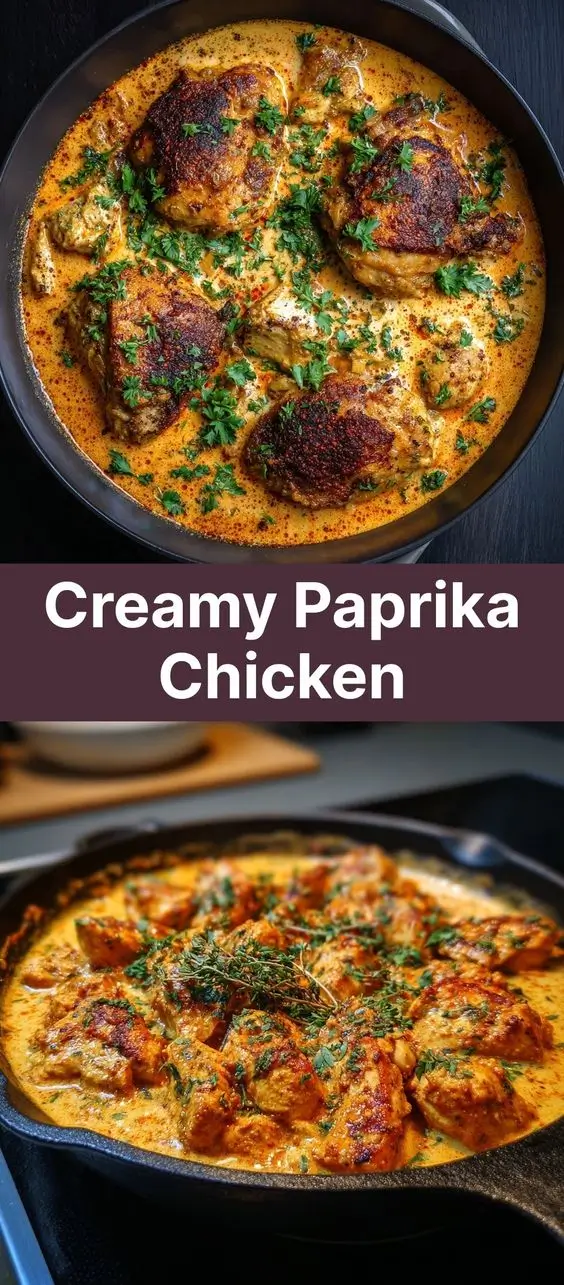
Creamy Paprika Chicken: A Rich, Comforting Dish with a Smoky Twist
The History of Creamy Paprika Chicken
Creamy Paprika Chicken is a modern culinary evolution that blends the traditional flavors of Hungarian goulash and Eastern European paprika-infused dishes with the luxurious textures popular in contemporary Western cuisine. Paprika itself has deep historical roots, originating in Central Mexico before being brought to Europe by Spanish explorers in the 16th century. It quickly became a staple in Hungarian cooking, where it evolved into a national symbol of flavor and heritage. Hungary’s unique climate and soil produce some of the finest paprika in the world, ranging from sweet to hot varieties.
While traditional Hungarian stews like paprikás csirke (chicken paprikash) are typically thickened with sour cream and roux, the “creamy” version seen today—often featuring heavy cream, butter, and sometimes cheese—has been adapted for international palates seeking rich, indulgent comfort food. The dish gained popularity across Europe and North America during the mid-20th century as home cooks began experimenting with fusion recipes, combining Old World spices with New World dairy techniques. Today, Creamy Paprika Chicken stands as a beloved weeknight favorite, celebrated for its vibrant red hue, aromatic depth, and velvety sauce that clings perfectly to tender chicken and pasta or potatoes.
Ingredients Breakdown: What Makes This Dish Shine
The magic of Creamy Paprika Chicken lies in its harmonious blend of simple yet flavorful ingredients. Each component plays a vital role in building layers of taste, texture, and aroma:
- Chicken breasts or thighs: Boneless, skinless chicken breasts offer lean tenderness, while thighs provide richer flavor and juiciness due to higher fat content. Both work well depending on preference.
- Paprika: The star spice. Use high-quality Hungarian sweet paprika for authentic flavor. For heat, blend in smoked paprika or hot paprika. Freshness matters—old paprika loses potency and color.
- Garlic and onions: Aromatics that form the flavor base. Yellow onion adds sweetness when sautéed; garlic brings pungency and depth.
- Butter and olive oil: Butter lends richness and helps bloom the paprika without burning, while olive oil provides a stable base for sautéing at medium heat.
- All-purpose flour: Used as a thickening agent to create a roux with butter and fat, helping the sauce cling beautifully to the chicken.
- Chicken broth: Adds savory umami and body to the sauce. Low-sodium broth allows better control over salt levels.
- Heavy cream or half-and-half: Gives the sauce its signature silkiness. Heavy cream offers maximum richness; half-and-half lightens it slightly.
- Sour cream: Stirred in at the end for tanginess and extra creaminess. Prevents curdling by tempering it with warm sauce first.
- Tomato paste (optional): Deepens color and adds subtle acidity to balance the richness.
- Herbs: Fresh thyme or parsley enhance freshness. Dried marjoram is traditional in Hungarian cooking and pairs wonderfully with paprika.
- Salt and black pepper: Essential seasonings that elevate all other flavors.
Optional additions include bell peppers (especially red), mushrooms, or a splash of white wine for complexity.
Step-by-Step Recipe: How to Make Creamy Paprika Chicken
- Prepare the Ingredients: Slice 1.5 lbs (700g) boneless chicken into bite-sized pieces. Mince 3 cloves of garlic and finely dice 1 medium yellow onion. Measure out 2 tablespoons of sweet paprika, 1 teaspoon smoked paprika (optional), 1 tablespoon tomato paste, 1/4 cup flour, 2 cups chicken broth, 1 cup heavy cream, 1/2 cup sour cream, and 2 tablespoons each of butter and olive oil.
- Season and Sear the Chicken: Pat chicken dry and season with salt, pepper, and 1 teaspoon of paprika. Heat 1 tablespoon olive oil in a large skillet over medium-high heat. Add chicken in a single layer and sear until golden brown on both sides (about 3–4 minutes per side). Remove and set aside.
- Sauté the Aromatics: In the same pan, reduce heat to medium. Add 1 tablespoon butter and sauté onions until translucent (5 minutes). Add garlic and stir for 30 seconds until fragrant.
- Bloom the Paprika: Push onions to one side, add remaining butter, then sprinkle in paprika. Stir constantly for 30–60 seconds to release oils and deepen flavor—do not let it burn.
- Create the Roux: Sprinkle flour over the mixture and stir to combine. Cook for 1–2 minutes to remove raw flour taste, stirring continuously.
- Build the Sauce: Gradually pour in chicken broth, whisking to prevent lumps. Add tomato paste (if using), thyme, and marjoram. Bring to a gentle simmer and cook for 5 minutes until slightly thickened.
- Add Cream and Chicken: Stir in heavy cream and return the seared chicken with any juices to the pan. Simmer gently for 8–10 minutes, allowing chicken to finish cooking and absorb flavors.
- Incorporate Sour Cream: Remove from heat. Temper sour cream by mixing a spoonful of hot sauce into it, then stir back into the pan to prevent curdling. Adjust seasoning with salt and pepper.
- Garnish and Serve: Sprinkle with fresh chopped parsley. Serve immediately over egg noodles, mashed potatoes, rice, or crusty bread.
Tips for Perfect Creamy Paprika Chicken Every Time
- Use fresh paprika: Spices lose potency over time. If your paprika doesn’t have a vibrant color or strong scent, replace it.
- Don’t burn the paprika: It scorches easily. Bloom it gently over low-to-medium heat and never leave it unattended.
- Temper the sour cream: Adding cold sour cream directly to a hot sauce can cause separation. Always temper it first.
- Avoid boiling after adding dairy: High heat can make the cream curdle. Keep the heat low once cream is added.
- Let it rest: Allow the dish to sit for 5 minutes after finishing—it helps the sauce thicken and flavors meld.
- Thicken or thin as needed: If the sauce is too thin, simmer longer or add a cornstarch slurry (1 tsp cornstarch + 1 tbsp water). If too thick, stir in more broth or cream.
- Prep ahead: Chop vegetables and measure spices in advance to streamline cooking.
Variations and Customizations
Creamy Paprika Chicken is highly adaptable. Here are some delicious twists:
- Dairy-Free Version: Substitute coconut milk for heavy cream and use cashew cream or dairy-free sour cream alternative. Use olive oil instead of butter.
- Gluten-Free Option: Replace all-purpose flour with cornstarch, arrowroot powder, or gluten-free flour blend. Mix with cold broth before adding to avoid lumps.
- Vegetarian Adaptation: Swap chicken for portobello mushrooms, tofu, or chickpeas. Use vegetable broth for a hearty plant-based version.
- Spicy Kick: Increase heat with cayenne pepper, hot paprika, or diced jalapeños. Add a pinch of red pepper flakes during sautéing.
- Smoky Flavor Boost: Use smoked paprika exclusively or mix with chipotle in adobo for a deeper, barbecue-like profile.
- Wine-Infused Sauce: Deglaze the pan with 1/2 cup dry white wine after sautéing onions, reducing by half before adding broth.
- Cheesy Twist: Stir in grated Gouda, cheddar, or cream cheese at the end for an ultra-rich variation.
- One-Pot Pasta Version: Cook short pasta (like penne or fusilli) directly in the sauce, adding extra broth gradually until al dente.
- Add Vegetables: Include sliced bell peppers, zucchini, spinach, or peas for added nutrition and color.
Health Considerations and Nutritional Value
Creamy Paprika Chicken is a satisfying dish but should be enjoyed in moderation due to its calorie and fat content. However, it can be adapted for healthier eating:
Nutritional Highlights (per serving, approx. 1 cup with chicken and sauce):
- Calories: ~450–600 (varies based on ingredients)
- Protein: ~35–40g – excellent source from chicken
- Fat: ~25–35g – mostly from cream and butter (saturated fat present)
- Carbohydrates: ~10–15g (without grains)
- Vitamin B6 and Niacin: Abundant in chicken, supporting metabolism and brain health
- Vitamin A: From paprika, beneficial for vision and immune function
- Antioxidants: Paprika contains carotenoids like capsanthin, which may have anti-inflammatory properties
Health Tips:
- Choose skinless chicken thighs or breasts to reduce saturated fat.
- Use low-fat sour cream or Greek yogurt to cut calories while maintaining creaminess.
- Opt for half-and-half or whole milk instead of heavy cream to reduce fat content.
- Serve with quinoa, brown rice, or steamed vegetables to increase fiber and nutrients.
- Limit portion size and pair with a green salad for balanced meals.
- Reduce sodium by using low-sodium broth and minimizing added salt.
Ingredients
- 1.5 lbs (700g) boneless, skinless chicken breasts or thighs, cut into bite-sized pieces
- 2 tbsp olive oil, divided
- 2 tbsp unsalted butter, divided
- 1 medium yellow onion, finely diced
- 3 cloves garlic, minced
- 2 tbsp sweet Hungarian paprika (plus more for garnish if desired)
- 1 tsp smoked paprika (optional, for depth)
- 1 tbsp all-purpose flour (or cornstarch for GF)
- 1 tbsp tomato paste (optional)
- 2 cups low-sodium chicken broth
- 1 cup heavy cream (or half-and-half)
- 1/2 cup sour cream (full-fat recommended)
- 1 tsp dried thyme (or 1 tbsp fresh)
- 1/2 tsp dried marjoram (traditional in Hungarian cooking)
- Salt and freshly ground black pepper, to taste
- Fresh parsley, chopped (for garnish)
Directions
- Pat chicken dry with paper towels and season with salt, pepper, and 1 tsp paprika.
- In a large, deep skillet or Dutch oven, heat 1 tbsp olive oil over medium-high heat. Add chicken in batches and sear until golden brown, about 3–4 minutes per side. Remove and set aside.
- Reduce heat to medium. Add 1 tbsp butter to the same pan. Sauté diced onion until soft and translucent, about 5 minutes.
- Add minced garlic and cook for 30 seconds until fragrant.
- Push onions to the side. Add remaining 1 tbsp butter, then sprinkle in sweet and smoked paprika. Stir constantly for 30–60 seconds to bloom the spices.
- Stir in flour and cook for 1 minute, forming a roux. Add tomato paste (if using) and mix well.
- Gradually pour in chicken broth, whisking continuously to avoid lumps. Add thyme, marjoram, and bring to a simmer.
- Simmer for 5 minutes until sauce begins to thicken.
- Stir in heavy cream and return chicken with juices to the pan. Simmer gently for 8–10 minutes, until chicken is cooked through and sauce is creamy.
- Remove from heat. In a small bowl, mix sour cream with a few spoonfuls of hot sauce to temper. Stir back into the pan.
- Season with additional salt and pepper to taste. Garnish with fresh parsley and a dusting of paprika.
- Serve hot over egg noodles, mashed potatoes, rice, or with crusty bread.
FAQ
Can I make Creamy Paprika Chicken ahead of time?
Yes! Prepare the dish up to a day in advance and store it covered in the refrigerator. Reheat gently on the stove over low heat, stirring frequently and adding a splash of broth or cream if needed.
Can I freeze this dish?
It’s possible, but dairy-based sauces may separate upon thawing and reheating. For best results, freeze before adding sour cream and heavy cream, then add fresh when reheating.
Why did my sauce turn bitter?
Likely cause: burned paprika. Always bloom paprika over low-to-medium heat and never leave it unattended. If burnt, start over—the bitterness cannot be reversed.
Can I use ground paprika from a jar vs. fresh?
Ground paprika is standard. Just ensure it’s fresh—older than 6–12 months, it loses flavor. Store in a cool, dark place.
What can I serve with Creamy Paprika Chicken?
Classic pairings include buttered egg noodles, spaetzle, mashed potatoes, rice, or roasted potatoes. A crisp green salad or pickled vegetables balance the richness.
Is smoked paprika necessary?
Not required, but it adds a delightful smoky dimension. Use sweet paprika only if preferred.
Can I use frozen chicken?
Not recommended for even cooking. Thaw completely before using for best texture and food safety.
Summary
Creamy Paprika Chicken is a luscious, aromatic dish that marries the bold flavor of Hungarian paprika with a silky, indulgent cream sauce, delivering comfort in every bite.
Easy to customize and perfect for family dinners, it’s a versatile recipe that honors tradition while embracing modern tastes and dietary needs.