Introduction
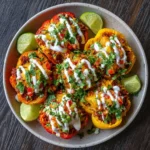
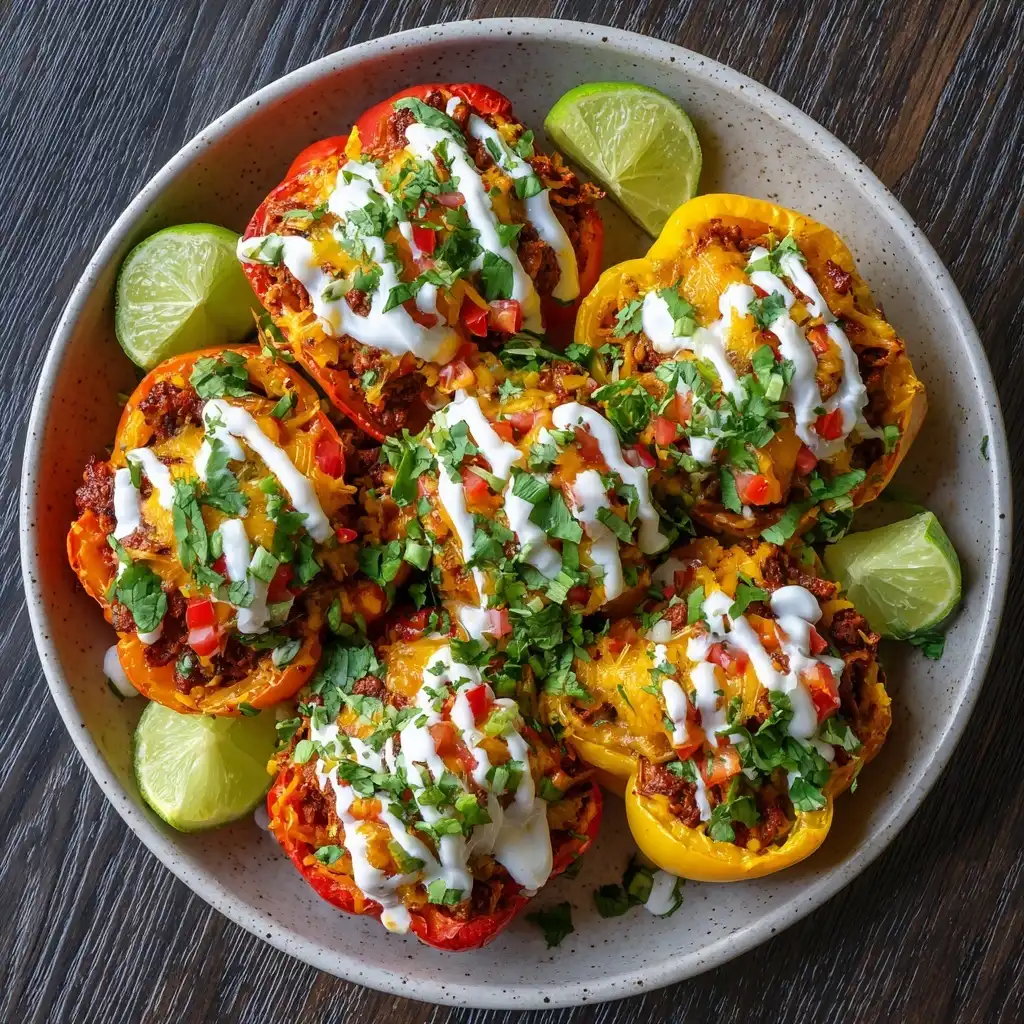
Vegetarian Taco Stuffed Bell Peppers are a vibrant, nutrient-dense, and deeply satisfying meal that seamlessly bridges the bold flavors of Mexican street food with the wholesome appeal of plant-based eating. Unlike traditional taco fillings centered around ground beef or chicken, this dish celebrates the natural sweetness and sturdy structure of bell peppers—transforming them into colorful, edible bowls brimming with seasoned black beans, aromatic spices, creamy avocado, zesty lime, and melty cheese (or dairy-free alternatives). Perfect for weeknight dinners, Meatless Mondays, potlucks, or even elegant vegetarian entertaining, these stuffed peppers deliver layers of texture and flavor in every bite: tender-crisp pepper walls, savory-spiced filling, crunchy toppings, and a subtle smoky finish. Whether you’re a committed vegetarian, flexitarian, or simply seeking a more mindful, fiber-rich, and planet-friendly alternative to meat-heavy meals, this recipe offers culinary excitement without compromise—and proves that plant-powered food can be both hearty and unforgettable.
The History
The evolution of Vegetarian Taco Stuffed Bell Peppers is a delicious example of culinary fusion, adaptation, and cultural innovation. While stuffed peppers have ancient roots—tracing back to Mediterranean, Balkan, and Middle Eastern cuisines where bell peppers, tomatoes, rice, and herbs were baked together—the taco-inspired version is a distinctly modern American creation born from the rise of Tex-Mex cuisine and the growing mainstream embrace of vegetarianism in the late 20th and early 21st centuries. Traditional Mexican chiles rellenos (stuffed poblano peppers) laid an important conceptual foundation, but the taco-stuffed variation emerged as a creative reinterpretation: swapping out battered-and-fried chiles for accessible, sweet bell peppers, and replacing cheese- or meat-based fillings with bean-and-veggie mixtures inspired by taco fillings found in taco trucks, family kitchens, and health-conscious cookbooks. The dish gained momentum alongside the popularity of “meal prep” culture, Instagram-worthy food photography (thanks to its vivid rainbow presentation), and dietary shifts toward reduced meat consumption—spurred by environmental awareness, ethical considerations, and wellness trends. Today, it’s a staple on vegetarian blogs, Whole Foods meal kits, school lunch menus, and even restaurant menus from Portland to Miami—continuing to evolve with each generation’s interpretation of what “taco” means when stripped of meat but amplified with intention, spice, and soul.
Ingredients Breakdown
Every ingredient in this recipe serves a distinct functional and sensory purpose—building depth, balancing heat, enhancing umami, adding creaminess, contributing fiber, or providing visual contrast. Let’s explore them in detail:
- Bell Peppers (4 large, multi-colored): Choose firm, glossy peppers with thick walls and flat bottoms so they stand upright during baking. Red, yellow, orange, and purple varieties offer varying levels of sweetness (red being the sweetest and most nutrient-dense due to longer ripening time) and antioxidants like lycopene and beta-carotene. Their hollow cavity acts as both vessel and vegetable—roasting softens their bitterness while concentrating natural sugars.
- Olive Oil (2 tbsp): Used for roasting the peppers and sautéing aromatics; extra-virgin olive oil contributes polyphenols and a mild fruitiness that complements cumin and lime.
- Onion (1 medium yellow or red, finely diced): Provides aromatic sweetness and foundational flavor. Yellow onions offer depth; red onions add subtle sharpness and color.
- Garlic (3–4 cloves, minced): Delivers pungent, sulfurous complexity that mellows beautifully when cooked—essential for building umami-rich layers.
- Ground Cumin (1½ tsp): Toasted cumin seeds ground fresh yield warm, earthy, slightly nutty notes—the unmistakable backbone of taco seasoning.
- Smoked Paprika (1 tsp): Adds a gentle, velvety smokiness without heat—critical for mimicking the charred depth traditionally achieved with grilled meats.
- Chili Powder (1 tsp, mild or medium): A blend typically including ancho, cayenne, oregano, and garlic powder—provides rounded heat and complexity. Opt for a high-quality, preservative-free brand.
- Dried Oregano (½ tsp, Mexican variety preferred): Earthier and more citrusy than Mediterranean oregano, it echoes traditional taco profiles.
- Black Beans (2 (15-oz) cans, rinsed and drained): Rich in protein, resistant starch, and anthocyanins (especially in black varieties); their creamy texture binds the filling while offering a meaty mouthfeel.
- Pinto Beans (1 (15-oz) can, rinsed and drained): Adds body, fiber, and a buttery, earthy counterpoint to black beans—creates a more complex legume base than using just one type.
- Corn Kernels (1½ cups fresh, frozen & thawed, or roasted): Contributes natural sweetness, pops of texture, and golden color. Roasted corn adds caramelized nuance; frozen works perfectly when charred briefly in a skillet.
- Fire-Roasted Diced Tomatoes (1 (14.5-oz) can, with juices): Provides acidity, moisture, and subtle charred flavor—far superior to plain diced tomatoes for depth. The liquid helps create steam while baking, keeping the filling moist.
- Unsweetened Plant-Based Milk or Vegetable Broth (¼ cup): Adds moisture and tenderness without dairy; almond, oat, or low-sodium veggie broth work best—avoids curdling or overpowering flavor.
- Fresh Lime Juice (2 tbsp, plus zest of 1 lime): Brightens the entire dish, cuts through richness, enhances spice perception, and preserves vitamin C in peppers during baking.
- Avocado (1 large, diced or sliced): Adds luxurious creaminess, heart-healthy monounsaturated fats, and cooling contrast to warm spices.
- Sharp Cheddar or Monterey Jack Cheese (1 cup shredded): Melts beautifully and provides salty, tangy umami. For vegan versions, use aged cashew-based cheddar or smoked gouda-style shreds with nutritional yeast.
- Optional Toppings: Fresh cilantro leaves (for herbal brightness), pickled red onions (for acidity and crunch), crumbled cotija or feta (salty tang), jalapeño slices (for heat), vegan sour cream or cashew crema (for cool richness), toasted pepitas (nutty crunch and magnesium), and radish matchsticks (peppery freshness).
Step-by-Step Recipe
- Preheat & Prep Peppers: Position oven rack in the center and preheat to 375°F (190°C). Wash and dry 4 large bell peppers. Carefully slice off the tops (about ½ inch down from stem) and remove all seeds and white membranes—use a small spoon or paring knife for precision. Reserve tops for garnish or discard. Lightly rub the outside of each pepper with 1 tsp olive oil and place upright in a lightly greased 9×13-inch baking dish. Bake uncovered for 20 minutes to soften slightly and enhance sweetness—this step prevents sogginess and ensures even cooking later.
- Sauté Aromatics & Toast Spices: While peppers bake, heat remaining 1 tbsp olive oil in a large nonstick skillet over medium heat. Add diced onion and sauté 4–5 minutes until translucent and fragrant. Stir in minced garlic and cook 60 seconds until aromatic—do not brown. Immediately add cumin, smoked paprika, chili powder, and dried oregano. Stir constantly for 45–60 seconds to toast spices—this unlocks volatile oils and deepens flavor dramatically.
- Build the Filling: Reduce heat to medium-low. Add rinsed black beans, pinto beans, corn, fire-roasted tomatoes (with juices), plant milk or broth, lime juice, and lime zest. Gently mash about ¼ of the beans with a potato masher or fork to create a cohesive, slightly creamy base that helps bind everything—while preserving texture from whole beans and corn. Simmer uncovered for 8–10 minutes, stirring occasionally, until mixture thickens and most liquid is absorbed. Season generously with sea salt (start with 1 tsp) and freshly ground black pepper (½ tsp). Taste and adjust: more lime for brightness, more cumin for warmth, or a pinch of chipotle powder for smoky heat.
- Stuff & Top: Remove peppers from oven. Spoon warm filling evenly into each pepper—press gently to compact (they should be generously filled, slightly mounded). Sprinkle shredded cheese evenly over the top of each. For extra browning and texture, dot with tiny dabs of softened butter or vegan butter before baking—or drizzle lightly with olive oil.
- Final Bake: Return stuffed peppers to oven and bake uncovered for 25–30 minutes, or until peppers are tender-crisp (a knife slides in easily but still offers slight resistance) and cheese is fully melted, bubbly, and lightly golden at edges. Rotate pan halfway through for even cooking.
- Rest & Garnish: Remove from oven and let rest for 8–10 minutes—this allows internal steam to redistribute, prevents filling from spilling, and lets cheese set slightly. Just before serving, top each pepper with diced avocado, fresh cilantro, pickled onions, and any other desired garnishes. Serve warm, directly from the baking dish or plated individually.
Tips
- Selecting Peppers: Choose peppers with four distinct “bumps” at the base—they’re sweeter and less fibrous than three-bump varieties. Avoid soft spots, wrinkles, or dull skin. If using organic, scrub thoroughly with a produce brush to remove wax.
- Pre-Baking Is Non-Negotiable: Skipping the initial 20-minute roast leads to watery filling and undercooked, tough pepper walls. This step also reduces total bake time later and concentrates natural sugars.
- Bean Texture Matters: Don’t skip the light mashing step—it creates a “glue” that holds the filling together and prevents separation during baking. Over-mashing yields mush; under-mashing causes crumbling.
- Acid Balance: Lime juice is added twice—once to the filling (for cooking depth) and once fresh at the end (for vibrancy). Never substitute bottled lime juice; its harsh acidity lacks nuance and can taste metallic.
- Avoid Soggy Bottoms: Place peppers upright in a dish with at least ½ inch of space between them to allow air circulation. If your dish is too crowded, use two smaller pans or stagger placement.
- Cheese Strategy: Shred your own cheese—pre-shredded contains anti-caking agents (like cellulose) that inhibit melting and cause graininess. For vegan versions, refrigerate shreds for 15 minutes before sprinkling to improve meltability.
- Make-Ahead Magic: Prepare filling up to 3 days ahead and refrigerate in an airtight container. Assemble peppers up to 1 day ahead (unbaked), cover tightly, and refrigerate. Add 5–8 minutes to final bake time if going straight from fridge to oven.
- Freezer-Friendly: Fully baked, cooled peppers freeze exceptionally well for up to 3 months. Wrap individually in parchment + foil, then store in a freezer bag. Reheat covered at 350°F for 25 minutes, then uncover for 5 minutes to crisp.
- Don’t Rush the Rest: Cutting into peppers immediately releases steam and causes filling to slide out. Letting them rest ensures structural integrity and optimal temperature balance between hot filling and tender pepper.
- Spice Control: Chili powder varies widely in heat. Start with ½ tsp, taste the filling, then incrementally add more. For true heat lovers, stir in 1 finely minced jalapeño (seeds removed) with the onions.
Variations and Customizations
This recipe is intentionally designed as a flexible canvas—ideal for seasonal swaps, pantry improvisation, dietary needs, and personal taste preferences. Here are 12 thoughtfully tested variations:
- Quinoa-Stuffed Version: Replace half the beans with 1 cup cooked tri-color quinoa for added protein, chewy texture, and gluten-free whole-grain satisfaction. Toast quinoa in dry skillet before cooking for nuttier flavor.
- Southwest Sweet Potato: Add 1½ cups roasted, cubed sweet potato (tossed in smoked paprika and maple syrup) to the filling for natural sweetness, vibrant orange hue, and extra vitamin A.
- Mediterranean Twist: Swap black/pinto beans for chickpeas and lentils; replace cumin/smoked paprika with za’atar and lemon zest; top with kalamata olives, crumbled feta, and chopped mint.
- Breakfast-Stuffed Peppers: Use scrambled tofu or tempeh “chorizo” (seasoned with chipotle, cumin, and nutritional yeast); fold in sautéed spinach and diced potatoes; top with avocado and hot sauce.
- Umami Bomb Vegan: Boost savory depth with 1 tbsp tamari, 1 tsp white miso paste stirred into filling, and 2 tbsp finely chopped dried porcini mushrooms (rehydrated in hot water, then drained and minced).
- Thai-Inspired: Replace taco spices with red curry paste (2 tbsp), lime leaf (2 torn), and ginger (1 tbsp grated); use edamame instead of black beans; top with crushed peanuts, basil, and lime wedges.
- Kid-Friendly Mild: Omit chili powder and smoked paprika; increase cumin to 2 tsp and add 1 tsp mild tomato paste; top with mild cheddar and apple slaw (shredded green apple + Greek yogurt + dill).
- Low-Carb/Keto Adaptation: Substitute beans with riced cauliflower (squeezed dry) and crumbled tempeh or textured vegetable protein (TVP); use full-fat cheese and avocado; increase olive oil to 3 tbsp.
- Grilled Version: Skip oven roasting—char peppers directly on gas grill or grill pan over medium-high heat (5–7 min per side) until blistered and softened, then stuff and finish under broiler for 3 minutes.
- Stovetop-Only Option: Halve peppers lengthwise, remove seeds, and pan-sear cut-side down until lightly caramelized. Flip, fill, cover, and simmer gently in ¼ cup broth for 12–15 minutes until tender.
- Greek Yogurt Crema Swirl: Mix ½ cup plain Greek yogurt, 1 tbsp lime juice, 1 tsp honey or agave, and pinch of salt. Swirl into warm filling before stuffing—or dollop on top before serving.
- Fermented Flavor Boost: Stir in 2 tbsp kimchi (drained and finely chopped) or sauerkraut for probiotic tang and gut-friendly fermentation—adds surprising depth and brightness.
Health Considerations and Nutritional Value
Vegetarian Taco Stuffed Bell Peppers represent a nutritionist-approved powerhouse meal—thoughtfully engineered to deliver balanced macronutrients, diverse micronutrients, and functional phytochemicals without relying on animal protein. A single serving (1 stuffed pepper, approx. 450–520 calories depending on cheese and oil used) typically provides:
- Protein: ~18–22g from beans, cheese, and optional quinoa or tempeh—meeting 35–45% of daily needs for most adults, with all nine essential amino acids when combined properly (e.g., beans + grains).
- Dietary Fiber: 14–18g (over 50% DV)—primarily soluble (from beans) and insoluble (from peppers and corn), supporting satiety, blood sugar regulation, cholesterol reduction, and robust gut microbiome diversity.
- Vitamin C: One red bell pepper contains over 160% of the Daily Value—more than an orange—acting as a potent antioxidant, collagen synthesizer, and iron-absorption enhancer (especially important when consuming plant-based iron from beans).
- Vitamin A (as Beta-Carotene): Especially abundant in orange and red peppers; converts to retinol for eye health, immune function, and skin integrity.
- Folate (B9): Critical for DNA synthesis and repair; 1 cup black beans supplies ~70% DV—especially vital for pregnant individuals and cellular regeneration.
- Potassium & Magnesium: Naturally high in both—supports healthy blood pressure, nerve conduction, and muscle function. Corn and beans contribute significantly.
- Phytonutrients: Lycopene (red peppers), anthocyanins (purple peppers), quercetin (onions), and lignans (flaxseed optional topping) offer anti-inflammatory, neuroprotective, and anticancer properties.
- Heart-Healthy Fats: Monounsaturated fats from avocado and olive oil improve HDL cholesterol and reduce arterial inflammation—without saturated fat overload common in meat-based tacos.
Dietary Accommodations:
- Vegan: Use dairy-free cheese, omit cheese entirely (add 2 tbsp nutritional yeast + 1 tsp lemon juice for “cheesy” umami), and ensure broth is certified vegan.
- Gluten-Free: Naturally compliant—just verify spice blends and broth are GF-certified (some chili powders contain wheat fillers).
- Low-Sodium: Use no-salt-added beans and tomatoes, skip added salt, rely on herbs, citrus, and vinegar for flavor, and choose low-sodium cheese.
- Diabetic-Friendly: High fiber and low glycemic index (GI ≈ 30) make this ideal for blood sugar control—beans digest slowly, preventing spikes. Pair with side salad for added volume.
- Allergen Notes: Naturally nut-free and soy-free (unless using tofu/tempeh); for soy allergies, avoid edamame or tempeh variations and confirm broth is soy-free.
Considerations for Specific Populations:
- Pregnancy/Nursing: Excellent source of folate, iron (enhanced by vitamin C from peppers/lime), calcium (if fortified cheese or greens added), and hydration (peppers are ~92% water).
- Seniors: Soft texture supports chewing ease; high potassium counters age-related sodium retention; lutein/zeaxanthin in peppers protect macular health.
- Post-Workout Recovery: Balanced carb-to-protein ratio (~3:1) replenishes glycogen and repairs muscle tissue—especially with added quinoa or lentils.
Ingredients
- 4 large bell peppers (mixed colors preferred—red, yellow, orange, purple)
- 2 tablespoons extra-virgin olive oil, divided
- 1 medium yellow or red onion, finely diced
- 3–4 garlic cloves, minced
- 1½ teaspoons ground cumin
- 1 teaspoon smoked paprika
- 1 teaspoon chili powder (mild or medium, to taste)
- ½ teaspoon dried Mexican oregano
- 2 (15-ounce) cans black beans, rinsed and drained
- 1 (15-ounce) can pinto beans, rinsed and drained
- 1½ cups corn kernels (fresh, frozen & thawed, or roasted)
- 1 (14.5-ounce) can fire-roasted diced tomatoes, with juices
- ¼ cup unsweetened plant-based milk (almond, oat, or soy) or low-sodium vegetable broth
- 2 tablespoons fresh lime juice (plus zest of 1 lime)
- 1 teaspoon sea salt (or to taste)
- ½ teaspoon freshly ground black pepper
- 1 cup shredded sharp cheddar or Monterey Jack cheese (or vegan alternative)
- 1 large ripe avocado, diced or sliced
- Fresh cilantro leaves, for garnish
- Pickled red onions, crumbled cotija, jalapeño slices, toasted pepitas, or vegan sour cream—for optional toppings
Directions
- Preheat oven to 375°F (190°C). Lightly grease a 9×13-inch baking dish.
- Prepare bell peppers: Slice off tops (reserve for garnish if desired), remove seeds and white membranes completely. Rub outsides lightly with 1 teaspoon olive oil. Place upright in prepared baking dish. Bake uncovered for 20 minutes.
- While peppers bake, heat remaining 1 tablespoon olive oil in a large skillet over medium heat. Add onion and sauté 4–5 minutes until soft and translucent. Stir in garlic and cook 60 seconds until fragrant.
- Add cumin, smoked paprika, chili powder, and oregano. Stir constantly for 45–60 seconds to toast spices and release aroma.
- Reduce heat to medium-low. Add black beans, pinto beans, corn, fire-roasted tomatoes (with juices), plant milk or broth, lime juice, and lime zest. Using a potato masher or fork, gently mash about ¼ of the beans to help bind the mixture. Stir well.
- Simmer uncovered for 8–10 minutes, stirring occasionally, until thickened and most liquid is absorbed. Season with salt and pepper. Taste and adjust seasoning—add more lime for brightness or cumin for earthiness.
- Remove peppers from oven. Carefully spoon warm filling into each pepper, pressing gently to compact. Top evenly with shredded cheese.
- Return to oven and bake uncovered for 25–30 minutes, until peppers are tender-crisp and cheese is melted and golden at edges.
- Let rest for 8–10 minutes before serving. Garnish generously with diced avocado, fresh cilantro, and any additional toppings of choice.
- Serve warm, directly from the baking dish or plated individually with a side of lime wedges and extra toppings on the side.
FAQ
- Can I make these ahead of time?
- Absolutely! The filling can be made up to 3 days in advance and refrigerated. Assembled (but unbaked) peppers keep for up to 24 hours covered tightly in the fridge. Add 5–8 minutes to the final bake time if starting cold. Fully baked peppers freeze beautifully for up to 3 months—wrap individually and reheat covered at 350°F for 25 minutes, then uncover for 5 minutes.
- Why do I need to pre-bake the peppers?
- Pre-baking softens the tough cell walls of raw peppers, concentrates their natural sugars, prevents sogginess during the final bake, and ensures even cooking throughout. Skipping this step often results in undercooked, bitter, or waterlogged peppers—and a loose, separated filling.
- Can I use different beans?
- Yes—but with intention. Kidney beans add heft and iron; navy beans lend creaminess; lentils (brown or green, pre-cooked) add earthy depth. Avoid lima or fava beans unless pureed—they can turn mealy. Always rinse canned beans thoroughly to remove excess sodium and oligosaccharides (which cause bloating).
- How do I prevent the filling from becoming mushy?
- Two keys: (1) Mash only ~25% of the beans—not all—to create binding without sacrificing texture; (2) Simmer the filling long enough to evaporate excess liquid before stuffing. If using fresh tomatoes instead of canned, reduce simmer time by 2–3 minutes and add 1 tsp tomato paste for thickness.
- What’s the best cheese substitute for vegans?
- Look for brands that melt well—such as Daiya Cutting Board Collection, Violife Smoked Provolone, or homemade cashew-based cheddar (soaked cashews + nutritional yeast + lemon + tapioca starch). Avoid “shreds” labeled “for salads”—they’re formulated not to melt.
- Are bell peppers safe to eat raw? Why bake them?
- Yes, raw bell peppers are highly nutritious—but baking transforms them: heat breaks down cellulose for easier digestion, increases bioavailability of antioxidants like lycopene and carotenoids, and develops deeper, caramelized flavor. Baking also makes them more satiating and kid-friendly.
- Can I cook these on the stovetop only?
- Yes! Halve peppers lengthwise, remove seeds, and sear cut-side down in olive oil until blistered (3–4 min). Flip, fill, add ¼ cup broth to pan, cover tightly, and simmer on low for 12–15 minutes until tender. Finish under broiler 2 minutes for cheese melt.
- My filling tastes bland—what went wrong?
- Blandness usually stems from under-toasted spices, insufficient acid (lime), or undersalted filling. Always toast spices in oil first. Taste filling before stuffing—and remember: flavors mute slightly during baking, so season assertively. A final squeeze of lime and flaky salt just before serving revives brightness instantly.
- How do I store leftovers?
- Cool completely, then store stuffed peppers in an airtight container in the refrigerator for up to 4 days. Reheat gently in a 325°F oven (covered) for 15 minutes or in the microwave at 50% power in 60-second intervals to preserve texture. Avoid freezing topped