Introduction
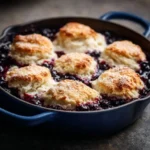
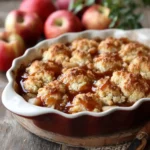
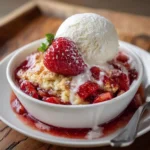
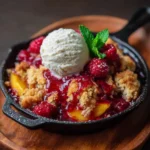
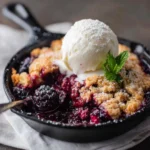
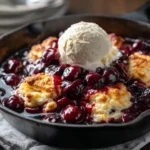
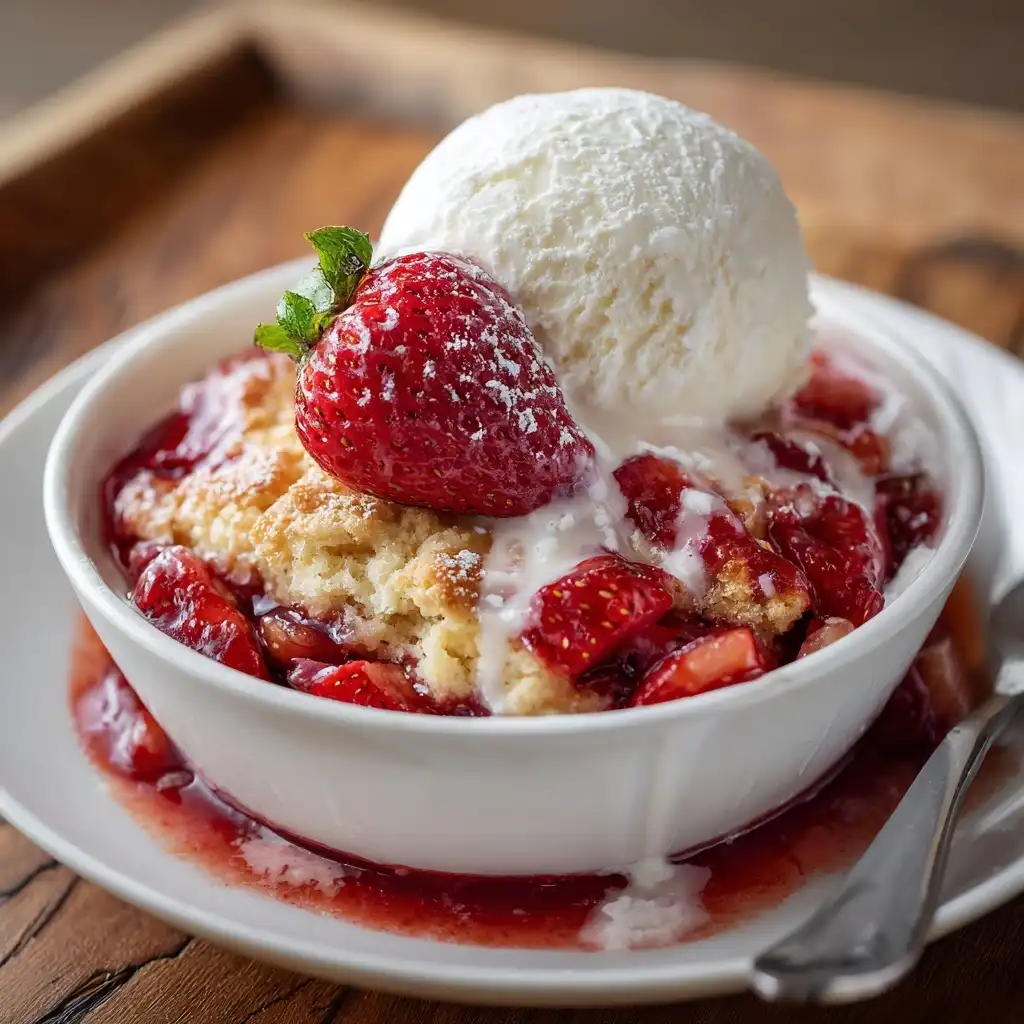
White Chocolate Strawberry Cobbler is a luscious, decadent twist on the classic American cobbler—elevating humble summer strawberries with the creamy richness of white chocolate and the comforting warmth of a buttery, biscuit-like topping. Unlike traditional cobblers that rely solely on fruit and a simple dumpling or biscuit crust, this version introduces a layer of velvety white chocolate that melts into the bubbling strawberry filling, creating a luxuriously smooth, slightly caramelized sauce that coats every tender bite. It’s dessert elegance meets rustic homestyle charm—perfect for garden parties, holiday gatherings, or simply treating yourself on a quiet Sunday afternoon. With its rosy hue, aromatic vanilla-kissed fragrance, and contrasting textures—juicy berries, molten white chocolate ribbons, and golden-browned, tender-crisp topping—it’s as visually captivating as it is deeply satisfying.
The History
While cobblers trace their roots to 18th-century England and colonial America—where settlers adapted pie-making techniques using available ingredients like biscuit dough dropped over stewed fruit—the white chocolate strawberry variation is a distinctly modern innovation. White chocolate itself wasn’t commercially produced until the 1930s (Nestlé introduced it in 1930 as “Gala White”), and even then, it was met with skepticism due to its lack of cocoa solids. It wasn’t until the 1980s and ’90s—during the gourmet baking renaissance—that pastry chefs and home cooks began experimenting with white chocolate beyond truffles and mousses. Its natural affinity for berries—especially strawberries, whose bright acidity balances white chocolate’s inherent sweetness and milky richness—made it an ideal candidate for fruit desserts. By the early 2000s, food magazines like Bon Appétit and blogs such as Smitten Kitchen and Joy the Baker began publishing white chocolate–infused berry cobblers, cementing its place in contemporary dessert canon. This cobbler represents a delicious fusion of tradition and innovation: honoring the cobbler’s egalitarian spirit—accessible, forgiving, and adaptable—while embracing ingredient-driven sophistication.
Ingredients Breakdown
Every element of this White Chocolate Strawberry Cobbler serves a precise purpose—balancing flavor, texture, moisture, and structure. Here’s why each ingredient matters:
- Fresh Strawberries: The star of the show—ideally ripe, fragrant, and in season (late spring to early summer). Their natural pectin helps thicken the filling, while their acidity cuts through the sweetness of white chocolate and sugar. Frozen strawberries may be used in a pinch, but they release more water and dull the vibrant flavor; if using frozen, thaw completely and drain well, then increase cornstarch by ½ tsp.
- Granulated Sugar: Not just for sweetness—it enhances strawberry aroma, draws out juices for syrup formation, and aids in caramelization during baking. A portion is reserved for the topping to encourage browning and delicate crunch.
- Cornstarch: The essential thickener. Too little = runny, soupy cobbler; too much = gummy, chalky texture. Arrowroot or tapioca starch can substitute 1:1, yielding a glossier, more transparent gel.
- Lemon Juice & Zest: Brightens the entire dessert, preventing cloying sweetness and amplifying strawberry’s floral notes. The zest adds aromatic oils that survive baking—non-negotiable for depth.
- High-Quality White Chocolate: Must contain cocoa butter, milk solids, sugar, and vanilla—not “white baking chips” or “candy coating,” which contain vegetable fats and won’t melt smoothly or taste authentic. Look for brands like Valrhona Ivoire, Callebaut Opalys, or Guittard Classic White. Chopped (not grated) ensures even melting without scorching.
- All-Purpose Flour: Provides structure to the biscuit topping. For tenderness, some recipes use a blend with cake flour (¼ cup cake flour + ¾ cup AP), but all-purpose delivers reliable lift and chew.
- Baking Powder & Baking Soda: Dual leaveners—baking powder provides primary lift, while baking soda (activated by buttermilk’s acidity) enhances browning and tenderness. Omitting either results in a dense, flat topping.
- Buttermilk: Adds tang, moisture, and tenderness. Its acidity reacts with baking soda, and its fat content yields a rich, soft crumb. Whole-milk plain yogurt thinned with 1 tsp milk per ½ cup makes an excellent substitute.
- Unsalted Butter: Cold, cubed butter creates steam pockets as it melts—key for flaky, layered texture in the topping. Salted butter can be used, but reduce added salt accordingly.
- Vanilla Extract: Pure Madagascar bourbon vanilla adds warm, floral complexity that harmonizes with both strawberry and white chocolate. Avoid imitation—its harsh, alcoholic notes clash.
- Coarse Sugar (Turbinado or Demerara): Sprinkled atop before baking, it adds subtle molasses notes, sparkle, and a delightful textural contrast to the tender topping.
Step-by-Step Recipe
Makes one 9×13-inch cobbler (serves 10–12)
- Prep the Fruit Filling: In a large bowl, combine 2 lbs (about 6 cups) hulled and quartered fresh strawberries, ¾ cup granulated sugar, 3 tbsp cornstarch, 1 tbsp fresh lemon juice, 1 tsp finely grated lemon zest, and ¼ tsp fine sea salt. Gently toss with a silicone spatula until evenly coated—avoid crushing berries. Let macerate at room temperature for 20–30 minutes while you prepare the topping; this draws out juices and begins the thickening process.
- Preheat & Prep Pan: Position oven rack in the lower third. Preheat oven to 375°F (190°C). Lightly butter a 9×13-inch ceramic or metal baking dish (or line with parchment for easy removal).
- Make the Topping Batter: In a medium bowl, whisk together 2 cups all-purpose flour, ¼ cup granulated sugar, 2 tsp baking powder, ½ tsp baking soda, and ½ tsp salt. Add ½ cup (1 stick) cold unsalted butter, cut into ½-inch cubes. Using a pastry cutter or two forks, cut butter into flour mixture until it resembles coarse crumbs with some pea-sized pieces remaining. Stir in 1 tsp pure vanilla extract. Gradually add ¾ cup cold buttermilk, stirring with a fork just until a shaggy dough forms—do not overmix. Dough should hold together when pinched but still be slightly sticky. If too dry, add 1 tsp buttermilk; if too wet, sprinkle in 1 tsp flour.
- Assemble the Cobbler: Pour the macerated strawberry mixture—including all accumulated juices—into the prepared baking dish. Spread evenly. Scatter 6 oz (170g) high-quality white chocolate, coarsely chopped (¼-inch pieces), evenly over the berries—do not stir in. Gently drop heaping ¼-cup portions of the biscuit dough over the top, spacing them evenly to cover most of the surface. Don’t worry about gaps—they’ll spread during baking.
- Finish & Bake: Sprinkle the entire surface with 2 tbsp coarse turbinado sugar. Place dish on a parchment-lined baking sheet (to catch any potential bubbling overflow). Bake for 45–55 minutes, rotating halfway through, until the topping is deep golden brown, puffed, and firm to the touch, and the filling is thick, glossy, and vigorously bubbling around the edges. A toothpick inserted into the center of a biscuit mound should emerge clean or with moist crumbs (not wet batter). If topping browns too quickly, tent loosely with foil after 30 minutes.
- Cool & Set: Remove from oven and let rest undisturbed on a wire rack for at least 45 minutes—this allows the filling to fully thicken and the white chocolate to emulsify into the syrup. Cutting too soon yields a soupy, separated dessert. For optimal texture, cool 1 hour for warm serving or chill overnight for a firmer, sliceable version.
Tips
- Strawberry Selection is Key: Seek berries that are uniformly deep red, fragrant at the stem end, and plump—not shiny or rubbery. Overripe berries break down too much; underripe ones lack sweetness and aroma. Taste one before buying—if it’s bland raw, it’ll be bland baked.
- Chop Chocolate Just Before Using: White chocolate softens quickly at room temperature. Chop it while cool (even refrigerate 10 minutes first) for clean, uniform pieces that distribute evenly and melt gradually—not all at once.
- Don’t Skip the Maceration: This isn’t optional downtime—it’s critical for flavor development and proper thickening. The sugar pulls liquid from berries, dissolving cornstarch and activating its thickening power before heat is applied.
- Keep Ingredients Cold: For the biscuit topping, cold butter and cold buttermilk are non-negotiable. Warm butter melts prematurely, creating greasy, dense biscuits instead of tender, flaky ones. Chill your mixing bowl and utensils for 10 minutes beforehand if your kitchen is hot.
- Resist the Urge to Stir: After adding chocolate and dropping dough, do not stir, press, or rearrange. Let the layers remain distinct—the magic happens as heat transforms them individually, then unites them in the oven.
- Use an Oven Thermometer: Many ovens run hot or cold. An inaccurate temperature leads to burnt topping and undercooked filling—or vice versa. A $10 oven thermometer pays for itself in perfect cobblers.
- Check Doneness Correctly: Don’t judge by color alone. The filling must bubble *vigorously* at the edges—gentle simmering means it’s not thickened enough. Insert a thin knife into the center of the fruit layer (between biscuits); it should meet slight resistance and come out coated in thick, translucent syrup—not watery or cloudy.
- Resting Time is Baking Time’s Equal: That 45+ minute rest isn’t waiting—it’s active setting. Pectin and cornstarch continue to bond, white chocolate cools and stabilizes into the syrup, and steam escapes, preventing sogginess. Rushing this step sacrifices texture and integrity.
Variations and Customizations
This recipe is gloriously adaptable—whether accommodating dietary needs, seasonal produce, or personal whims. Here are inspired, tested variations:
- Strawberry-Rhubarb Swirl: Replace 2 cups of strawberries with 2 cups diced, peeled rhubarb (tartness balances white chocolate beautifully). Increase sugar to 1 cup and add ¼ tsp ground ginger for warmth. Proceed as directed.
- White Chocolate–Balsamic Reduction Drizzle: Simmer ½ cup good-quality balsamic vinegar with 2 tbsp brown sugar until reduced by half and syrupy (about 8 mins). Cool completely. Drizzle over individual servings for sophisticated acidity and shine.
- Oat-Infused Topping: Replace ¼ cup flour with ¼ cup old-fashioned rolled oats (not instant) in the biscuit batter. Adds nutty depth and chew. Toast oats lightly first for enhanced flavor.
- Gluten-Free Version: Substitute a 1:1 gluten-free flour blend (like King Arthur or Bob’s Red Mill) for all-purpose flour. Add ½ tsp xanthan gum if blend doesn’t include it. Ensure cornstarch is certified GF. Texture will be slightly denser but equally delicious.
- Vegan Adaptation: Use dairy-free white chocolate (look for coconut oil-based, like Pascha or Enjoy Life), vegan butter (Miyoko’s or Earth Balance), and plant-based buttermilk (1 cup unsweetened almond milk + 1 tbsp apple cider vinegar, rested 5 mins). Increase cornstarch to 3½ tbsp for extra thickening.
- Mini Individual Cobblers: Divide filling and topping among 6–8 greased 6-oz ramekins. Bake at 375°F for 32–38 minutes until golden and bubbling. Perfect for portion control and presentation.
- Herb-Enhanced: Stir 1 tbsp finely chopped fresh basil or mint into the macerated berries before assembling. Adds an unexpected, refreshing dimension that lifts the richness.
- Spiced White Chocolate: Melt 2 oz white chocolate with ¼ tsp ground cardamom or pink peppercorns; stir into remaining chopped chocolate before scattering. Delicate spice echoes strawberry’s floral notes.
- Brunch Cobbler: Add 2 beaten eggs and 2 tbsp maple syrup to the biscuit batter for a custard-softened, cake-like topping. Reduce baking time by 5 minutes.
Health Considerations and Nutritional Value
While White Chocolate Strawberry Cobbler is undeniably indulgent, mindful preparation can enhance its nutritional profile without sacrificing pleasure. Per standard serving (1/12 of recipe, approx. 1 cup), estimates are:
- Calories: ~320–360 kcal (varies with white chocolate brand and butter amount)
- Total Fat: 14–17g (mostly unsaturated from butter and cocoa butter; saturated fat ~8–10g)
- Carbohydrates: 48–52g (naturally occurring sugars from fruit + added sugars)
- Dietary Fiber: ~3g (from strawberries—excellent source of vitamin C, folate, potassium, and antioxidants like ellagic acid and anthocyanins)
- Protein: ~3–4g
Key Health Notes:
- Strawberries Are Powerhouses: One cup provides over 100% of the Daily Value for vitamin C, plus manganese, folate, and polyphenols linked to reduced inflammation and improved heart health. Their low glycemic index means slower sugar absorption—especially when paired with fat and fiber from the topping.
- White Chocolate Nuances: While higher in sugar and saturated fat than dark chocolate, quality white chocolate contains cocoa butter—a source of stearic acid, a saturated fat shown in studies to have a neutral effect on LDL cholesterol. It also provides small amounts of calcium and phosphorus from milk solids.
- Smart Swaps for Wellness: Reduce granulated sugar in filling by ¼ cup (relying on berries’ natural sweetness); use 70% of the butter in the topping and replace remainder with unsweetened applesauce for moisture; opt for whole-grain pastry flour (replace ½ cup AP with whole wheat pastry flour) for added fiber and B vitamins.
- Portion Mindfulness: Serve modestly (⅔ cup) alongside protein-rich accompaniments—Greek yogurt, cottage cheese, or a dollop of crème fraîche—to slow digestion and increase satiety. Avoid pairing with sugary beverages.
- Not for All Diets: Contains gluten, dairy, and eggs. Those with lactose intolerance may tolerate small amounts due to fermentation in buttermilk and low lactose in aged white chocolate—but individual tolerance varies. Always check labels for allergen statements.
Ingredients
For the Strawberry Filling:
- 2 pounds (about 6 cups) fresh strawberries, hulled and quartered (or halved if small)
- ¾ cup granulated sugar
- 3 tablespoons cornstarch
- 1 tablespoon fresh lemon juice (about ½ lemon)
- 1 teaspoon finely grated lemon zest
- ¼ teaspoon fine sea salt
- 6 ounces (170g) high-quality white chocolate, coarsely chopped (¼-inch pieces)
For the Biscuit Topping:
- 2 cups (250g) all-purpose flour
- ¼ cup (50g) granulated sugar
- 2 teaspoons baking powder
- ½ teaspoon baking soda
- ½ teaspoon fine sea salt
- ½ cup (1 stick / 113g) cold unsalted butter, cut into ½-inch cubes
- 1 teaspoon pure vanilla extract
- ¾ cup (180ml) cold buttermilk
For Finishing:
- 2 tablespoons turbinado or demerara sugar
Directions
- Preheat oven to 375°F (190°C). Lightly butter a 9×13-inch baking dish and set aside. Place a large rimmed baking sheet on the lower oven rack to catch drips.
- In a large bowl, gently combine strawberries, ¾ cup granulated sugar, cornstarch, lemon juice, lemon zest, and ¼ tsp salt. Toss until evenly coated. Let stand at room temperature for 25 minutes, stirring once halfway through.
- While fruit macerates, make the topping: In a medium bowl, whisk together flour, ¼ cup sugar, baking powder, baking soda, and ½ tsp salt. Add cold butter cubes. Using a pastry cutter or two forks, cut butter into dry ingredients until mixture resembles coarse crumbs with some pea-sized butter pieces remaining. Stir in vanilla extract. Gradually add cold buttermilk, 2 tablespoons at a time, stirring with a fork just until dough comes together in shaggy clumps. Do not overmix; dough should be slightly sticky but hold together when pinched. If too dry, add 1 more teaspoon buttermilk; if too wet, sprinkle in 1 teaspoon flour.
- Pour the macerated strawberry mixture—including all juices—into the prepared baking dish. Spread evenly. Scatter the chopped white chocolate evenly over the top. Drop 12 generous ¼-cup portions of biscuit dough over the fruit, spacing them evenly to cover most of the surface (they’ll expand while baking).
- Sprinkle the entire surface evenly with turbinado sugar. Place the dish on the preheated baking sheet.
- Bake for 45–55 minutes, rotating pan halfway through, until the biscuit topping is deeply golden brown, puffed, and firm to the touch, and the filling is thick, glossy, and bubbling vigorously around the edges. A toothpick inserted into the center of a biscuit should emerge clean or with moist crumbs (not wet batter). If topping browns too quickly, tent loosely with aluminum foil after 30 minutes.
- Remove from oven and place on a wire rack. Let cool undisturbed for at least 45 minutes—this is essential for the filling to set and the white chocolate to fully integrate into the syrup. For best texture and clean slices, cool for 1 hour before serving warm, or refrigerate uncovered for up to 2 days.
- Serve warm or at room temperature, optionally with vanilla ice cream, whipped cream, or crème fraîche. Leftovers keep refrigerated for up to 4 days; reheat gently in a 325°F oven for 15–20 minutes or in the microwave at 50% power in 30-second intervals.
FAQ
- Can I use frozen strawberries?
- Yes, but with caveats: Thaw completely in a colander, then press gently to remove *all* excess liquid (you’ll lose about ¼ cup juice). Increase cornstarch to 3½ tbsp and add ½ tsp lemon juice to compensate for diminished brightness. Expect slightly softer texture and muted flavor versus peak-season fresh.
- Why does my cobbler turn out runny?
- Most commonly: insufficient resting time (it *must* cool 45+ mins), under-baking (filling must bubble vigorously at edges), or using underripe strawberries (low pectin). Also check cornstarch freshness—old starch loses thickening power. If using honey or maple syrup in place of sugar, increase cornstarch by 1 tsp, as liquid sweeteners inhibit thickening.
- Can I make the topping ahead of time?
- Absolutely. Prepare the biscuit dough, shape into a disc, wrap tightly in plastic, and refrigerate for up to 24 hours. Let sit at room temperature for 10 minutes before dropping onto fruit to soften slightly for easier handling.
- What if I don’t have buttermilk?
- Make a substitute: Add 1 tablespoon white vinegar or lemon juice to 1 scant cup (235ml) of whole milk. Stir and let sit 5 minutes until slightly curdled. Do not use low-fat or skim milk—they yield tough, dry biscuits.
- Can I freeze this cobbler?
- Yes—best frozen *unbaked*. Assemble completely (fruit, chocolate, dough drops), cover tightly with plastic then foil, and freeze for up to 3 months. Bake from frozen: add 15–20 minutes to bake time, tenting with foil if topping browns too fast. Do not thaw first.
- Why does my white chocolate seize or become grainy?
- Seizing occurs when moisture contacts melted chocolate—so avoid stirring the chocolate into the raw fruit. Our method (scattering chopped pieces *over* the fruit) lets residual heat melt it gradually and evenly. Also ensure chocolate is high-quality and chopped—not grated—which prevents overheating.
- Can I add other berries?
- Yes! Blackberries or raspberries add tannic depth; blueberries contribute earthiness. Replace up to 2 cups of strawberries with another berry. Increase lemon juice to 1½ tbsp and reduce sugar by 1–2 tbsp if using very tart berries.
- Is there a lower-sugar option?
- Reduce filling sugar to ½ cup and add 1 tsp monk fruit or erythritol blend for bulk. Increase cornstarch to 3½ tbsp. Note: Sugar aids in thickening and flavor development—too little may yield a less vibrant, thinner filling. Taste berries first; ultra-sweet varieties need less added sugar.
- How do I prevent soggy bottoms?
- Ensure your baking dish is properly buttered or lined. Let fruit macerate fully so cornstarch activates *before* baking. Most importantly—don’t skip the wire rack cooling step. Trapped steam = soggy base. Also, avoid covering while warm; condensation ruins texture.
- What’s the best way to store leftovers?
- Cover tightly with plastic wrap or transfer to an airtight container. Refrigerate for up to 4 days. Reheat in a 325°F oven (covered with foil for first 10 mins, then uncovered) for 15–20 minutes, or microwave individual portions at 50% power for 45–60 seconds. Never store at room temperature beyond 2 hours.
Summary
White Chocolate Strawberry Cobbler is a masterclass in balanced indulgence—where sun-ripened strawberries’ vibrant tartness meets the creamy, caramelized luxury of premium white chocolate, all crowned with a golden, tender-crisp buttermilk biscuit topping. It’s a dessert steeped in tradition yet elevated by thoughtful technique, seasonal reverence, and joyful customization.
Whether served warm with a scoop of bourbon-vanilla ice cream or chilled for a refined, sliceable treat, this cobbler delivers nostalgia, sophistication, and pure, unadulterated comfort in every spoonful—proving that the simplest ingredients, treated with care and curiosity, can create something truly extraordinary.