Introduction
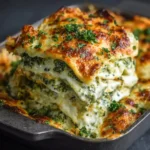
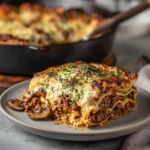
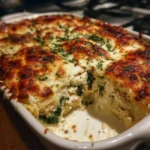
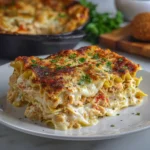
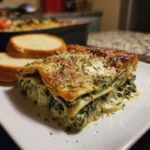
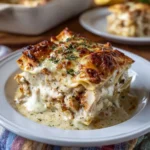
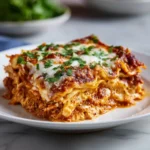
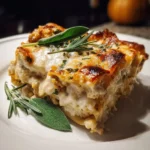
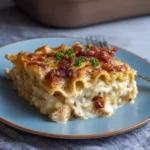
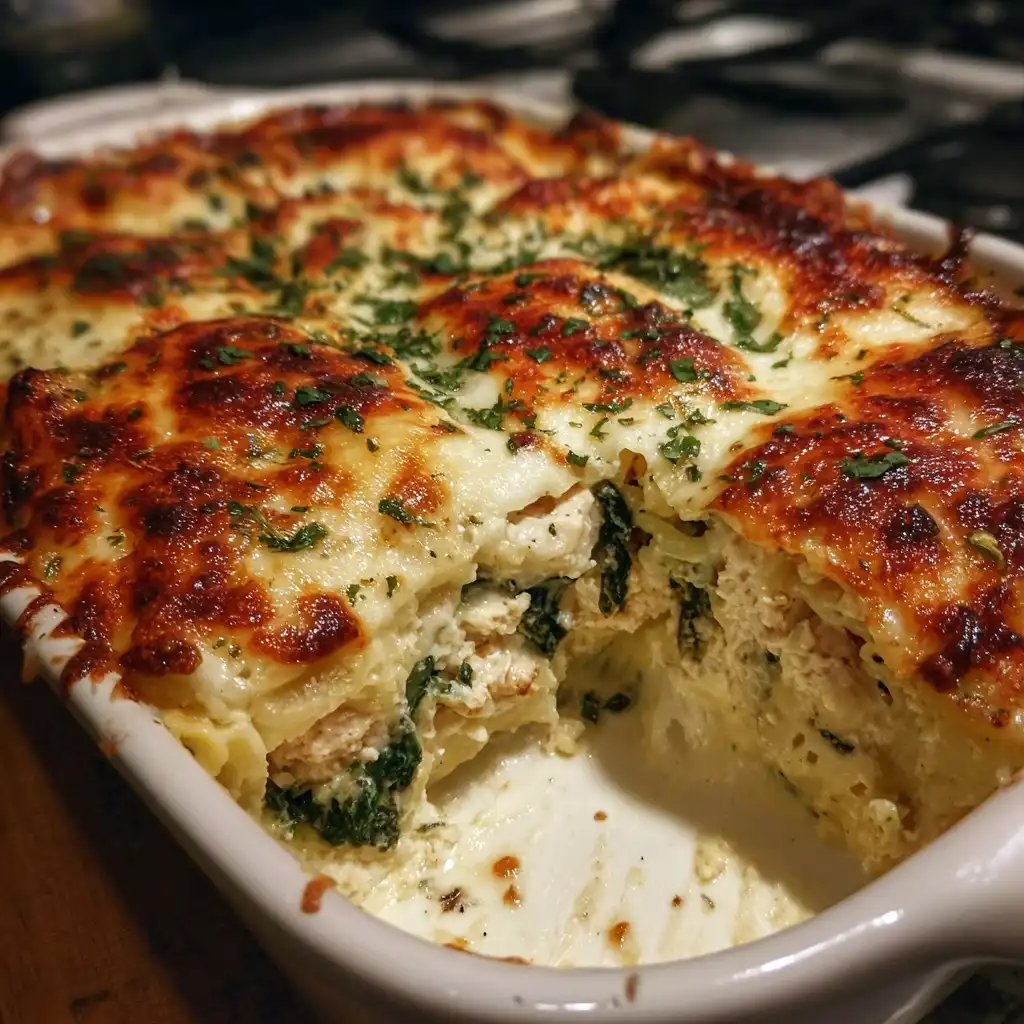
White Turkey Lasagna with Spinach is a rich, creamy, and deeply satisfying twist on the classic Italian-American favorite—reimagined with lean ground turkey, vibrant fresh spinach, and a luscious white sauce that elevates every layer. Unlike traditional red-sauce lasagnas, this version embraces the elegance and comforting warmth of a béchamel-based foundation, enhanced with aromatic herbs, roasted garlic, and just enough Parmesan to deliver savory depth without heaviness. It’s a dish that bridges wholesome nutrition and restaurant-quality indulgence—perfect for weeknight family dinners, holiday gatherings, or meal-prep success. Whether you’re seeking a lighter alternative to meat-heavy pasta bakes or simply craving something flavorful, nourishing, and visually stunning in its golden, bubbling glory, this White Turkey Lasagna with Spinach delivers on every front.
The History
Lasagna’s roots trace back centuries—to ancient Greece, where layered flatbreads were baked with cheese and spices—and later evolved through medieval Italy into the sheet-pasta-and-sauce casserole we recognize today. The iconic “red” version, featuring tomato sauce and ricotta, rose to prominence in the U.S. during the mid-20th century, fueled by post-war Italian immigration and mass-produced pasta. In contrast, white lasagna—or *lasagna bianca*—has deep ties to northern Italian regions like Emilia-Romagna and Lombardy, where dairy-rich soils supported abundant butter, cream, and aged cheeses. There, béchamel (or *balsamella*) was traditionally used not only as a binder but as a luxurious counterpoint to earthy fillings like mushrooms, prosciutto, or spinach. The modern fusion of ground turkey—popularized in American kitchens starting in the 1980s as a leaner protein alternative—and nutrient-dense spinach reflects evolving dietary awareness and culinary innovation. This recipe honors that heritage while adapting thoughtfully: swapping pork or beef for responsibly raised turkey, enriching the sauce with Greek yogurt for tang and protein, and folding in organic baby spinach at peak freshness to preserve color, texture, and micronutrients. It’s not just a recipe—it’s a narrative of tradition meeting intentionality.
Ingredients Breakdown
Every element in this White Turkey Lasagna with Spinach has been selected for purpose, balance, and synergy:
- Ground Turkey (93% lean): Provides tender, mild-flavored protein without excess grease. Opt for pasture-raised or organic turkey for superior taste and ethical sourcing.
- Fresh Baby Spinach: Adds vibrant color, iron, folate, and fiber. Its delicate leaves wilt seamlessly into the filling without bitterness—no need to pre-cook or squeeze dry (unlike frozen spinach), preserving nutrients and moisture.
- Garlic & Onion: Sautéed until golden, they form the aromatic base—sweet, fragrant, and foundational. Roasted garlic can be substituted for deeper umami notes.
- Whole-Milk Ricotta: Creamy, slightly sweet, and high in calcium and whey protein. Full-fat ricotta ensures richness and prevents graininess; low-fat versions tend to separate or curdle under heat.
- Grated Parmigiano-Reggiano: Aged for minimum 24 months, it delivers salty, nutty complexity and helps bind layers. Avoid pre-grated “shelf-stable” versions—they contain anti-caking agents that mute flavor and hinder meltability.
- Mozzarella (low-moisture, whole-milk): Melts evenly, creates stretch, and adds milky sweetness. Fresh mozzarella balls are too wet and may make the lasagna soggy.
- Homemade Béchamel Sauce: Made from scratch with butter, flour, warm whole milk, and a bay leaf-infused simmer—this isn’t just “white sauce.” It’s velvety, subtly spiced, and thick enough to cradle each noodle without sliding or pooling.
- No-Boil Lasagna Noodles: Engineered to absorb liquid and soften perfectly during baking. They eliminate prep time and reduce risk of mushiness—especially critical when balancing moisture from spinach and ricotta.
- Fresh Herbs (basil, parsley, nutmeg): Basil lends summery brightness, flat-leaf parsley adds clean herbal lift, and a whisper of freshly grated nutmeg—a classic béchamel secret—enhances warmth and depth without detectable spice.
- Sea Salt & Black Pepper: Used judiciously at every stage—not just at the end—to build dimension and highlight natural flavors.
Step-by-Step Recipe
- Preheat & Prep: Position oven rack to center position and preheat to 375°F (190°C). Lightly grease a 9×13-inch glass or ceramic baking dish with olive oil or softened butter. Set aside.
- Sauté Aromatics: In a large nonstick skillet over medium heat, warm 1 tbsp olive oil. Add 1 finely diced yellow onion and 3 minced garlic cloves. Sauté 5–6 minutes until translucent and fragrant—do not brown. Stir in ½ tsp crushed red pepper flakes (optional, for subtle heat) and cook 30 seconds more.
- Cook Turkey: Add 1 lb ground turkey. Break apart with a wooden spoon and cook until no pink remains (~7–9 minutes), stirring frequently to avoid clumping. Drain excess fat if needed (though lean turkey yields minimal residue). Season with 1 tsp dried oregano, ½ tsp smoked paprika, 1 tsp kosher salt, and ½ tsp black pepper.
- Incorporate Spinach: Reduce heat to low. Stir in 10 oz fresh baby spinach, handful by handful, allowing each addition to wilt before adding more (~3–4 minutes total). Once fully wilted and vibrant green, remove from heat and let cool slightly (5 minutes).
- Prepare Ricotta Mixture: In a large bowl, combine 2 cups whole-milk ricotta, 1 cup grated Parmigiano-Reggiano, ½ cup chopped fresh basil, ¼ cup chopped flat-leaf parsley, ¼ tsp freshly grated nutmeg, 1 tsp lemon zest, ½ tsp salt, and ¼ tsp white pepper. Fold gently with a spatula until uniform. Stir in cooled turkey-spinach mixture until evenly distributed—do not overmix.
- Make Béchamel: In a heavy-bottomed saucepan, melt 4 tbsp unsalted butter over medium-low heat. Whisk in ¼ cup all-purpose flour and cook 2 minutes until golden and nutty (do not brown). Gradually whisk in 3 cups warmed whole milk (heated in microwave 1 min), 1 bay leaf, and a pinch of grated nutmeg. Bring to gentle simmer, whisking constantly. Cook 5–7 minutes until thickened enough to coat the back of a spoon. Remove bay leaf. Season with ¾ tsp salt, ¼ tsp white pepper, and a splash of fresh lemon juice for brightness. Let cool 5 minutes.
- Assemble Lasagna: Spread ¾ cup béchamel across bottom of prepared dish. Layer 4 no-boil noodles (slightly overlapping if needed). Top with ⅓ of ricotta-turkey mixture, spreading evenly. Drizzle with ¾ cup béchamel. Repeat two more times: noodles → ricotta layer → béchamel. Finish with final 4 noodles, remaining béchamel (about 1 cup), and 1½ cups shredded low-moisture mozzarella + ½ cup grated Parmigiano-Reggiano.
- Bake Covered: Cover tightly with aluminum foil (tent slightly to prevent cheese sticking). Bake 35 minutes.
- Bake Uncovered: Remove foil and bake 15–20 minutes more, until top is golden-brown, edges are bubbling vigorously, and internal temperature reaches 165°F (74°C) when checked with an instant-read thermometer in the center.
- Rest Before Serving: Remove from oven and let stand, uncovered, for full 25 minutes. This crucial step allows starches to set, layers to stabilize, and steam to redistribute—ensuring clean, intact slices instead of soupy collapse.
Tips
- Spinach Secret: Never squeeze fresh spinach—even if it looks wet. Its natural moisture is essential for keeping the ricotta mixture supple and preventing dryness during baking.
- Ricotta Texture Hack: For ultra-smooth filling, press ricotta through a fine-mesh sieve before mixing—this eliminates any graininess and ensures silkiness.
- Béchamel Consistency Check: If your sauce thickens too much while cooling, whisk in 1–2 tbsp warm milk before assembling. Too-thick béchamel can lead to dense, gluey layers.
- Noodle Fit: No-boil noodles vary by brand. If yours are slightly oversized, snap them gently to fit snugly without overlapping excessively—overlapping causes uneven cooking and potential crunchiness.
- Golden Crust Boost: For extra browning and crunch, broil uncovered for the final 2–3 minutes—but watch closely! Sprinkle a tablespoon of panko mixed with melted butter on top before broiling for artisanal texture.
- Make-Ahead Magic: Assemble up to 24 hours ahead, cover tightly with plastic wrap + foil, and refrigerate. Add 10 minutes to covered bake time if going straight from fridge to oven.
- Freezing Friendly: Fully assembled (unbaked) lasagna freezes beautifully for up to 3 months. Thaw overnight in fridge before baking as directed—or bake frozen (add 25–30 minutes to covered time).
- Cheese Note: Grate your own cheese. Pre-shredded varieties contain cellulose and starches that inhibit melting and create greasy separation.
- Acid Balance: That touch of lemon zest and juice in both ricotta and béchamel isn’t optional—it cuts richness, brightens earthy spinach, and balances salt without tasting “citrusy.”
- Resting Is Non-Negotiable: Cutting too soon releases trapped steam and destabilizes the delicate interplay between noodles, sauce, and cheese. Set a timer—25 minutes minimum.
Variations and Customizations
This recipe is endlessly adaptable—designed to honor dietary needs, seasonal produce, pantry availability, and personal taste:
- Vegetarian Version: Omit turkey entirely. Boost umami with 1 cup sautéed cremini mushrooms, ½ cup crumbled feta or goat cheese, and 2 tbsp nutritional yeast in the ricotta mixture.
- Gluten-Free: Use certified GF no-boil lasagna noodles (like Barilla GF or Tinkyada) and ensure your flour for béchamel is GF (tapioca or rice flour work well—use 1:1 ratio but whisk longer to eliminate grittiness).
- Dairy-Free / Vegan: Substitute cashew ricotta (soaked raw cashews + lemon + garlic + nutritional yeast), coconut milk béchamel (simmered with onion, garlic, and thickeners), and vegan mozzarella shreds. Add miso paste for savory depth.
- Low-Carb / Keto: Replace noodles with thinly sliced zucchini or eggplant (salted, pressed, and pan-seared first), and increase cheese/egg content in filling for structure.
- Protein-Packed: Stir in ½ cup cooked lentils or crumbled tempeh with the turkey for added fiber and plant-based protein.
- Herb Garden Edition: Swap basil/parsley for 2 tbsp chopped fresh dill + 1 tbsp chives + 1 tsp lemon thyme for a garden-fresh, spring-forward profile.
- Spice Lover’s Twist: Add 1 tsp harissa paste to the turkey or stir ¼ tsp cayenne into béchamel. Top with pickled jalapeños before serving.
- Thanksgiving Fusion: Mix in ½ cup finely diced roasted butternut squash and 2 tbsp chopped toasted walnuts into the ricotta layer for autumnal sweetness and crunch.
- Kid-Friendly Mild: Omit red pepper flakes, reduce nutmeg to a pinch, and add 2 tbsp mascarpone to ricotta for extra creaminess and sweetness.
- Gourmet Upgrade: Layer thin ribbons of prosciutto between noodles, or finish with truffle oil drizzle and microgreens.
Health Considerations and Nutritional Value
Per standard serving (1/12 of recipe, approx. 1.5 cups), this White Turkey Lasagna with Spinach delivers a nutritionally balanced, macro-optimized profile:
- Calories: ~385 kcal — thoughtfully portioned for satiety without excess.
- Protein: 28g — primarily from turkey, ricotta, and Parmesan, supporting muscle maintenance and prolonged fullness.
- Fat: 18g (6g saturated) — predominantly heart-healthy monounsaturated fats from olive oil and dairy, with zero trans fats. Using whole-milk dairy enhances absorption of fat-soluble vitamins (A, D, K) from spinach.
- Carbohydrates: 26g (3g fiber, 4g sugars) — mostly complex carbs from noodles and naturally occurring sugars in dairy/spinach. Fiber comes from spinach, whole-wheat noodles (if substituted), and herbs—supporting gut health and glycemic control.
- Vitamins & Minerals: Exceptionally high in Vitamin A (from spinach and dairy), Vitamin K (critical for bone and cardiovascular health), folate (essential for cellular repair), calcium (1,100 mg per serving), iron (non-heme from spinach + heme from turkey = enhanced absorption), and magnesium.
- Sodium: ~520mg — significantly lower than most restaurant or boxed versions (often 900–1,400mg/serving), thanks to controlled salt use and no added sodium in cheeses or sauces.
- Dietary Notes: Naturally low in added sugar (<1g), free of artificial preservatives or colors, and easily adapted for gluten sensitivity, lactose intolerance (with lactose-free dairy), or Mediterranean, DASH, or Weight Watchers® plans.
- Functional Benefits: Spinach provides nitrates linked to improved circulation and blood pressure regulation; turkey offers tryptophan for mood support; nutmeg contains myristicin with antioxidant properties; and fermented dairy (Parmigiano-Reggiano) contributes beneficial bacteria.
Importantly, this recipe avoids common pitfalls: no excessive cheese smothering, no sugary marinara, no under-seasoned fillings requiring heavy salt later—and absolutely no compromise on ingredient integrity. It proves that “comfort food” and “nutrient-dense food” are not mutually exclusive—but rather, most powerful when harmonized.
Ingredients
- 1 tbsp extra-virgin olive oil
- 1 medium yellow onion, finely diced
- 3 garlic cloves, minced
- ½ tsp crushed red pepper flakes (optional)
- 1 lb 93% lean ground turkey
- 1 tsp dried oregano
- ½ tsp smoked paprika
- 1 tsp kosher salt, plus more to taste
- ½ tsp freshly ground black pepper
- 10 oz fresh baby spinach (6–7 loosely packed cups)
- 2 cups whole-milk ricotta cheese
- 1½ cups grated Parmigiano-Reggiano cheese, divided (1 cup for filling, ½ cup for topping)
- ½ cup fresh basil leaves, finely chopped
- ¼ cup flat-leaf parsley, finely chopped
- ¼ tsp freshly grated nutmeg
- 1 tsp lemon zest
- ½ tsp white pepper
- 4 tbsp unsalted butter
- ¼ cup all-purpose flour
- 3 cups whole milk, warmed
- 1 bay leaf
- ¼ tsp additional freshly grated nutmeg
- 1 tbsp fresh lemon juice
- 12 no-boil lasagna noodles (regular or whole-wheat)
- 1½ cups shredded low-moisture mozzarella cheese
Directions
- Preheat oven to 375°F (190°C). Lightly grease a 9×13-inch baking dish.
- In a large skillet, heat olive oil over medium heat. Add onion and garlic; sauté 5–6 minutes until soft and fragrant. Stir in red pepper flakes (if using) and cook 30 seconds.
- Add ground turkey, breaking apart with a spoon. Cook until no pink remains (7–9 minutes). Season with oregano, smoked paprika, 1 tsp salt, and ½ tsp black pepper. Drain fat if necessary.
- Reduce heat to low. Add spinach in batches, stirring until fully wilted (3–4 minutes). Remove from heat and let cool 5 minutes.
- In a large bowl, combine ricotta, 1 cup Parmigiano-Reggiano, basil, parsley, ¼ tsp nutmeg, lemon zest, ½ tsp salt, and ½ tsp white pepper. Gently fold in cooled turkey-spinach mixture until just combined.
- In a saucepan, melt butter over medium-low heat. Whisk in flour; cook 2 minutes until golden. Gradually whisk in warm milk and bay leaf. Simmer 5–7 minutes, whisking constantly, until thickened. Discard bay leaf. Stir in remaining ¼ tsp nutmeg, lemon juice, and ¾ tsp salt. Cool 5 minutes.
- Spread ¾ cup béchamel in bottom of baking dish. Arrange 4 noodles in single layer. Spread ⅓ ricotta mixture evenly. Drizzle with ¾ cup béchamel. Repeat twice more. Top with final 4 noodles, remaining béchamel (≈1 cup), mozzarella, and remaining ½ cup Parmigiano-Reggiano.
- Cover tightly with foil. Bake 35 minutes.
- Remove foil. Bake uncovered 15–20 minutes, until golden, bubbly, and internal temp reaches 165°F.
- Let rest uncovered for 25 minutes before slicing and serving.
FAQ
- Can I use frozen spinach?
- Yes—but thaw completely, then squeeze *aggressively* in a clean kitchen towel until nearly dry. You’ll need ~10 oz thawed (≈1.5 cups squeezed). Frozen spinach adds more water, so reduce béchamel by ¼ cup and add 1 tbsp cornstarch to ricotta mixture to prevent sogginess.
- Why no egg in the ricotta?
- Eggs are often used to bind ricotta, but they can make the filling rubbery or cause cracking during baking. Our ricotta-turkey-spinach mixture is naturally cohesive due to the proteins in dairy and meat, plus the starch from béchamel and noodles—resulting in smoother, more luxurious texture.
- My béchamel broke or separated. What went wrong?
- Most likely caused by overheating after thickening or sudden temperature change (e.g., adding cold milk to hot roux). To fix: strain through fine mesh, whisk in 1 tbsp warm milk, and gently reheat. Prevention tip: Always warm milk beforehand and whisk *constantly* during initial thickening phase.
- Can I make this ahead and reheat?
- Absolutely. Fully baked and cooled lasagna stores refrigerated for up to 5 days. Reheat individual portions in microwave (cover with damp paper towel) or entire pan covered with foil at 350°F for 25–30 minutes. For best texture, refresh with 1 tbsp milk or béchamel before reheating.
- What wine pairs well with this dish?
- A medium-bodied white like Pinot Grigio or Soave complements the creaminess and herb notes. For red lovers, choose a low-tannin option like Barbera or chilled Gamay—the acidity cuts richness without overwhelming the turkey.
- Is there a way to boost protein further without changing flavor?
- Yes! Stir 2 scoops (≈¼ cup) unflavored collagen peptides into warm béchamel off-heat—it dissolves completely, adds 18g high-quality protein per serving, zero taste, and supports joint/skin health.
- Can I use cottage cheese instead of ricotta?
- You can—but for best results, blend full-fat cottage cheese until smooth, then drain 5 minutes in a fine-mesh strainer. It yields similar protein and tang but lacks ricotta’s delicate sweetness and mouthfeel.
- How do I prevent the top layer from drying out?
- Ensure even cheese coverage, tent loosely with foil if browning too fast during uncovered bake, and never skip the resting period—moisture migrates upward during rest, replenishing the surface.
- Can I cook this in an Instant Pot or air fryer?
- Not recommended for full-size lasagna due to structural integrity and even heating concerns. However, you *can* make individual ramekin versions: assemble in oven-safe ramekins, cover with foil, and bake at 375°F for 25–30 minutes.
- What side dishes complement this lasagna?
- Keep it light and fresh: arugula salad with lemon vinaigrette and shaved fennel; roasted asparagus with lemon-garlic breadcrumbs; or a simple tomato-cucumber-herb salad. Avoid heavy sides—let the lasagna shine.
Summary
White Turkey Lasagna with Spinach is a masterclass in mindful comfort cooking—melding northern Italian béchamel tradition with American wellness sensibilities, delivering exceptional flavor, elegant texture, and outstanding nutrition in every golden, herb-flecked layer. Thoughtfully sourced turkey, farm-fresh spinach, house-made sauce, and premium cheeses converge to create a dish that satisfies deeply—without compromise, clutter, or culinary guilt.