Introduction
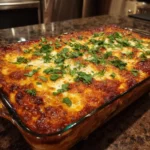
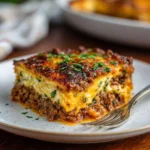
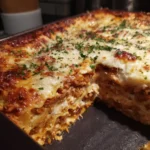
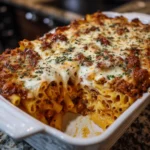
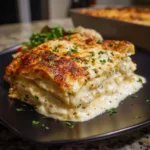
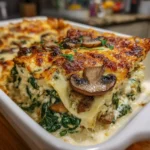
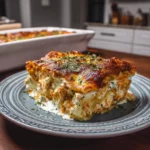
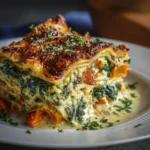
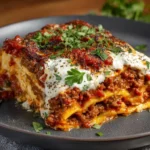
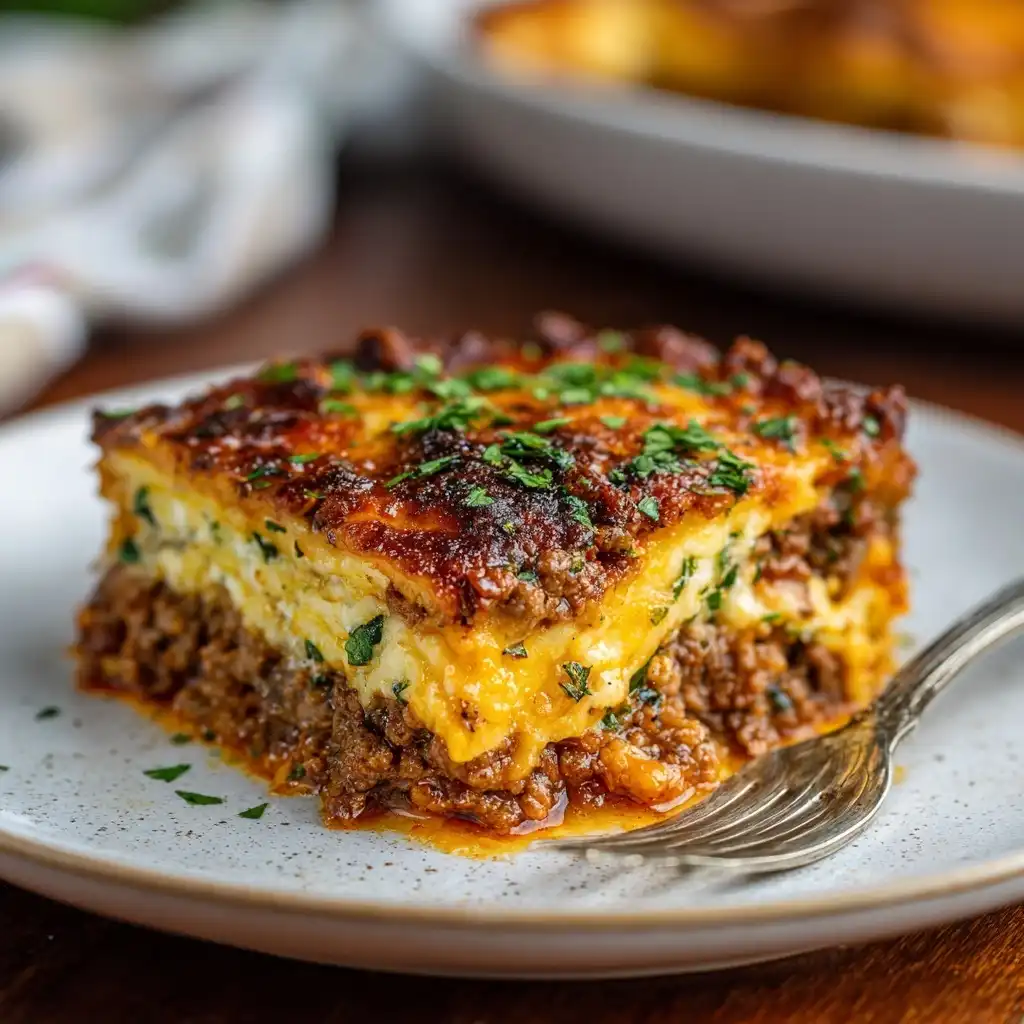
Zucchini Lasagna with Ground Beef is a modern, health-conscious twist on the beloved Italian classic—replacing traditional wheat-based lasagna noodles with thinly sliced zucchini ribbons. This vibrant, layered casserole marries rich, savory ground beef with creamy ricotta, melted mozzarella, and sharp Parmesan, all nestled between tender, lightly caramelized zucchini that imparts subtle sweetness and delicate texture. Perfect for low-carb, gluten-free, or vegetable-forward eaters—and equally satisfying for traditional pasta lovers—it delivers all the comforting depth of classic lasagna without the heaviness. Whether you’re meal prepping for the week, hosting a dinner party, or simply seeking a nourishing family favorite, this dish bridges tradition and innovation with every forkful.
The History
Lasagna’s origins trace back to medieval Italy—some historians cite a 13th-century text, De honesta voluptate et valetudine, which includes an early layered pasta dish called “lasanum,” referencing a cooking pot rather than the noodle itself. By the Renaissance, regional variations flourished across Emilia-Romagna, where wide, flat sheets of egg pasta were layered with ragù, béchamel, and cheese. The American adaptation—popularized post-WWII via Italian-American communities and midcentury cookbooks—introduced ricotta, cottage cheese, and more abundant cheese layers. Zucchini’s incorporation into lasagna emerged much later, gaining traction in the 1980s and ’90s amid rising interest in low-carb diets and farm-to-table cooking. As spiralizers and mandolines became kitchen staples, home cooks began experimenting with vegetable “noodles,” and zucchini—abundant, mild, and structurally resilient when properly prepped—rose as the most popular substitute. Today, Zucchini Lasagna with Ground Beef stands as a testament to culinary evolution: honoring centuries-old layering techniques while embracing seasonal produce, dietary inclusivity, and mindful eating principles.
Ingredients Breakdown
Every component in this recipe serves both functional and flavor-driven purposes—no ingredient is arbitrary. Let’s explore why each matters:
- Zucchini: The structural backbone. English or globe zucchini work best—uniform in size and firm-fleshed. Their high water content demands proper salting and draining (a non-negotiable step) to prevent a soggy final bake. When roasted or pan-seared before layering, zucchini develops nutty, almost buttery notes and holds its shape beautifully.
- Ground Beef (85/15 or 90/10): Provides deep umami, protein density, and textural contrast. Leaner blends reduce grease but may yield drier meat; fattier cuts (like 80/20) add richness and moisture—but require thorough draining. Grass-fed or organic options enhance mineral complexity and reduce saturated fat load.
- Onion & Garlic: Aromatic foundations. Yellow onions offer balanced sweetness and pungency; sautéing until translucent builds foundational flavor. Fresh garlic—minced, not powdered—releases allicin only when crushed and heated gently, contributing warmth and depth without bitterness.
- Tomato Base: A blend of crushed tomatoes (for body), tomato paste (for concentrated acidity and Maillard browning), and optional tomato sauce (for silkiness). San Marzano DOP-certified tomatoes are ideal—their low acidity, high sugar, and thick flesh create a naturally velvety, complex ragù.
- Herbs & Spices: Dried oregano and basil contribute earthy, floral notes; fresh basil stirred in at the end adds brightness. Red pepper flakes lend gentle heat, while a splash of red wine (optional but highly recommended) de-glazes the pan and deepens the sauce’s resonance with fruity tannins.
- Ricotta Cheese: The creamy, cloud-like layer. Whole-milk ricotta is essential—low-fat versions separate and weep. For optimal texture, drain excess whey overnight in cheesecloth or stir in a spoonful of grated Parmesan and an egg to bind and enrich.
- Mozzarella & Parmesan: Mozzarella (low-moisture, part-skim or whole-milk) melts smoothly and forms the iconic golden-brown cap. Parmigiano-Reggiano adds salty, nutty umami and helps crisp the top layer. Never substitute pre-grated cheese—it contains anti-caking agents that inhibit melting.
- Seasonings: Kosher salt and freshly ground black pepper are calibrated at every stage—seasoning the meat, the sauce, the ricotta, and the final layers—to ensure balanced, multidimensional savoriness.
Step-by-Step Recipe
This method prioritizes control, consistency, and flavor development—each step intentionally designed to eliminate common pitfalls (sogginess, blandness, separation, or rubbery cheese).
- Prep the Zucchini (45–60 min ahead): Wash and dry 4 medium zucchini (about 1.5 lbs total). Using a mandoline or sharp chef’s knife, slice lengthwise into ⅛-inch ribbons (½ inch wide, 4–5 inches long). Place in a single layer on triple-layered paper towels or clean kitchen towels. Generously sprinkle both sides with kosher salt (about 1 tsp per zucchini). Let rest 30 minutes—this draws out 30–40% of the water. Gently press with more towels to remove brine; pat thoroughly dry. Optional pro tip: Lightly brush ribbons with olive oil and roast at 425°F for 8–10 minutes until edges curl and surfaces dry—enhances flavor and prevents steaming in the bake.
- Build the Ragù (25–30 min): Heat 2 tbsp olive oil in a large Dutch oven or heavy-bottomed skillet over medium heat. Add 1 finely diced yellow onion; sauté 5–6 minutes until soft and translucent. Stir in 4 minced garlic cloves; cook 1 minute until fragrant. Add 1.5 lbs ground beef, breaking it apart with a wooden spoon. Cook until no pink remains and fat begins to render (8–10 min). Drain excess grease using a fine-mesh strainer—do not skip. Stir in 3 tbsp tomato paste; cook 3 minutes, stirring constantly, until brick-red and aromatic. Pour in ½ cup dry red wine (e.g., Chianti or Sangiovese); simmer 2 minutes until evaporated. Add 28 oz crushed San Marzano tomatoes, 1 tsp dried oregano, 1 tsp dried basil, ¼ tsp red pepper flakes, 1 tsp kosher salt, and ½ tsp black pepper. Simmer uncovered 15–20 minutes, stirring occasionally, until thickened to coat the back of a spoon. Stir in ¼ cup chopped fresh basil off-heat.
- Prepare the Ricotta Mixture (5 min): In a medium bowl, combine 2 cups whole-milk ricotta, 1 large egg, ½ cup grated Parmigiano-Reggiano, ¼ tsp nutmeg, ½ tsp salt, and ¼ tsp black pepper. Whisk vigorously until smooth and airy—not lumpy. Fold in ¼ cup chopped fresh parsley or basil for color and freshness.
- Assemble with Precision (15 min): Preheat oven to 375°F. Lightly grease a 9×13-inch glass or ceramic baking dish (avoid dark metal—it over-browns edges). Spread ¾ cup ragù evenly across the bottom. Arrange a tight, slightly overlapping layer of zucchini ribbons (about ⅔ of total)—no gaps. Dollop ⅓ of ricotta mixture over zucchini; spread gently with an offset spatula. Spoon 1 cup ragù over ricotta. Sprinkle with ½ cup shredded mozzarella and 2 tbsp Parmigiano-Reggiano. Repeat layers twice: zucchini → ricotta → ragù → cheeses. Finish with a final zucchini layer, remaining ragù (reserve ~¼ cup), remaining mozzarella, and generous Parmigiano-Reggiano. Drizzle reserved ragù over top for glossy finish.
- Bake with Resting Protocol (60–70 min total): Cover tightly with parchment-lined aluminum foil (parchment prevents cheese sticking). Bake 45 minutes. Remove foil; bake uncovered 15–20 minutes until top is deeply golden, bubbling at edges, and internal temperature reaches 165°F. Crucially: Let rest 25–30 minutes before slicing—this allows starches to set, cheeses to re-emulsify, and steam to redistribute, yielding clean, intact layers instead of a runny mess.
Tips
- Salt Early, Drain Thoroughly: Salting zucchini isn’t optional—it’s transformative. Skipping this invites watery collapse. Press firmly after salting; if ribbons feel damp or bend easily, dry longer.
- Control Sauce Consistency: Your ragù should mound slightly on a spoon—not run. If too thin, simmer longer. If too thick, stir in 1–2 tbsp low-sodium beef broth.
- Layer Direction Matters: Always place zucchini lengthwise, overlapping like shingles. This creates structural integrity and prevents sliding during cutting.
- Low-Moisture Mozzarella Is Key: Fresh mozzarella (buffalo or fior di latte) contains too much water—opt for shredded part-skim or whole-milk mozzarella labeled “low-moisture.” Grate it yourself for meltability.
- Resting Is Non-Negotiable: Cutting too soon causes layer separation and cheese pooling. Set a timer—25 minutes minimum.
- Reheating Without Sogginess: Cover with damp paper towel and microwave individual portions at 50% power in 45-second bursts—or reheat covered in a 325°F oven for 20 minutes.
- Freezing Success: Assemble unbaked lasagna, wrap tightly in foil + plastic, freeze up to 3 months. Thaw overnight in fridge, then bake as directed—add 10–15 minutes covered time.
- Visual Doneness Cues: Golden-brown, blistered cheese edges + gentle jiggle in center (not sloshing) = ready. Insert thermometer into center—it must read ≥165°F.
Variations and Customizations
This recipe is a versatile canvas—adaptable to dietary needs, seasonal produce, pantry constraints, and global flavors:
- Protein Swaps: Substitute ground turkey, chicken, pork, lamb, or Italian sausage (mild or hot). For plant-based: use lentils (pre-cooked brown or green), crumbled tempeh, or textured vegetable protein (TVP) rehydrated in veggie broth + soy sauce.
- Vegetable Layering: Add thin layers of roasted eggplant, sautéed spinach (well-drained!), sliced mushrooms, or yellow squash. Blanch kale or chard ribbons first to soften fibrous stems.
- Cheese Alternatives: Replace ricotta with mascarpone (richer, sweeter) or cottage cheese (blended smooth). Swap mozzarella for provolone, fontina, or smoked gouda. Nut-free? Use nutritional yeast + cashew cream for “cheesy” depth.
- Gluten-Free & Grain-Free: Already compliant! Ensure tomato products and seasonings are certified GF. For extra binding, add 1 tbsp psyllium husk to ricotta mix.
- Low-Carb/Keto Optimized: Use full-fat ricotta, grass-fed beef, and omit tomato paste (or reduce to 1 tbsp). Boost fats with a drizzle of olive oil or pesto between layers.
- Global Twists:
- Mediterranean: Add Kalamata olives, artichoke hearts, feta, and oregano.
- Mexican-Inspired: Swap beef for chorizo, use chipotle-infused tomato sauce, top with cotija and cilantro.
- Indian Fusion: Season ragù with garam masala, ginger, and turmeric; layer with spiced paneer instead of ricotta.
- Time-Savers: Use jarred marinara (choose low-sugar, no added gums), pre-shredded cheese (though freshly grated is superior), or pre-sliced zucchini from the refrigerated section (still salt & drain!).
- Kid-Friendly Adjustments: Omit red pepper flakes, add a touch of honey to sauce, or stir pureed carrots into ragù for hidden veggies.
Health Considerations and Nutritional Value
A 1-cup serving (approx. 1/8 of the 9×13 pan) provides approximately:
Calories: 320–360 | Protein: 24–28g | Total Fat: 18–22g (6–8g saturated) | Carbohydrates: 12–15g (3–4g fiber, 6–8g natural sugars) | Sodium: 580–650mg
Nutrient Highlights:
- Zucchini: Rich in potassium (supports blood pressure), vitamin C (immune function), manganese (bone health), and antioxidants like lutein and zeaxanthin (eye protection). Its high water (95%) and fiber content promote satiety and digestive regularity.
- Lean Ground Beef: Excellent source of heme iron (highly bioavailable), zinc (immune + wound healing), B12 (neurological health), and creatine (muscle support). Choosing grass-fed increases omega-3s and conjugated linoleic acid (CLA), linked to reduced inflammation.
- Ricotta & Parmesan: Provide complete protein, calcium (bone density), phosphorus, and vitamin A. Ricotta’s whey protein aids muscle synthesis; Parmesan’s tyrosine supports cognitive focus.
- Tomatoes: Lycopene—a powerful carotenoid antioxidant—increases 2–3x when cooked with oil, reducing oxidative stress and supporting heart health.
Dietary Notes:
- Gluten-Free: Naturally compliant—no flour, breadcrumbs, or thickeners required.
- Low-Carb/Keto-Friendly: At ~12g net carbs per serving, fits well within moderate low-carb plans. Reduce tomatoes slightly for stricter keto.
- Diabetic-Friendly: Low glycemic impact due to minimal refined carbs and high protein/fiber. Monitor portion size and pair with leafy greens.
- Pregnancy-Safe: Pasteurized cheeses, fully cooked beef, and nutrient-dense vegetables make this supportive for maternal nutrition—just ensure ricotta is labeled “pasteurized.”
- Heart-Healthy Modifications: Use 93/7 lean beef, increase zucchini volume by 50%, add 1 tbsp flaxseed to ricotta for omega-3s, and reduce sodium by 25% via low-salt tomatoes and herbs.
Cautions: Those with lactose intolerance may tolerate aged cheeses (Parmesan) better than ricotta—consider lactase enzyme or lactose-free ricotta. High sodium content warrants attention for hypertension; rinse canned tomatoes or choose no-salt-added varieties.
Ingredients
- 4 medium zucchini (about 1.5 lbs), washed and dried
- 1.5 tsp kosher salt (divided), plus more to taste
- 2 tbsp extra-virgin olive oil (plus more for roasting, optional)
- 1 large yellow onion, finely diced
- 4 garlic cloves, minced
- 1.5 lbs 85/15 or 90/10 ground beef
- 3 tbsp tomato paste
- ½ cup dry red wine (e.g., Chianti or Sangiovese; sub beef broth if avoiding alcohol)
- 28 oz canned crushed San Marzano tomatoes (preferably DOP-certified)
- 1 tsp dried oregano
- 1 tsp dried basil
- ¼ tsp red pepper flakes (adjust to taste)
- 1 tsp freshly ground black pepper
- ¼ cup fresh basil leaves, chopped (plus extra for garnish)
- 2 cups whole-milk ricotta cheese (drained if watery)
- 1 large egg
- ½ cup finely grated Parmigiano-Reggiano (plus extra for topping)
- ¼ tsp freshly grated nutmeg
- 2 cups shredded low-moisture mozzarella cheese (part-skim or whole-milk)
- ¼ cup fresh parsley, chopped (optional, for ricotta)
Directions
- Prepare zucchini: Slice lengthwise into ⅛-inch ribbons. Arrange in single layer on paper towels. Sprinkle generously with 1 tsp kosher salt. Let sit 30 minutes. Pat dry thoroughly with clean towels. (Optional: Toss with 1 tsp olive oil and roast at 425°F for 8–10 minutes until slightly curled.)
- In a large Dutch oven, heat 2 tbsp olive oil over medium heat. Add onion; sauté 5–6 minutes until soft. Add garlic; cook 1 minute. Add beef; break apart and cook until no pink remains (8–10 min). Drain excess fat completely.
- Stir in tomato paste; cook 3 minutes until darkened and fragrant. Pour in wine; simmer 2 minutes until evaporated. Add crushed tomatoes, oregano, dried basil, red pepper flakes, 1 tsp salt, and 1 tsp black pepper. Simmer uncovered 15–20 minutes until thickened. Stir in fresh basil off-heat.
- In a bowl, combine ricotta, egg, ½ cup Parmigiano-Reggiano, nutmeg, ½ tsp salt, and ¼ tsp black pepper. Whisk until smooth. Fold in parsley or basil.
- Preheat oven to 375°F. Grease a 9×13-inch baking dish. Spread ¾ cup ragù on bottom. Layer ⅔ zucchini ribbons (slightly overlapping). Spread ⅓ ricotta mixture. Top with 1 cup ragù, ½ cup mozzarella, and 2 tbsp Parmigiano-Reggiano. Repeat layers twice. Top with remaining zucchini, remaining ragù (reserve ~¼ cup), remaining mozzarella, and generous Parmigiano-Reggiano. Drizzle reserved ragù over top.
- Cover tightly with parchment-lined foil. Bake 45 minutes. Remove foil; bake uncovered 15–20 minutes until golden and bubbling. Let rest 25–30 minutes before slicing into 12 servings.
FAQ
- Can I make this vegetarian?
- Absolutely! Replace beef with 1.5 cups cooked brown or green lentils (tossed with 1 tsp soy sauce and ½ tsp smoked paprika for umami), or 12 oz crumbled tempeh sautéed with onions and mushrooms. Boost flavor with nutritional yeast in the ricotta.
- Why does my zucchini lasagna turn out watery?
- Most commonly: insufficient salting/draining of zucchini, under-reduced sauce, or skipping the rest time. Also check—did you use low-moisture mozzarella? Fresh mozz adds liquid. And avoid over-layering zucchini beyond 3–4 ribbons per layer.
- Can I prep this ahead of time?
- Yes! Assemble up to 24 hours ahead, cover tightly, and refrigerate unbaked. Add 5–10 minutes to covered bake time. You can also prep components separately: cook ragù (keeps 5 days), drain zucchini (store 2 days), and mix ricotta (1 day).
- Is frozen zucchini okay to use?
- Not recommended. Freezing ruptures cell walls, releasing excessive water and turning ribbons mushy. Stick with fresh, firm zucchini—look for small to medium size with shiny, unblemished skin.
- What’s the best way to slice zucchini evenly?
- A mandoline slicer with guard is safest and most precise. Set to 1/8-inch thickness. If using a knife, stabilize zucchini with claw grip and slice steadily with a sharp 8-inch chef’s knife.
- Can I use other squash?
- Yellow squash works identically. Delicata or acorn squash ribbons require peeling and roasting first due to denser flesh. Avoid butternut—it’s too starchy and sweet.
- My cheese didn’t brown—what went wrong?
- Common causes: oven rack too low (move to upper third), insufficient uncovered bake time, or cheese applied too thickly (spread evenly). Broil 1–2 minutes at end—if watching closely.
- How do I store leftovers?
- Cool completely. Store in airtight container for up to 5 days refrigerated. Freeze portions (without garnish) for up to 3 months. Reheat covered at 325°F until warmed through (20–25 min) or microwave at 50% power.
- Can I double this recipe?
- Yes—use two 9×13 pans. Do not stack pans in oven. Bake as directed; check doneness individually. You may need 5–8 extra minutes for full heat penetration.
- What side dishes pair well?
- Keep it light and fresh: arugula salad with lemon vinaigrette, roasted asparagus with lemon zest, garlic sautéed green beans, or a simple tomato-cucumber salad. For heartier meals, serve with garlic knots or a crusty whole-grain baguette.
Summary
Zucchini Lasagna with Ground Beef is a masterclass in reinvention—honoring centuries of Italian layering tradition while embracing vegetable-forward, nutrient-dense modern cooking. With its rich, slow-simmered ragù, cloud-like herb-infused ricotta, and tender-yet-toothy zucchini ribbons crowned in golden, stretchy cheese, it satisfies deeply without compromise.
By mastering key techniques—salting and draining zucchini, building layered flavor in the sauce, and respecting the essential rest period—you’ll achieve restaurant-quality results at home: clean slices, bold flavor, zero sogginess, and endless adaptability for dietary needs, seasons, and cravings.