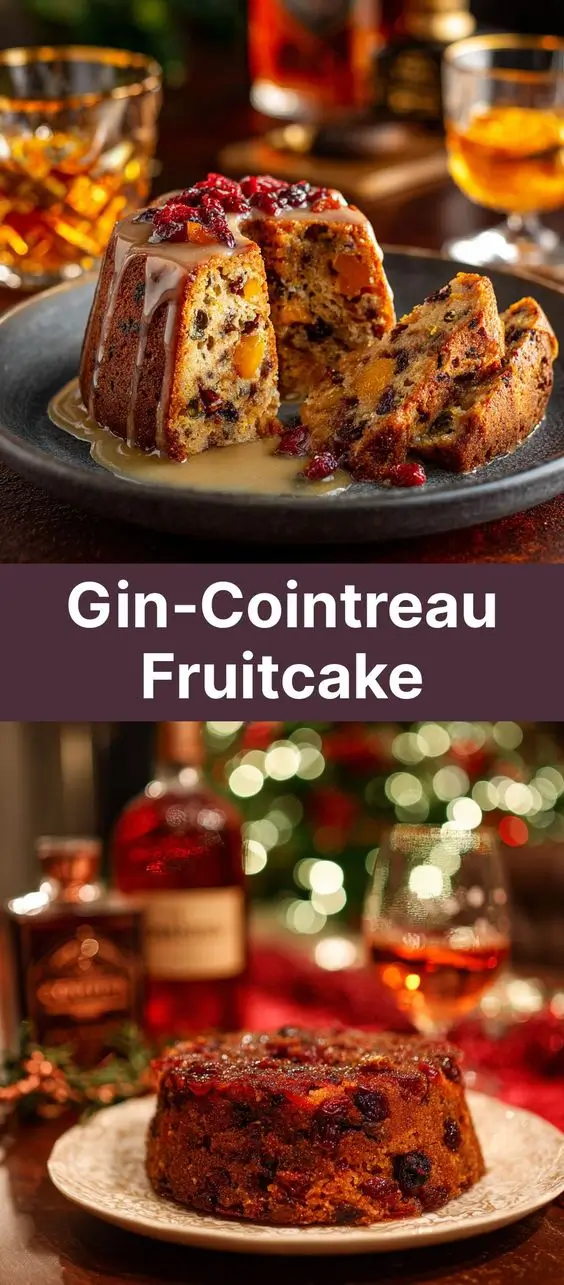
Gin‑Cointreau Fruitcake: A Modern Twist on a Classic Holiday Treat
The fruitcake has long been a polarizing dessert, often the subject of jokes and misconceptions. Yet, when crafted with care, high-quality ingredients, and a touch of sophistication—such as gin and Cointreau—it transforms into a rich, aromatic, and deeply satisfying treat that can rival any holiday dessert. The Gin‑Cointreau Fruitcake is not your grandmother’s dry, candied brick. Instead, it’s a moist, boozy, citrus-kissed confection that marries the botanical complexity of gin with the orange liqueur brightness of Cointreau, all enveloped in a tapestry of plump dried fruits, nuts, and warm spices.
The History of Fruitcake and the Rise of Boozy Variants
Fruitcake traces its roots back to ancient Rome, where a dish called satura was made from barley, pomegranate seeds, raisins, nuts, and honeyed wine. Over centuries, this evolved across Europe, particularly in Britain, where fruitcakes became associated with special occasions like weddings and Christmas. By the 18th and 19th centuries, British fruitcakes were enriched with brandy or rum, which acted both as a preservative and a flavor enhancer—allowing the cakes to be aged for months, improving their taste over time.
In modern times, fruitcake gained a poor reputation due to mass-produced versions loaded with artificial colors, cheap glace cherries, and minimal alcohol. However, artisanal bakers and home chefs have reclaimed the tradition by using premium dried fruits, fresh nuts, and spirits such as bourbon, rum, and even whiskey. The use of gin, with its juniper-forward profile, and Cointreau, a refined triple sec with balanced sweetness and orange peel essence, represents a contemporary renaissance in fruitcake making—one that appeals to cocktail lovers and gourmet palates alike.
This Gin-Cointreau version brings a sophisticated, almost perfumed character to the fruitcake, elevating it beyond a seasonal obligation into a centerpiece dessert worthy of celebration.
Ingredients Breakdown: Why Each Component Matters
The magic of this fruitcake lies in the harmony between its components. Each ingredient plays a crucial role—not just in texture and taste, but in preservation and depth of flavor development over time. Below is a detailed breakdown:
- Dried Fruits (mixed): A blend of raisins, sultanas, currants, chopped prunes, figs, apricots, and dates provides natural sweetness, chewiness, and deep caramelized notes. These are soaked in alcohol to plump them up and infuse them with flavor.
- Candied Citrus Peel: Homemade or high-quality store-bought candied orange and lemon peel add bright, tangy notes that cut through the richness. Avoid overly sweet or waxy versions.
- Nuts (walnuts, pecans, almonds): Toasted lightly before use, they contribute crunch, richness, and healthy fats that enhance mouthfeel. They also absorb some of the alcohol, adding complexity.
- All-purpose flour: Provides structure. Some bakers use a mix of cake and bread flour for optimal crumb balance.
- Baking powder & baking soda: For slight leavening, ensuring the cake rises enough without becoming spongy.
- Ground spices (cinnamon, nutmeg, allspice, cloves, cardamom): Warm, aromatic spices complement the botanicals in gin. Freshly ground spices make a noticeable difference.
- Salt: Balances sweetness and enhances all other flavors.
- Butter (unsalted): High-fat European-style butter adds silkiness and richness. It should be softened but not melted.
- Brown sugar (dark muscovado preferred): Adds molasses depth, moisture retention, and a deeper color than white sugar.
- Eggs (large, free-range): Bind the batter and provide lift. Room temperature eggs emulsify better with butter and sugar.
- Vanilla extract (pure): Enhances warmth and rounds out the flavor profile.
- Black treacle or molasses: A small amount deepens color and adds a subtle smoky bitterness that balances the sweetness.
- Orange zest: Freshly grated zest from an organic orange intensifies citrus notes already present in Cointreau.
- Gin (London Dry recommended): Choose a clean, juniper-dominant gin like Beefeater or Tanqueray. It imparts herbal, piney, and floral notes that contrast beautifully with the orange liqueur.
- Cointreau: This premium orange liqueur offers a refined balance of sweetness and bitter orange peel, far superior to generic triple sec. It brightens the entire cake.
- Optional: Fresh apple or pear (grated): Adds natural pectin and moisture, helping keep the cake tender during aging.
Step-by-Step Recipe: How to Make Gin‑Cointreau Fruitcake
Yield: One 9×5-inch loaf or two 8×4-inch loaves
Prep Time: 30 minutes (+ overnight soaking)
Bake Time: 2.5 to 3 hours
Aging Time: 2–6 weeks (optional but recommended)
Step 1: Soak the Fruits (Day 1 or at least 12 hours before baking)
- In a large glass or ceramic bowl, combine 500g mixed dried fruits, 100g chopped candied citrus peel, and 100g roughly chopped toasted nuts.
- Pour in ½ cup (120ml) Cointreau and ½ cup (120ml) gin. Stir well to coat.
- Cover with plastic wrap or a lid and let macerate at room temperature for 12 to 24 hours. Stir occasionally. If keeping longer than 24 hours, refrigerate.
Step 2: Prepare the Pan and Preheat Oven
- Butter a 9×5-inch loaf pan thoroughly, then line the bottom and sides with parchment paper, leaving overhang for easy removal.
- Preheat oven to 300°F (150°C). Use a convection setting if available for more even baking.
Step 3: Mix Dry Ingredients
- In a medium bowl, whisk together 2 cups (250g) all-purpose flour, 1 tsp baking powder, ½ tsp baking soda, 1 tsp ground cinnamon, ½ tsp ground nutmeg, ¼ tsp each allspice and ground cloves, pinch of cardamom, and ½ tsp salt.
- Sift the mixture once to ensure even distribution and remove lumps.
Step 4: Cream Butter and Sugar
- In a stand mixer with paddle attachment, beat 1 cup (227g) softened unsalted butter with ¾ cup (150g) dark brown sugar on medium speed until light and fluffy (3–4 minutes).
- Add 2 large eggs, one at a time, beating well after each addition. Scrape down the bowl.
- Mix in 1 tsp pure vanilla extract and 1 tbsp black treacle or molasses.
Step 5: Combine Wet and Dry
- Gradually add the dry ingredients to the butter mixture on low speed, mixing just until incorporated. Do not overmix.
- Stir in the zest of one orange.
- Using a spatula, fold in the soaked fruit mixture along with any remaining liquid. Add ½ cup additional toasted nuts if desired.
- Optional: Fold in ½ cup finely grated apple or pear for extra moisture.
Step 6: Bake the Cake
- Transfer the thick batter into the prepared loaf pan, smoothing the top with a spatula.
- Tap the pan gently on the counter to release air bubbles.
- Bake for 2.5 to 3 hours, or until a skewer inserted into the center comes out with just a few moist crumbs (no wet batter). The top should be deeply golden and cracked slightly.
- If the top browns too quickly, tent loosely with aluminum foil after 1.5 hours.
Step 7: Cool and Feed the Cake
- Let the cake cool in the pan for 20 minutes, then lift it out using the parchment overhang and place on a wire rack to cool completely.
- Once cooled, wrap tightly in cheesecloth dampened with a mixture of equal parts gin and Cointreau (this “feeds” the cake).
- Store in an airtight container in a cool, dark place. Re-dampen the cloth every 3–4 days with more gin-Cointreau mix for the first month.
Tips for Success
- Use high-quality alcohol: Since the flavor concentrates as the cake ages, avoid cheap gin or artificial orange liqueur. The quality shines through.
- Toast your nuts: Spread nuts on a baking sheet and toast at 350°F for 8–10 minutes until fragrant. Let cool before chopping.
- Don’t skip the soak: Macerating the fruits ensures maximum flavor absorption and prevents dry pockets.
- Low and slow baking: Fruitcakes must bake slowly to cook through without burning the exterior. Rushing leads to undercooked centers or burnt edges.
- Aging improves flavor: While edible immediately, the cake reaches peak flavor after 2–6 weeks. The alcohol mellows, and flavors meld beautifully.
- Double-wrap for storage: After initial cheesecloth feeding, transfer to wax paper, then foil, and store in a tin. Label with the date.
- Check periodically: Open and inspect monthly. If it smells sour or moldy, discard. Properly stored, it can last up to a year.
Variations and Customizations
The beauty of fruitcake lies in its adaptability. Here are inspired variations on the Gin‑Cointreau base:
- Botanical Boost: Add 1 tsp dried rose petals, lavender, or even a pinch of crushed coriander seed to echo gin’s herbal profile.
- Spiced Rum Swirl: Replace ¼ cup of the gin with spiced rum for added warmth and vanilla notes.
- Lactose-Free/Vegan Option: Substitute butter with vegan margarine, eggs with flax eggs (2 tbsp ground flax + 6 tbsp water), and use plant-based milk in place of any dairy. Ensure sugar is vegan-certified.
- Gluten-Free Version: Use a 1:1 gluten-free flour blend with xanthan gum. Add 1 extra egg for binding if needed.
- Cherry-Gin Delight: Add ½ cup dried tart cherries soaked in gin for a deeper fruit note.
- Chocolate-Dipped: Once fully aged, slice and dip ends in dark chocolate for an elegant presentation.
- Mini Fruitcakes: Bake in muffin tins or small terracotta pots for charming gifts. Reduce baking time to 45–60 minutes.
- Non-Alcoholic Version: Replace gin with strong brewed Earl Grey tea and Cointreau with orange juice reduced by half with a splash of orange extract. Results will be less complex but still flavorful.
Health Considerations and Nutritional Value
While undeniably indulgent, this fruitcake does offer some nutritional benefits when consumed in moderation:
- Dried fruits are rich in fiber, potassium, iron, and antioxidants. Raisins and figs support digestive health.
- Nuts provide heart-healthy monounsaturated fats, protein, vitamin E, and magnesium.
- Alcohol in moderation may have cardiovascular benefits, though this cake should not be considered a health food.
That said, this cake is high in calories, sugar, and fat. A typical slice (1/12 of a loaf) contains approximately:
- Calories: 380–420
- Total Fat: 18g (mostly from butter and nuts)
- Saturated Fat: 8g
- Carbohydrates: 55g
- Sugars: 38g (naturally occurring and added)
- Protein: 5g
- Fiber: 3g
- Alcohol Content: ~3–5% per slice, depending on aging and feeding
Important Notes:
- Not suitable for children, pregnant individuals, or those avoiding alcohol.
- High sugar content makes it inappropriate for diabetics unless modified with sugar substitutes (results may vary).
- Contains tree nuts and gluten; allergen labeling is essential if gifting.
Ingredients Recap
For Soaking:
- 500g mixed dried fruits (raisins, sultanas, currants, chopped dates, figs, apricots)
- 100g candied orange and lemon peel, chopped
- 100g toasted walnuts or pecans, roughly chopped
- ½ cup (120ml) gin
- ½ cup (120ml) Cointreau
For the Cake:
- 1 cup (227g) unsalted butter, softened
- ¾ cup (150g) dark brown sugar
- 2 large eggs, room temperature
- 1 tsp pure vanilla extract
- 1 tbsp black treacle or molasses
- Zest of 1 orange
- 2 cups (250g) all-purpose flour
- 1 tsp baking powder
- ½ tsp baking soda
- 1 tsp ground cinnamon
- ½ tsp ground nutmeg
- ¼ tsp each allspice and ground cloves
- Pinch of ground cardamom
- ½ tsp salt
- ½ cup additional toasted nuts (optional)
- ½ cup grated apple or pear (optional, for moisture)
For Feeding and Storage:
- ¼ cup gin
- ¼ cup Cointreau
- Cheesecloth
- Airtight container or cake tin
Directions Recap
- Soak fruits, peel, and nuts in gin and Cointreau for 12–24 hours.
- Butter and line a loaf pan; preheat oven to 300°F (150°C).
- Whisk dry ingredients and set aside.
- Cream butter and sugar; add eggs, vanilla, and molasses.
- Mix in dry ingredients, then orange zest.
- Fold in soaked fruit mixture and any residual liquid.
- Pour into pan, smooth top, and bake 2.5–3 hours.
- Cool in pan, then transfer to rack.
- Wrap in gin-Cointreau-dampened cheesecloth and age in a sealed container for 2–6 weeks, re-feeding weekly.
- Serve at room temperature, optionally with whipped cream, custard, or a drizzle of warm Cointreau.
FAQ
Q: Can I eat the cake right away?
A: Yes, it’s delicious fresh. However, aging for at least two weeks allows the flavors to deepen and the texture to become more cohesive and moist.
Q: How long can I store this fruitcake?
A: Properly wrapped and fed, it can last up to a year in a cool, dark place. The flavor continues to evolve over time.
Q: Why use both gin and Cointreau?
A: Gin adds herbal, juniper complexity, while Cointreau brings bright, sweet-orange liqueur notes. Together, they create a balanced, aromatic profile.
Q: Can I substitute Cointreau with another orange liqueur?
A: Grand Marnier or Triple Sec can work, but Cointreau is preferred for its clarity and balanced bitterness.
Q: My cake cracked on top—is that normal?
A: Yes! Fruitcakes often crack due to their dense, low-rising nature. It’s a sign of proper baking, not a flaw.
Q: Can I freeze the fruitcake?
A: Absolutely. Wrap tightly in plastic and foil, then freeze for up to 6 months. Thaw at room temperature and resume feeding if desired.
Q: Is this recipe safe for people with nut allergies?
A: No—this recipe contains nuts. Omitting them may affect texture and richness. Substitute with toasted sunflower or pumpkin seeds for crunch, though results will differ.
Summary
The Gin‑Cointreau Fruitcake is a luxurious, modern reinvention of a classic holiday staple, combining the herbal depth of gin with the vibrant citrus elegance of Cointreau, all folded into a rich medley of soaked fruits and toasted nuts.
When aged properly, it becomes a moist, fragrant, and deeply flavorful dessert that challenges the stereotypes of fruitcake—proving it can be not only edible but truly extraordinary.