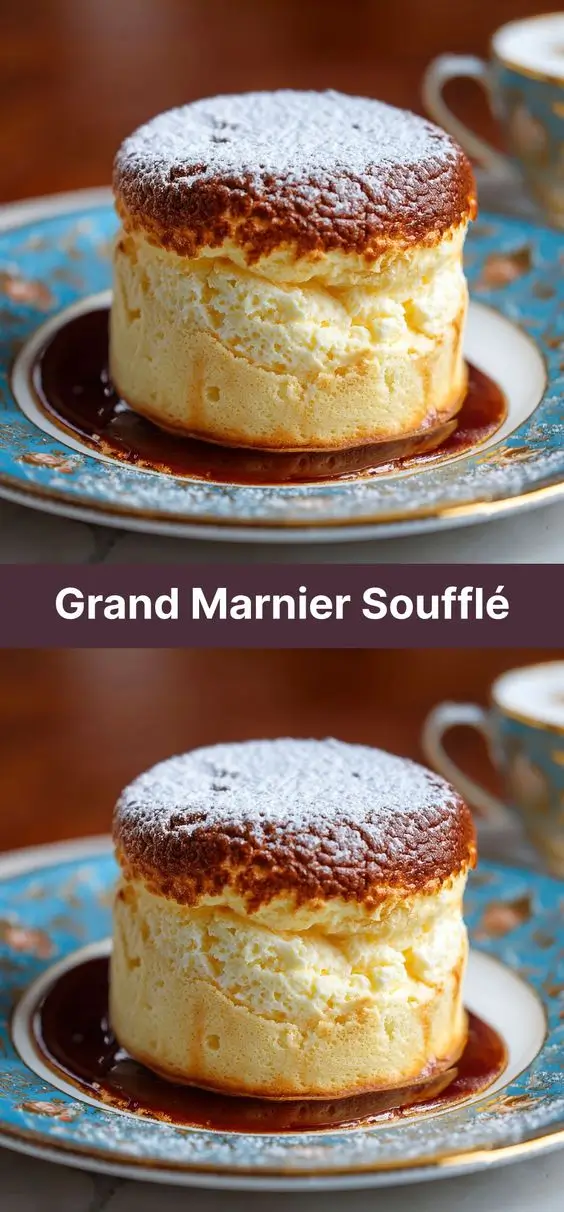
Grand Marnier Soufflé: A Luxurious French Delight
Introduction
The Grand Marnier Soufflé stands as one of the most elegant and sophisticated desserts in French cuisine. With its delicate rise, airy texture, and rich citrus-orange flavor, it is a dessert that embodies both technical precision and indulgent taste. Traditionally served at fine dining establishments and cherished in Parisian homes, this soufflé combines the artistry of pastry with the warmth of classic liqueurs. The subtle infusion of Grand Marnier — a premium orange-flavored cognac-based liqueur — elevates the humble soufflé into a celebration of flavor and form.
While many may view the soufflé as intimidating, the Grand Marnier version is surprisingly approachable when broken down into manageable steps. It’s not just a dessert; it’s an experience — a performance in your own kitchen where timing, temperature, and technique come together to create a moment of culinary magic. Whether you’re preparing it for a special occasion or simply treating yourself to something exquisite, this recipe promises elegance on the plate and joy in every bite.
The History
The soufflé has its roots deeply embedded in early 18th-century French gastronomy. The word “soufflé” comes from the French verb souffler, meaning “to blow” or “to puff,” which perfectly describes how the dish rises dramatically in the oven due to the expansion of air trapped in whipped egg whites. Early mentions of soufflés appear in Vincent La Chapelle’s 1735 cookbook, though they were initially savory dishes made with cheese or meat.
By the late 1700s and early 1800s, sweet soufflés began appearing in French cookbooks, often flavored with fruits, chocolate, or liqueurs. Their light, ethereal quality made them a favorite among aristocrats and connoisseurs alike. However, it wasn’t until the 20th century that the Grand Marnier Soufflé emerged as a signature dessert, thanks in large part to the popularity of the eponymous liqueur.
Grand Marnier itself was created in 1880 by Alexandre Marnier-Lapostolle, who blended fine Cognac with bitter orange essence from the Caribbean. Its unique balance of sweetness, warmth, and citrus brightness quickly captured the imagination of chefs across France. By the mid-20th century, pairing it with a soufflé became a hallmark of haute cuisine. Iconic restaurants like Maxim’s de Paris and Le Taillevent featured variations of the Grand Marnier Soufflé on their menus, cementing its place in gourmet history.
Today, the dessert remains a symbol of refinement and culinary mastery. Though modern kitchens have demystified some of the challenges associated with soufflés, the Grand Marnier version continues to evoke the romance and flair of old-world French patisserie.
Ingredients Breakdown
The success of a Grand Marnier Soufflé lies in the harmony and quality of its ingredients. Each component plays a crucial role in achieving the perfect balance between structure, flavor, and rise. Below is a detailed breakdown of the key elements:
- Butter (½ cup / 1 stick): Used to grease the ramekins and create a crisp outer layer, butter also enriches the base mixture, contributing to a velvety texture.
- Granulated Sugar (¾ cup + extra for coating): Divided use — part is used to coat the ramekins (creating sugar crusts that help the soufflé climb), and the rest is incorporated into the custard and meringue for sweetness and stability.
- All-Purpose Flour (¼ cup): Acts as a thickening agent in the roux-based custard (or “béchamel” for sweet applications), providing structure without weighing down the delicate foam.
- Whole Milk (2 cups): Forms the liquid base of the custard. Whole milk is essential for richness and smooth consistency. Low-fat versions can result in a thinner, less stable base.
- Pinch of Salt: Enhances all flavors and balances the sweetness, preventing the dessert from tasting cloying.
- Ground Cinnamon (¼ tsp, optional): Adds a warm, aromatic note that complements the orange liqueur, though it can be omitted for a purer citrus profile.
- Egg Yolks (6 large): Provide emulsification and richness to the custard. They help bind the flour and milk while adding color and depth.
- Grand Marnier (½ cup / 120 ml): The star ingredient. This high-quality orange liqueur delivers a complex blend of sweet and bitter orange oils with a warm cognac finish. Do not substitute with lower-quality triple sec unless absolutely necessary — the flavor difference is profound.
- Lemon Zest (1 tsp): Brightens the overall flavor, enhancing the citrus notes and cutting through the richness.
- Egg Whites (7 large): The engine of the soufflé. When properly whipped, they trap air and expand under heat, causing the dramatic rise. Fresh, room-temperature whites whip better than cold ones.
- Cream of Tartar (¼ tsp): Stabilizes the egg white foam, helping maintain volume and prevent collapse during folding and baking.
Optional Garnishes:
- Powdered sugar (dusted on top before serving)
- Whipped cream or crème anglaise (for serving)
- Orange slices or candied orange peel (for decoration)
- Edible gold leaf (for ultra-luxurious presentation)
Step-by-Step Recipe
- Prepare the Ramekins: Preheat your oven to 375°F (190°C). Generously butter six 6-ounce soufflé ramekins or one large 2-quart soufflé dish. Use softened butter and a pastry brush to coat the bottom and sides thoroughly, ensuring every surface is covered. Then, add about 1 tablespoon of sugar into each ramekin, rotating it to coat the interior completely. Tap out any excess sugar and place the ramekins on a baking sheet. This sugared lining helps the soufflé grip the sides and rise evenly.
- Make the Roux-Based Custard Base: In a medium saucepan over medium heat, melt 4 tablespoons (½ stick) of butter. Once melted, whisk in the flour and salt (and cinnamon if using). Cook, stirring constantly, for about 2 minutes to eliminate the raw flour taste — this forms a “blond roux.” Gradually pour in the milk, whisking continuously to prevent lumps. Bring the mixture to a gentle simmer, then reduce the heat and cook for 5–7 minutes, stirring frequently, until the mixture thickens to a pudding-like consistency. Remove from heat.
- Incorporate Egg Yolks and Flavorings: While the milk mixture is still hot, temper the egg yolks by slowly pouring about ½ cup of the hot mixture into the yolks in a bowl, whisking constantly. Then, pour the yolk mixture back into the saucepan, returning it to low heat. Stir continuously for 2–3 minutes to thicken slightly — do not boil. Remove from heat and stir in the Grand Marnier, lemon zest, and any remaining sugar. Let cool slightly for 5–10 minutes.
- Whip the Egg Whites: In a clean, dry bowl (preferably stainless steel or glass), beat the egg whites with an electric mixer on medium speed until foamy. Add cream of tartar and continue beating. Gradually add the reserved granulated sugar, one tablespoon at a time, increasing speed to high. Whip until stiff, glossy peaks form — the whites should hold their shape firmly when the whisk is lifted. Be careful not to overbeat, as dry, grainy whites will compromise the texture.
- Fold in the Egg Whites: Gently fold one-third of the whipped egg whites into the cooled custard base using a silicone spatula to lighten the mixture. Then, carefully add the remaining whites in two batches, folding gently from the bottom up to retain as much air as possible. Avoid stirring or overmixing — the goal is a uniform, fluffy batter with no streaks of white.
- Fill the Ramekins: Spoon or pipe the soufflé mixture into the prepared ramekins, filling them to the brim. Smooth the tops with a palette knife or the back of a spoon, and run your thumb around the inner rim to create a shallow groove — this encourages even rising and prevents premature collapse.
- Bake Immediately: Place the baking sheet with ramekins in the center of the preheated oven. Bake for 18–22 minutes for individual soufflés, or 25–30 minutes for a large soufflé, until puffed, golden brown on top, and slightly jiggly in the center. Do not open the oven door during baking — sudden temperature changes can cause collapse.
- Serve Promptly: Soufflés begin to fall within minutes of leaving the oven, so announce “Soufflé ready!” and serve immediately. Dust lightly with powdered sugar and accompany with whipped cream or a drizzle of extra Grand Marnier if desired.
Tips
- Room Temperature Eggs: Use eggs at room temperature for both yolks and whites. Cold egg whites take longer to whip and won’t achieve maximum volume.
- Clean Bowl for Whipping: Any trace of fat or yolk in the egg white bowl can inhibit whipping. Ensure the bowl and beaters are spotless and dry.
- Avoid Overbaking: A slight jiggle in the center when gently shaken means it’s done — residual heat will finish cooking it. Overbaking leads to dryness and faster deflation.
- Oven Accuracy: Use an oven thermometer to ensure accurate temperature. Even a 25-degree variance can affect rise and texture.
- No Vibrations: Place the soufflé away from drafty areas or appliances that vibrate. Keep children and pets away from the oven during baking!
- Prep Ahead: You can prepare the custard base up to one day in advance and refrigerate it. Reheat gently before folding in fresh whipped egg whites.
- Timing Is Everything: Plan to bake the soufflé just before serving. It cannot sit — once risen, it must be eaten.
Variations and Customizations
The Grand Marnier Soufflé is versatile enough to inspire creative adaptations while maintaining its luxurious essence. Here are several popular variations:
- Chocolate-Grand Marnier Soufflé: Add 4 oz of melted dark chocolate to the custard base before folding in the egg whites. The bittersweet chocolate pairs beautifully with the orange liqueur, creating a dessert reminiscent of a molten chocolate cake with a liqueur twist.
- Lemon-Grand Marnier Fusion: Increase lemon zest to 1 tablespoon and add 2 tablespoons of fresh lemon juice to brighten the citrus profile. Perfect for spring or summer dinners.
- Almond-Infused Version: Replace 2 tablespoons of milk with almond extract or incorporate ¼ cup of frangipane (almond cream) into the base for a nutty complexity.
- Non-Alcoholic Adaptation: Substitute Grand Marnier with a homemade orange syrup (simmer ½ cup water, ½ cup sugar, and 2 strips of orange zest for 10 minutes, then cool). Add 1 tsp orange extract for intensity.
- Savory-Sweet Hybrid: Reduce sugar to ½ cup and add a touch of grated nutmeg and a splash of heavy cream for a more restrained sweetness, ideal for cheese course pairings.
- Individual vs. Family Style: While individual ramekins offer theatrical presentation, a large soufflé serves 4–6 and creates a stunning centerpiece for dinner parties.
- Gluten-Free Option: Replace all-purpose flour with a gluten-free 1:1 baking blend. Ensure it contains xanthan gum for proper binding.
- Dairy-Free Alternative: Use full-fat coconut milk and vegan butter. Note: texture may be denser, but still delicious.
Health Considerations and Nutritional Value
While undeniably decadent, the Grand Marnier Soufflé does offer some nutritional components worth noting — though moderation is key.
Nutritional Profile (per serving, based on 6 servings):
- Calories: ~320–360 kcal
- Fat: 18–20g (mostly from butter and egg yolks — includes healthy monounsaturated fats)
- Saturated Fat: 10–12g
- Cholesterol: ~220mg (primarily from egg yolks)
- Carbohydrates: 30–35g (mainly from sugar and flour)
- Sugars: 25–28g
- Protein: 8–10g (from eggs — complete protein source)
- Calcium: ~120mg (from milk)
- Vitamin A: Moderate (from egg yolks and butter)
Considerations:
- High in Cholesterol: Individuals monitoring blood cholesterol should consume sparingly. Using pasteurized egg whites and reducing yolks (though not recommended for texture) may help slightly.
- Alcohol Content: While most alcohol evaporates during baking (~85%), about 10–15% remains. Not suitable for children, pregnant women, or those avoiding alcohol.
- Sugar Content: High in added sugars. For lower sugar versions, consider erythritol or monk fruit blends, though results may vary in browning and texture.
- Gluten and Dairy: Contains both. Gluten-free and dairy-free substitutions exist but alter texture and authenticity.
- Protein-Rich: Thanks to eggs, it provides a decent amount of high-quality protein, uncommon in most desserts.
Overall, the Grand Marnier Soufflé is best enjoyed occasionally as part of a balanced diet. Its portion-controlled nature (especially in individual ramekins) makes mindful eating easier compared to larger, shareable desserts.
Ingredients
- ½ cup (1 stick / 113g) unsalted butter, plus extra for greasing
- ¾ cup (150g) granulated sugar, divided
- ¼ cup (30g) all-purpose flour
- 2 cups (480ml) whole milk
- Pinch of salt
- ¼ teaspoon ground cinnamon (optional)
- 6 large egg yolks
- ½ cup (120ml) Grand Marnier
- 1 teaspoon finely grated lemon zest
- 7 large egg whites (from about 7 large eggs)
- ¼ teaspoon cream of tartar
- Powdered sugar, for dusting (optional)
Directions
- Preheat oven to 375°F (190°C). Butter six 6-oz ramekins or one 2-quart soufflé dish. Coat interiors with sugar, tapping out excess. Set aside on a baking sheet.
- In a saucepan, melt ½ cup butter over medium heat. Whisk in flour, salt, and cinnamon (if using). Cook 2 minutes, stirring constantly.
- Gradually whisk in milk. Bring to a simmer, then cook 5–7 minutes until thickened. Remove from heat.
- In a bowl, whisk egg yolks. Temper by slowly adding ½ cup hot mixture, whisking constantly. Pour yolk mixture back into saucepan. Cook 2–3 minutes on low, stirring. Do not boil.
- Remove from heat. Stir in Grand Marnier, lemon zest, and ½ cup sugar. Cool 5–10 minutes.
- In a clean bowl, beat egg whites and cream of tartar until foamy. Gradually add remaining ¼ cup sugar. Beat to stiff, glossy peaks.
- Fold ⅓ of egg whites into custard to lighten. Gently fold in remaining whites until just combined.
- Spoon mixture into prepared ramekins, smoothing tops. Run thumb around inner rim to create a seal.
- Bake 18–22 minutes (individual) or 25–30 minutes (large), until puffed and golden. Center should jiggle slightly.
- Serve immediately. Dust with powdered sugar and enjoy straight from the oven.
FAQ
Q: Why did my soufflé collapse?
A: Common causes include opening the oven door too early, under-whipped egg whites, overmixing during folding, or incorrect oven temperature. Ensure all steps are followed precisely.
Q: Can I make this ahead of time?
A: The custard base can be made 1 day ahead and refrigerated. Reheat gently before folding in freshly whipped egg whites. Never assemble and store the full soufflé batter.
Q: Can I freeze a baked soufflé?
A: Freezing is not recommended — texture becomes rubbery and watery upon thawing. Best enjoyed fresh.
Q: What can I use instead of Grand Marnier?
A: Cointreau or high-quality triple sec can work, but lack the cognac depth. For closest flavor, mix ¼ cup brandy with ¼ cup orange liqueur.
Q: How do I know when it’s done?
A: Look for a deep golden crown and a slight wobble in the center. Insert a skewer — it should come out with moist crumbs, not wet batter.
Q: Can I double the recipe?
A: Yes, but use separate mixing bowls and bake in two ovens if possible. Overcrowding affects heat circulation.
Q: Are soufflés safe for kids?
A: If alcohol is a concern, use non-alcoholic substitutes. The small amount of raw egg is cooked during baking, making it generally safe.
Summary
The Grand Marnier Soufflé is a masterpiece of French dessert craftsmanship — a harmonious blend of rich custard, citrus liqueur, and cloud-like meringue that rises to perfection in the oven. Serve it immediately for a breathtaking, flavor-filled finale that melts in the mouth and lingers in memory.