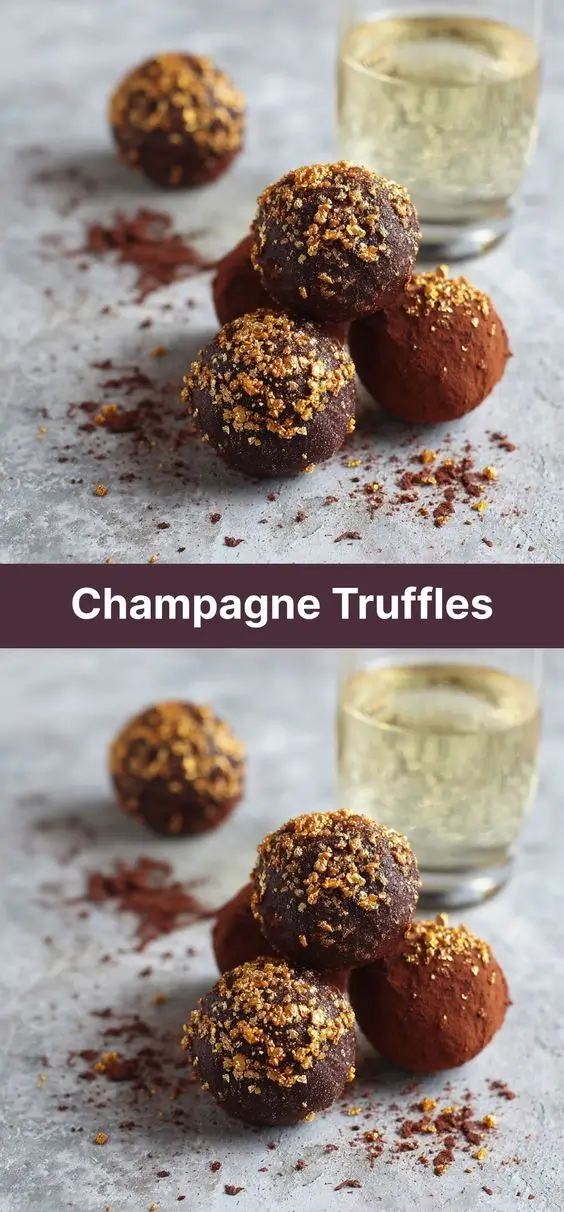
Champagne Truffles: A Decadent Fusion of Chocolate and Bubbly Elegance
The History of Champagne Truffles
The art of chocolate truffle-making dates back to the early 20th century in France, where confectioners began rolling ganache centers into rough spheres and coating them with cocoa powder, mimicking the appearance of the prized fungi known as truffles. The name “truffle” was thus born not from ingredients but from form and texture. Over time, chocolatiers experimented with infusing ganache with various flavors—liquors, spices, fruits, and even floral essences—to elevate the sensory experience.
Champagne truffles emerged during a period of culinary innovation when pairing fine wines and chocolates became increasingly popular among European elite circles. As champagne symbolized celebration, luxury, and refinement, it was only natural that its effervescent character would find its way into gourmet confections. Early versions were crafted for special occasions such as weddings, anniversaries, and holiday galas, where guests expected both sophistication and indulgence. By the mid-20th century, champagne-infused chocolates appeared in high-end patisseries across Paris, London, and Geneva, often served alongside dessert wines or at bridal showers.
Today, champagne truffles are celebrated worldwide as an emblem of elegance and taste. Their creation blends centuries-old chocolate craftsmanship with the celebratory spirit of sparkling wine, making them a favorite treat for romantic evenings, milestone events, and gourmet gift-giving. While modern techniques have refined the process, the essence remains unchanged—a luxurious bite that captures the sparkle of champagne within velvety dark or milk chocolate.
Ingredients Breakdown: What Makes Champagne Truffles So Special?
The magic of champagne truffles lies in the careful balance between rich chocolate, creamy dairy, and the subtle tang of sparkling wine. Each ingredient plays a crucial role in achieving the perfect texture, flavor profile, and shelf stability. Below is a detailed breakdown of every component used in crafting authentic champagne truffles:
- Dark Chocolate (70% Cocoa): High-quality dark chocolate forms the base of the ganache and the outer shell. Its deep, slightly bitter notes contrast beautifully with the sweetness of the cream and the acidity of the champagne. Opt for couverture chocolate—it has a higher cocoa butter content, ensuring a smooth melt-in-the-mouth experience.
- Heavy Cream (Double Cream): Adds richness and helps emulsify the chocolate into a silky ganache. The fat content (around 36%) ensures a luscious mouthfeel without being greasy.
- Dry Champagne or Sparkling Wine: The star of the show. Choose a dry (brut) variety to avoid excessive sweetness. The effervescence doesn’t remain after reduction, but the complex fruity, yeasty, and citrusy notes do. Avoid sweet champagnes like demi-sec unless you’re aiming for a dessert-style truffle.
- Unsalted Butter: Enhances smoothness and adds a glossy sheen to the ganache. It also contributes to a firmer set when chilled, making shaping easier.
- Cocoa Powder (Dutch-processed): Used for dusting the finished truffles. It provides a classic finish and contrasts with the creamy interior. Alternatively, powdered sugar, crushed freeze-dried berries, or edible gold dust can be used for variation.
- Glucose Syrup (optional): Prevents sugar crystallization and extends shelf life by retaining moisture. A small amount improves texture without altering flavor significantly.
- Salt (fine sea salt): Just a pinch enhances all other flavors, balancing sweetness and highlighting the terroir of both chocolate and champagne.
- Vanilla Extract (pure): Adds depth and warmth, rounding out sharp edges from alcohol and acidity.
For premium results, source ingredients mindfully. Single-origin chocolate, artisanal champagne, and organic dairy elevate the final product from delightful to extraordinary.
Step-by-Step Recipe: How to Make Champagne Truffles at Home
Creating champagne truffles may seem intimidating, but with patience and precision, even home cooks can produce restaurant-quality results. Follow these detailed steps to craft elegant, melt-in-your-mouth truffles infused with the essence of bubbly sophistication.
Ingredients (Yields approximately 30 truffles)
- 8 oz (225g) high-quality dark chocolate (70%), finely chopped
- ½ cup (120ml) heavy cream
- ¼ cup (60ml) dry champagne or brut sparkling wine
- 2 tbsp (30g) unsalted butter, softened
- 1 tsp glucose syrup (optional)
- ⅛ tsp fine sea salt
- 1 tsp pure vanilla extract
- ¼ cup (25g) Dutch-processed cocoa powder, for rolling
Equipment Needed
- Small saucepan
- Heatproof bowl (glass or stainless steel)
- Whisk
- Spatula
- Baking sheet
- Parchment paper
- Piping bag or two spoons
- Small scoop or melon baller (optional)
- Airtight container
Directions
- Reduce the Champagne: Pour the champagne into a small saucepan and bring to a gentle simmer over medium heat. Allow it to reduce by half—this concentrates the flavor and removes most of the alcohol while preserving aromatic complexity. This should take about 8–10 minutes. Set aside to cool slightly.
- Prepare the Chocolate: Place the chopped chocolate in a heatproof bowl. Ensure it’s completely dry—any water can cause the chocolate to seize.
- Heat the Cream: In the same saucepan (no need to wash), warm the heavy cream just until it begins to steam and small bubbles form around the edges. Do not boil.
- Combine Cream and Reduced Champagne: Stir the reduced champagne, glucose syrup (if using), and salt into the warm cream. Mix well.
- Pour Over Chocolate: Immediately pour the hot liquid over the chopped chocolate. Let it sit undisturbed for 2–3 minutes to allow the chocolate to melt gently.
- Emulsify the Ganache: Using a whisk, stir slowly from the center outward until the mixture becomes smooth, glossy, and fully combined. Avoid introducing air bubbles by stirring too vigorously.
- Incorporate Butter and Vanilla: Add the softened butter and vanilla extract. Continue stirring until the butter is completely melted and integrated. The ganache should now be silky and homogenous.
- Cool the Mixture: Cover the surface directly with plastic wrap to prevent a skin from forming. Refrigerate for 2–3 hours, or until firm enough to roll—similar to modeling clay. For faster chilling, place in the freezer for 45–60 minutes, checking frequently.
- Shape the Truffles: Use a small cookie scoop, melon baller, or teaspoon to portion the ganache. Roll each piece quickly between your palms into a smooth sphere. Work swiftly to prevent melting from body heat. Place each truffle on a parchment-lined baking sheet.
- Chill Again: Return the shaped truffles to the refrigerator for at least 30 minutes to re-firm before coating.
- Coat the Truffles: Spread cocoa powder on a shallow plate. Remove truffles one at a time from the fridge and roll gently in the cocoa until fully coated. Shake off excess and return to the tray.
- Final Chill and Storage: Once all truffles are rolled and coated, chill for another 15 minutes. Transfer to an airtight container, layering with parchment paper if needed, and store in the refrigerator.
Note: For a more polished look, some artisans temper additional chocolate and dip each truffle for a crisp shell. However, the traditional soft-centered, cocoa-dusted style offers a rustic charm ideal for homemade treats.
Tips for Perfect Champagne Truffles Every Time
- Use Fresh Ingredients: Stale cream or old chocolate can ruin texture and flavor. Always check expiration dates and use the freshest components available.
- Control Temperature Carefully: Chocolate is sensitive to temperature fluctuations. Avoid overheating during ganache preparation, and ensure your hands are cool when rolling.
- Wear Food-Safe Gloves: If your hands run warm, wear thin latex or nitrile gloves dusted with cocoa powder to prevent melting the truffles as you shape them.
- Don’t Skip the Reduction Step: Reducing the champagne intensifies flavor and eliminates excess liquid, which could destabilize the ganache.
- Work in Batches: Only remove a few truffles from the fridge at once to maintain consistency. Warm truffles will stick and lose shape.
- Rest Before Serving: Remove truffles from the fridge 10–15 minutes before serving to soften slightly and enhance flavor release.
- Prevent Blooming: Store away from strong odors and light. White streaks (fat bloom) aren’t harmful but affect appearance—proper storage prevents this.
- Invest in Quality Tools: A microplane for grating chocolate, silicone spatulas, and digital thermometer can make a noticeable difference in precision.
Variations and Customizations: Elevate Your Champagne Truffles
While classic champagne truffles are divine on their own, creative customization allows you to tailor them to different palates, occasions, and dietary needs. Here are inspired variations to experiment with:
Flavor Infusions
- Rose Champagne Truffles: Use rosé champagne and roll in freeze-dried raspberry powder for a floral-pink twist perfect for Valentine’s Day or bridal parties.
- Lavender-Infused: Steep dried culinary lavender in warm cream for 10 minutes (then strain) to add a delicate Provençal aroma.
- Orange Zest Variation: Add finely grated orange zest and a splash of Cointreau to complement the champagne’s citrus notes.
- Spiced Bubbly Truffles: Infuse cream with a cinnamon stick, star anise, or cardamom pods for a warm, festive version ideal for winter holidays.
Chocolate Alternatives
- Milk Chocolate Version: Replace dark chocolate with high-cocoa milk chocolate for a sweeter, creamier truffle suited to younger palates.
- White Chocolate Champagne Truffles: Pair with extra-dry champagne to cut through sweetness. Add a touch of lemon juice to brighten the profile.
- Blond Chocolate Option: Use caramelized white chocolate for a butterscotch-like depth that pairs exquisitely with vintage champagne.
Coating & Finishing Touches
- Tempered Chocolate Shell: Dip truffles in tempered dark, milk, or white chocolate for a professional snap and glossy finish.
- Edible Gold Leaf: Apply tiny flakes for opulent presentation—ideal for wedding favors or luxury gifts.
- Nut Crusts: Roll in finely chopped pistachios, toasted almonds, or hazelnuts for added crunch and visual appeal.
- Matcha Dusting: Substitute cocoa powder with ceremonial-grade matcha for a vibrant green hue and earthy undertone.
Dietary Adaptations
- Dairy-Free: Use coconut cream instead of heavy cream and vegan butter. Choose dairy-free dark chocolate.
- Lower Sugar: Opt for sugar-free chocolate and replace glucose with monk fruit syrup. Reduce champagne quantity slightly due to lower viscosity.
- Alcohol-Free: Simmer non-alcoholic sparkling grape juice to mimic champagne flavor without ethanol. Add a drop of yeast extract for authenticity.
Health Considerations and Nutritional Value
Champagne truffles, while undeniably indulgent, can be enjoyed responsibly as part of a balanced diet. Understanding their nutritional composition helps in mindful consumption.
Nutritional Profile (Per Truffle, Approximate)
| Nutrient | Amount |
|---|---|
| Calories | 90–110 kcal |
| Total Fat | 7–8g |
| Saturated Fat | 4–5g |
| Carbohydrates | 8–10g |
| Sugars | 7–8g |
| Protein | 1g |
| Fiber | 1g |
| Sodium | 15–20mg |
Health Notes
- Antioxidants: Dark chocolate contains flavonoids, which have been linked to improved heart health and reduced inflammation.
- Moderation is Key: Due to high fat and sugar content, limit intake to 1–2 truffles per serving.
- Alcohol Content: Most alcohol evaporates during reduction, but trace amounts may remain—important for pregnant women, recovering alcoholics, or those avoiding ethanol.
- Caffeine Sensitivity: Dark chocolate contains theobromine and small amounts of caffeine (~10mg per truffle). Sensitive individuals should consume cautiously.
- Allergens: Contains dairy, chocolate (may contain soy lecithin), and potential nut traces depending on brand. Always label accordingly if gifting.
Pairing for Balance
Serve champagne truffles with green tea, sparkling water with lemon, or fresh berries to cleanse the palate and offset richness. Pairing with actual champagne (dry brut) enhances the tasting experience while stimulating digestion.
Frequently Asked Questions (FAQ)
- Can I use any type of champagne?
- It’s best to use a dry (brut) champagne. Sweet varieties like demi-sec can make the truffles overly sugary and unbalanced.
- Do champagne truffles contain alcohol after cooking?
- Most alcohol evaporates during the reduction process, but trace amounts may remain. For completely alcohol-free versions, use non-alcoholic sparkling wine.
- How long do homemade champagne truffles last?
- Stored in an airtight container in the refrigerator, they keep for up to 2 weeks. For longer storage, freeze for up to 2 months.
- Why did my ganache separate?
- This usually happens if the cream was too hot, causing the chocolate to break, or if water got into the mixture. Strain through a fine sieve and add a small amount of warm cream while whisking to re-emulsify.
- Can I freeze champagne truffles?
- Yes! Freeze them on a tray first, then transfer to a sealed container. Thaw in the fridge before serving. Texture remains intact if properly wrapped.
- What can I use instead of cocoa powder for coating?
- You can use powdered sugar, crushed cookies, matcha, espresso powder, or finely chopped nuts for alternative coatings.
- Can I make these without reducing the champagne?
- No—reduction is essential to concentrate flavor and prevent excess moisture, which could spoil the ganache texture.
- Are champagne truffles suitable for vegans?
- Yes, with substitutions: use plant-based cream, vegan butter, dairy-free chocolate, and alcohol-free sparkling wine.
Summary
Champagne truffles are an exquisite blend of velvety chocolate ganache infused with the refined essence of reduced brut champagne, offering a luxurious treat perfect for celebrations or sophisticated gifting.
With careful technique, quality ingredients, and creative customization, these delicate confections deliver a burst of elegance in every bite—uniting the joy of chocolate with the sparkle of celebration.