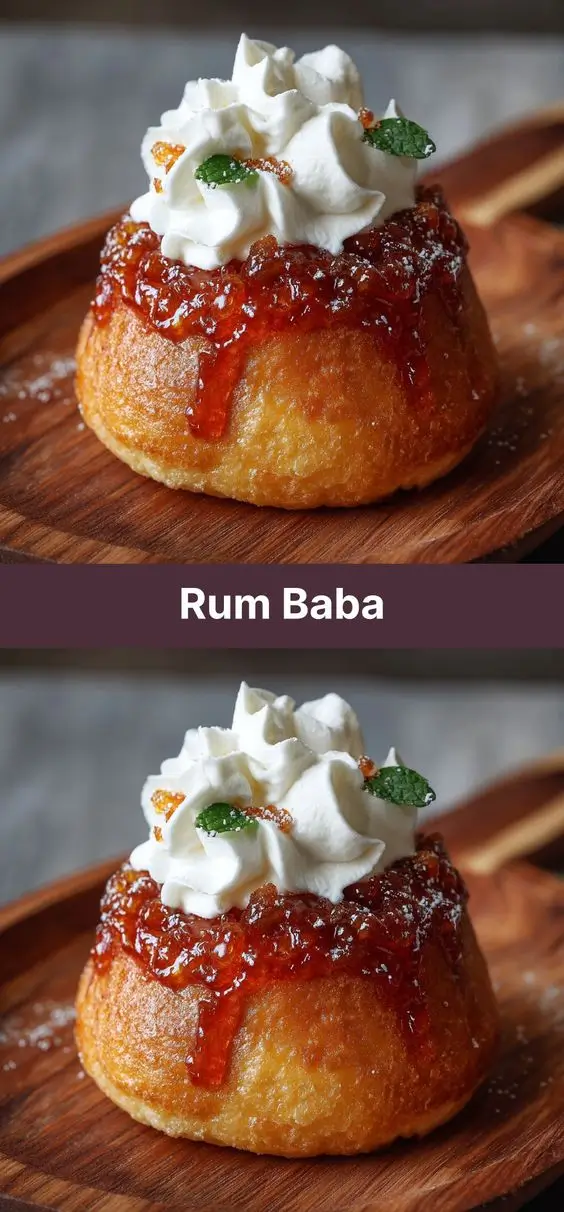
Rum Baba: The Exquisite Soaked Delight with a Spirited History
Rum baba, a luscious and fragrant dessert beloved across Europe and beyond, is a testament to how culinary traditions evolve through history, geography, and cultural fusion. With its soft, yeast-leavened cake soaked in rich rum syrup and often filled or served with whipped cream or pastry cream, rum baba stands as a symbol of indulgence and refinement. Whether enjoyed in a Parisian patisserie or recreated in home kitchens around the world, this dessert continues to captivate taste buds with its moist texture, aromatic rum essence, and elegant simplicity.
The History of Rum Baba: A Royal Dessert Born from Legend
The origins of rum baba are steeped in both folklore and historical shifts in European cuisine. While its exact birthplace remains debated, most food historians agree that rum baba evolved from the Central and Eastern European dessert known as baba au rhum, which itself may have roots in the Ukrainian babka—a tall, cylindrical yeast cake traditionally baked during Easter. However, the transformation into what we now know as rum baba is widely attributed to 18th-century Poland and France.
Legend has it that Stanisław I Leszczyński, the deposed King of Poland and later Duke of Lorraine, was particularly fond of a dessert called kugelhopf, a type of bundt-like cake popular in Alsace. Finding it too dry, he reportedly asked his chef to soak it in sweet wine. The chef, possibly inspired or improvising, substituted rum instead—giving rise to the first version of the baba au rhum. The name “baba” may derive from the Russian word for “grandmother” or could be linked to the character Baba from the tale Ali Baba and the Forty Thieves, reflecting the cake’s tall, cylindrical shape resembling a turbaned head.
By the 19th century, the dessert had made its way to Paris, where it was refined by French pastry chefs. They began using a specialized mold—often fluted and round—to give the cake its distinctive appearance. It was also during this time that the use of rum became standardized, and the addition of whipped cream or crème pâtissière filling elevated it from humble origins to haute patisserie. Today, rum baba is a staple in French bakeries and luxury dessert menus worldwide, celebrated for its balance of sweetness, alcohol, and delicate crumb.
Ingredients Breakdown: Crafting the Perfect Rum Baba
Creating an authentic rum baba requires attention to detail in both the cake base and the soaking syrup. Each ingredient plays a crucial role in achieving the ideal texture, flavor, and moisture level. Below is a detailed breakdown of every component used in a traditional rum baba recipe.
For the Yeast Cake:
- Active Dry Yeast (or Instant Yeast): This leavening agent is responsible for the airy, light texture of the baba. Fresh or dried yeast can be used, but proper activation in warm liquid ensures a good rise.
- Warm Milk (or Water): Used to activate the yeast, milk adds richness compared to water. The temperature should be around 105–110°F (40–43°C)—too hot will kill the yeast, too cold won’t activate it.
- Flour (All-Purpose or Pastry Flour): Provides structure. Some recipes use a blend of flours to achieve a softer crumb. Sifting ensures no lumps and better incorporation.
- Granulated Sugar: Feeds the yeast during proofing and contributes to browning. It also balances the tartness of the dough before the rum syrup is added.
- Eggs: Add richness, color, and help bind the dough. Room-temperature eggs integrate more smoothly into the batter.
- Butter (Unsalted, Softened): Adds tenderness and flavor. Creaming butter with sugar creates air pockets that help the cake rise.
- Salt: Enhances overall flavor and controls yeast activity, preventing over-proofing.
- Rum (Light or Dark): Often added directly to the dough for aroma, though some purists reserve all rum for the syrup.
- Lemon Zest: Imparts a bright citrus note that cuts through the richness and complements the rum.
For the Rum Syrup:
- Granulated Sugar: Forms the base of the syrup. The concentration determines how sweet and sticky the final product will be.
- Water: Dissolves the sugar to create a simple syrup.
- Rum (Preferred: Aged Gold or Dark Rum): The star ingredient. High-quality rum with notes of vanilla, caramel, and spice enhances the depth of flavor. Avoid overly harsh or synthetic-tasting rums.
- Lemon Juice: Adds acidity to balance sweetness and prevent cloying.
- Vanilla Bean (or Extract): Optional but recommended for added complexity and fragrance.
For Filling and Garnish (Optional):
- Crème Pâtissière (Pastry Cream): A thick custard made from milk, egg yolks, sugar, cornstarch, and vanilla. Injected into the center of cooled babas for luxurious texture.
- Whipped Cream: Light alternative to pastry cream; stabilizers like gelatin may be added to maintain shape.
- Fresh Berries (Strawberries, Raspberries): Provide freshness and contrast in flavor and color.
- Edible Gold Leaf or Powder: Used in gourmet presentations for visual elegance.
- Candied Cherries or Citrus Peel: Placed on top before baking for decoration.
Step-by-Step Recipe: How to Make Homemade Rum Baba
Follow this detailed guide to craft restaurant-quality rum babas at home. This recipe yields approximately 8 individual servings.
Ingredients:
- 2¼ tsp (7g) active dry yeast
- ¼ cup (60ml) warm whole milk (105–110°F)
- ½ cup (100g) granulated sugar, divided
- 2 large eggs, room temperature
- 2 cups (250g) all-purpose flour, sifted
- ½ tsp salt
- ¼ cup (60g) unsalted butter, softened
- 1 tsp lemon zest
- 2 tbsp dark rum (optional, for dough)
- Butter for greasing molds
For the Rum Syrup:
- 1 cup (200g) granulated sugar
- 1 cup (240ml) water
- ½ cup (120ml) high-quality dark rum
- 1 tbsp fresh lemon juice
- 1 vanilla bean, split and scraped (or 1 tsp extract)
For Filling (Optional):
- 1½ cups crème pâtissière or whipped cream
- 1 cup fresh berries
Directions:
- Activate the Yeast: In a small bowl, combine warm milk, 1 tsp sugar, and yeast. Let sit for 5–10 minutes until foamy, indicating the yeast is active.
- Prepare the Dough: In a stand mixer fitted with a paddle attachment, beat butter, remaining sugar, lemon zest, and optional rum until light and fluffy. Add eggs one at a time, mixing well after each addition. Switch to a dough hook, then gradually add the activated yeast mixture, followed by half the flour and salt. Mix until combined, then add the rest of the flour. Knead on medium speed for 5–7 minutes until smooth and elastic. Alternatively, knead by hand on a floured surface for 10 minutes.
- First Rise: Place the dough in a lightly oiled bowl, cover with plastic wrap or a damp cloth, and let rise in a warm place for 1–1.5 hours, or until doubled in size.
- Shape the Babas: Butter individual baba molds (fluted or round). Punch down the risen dough and divide into 8 equal portions. Roll each into a ball and place into molds, pressing gently to fit. Cover and let proof again for 30–45 minutes until puffy.
- Bake: Preheat oven to 350°F (175°C). Bake babas for 20–25 minutes until golden brown and a skewer comes out clean. Remove from oven and let cool slightly in molds.
- Make the Rum Syrup: While the cakes bake, combine sugar, water, lemon juice, and vanilla in a saucepan. Bring to a boil, then reduce heat and simmer for 5 minutes until slightly thickened. Remove from heat and stir in rum. Keep warm.
- Soak the Babas: While still warm, unmold the babas and immediately submerge them in the warm rum syrup for 10–15 seconds per side. Alternatively, place each cake in a shallow dish and spoon syrup generously over them until fully saturated. Let them absorb the syrup for at least 10 minutes.
- Fill and Serve: If desired, use a piping bag with a long tip to inject crème pâtissière into the center of each baba. Top with whipped cream, fresh berries, or a dusting of powdered sugar. Chill for 30 minutes before serving for best texture.
Tips for Perfect Rum Baba Every Time
- Use Quality Rum: Since rum defines the flavor profile, choose a smooth, aged variety like Appleton Estate, Havana Club, or Mount Gay. Avoid cheap, harsh rums—they’ll make the dessert bitter.
- Don’t Skip the Proofing: Proper fermentation ensures a tender, airy crumb. Cold kitchens slow rising; place dough in a turned-off oven with a bowl of hot water to create a warm environment.
- Soak While Warm: Warm cakes absorb syrup far better than cooled ones. Never let the babas cool completely before soaking.
- Adjust Syrup Strength: For a stronger rum flavor, increase rum quantity or reduce syrup volume. For non-alcoholic versions, replace rum with strong brewed tea or fruit juice.
- Prevent Sogginess: Don’t oversoak. Aim for moist but not dripping. If storing, keep syrup separate and soak just before serving.
- Grease Molds Well: Use butter or non-stick spray to ensure easy release. Silicone molds work well but may require longer baking.
- Chill Before Filling: Cool babas slightly before injecting cream to avoid melting.
Variations and Customizations
Rum baba is highly adaptable. Here are creative ways to personalize this classic dessert:
- Liqueur Swap: Replace rum with Grand Marnier, Amaretto, Kahlúa, or even espresso liqueur for different flavor profiles.
- Fruit-Infused Syrup: Add poached peaches, apricots, or cherries to the syrup for a fruity twist.
- Chocolate Baba: Fold cocoa powder into the dough and serve with chocolate ganache.
- Savory-Sweet Version: Use black pepper or cardamom in the syrup for a spiced effect.
- Mini Babas: Make bite-sized versions for parties—perfect as plated desserts or buffet items.
- Dietary Adjustments: Use gluten-free flour blends and plant-based butter/milk for gluten-free or vegan versions (note: texture may vary).
- Mold Shapes: Try heart-shaped, star, or ring molds for special occasions.
- Layered Trifle Style: Cube leftover babas and layer with cream, fruit, and more syrup for a deconstructed version.
Health Considerations and Nutritional Value
While undeniably delicious, rum baba is a high-calorie, high-sugar dessert best enjoyed in moderation. Below is an approximate nutritional breakdown per serving (one medium baba, including syrup and pastry cream):
| Nutrient | Amount (Approx.) |
|---|---|
| Calories | 380–450 kcal |
| Total Fat | 18–22g |
| Saturated Fat | 10–12g |
| Cholesterol | 120mg |
| Sodium | 150–200mg |
| Total Carbohydrates | 55–65g |
| Sugars | 40–50g |
| Protein | 6–8g |
| Alcohol Content | 1–2 oz (varies by soaking) |
Considerations:
- High Sugar Content: Not suitable for diabetics or low-sugar diets without modification.
- Gluten and Dairy: Contains wheat and dairy; not appropriate for those with allergies unless modified.
- Alcohol: Contains ethanol; not suitable for children, pregnant women, or those avoiding alcohol. Most alcohol remains post-soaking, though slight evaporation occurs during baking.
- Portion Control: Serve smaller sizes or share among guests to reduce intake.
Frequently Asked Questions (FAQ)
Q: Can I make rum baba without alcohol?
A: Yes. Substitute rum with strong brewed coffee, orange juice, or tea. Add 1–2 tsp rum extract for aroma without the alcohol.
Q: Why did my baba turn out dense?
A: Likely due to under-proofing, old yeast, or overmixing after adding flour. Ensure your yeast is fresh and allow adequate rising time.
Q: Can I freeze rum baba?
A: Yes, but freeze before soaking. Wrap unbaked or baked (unsyruped) babas tightly and thaw before finishing. Fully soaked babas don’t freeze well due to texture changes.
Q: How long do rum babas last?
A: Stored in an airtight container in the refrigerator, they last 3–4 days. Flavor often improves after 24 hours as the rum infuses further.
Q: Can I use instant yeast instead of active dry?
A: Absolutely. Use the same amount, but you can mix it directly with dry ingredients without proofing if desired.
Q: Why do some babas have raisins?
A: Inspired by kugelhopf, some traditional recipes include plumped raisins or currants in the dough. Soak them in rum beforehand for extra flavor.
Q: Can I bake rum baba in a loaf pan?
A: Yes, but adjust baking time to 45–50 minutes and slice after soaking. Texture will be more uniform but less elegant.
Summary
Rum baba is a sumptuous, rum-soaked yeast cake with royal origins and global acclaim, combining a tender crumb with a fragrant, boozy syrup for an unforgettable dessert experience.
From its legendary ties to Polish royalty to modern gourmet interpretations, rum baba remains a timeless treat that marries artistry, flavor, and tradition in every moist, spirited bite.