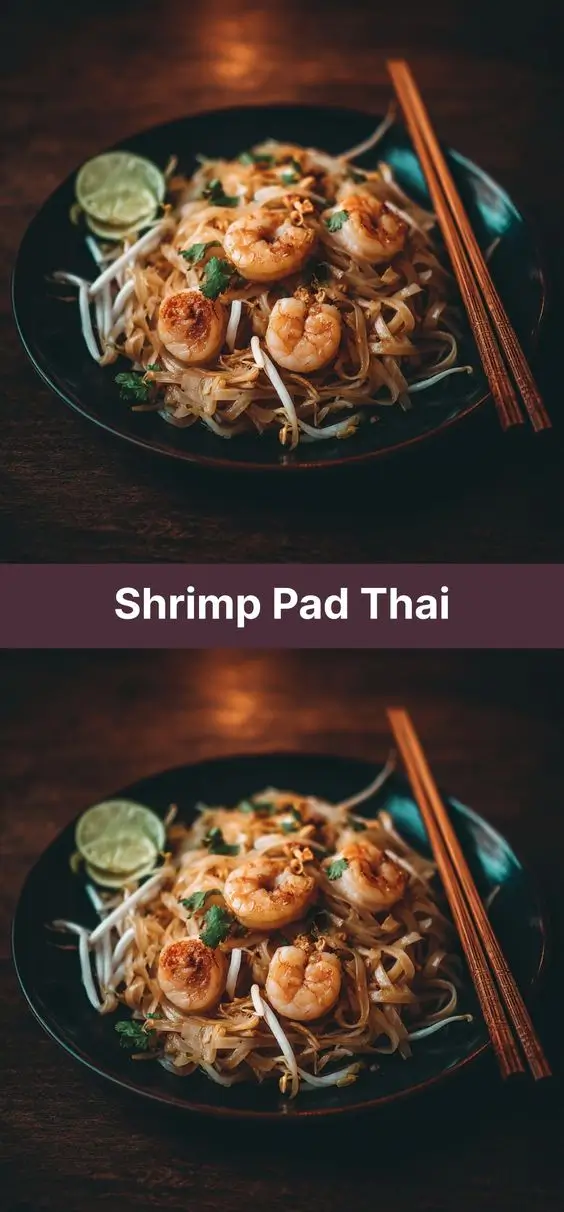
Shrimp Pad Thai: A Flavorful Journey Through Thailand’s Iconic Noodle Dish
The History of Shrimp Pad Thai
Pad Thai, now considered the national dish of Thailand, has a surprisingly modern origin rooted in 20th-century political and cultural transformation. The dish was popularized during the 1930s and 1940s under the leadership of Prime Minister Plaek Phibunsongkhram, who sought to modernize Thailand (then known as Siam) and promote a unified national identity. As part of this campaign, street food vendors were encouraged to sell affordable, nutritious, and distinctly Thai meals. Pad Thai emerged as a prime example—a stir-fried noodle dish that balanced sweet, sour, salty, and umami flavors while incorporating ingredients available locally.
Although its roots are influenced by Chinese cuisine—evident in its use of rice noodles and wok-based stir-frying techniques—Pad Thai was adapted using Thai ingredients such as tamarind paste, fish sauce, palm sugar, and dried shrimp. Over time, it evolved into countless regional variations across Thailand, with coastal areas favoring seafood like shrimp, while inland regions might use chicken or tofu. Today, Shrimp Pad Thai stands out as one of the most beloved international versions, celebrated for its succulent shrimp, chewy noodles, and complex flavor profile. From Bangkok street stalls to upscale restaurants in New York City, this dish continues to captivate palates worldwide.
Ingredients Breakdown: What Makes Shrimp Pad Thai So Delicious?
The magic of Shrimp Pad Thai lies in its harmonious blend of textures and flavors, achieved through a carefully curated list of ingredients. Each component plays a crucial role in building the dish’s signature taste and mouthfeel.
- Rice Noodles: Flat, thin rice sticks (banh pho style) are essential. They absorb the sauce beautifully while maintaining a slightly chewy texture when cooked properly.
- Shrimp: Medium-sized peeled and deveined shrimp are ideal—they cook quickly and add sweetness and tenderness to the dish.
- Tamarind Paste: This is the heart of Pad Thai’s tangy flavor. Made from the pulp of tamarind pods, it provides a fruity sourness unmatched by substitutes like lime juice or vinegar.
- Fish Sauce: Adds depth and umami. It’s salty but also complex, enhancing other flavors without overpowering them.
- Palm Sugar: Offers a rich, caramel-like sweetness that balances the acidity of tamarind. Brown sugar can be used in a pinch, though palm sugar is preferred for authenticity.
- Eggs: Scrambled into the noodles, they add creaminess and protein, helping bind the ingredients together.
- Garlic and Shallots: Sautéed at the beginning, these aromatics form the flavor base of the dish.
- Bean Sprouts: Added raw or lightly tossed in, they bring freshness and crunch.
- Green Onions: Provide a mild onion bite and vibrant color.
- Crushed Peanuts: Toasted and coarsely chopped, they offer nuttiness and a satisfying textural contrast.
- Lime Wedges: Served on the side for squeezing over the finished dish, adding brightness and acidity.
- Chili Flakes or Fresh Chilies: For heat lovers, a sprinkle of red pepper flakes or sliced bird’s eye chilies adds spice.
Optional but traditional additions include preserved radish (for a salty-sour kick), dried shrimp (for extra umami), and banana blossoms (in some regional versions). However, the core ingredients remain consistent across most authentic recipes.
Step-by-Step Recipe for Perfect Shrimp Pad Thai
Follow this detailed guide to create restaurant-quality Shrimp Pad Thai in your own kitchen. With attention to timing and technique, you’ll achieve perfectly coated noodles, plump shrimp, and bold, balanced flavors.
- Soak the Rice Noodles: Place 8 oz of dried flat rice noodles in a large bowl and cover with warm (not boiling) water. Let soak for 25–35 minutes until they are flexible but still firm—similar to al dente pasta. Drain and set aside. Do not over-soak, or they will become mushy during cooking.
- Prepare the Sauce: In a small bowl, whisk together 3 tablespoons tamarind concentrate (or paste mixed with water), 3 tablespoons fish sauce, 3 tablespoons palm sugar (melted or finely grated), and 1 tablespoon soy sauce (optional for color and depth). Taste and adjust—the sauce should balance sweet, salty, and sour. Set aside.
- Prep Ingredients: Peel and devein 12 oz of medium shrimp. Mince 3 cloves of garlic. Slice 2 shallots thinly. Chop 2 green onions diagonally. Measure out 1 cup of fresh bean sprouts. Toast 1/3 cup of unsalted peanuts and chop roughly. Have everything ready before heating the wok—this is a fast-cooking dish!
- Heat the Wok or Skillet: Use a carbon steel wok or large non-stick skillet. Heat over high heat until very hot. Add 2 tablespoons of neutral oil (like peanut or vegetable oil).
- Sauté Aromatics: Add minced garlic and sliced shallots. Stir-fry for 30 seconds until fragrant but not browned.
- Cook the Shrimp: Add the shrimp in a single layer. Cook for about 1–2 minutes per side until pink and opaque. Remove shrimp and set aside temporarily.
- Scramble the Eggs: Push any remaining bits to the center, reduce heat slightly, and pour in 2 beaten eggs. Stir rapidly to scramble, then mix into the noodles once curds form.
- Add Noodles and Sauce: Add the drained rice noodles to the wok. Pour the prepared sauce evenly over the noodles. Toss constantly with tongs or two spatulas for 2–3 minutes until the sauce is fully absorbed and the noodles are tender yet springy.
- Return Shrimp: Add the cooked shrimp back into the wok. Toss to reheat and combine.
- Incorporate Fresh Elements: Fold in half the bean sprouts and green onions. Cook for another 30 seconds just to wilt slightly.
- Finish and Serve: Transfer to serving plates. Top generously with remaining bean sprouts, chopped roasted peanuts, a squeeze of fresh lime juice, and optional chili flakes. Garnish with additional green onions if desired.
Pro Tips for Mastering Shrimp Pad Thai
- Use High Heat: Authentic Pad Thai requires a searing-hot wok to achieve “wok hei” (the breath of the wok)—a subtle smoky flavor from rapid stir-frying.
- Don’t Overcook Noodles: Undercooked noodles finish cooking in the wok; over-soaked ones turn gummy. Test one strand—it should bend easily but snap when pressed.
- Balance the Sauce: Always taste your sauce before adding. Too much tamarind makes it too sour; too much sugar dulls the complexity. Adjust gradually.
- Work Quickly: Have all ingredients prepped and within reach. Once you start cooking, there’s no time to chop or measure.
- Avoid Crowding the Pan: If doubling the recipe, cook in batches to ensure even heat distribution and proper sautéing.
- Use Fresh Tamarind: While tamarind concentrate is convenient, soaking tamarind pulp in warm water and straining gives a fresher, more nuanced flavor.
- Toast Your Own Peanuts: Raw peanuts toasted in a dry pan until golden develop deeper flavor than store-bought roasted ones.
- Customize Texture: Some prefer softer noodles; others like them chewier. Adjust soaking and stir-frying time accordingly.
Variations and Customizations
While traditional Shrimp Pad Thai is delicious on its own, the dish lends itself to endless creativity based on dietary preferences, regional styles, and personal taste.
- Vegetarian/Vegan Pad Thai: Omit shrimp and fish sauce. Use tofu instead and substitute fish sauce with soy sauce or tamari, adding a splash of seaweed broth or vegan fish sauce for umami.
- Chicken or Beef Pad Thai: Replace shrimp with thinly sliced chicken breast or flank steak. Marinate briefly in soy sauce and cornstarch for tenderness.
- Seafood Medley: Combine shrimp with squid, scallops, or mussels for a luxurious version often found in coastal Thai towns.
- Gluten-Free Option: Ensure your fish sauce and soy sauce are gluten-free (many brands now offer certified versions). Rice noodles are naturally gluten-free.
- Spicy Pad Thai: Add chopped fresh Thai chilies during stir-frying or serve with sriracha and chili oil on the side.
- Low-Carb/Keto Twist: Substitute rice noodles with spiralized zucchini (zoodles) or kelp noodles. Note: texture and sauce absorption will differ.
- Extra Crunch: Add shredded carrots, cabbage, or snow peas along with bean sprouts for more color and texture.
- Fusion Flavors: Incorporate elements like mango for sweetness, coconut milk for richness, or cilantro-lime dressing for a Southeast Asian-Mexican fusion twist.
- Noodle Swaps: Try glass noodles (made from mung beans) or egg noodles for a different mouthfeel.
Health Considerations and Nutritional Value
Shrimp Pad Thai can be both nutritious and indulgent depending on how it’s prepared. Here’s a breakdown of its health aspects:
| Nutrient | Per Serving (Approx. 1.5 cups) |
|---|---|
| Calories | ~450–550 kcal |
| Protein | ~20–25g (from shrimp and eggs) |
| Carbohydrates | ~60–70g (mostly from noodles and sugar) |
| Fat | ~12–18g (depends on oil and peanut content) |
| Sodium | ~900–1300mg (mainly from fish sauce and soy sauce) |
| Fiber | ~3–5g (from vegetables and rice noodles) |
Benefits:
- Shrimp is low in fat and high in protein, selenium, and omega-3 fatty acids.
- Eggs contribute choline, vitamin D, and healthy fats.
- Bean sprouts provide enzymes that aid digestion and are rich in vitamin C.
- Tamarind has antioxidant properties and may support heart health.
Considerations:
- Sodium Content: Traditional Pad Thai can be high in sodium due to fish sauce and soy sauce. Reduce by using reduced-sodium versions or diluting sauces with water.
- Sugar Levels: Palm sugar adds natural sweetness but contributes to overall carbs. For lower sugar, reduce quantity or use monk fruit sweetener blends (though flavor changes).
- Allergens: Contains shellfish (shrimp), peanuts, eggs, and soy/fish (in sauces). Be cautious when serving to those with allergies.
- Cooking Oil: Using excessive oil increases calorie count. Stick to 1–2 tablespoons and use oils with high smoke points.
To make a healthier version: increase veggies (add broccoli, spinach, bell peppers), reduce sugar, use less oil, and control portion size. Serve with extra lime and herbs to enhance flavor without added calories.
Ingredients
- 8 oz (225g) dried flat rice noodles (1/4 inch wide)
- 12 oz (340g) medium shrimp, peeled and deveined
- 3 tbsp tamarind concentrate or tamarind paste (mixed with 2 tbsp warm water)
- 3 tbsp fish sauce (adjust to taste)
- 3 tbsp palm sugar (or packed brown sugar)
- 1 tbsp soy sauce (optional)
- 2 tbsp vegetable or peanut oil
- 3 cloves garlic, minced
- 2 shallots, thinly sliced
- 2 large eggs, beaten
- 1 cup fresh bean sprouts (divided)
- 2 green onions, sliced diagonally
- 1/3 cup roasted unsalted peanuts, chopped
- 1 lime, cut into wedges
- Red chili flakes or fresh chilies (optional)
Directions
- Soak rice noodles in warm water for 25–35 minutes until pliable but firm. Drain thoroughly and set aside.
- In a small bowl, mix tamarind, fish sauce, palm sugar, and soy sauce. Stir until sugar dissolves. Taste and adjust for sweet-salty-sour balance.
- Peel and devein shrimp. Mince garlic, slice shallots, chop green onions, and toast peanuts if needed.
- Heat a wok or large skillet over high heat. Add oil and swirl to coat.
- Add garlic and shallots; stir-fry 30 seconds until aromatic.
- Add shrimp in a single layer; cook 1–2 minutes per side until pink and curled. Remove and set aside.
- Pour beaten eggs into the center of the wok. Scramble gently, then break up and mix with aromatics.
- Add drained noodles and sauce. Toss continuously for 2–3 minutes until noodles absorb sauce and soften.
- Return shrimp to the wok. Add half the bean sprouts and green onions. Toss to combine.
- Cook another 30 seconds, then remove from heat.
- Serve immediately topped with remaining bean sprouts, chopped peanuts, lime wedges, and chili flakes if desired.
FAQ
- Can I use frozen shrimp?
- Yes! Thaw frozen shrimp in cold water or overnight in the fridge. Pat dry before cooking to prevent steaming.
- Is Pad Thai supposed to be sweet?
- It should have a balanced profile—sweetness from palm sugar, but balanced by sour tamarind and salty fish sauce. Not overly sugary.
- What can I substitute for tamarind?
- Lime juice + a bit of brown sugar can mimic the tartness, but the unique fruity depth of tamarind is hard to replicate. Some use white vinegar with molasses, but authentic flavor suffers.
- Can I make Pad Thai ahead of time?
- Best served fresh. Noodles may clump when stored. Reheat gently with a splash of water or broth, but texture won’t be identical.
- Why are my noodles sticky?
- This happens if noodles are over-soaked or not tossed enough during stir-frying. Rinse briefly in cold water after soaking if too sticky, then drain well.
- Can I use ketchup or tomato sauce?
- No—these are common Western substitutions but alter the flavor significantly. Stick to tamarind for authenticity.
- How do I keep shrimp from getting rubbery?
- Do not overcook. Shrimp cooks in 2–3 minutes total. Remove early and return later to avoid toughness.
Summary
Shrimp Pad Thai is a vibrant, flavorful Thai classic that combines plump shrimp, chewy rice noodles, and a perfectly balanced sweet-sour-salty sauce made with tamarind, fish sauce, and palm sugar.
Quick to prepare and endlessly customizable, it’s a satisfying meal that brings the bustling streets of Bangkok straight to your dinner table—with every bite delivering harmony, texture, and bold Southeast Asian flair.