Pad Kra Pao (Thai Basil Chicken): The Ultimate Guide to Thailand’s Beloved Stir-Fry
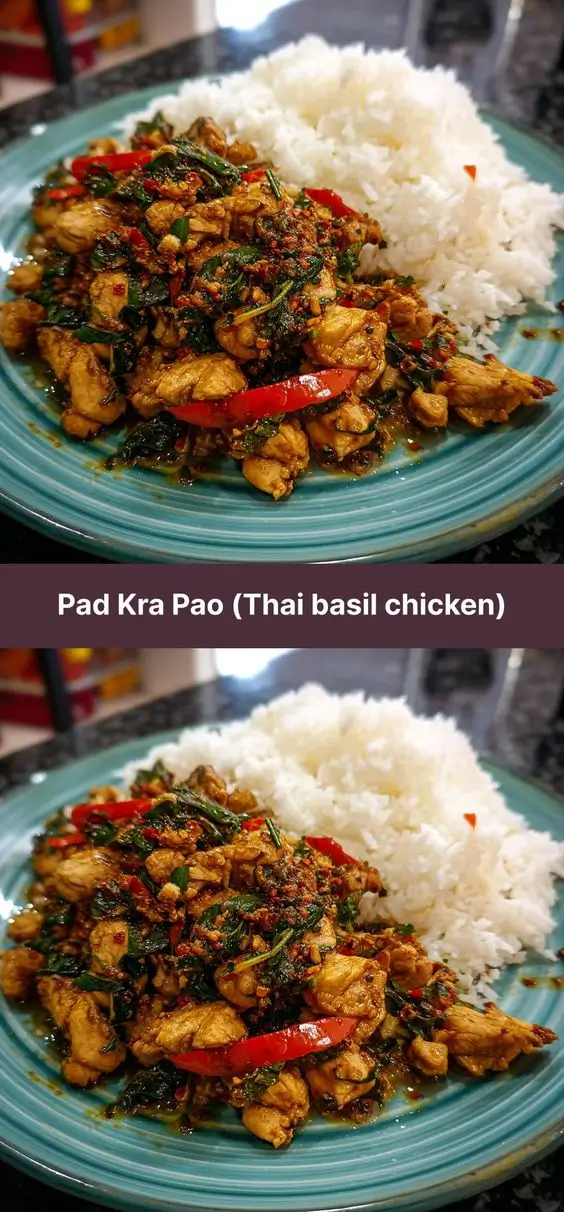
When it comes to Thai street food, few dishes capture the hearts and taste buds of locals and tourists alike quite like Pad Kra Pao, also known as Thai Basil Chicken. This sizzling, aromatic stir-fry is a staple across Thailand, served in humble roadside stalls, bustling markets, and upscale restaurants. With its bold combination of spicy, savory, sweet, and umami flavors, Pad Kra Pao is more than just a meal—it’s an experience that embodies the essence of Thai cuisine.
The History of Pad Kra Pao
The origins of Pad Kra Pao trace back to traditional Thai home cooking and street food culture. While exact historical records are scarce, the dish has long been associated with quick, flavorful meals made from readily available ingredients. “Pad” means “stir-fried,” “Kra Pao” refers to holy basil (not to be confused with sweet or Italian basil), and the most common protein used is minced chicken—though variations with pork, beef, or tofu are equally popular.
Originally, Pad Kra Pao was likely developed as a way to use leftover meat and fresh herbs, transforming them into something vibrant and satisfying with minimal effort. Over time, it evolved into a national favorite, often enjoyed at any time of day but especially popular for lunch and dinner. Today, it’s not uncommon to see Thais ordering Pad Kra Pao with a fried egg on top, served over steamed jasmine rice—a combo affectionately referred to as “Khai Dao” (meaning “fried egg”) in Thai eateries.
The dish gained international recognition in the 2000s as Thai cuisine spread globally. Its appeal lies not only in its explosive flavor profile but also in its simplicity and adaptability. From Bangkok night markets to New York food trucks, Pad Kra Pao continues to win over palates worldwide.
Ingredients Breakdown: What Makes Pad Kra Pao So Special?
The magic of Pad Kra Pao lies in its carefully balanced ingredients. Each component plays a vital role in creating the complex harmony of heat, salt, sweetness, and aroma that defines authentic Thai cooking. Here’s a detailed look at what goes into this beloved dish:
- Ground Chicken: Traditionally, boneless chicken thigh meat is minced for its juiciness and rich flavor, though ground breast can be used for a leaner option.
- Holy Basil (Kaphrao): This is the star herb. Holy basil (Ocimum tenuiflorum) has a peppery, slightly spicy flavor with clove-like notes—distinctly different from sweet or Thai basil. It wilts quickly when cooked, releasing its fragrance into the dish.
- Fresh Chilies: Bird’s eye chilies (prik kee noo) provide intense heat. The number used depends on your spice tolerance.
- Garlic: Adds pungency and depth; finely chopped or crushed for maximum flavor release.
- Shallots or Onion: Often sliced thinly or chopped, they contribute sweetness and texture.
- Fish Sauce (Nam Pla): A cornerstone of Thai seasoning, providing salty umami richness without overpowering.
- Oyster Sauce: Adds body, slight sweetness, and a glossy sheen to the sauce.
- Soy Sauce: Light soy sauce enhances color and saltiness; dark soy may be added sparingly for deeper hue.
- Sugar (Palm or White): Balances the salt and heat. Palm sugar offers a subtle caramel note.
- Cooking Oil: Neutral oil like vegetable or canola works best for high-heat stir-frying.
- Fried Egg (Optional but Recommended): Served sunny-side up or over-easy (“khai dao”), the runny yolk adds creaminess.
- Jasmine Rice: The classic base—fragrant, fluffy, and slightly sticky—to soak up every drop of sauce.
Step-by-Step Recipe: How to Make Authentic Pad Kra Pao at Home
Recreating restaurant-quality Pad Kra Pao at home is easier than you think. Follow these detailed steps to achieve that perfect balance of flavor and texture.
Ingredients (Serves 2–3):
- 500g (1.1 lbs) ground chicken (preferably thigh meat)
- 1 cup fresh holy basil leaves (tightly packed)
- 6–8 bird’s eye chilies, finely chopped (adjust to taste)
- 4 cloves garlic, minced
- 1 small shallot, thinly sliced (or ¼ onion)
- 2 tbsp neutral oil (vegetable, canola, or peanut)
- 1½ tbsp fish sauce
- 1 tbsp oyster sauce
- 1 tsp light soy sauce
- ½ tsp palm sugar (or white sugar)
- Salt to taste (use sparingly due to fish sauce)
- 2–3 eggs (for serving)
- 2 cups cooked jasmine rice
- Garnish: Sliced cucumber, lime wedges
Directions:
- Prepare All Ingredients: Mise en place is crucial in stir-frying. Chop garlic, chilies, and shallots. Measure out sauces. Have holy basil ready. Cook jasmine rice ahead of time if needed.
- Heat the Wok or Pan: Place a wok or large skillet over high heat until smoking hot. Add oil and swirl to coat.
- Sauté Aromatics: Add garlic, chilies, and shallots. Stir-fry for about 30 seconds until fragrant but not burnt.
- Cook the Chicken: Add ground chicken, breaking it apart with a spatula. Stir constantly to prevent clumping. Cook for 3–4 minutes until fully browned and no longer pink.
- Add Sauces: Pour in fish sauce, oyster sauce, soy sauce, and sugar. Mix well to combine. Let simmer for another minute so flavors meld together.
- Incorporate Holy Basil: Toss in the holy basil leaves. Stir rapidly for 20–30 seconds until just wilted and aromatic. Do not overcook—the leaves should retain some color and fragrance.
- Taste and Adjust: Check seasoning. Add a pinch more sugar for balance or a splash more fish sauce for saltiness. Some versions include a squeeze of lime juice for brightness.
- Fry the Eggs: In the same wok (after removing the meat mixture), add a bit more oil. Crack eggs into the pan and fry until the whites are set but yolks remain runny (khai dao style).
- Plate and Serve: Spoon hot jasmine rice onto plates. Top with Pad Kra Pao. Place a fried egg on each serving. Garnish with cucumber slices and lime wedges on the side.
- Enjoy Immediately!: Pad Kra Pao is best eaten fresh and piping hot while the egg yolk is still flowing.
Pro Tips for the Best Pad Kra Pao
- Use High Heat: Authentic stir-fries rely on high heat to sear ingredients quickly, locking in flavor and preventing sogginess.
- Don’t Skip the Holy Basil: Substituting sweet basil changes the character entirely. If you can’t find fresh holy basil, look for frozen or dried versions online—but nothing beats the real thing.
- Brown the Meat Properly: Allow the chicken to develop some crust before stirring too much. This builds fond (browned bits) which enhances flavor.
- Balance Your Seasonings: Taste as you go. The ideal Pad Kra Pao should hit all five tastes: salty (fish sauce), sweet (sugar), sour (optional lime), bitter (basil/chili), and umami (oyster/fish sauce).
- Fry the Egg Right Before Serving: For the perfect “khai dao,” use a non-stick pan and let the edges crisp slightly while keeping the yolk soft.
- Customize Spice Level: Remove chili seeds for milder heat. Add more chilies or even a dash of chili oil for extra fire.
- Double the Batch: This dish reheats reasonably well (though basil loses vibrancy). Store leftovers in an airtight container for up to 2 days.
Variations and Customizations
One of the great things about Pad Kra Pao is how adaptable it is. While chicken is classic, countless twists keep this dish exciting:
- Pork Pad Kra Pao: Minced pork (especially shoulder) is richer and more traditional in many regions.
- Beef Version: Ground sirloin or ribeye adds a deeper, meatier flavor profile.
- Seafood Twist: Use chopped squid, shrimp, or scallops for a coastal variation.
- Vegan/Vegetarian Pad Kra Pao: Substitute meat with crumbled tofu, tempeh, or plant-based grounds. Replace fish sauce with soy sauce or vegan fish sauce alternative.
- Different Herbs: In a pinch, Thai basil can substitute for holy basil (but expect a sweeter, less spicy note). Avoid Italian basil.
- Gluten-Free Option: Ensure oyster sauce is gluten-free (many brands now offer GF versions) or replace with mushroom sauce.
- Low-Carb/Keto Style: Serve over cauliflower rice or zucchini noodles instead of jasmine rice.
- Extra Veggies: Add bell peppers, green beans, mushrooms, or baby corn during stir-frying for added nutrition and crunch.
- With Noodles: Turn it into a noodle dish by tossing with rice vermicelli or egg noodles.
- Spicy Drunken Style: Add a splash of Thai whiskey (like Mekhong) or rice wine during cooking for a “drunken” twist.
Health Considerations and Nutritional Value
Pad Kra Pao can be both nutritious and indulgent depending on preparation. Here’s a breakdown of its health aspects:
Nutritional Highlights (per serving, approx. 1 cup meat + rice + egg):
- Calories: ~550–650 kcal
- Protein: 30–35g (excellent source from chicken and egg)
- Fat: 20–25g (mostly healthy fats from oil and egg yolk)
- Carbohydrates: 50–60g (primarily from rice)
- Sodium: Moderate to high (due to fish and oyster sauces)—can be reduced by using low-sodium versions.
Health Benefits:
- Holy Basil: Known in Ayurveda and Thai medicine for anti-inflammatory, antioxidant, and stress-reducing properties.
- Garlic and Chilies: Boost metabolism, support immune function, and have antimicrobial effects.
- Lean Protein Source: Chicken provides essential amino acids for muscle repair and satiety.
- Iron and B Vitamins: Found in chicken and egg yolks, important for energy production and brain health.
Considerations:
- Sodium Content: Traditional recipes can be high in sodium. Reduce fish/oyster sauce by half and boost flavor with extra garlic, chili, or a splash of lime.
- Saturated Fat: Choose lean ground chicken and limit oil to 1 tbsp per batch for heart-healthier results.
- Balanced Meal: Pair with steamed vegetables or a side salad to increase fiber and micronutrient intake.
- Allergies: Contains fish sauce (shellfish-derived in some cases), eggs, and soy. Always check labels for allergens.
Frequently Asked Questions (FAQ)
What is the difference between holy basil, Thai basil, and sweet basil?
Holy basil (kaphrao) has a spicy, peppery, clove-like flavor and fuzzy stems. Thai basil has licorice notes and smooth purple stems. Sweet basil (Italian) is milder and more floral. Only holy basil gives authentic Pad Kra Pao its signature kick.
Can I make Pad Kra Pao without fish sauce?
Yes. Use soy sauce, tamari, or coconut aminos for saltiness. For umami depth, add a bit of miso paste or mushroom powder. Vegan fish sauce is also widely available.
Why does my Pad Kra Pao turn out soggy?
Most likely causes: using low heat, overcrowding the pan, or adding too much sauce. Always cook on high flame and avoid excess liquid. Pre-cook watery vegetables separately if adding.
Can I freeze Pad Kra Pao?
It’s best fresh, but you can freeze the meat mixture (without basil) for up to 1 month. Reheat in a wok and add fresh basil at the end.
Is Pad Kra Pao supposed to be spicy?
Traditionally, yes. But spice levels vary by region and preference. You control the heat—start with 2 chilies and adjust upward.
Can I use pre-ground meat from the store?
Absolutely. Just ensure it’s fresh and not overly lean, as some fat helps with flavor and moisture.
What kind of rice should I serve with Pad Kra Pao?
Steamed jasmine rice is traditional. Sticky rice works too, especially in Northern Thailand. Brown rice is a healthier alternative.
Can I make it ahead of time?
You can prep ingredients in advance (chop aromatics, measure sauces), but always cook fresh for optimal taste and texture.
Summary
Pad Kra Pao, or Thai Basil Chicken, is a fiery, fragrant stir-fry that showcases the bold soul of Thai street food—featuring minced chicken, holy basil, chilies, garlic, and savory sauces served over jasmine rice with a golden fried egg on top.
Easy to customize, deeply satisfying, and packed with flavor, this iconic dish brings the vibrant energy of Thailand’s culinary scene straight to your kitchen.