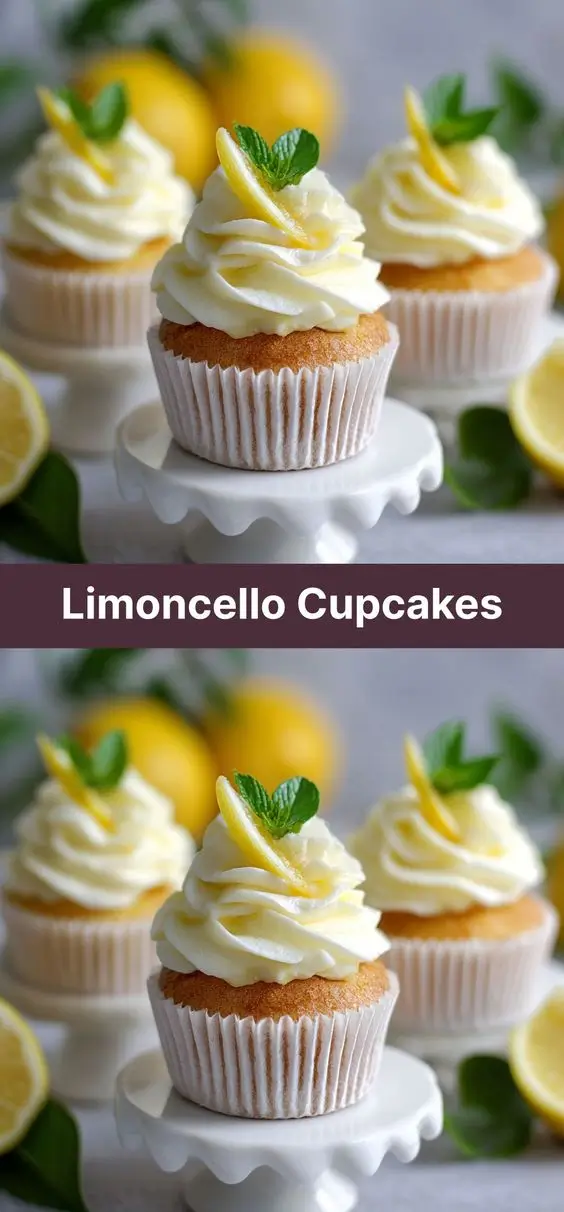
Limoncello Cupcakes: A Zesty Italian Delight in Every Bite
Imagine the sun-kissed coasts of the Amalfi, where lemon trees grow abundantly along terraced hillsides, their golden fruits heavy with tangy-sweet juice. Now imagine capturing that essence in a tender, moist cupcake infused with the bright flavor of limoncello liqueur. Limoncello cupcakes are a modern twist on traditional Italian flavors, combining the beloved citrus liqueur with classic baking techniques to create a dessert that’s both elegant and comforting. Whether you’re hosting a dinner party, celebrating a special occasion, or simply treating yourself, these cupcakes bring a burst of Mediterranean sunshine to your plate.
The History Behind the Flavor
Limoncello itself traces its roots to southern Italy—particularly the regions of Campania, Sicily, and the Amalfi Coast—where it has been made for generations using simple, high-quality ingredients: lemon zest, alcohol, sugar, and water. Traditionally served chilled as a digestif after meals, limoncello is known for its vibrant yellow hue and intense lemon flavor. While there’s no definitive record of when limoncello first appeared, many believe it originated in the early 20th century in Sorrento or Capri, where local families began crafting the liqueur from the region’s famous Femminello St. Teresa lemons.
The idea of incorporating limoncello into baked goods emerged more recently, as home bakers and pastry chefs sought creative ways to highlight its unique taste beyond sipping. Cupcakes, already popular for their portability and personal serving size, became the perfect canvas. By blending limoncello into cake batter and frostings, bakers could deliver a balanced harmony of sweet, tart, and boozy notes—all within a single bite-sized treat. Today, limoncello cupcakes are found in upscale bakeries, wedding menus, and gourmet dessert spreads across Europe and North America, symbolizing a fusion of old-world charm and contemporary indulgence.
Ingredients Breakdown: What Makes These Cupcakes Shine
The magic of limoncello cupcakes lies not just in the liqueur but in how each ingredient contributes to texture, moisture, and flavor balance. Let’s break them down:
- All-Purpose Flour: Provides the structural base for the cupcakes. It contains gluten-forming proteins that give the crumb stability without becoming dense.
- Baking Powder & Baking Soda: Leavening agents that help the cupcakes rise evenly and stay light. The combination ensures optimal lift and softness.
- Salt: Enhances all other flavors and balances sweetness, preventing the cupcakes from tasting flat or overly sugary.
- Unsalted Butter (room temperature): Adds richness and helps create a creamy texture during creaming. Using unsalted allows control over salt levels.
- Granulated Sugar: Sweetens the batter and aids in aeration when beaten with butter, contributing to a fluffy texture.
- Large Eggs (room temperature): Bind the ingredients together and add structure and moisture. Room-temperature eggs blend more smoothly into the batter.
- Whole Milk or Buttermilk: Adds tenderness and moisture. Buttermilk introduces a slight tang that complements the lemon flavor.
- Pure Vanilla Extract: Deepens the overall flavor profile, adding warmth behind the brightness of lemon.
- Fresh Lemons: Used for both zest and juice. The zest contains aromatic oils essential for authentic lemon flavor, while the juice adds acidity and freshness.
- Limoncello Liqueur: The star ingredient. High-quality limoncello brings concentrated lemon essence and a subtle alcoholic note that bakes off partially, leaving behind complex citrus aroma.
- Cream Cheese or Buttercream Frosting Base: Typically used for topping. Cream cheese pairs beautifully with lemon, offering a tangy contrast, while buttercream can be enriched with extra limoncello for a smoother finish.
- Confectioners’ Sugar: Sweetens and thickens the frosting, giving it a smooth, spreadable consistency.
- Optional Garnishes: Candied lemon slices, lemon zest curls, edible flowers, or white chocolate shavings elevate presentation and enhance flavor.
Step-by-Step Recipe: How to Make Perfect Limoncello Cupcakes
Follow this detailed guide to bake moist, flavorful limoncello cupcakes with professional results—even if you’re new to baking.
Ingredients for the Cupcakes:
- 1 ½ cups (190g) all-purpose flour
- 1 ½ tsp baking powder
- ¼ tsp baking soda
- ½ tsp salt
- ½ cup (115g) unsalted butter, softened
- 1 cup (200g) granulated sugar
- 2 large eggs, room temperature
- ½ cup (120ml) whole milk or buttermilk
- 1 tbsp pure vanilla extract
- Zest of 2 large lemons
- 2 tbsp fresh lemon juice
- ¼ cup (60ml) limoncello liqueur (plus more for brushing, optional)
Ingredients for the Limoncello Cream Cheese Frosting:
- 8 oz (225g) full-fat cream cheese, softened
- ½ cup (115g) unsalted butter, softened
- 3 cups (360g) confectioners’ sugar, sifted
- 2–3 tbsp limoncello liqueur
- 1 tsp lemon zest
- Pinch of salt
Directions:
- Preheat and Prepare: Preheat your oven to 350°F (175°C). Line a standard 12-cup muffin tin with paper liners or grease lightly.
- Mix Dry Ingredients: In a medium bowl, whisk together flour, baking powder, baking soda, and salt. Set aside.
- Cream Butter and Sugar: In a large mixing bowl, beat the softened butter and granulated sugar together on medium-high speed until light and fluffy—about 3–4 minutes. Scrape down the sides as needed.
- Add Eggs One at a Time: Beat in the eggs, one at a time, ensuring each is fully incorporated before adding the next. Mix in the vanilla extract.
- Incorporate Lemon Elements: Stir in the lemon zest and lemon juice. This infuses the base with fresh citrus flavor.
- Alternate Wet and Dry Ingredients: With the mixer on low, add one-third of the dry mixture, followed by half the milk (or buttermilk), then another third of dry, the remaining milk, and finally the last of the dry mix. Mix just until combined—do not overmix. Overmixing leads to tough cupcakes.
- Add Limoncello: Gently fold in the ¼ cup limoncello by hand using a spatula. This preserves air bubbles and keeps the batter light.
- Fill Cupcake Liners: Divide the batter evenly among the prepared cups, filling each about ⅔ full to allow for rising.
- Bake: Bake for 18–22 minutes, or until a toothpick inserted into the center comes out clean. The tops should be lightly golden and spring back when touched.
- Cool Completely: Allow cupcakes to cool in the pan for 5 minutes, then transfer to a wire rack to cool completely. Do not frost warm cupcakes—they will melt the frosting.
- Optional Soak (For Extra Flavor): Once cooled, use a toothpick to poke small holes in the top of each cupcake and lightly brush with an additional teaspoon of limoncello. Let absorb before frosting.
- Make the Frosting: In a large bowl, beat the cream cheese and butter together until smooth and creamy. Gradually add the sifted confectioners’ sugar, one cup at a time, beating well after each addition.
- Flavor the Frosting: Add 2 tablespoons of limoncello, lemon zest, and a pinch of salt. Beat until smooth. If too thin, add more sugar; if too thick, add another tablespoon of limoncello.
- Frost and Decorate: Use a piping bag fitted with a star tip to swirl the frosting onto each cupcake. Alternatively, spread with a knife for a rustic look. Garnish with lemon zest, candied lemon slices, or white chocolate curls.
- Chill Before Serving: For best texture, refrigerate cupcakes for at least 30 minutes before serving to set the frosting.
Tips for Success: Baking Like a Pro
- Use Quality Limoncello: Since it’s a key flavor, choose a reputable brand or even homemade limoncello. Avoid artificially flavored or overly sweet versions.
- Room-Temperature Ingredients: Cold eggs or butter won’t emulsify properly, leading to curdled batter. Take everything out 1–2 hours ahead.
- Don’t Overmix: Once flour is added, mix only until just combined. Overmixing develops gluten and results in dense cupcakes.
- Zest Before Juicing: Lemons are easier to zest when whole and unwashed. Wash thoroughly before zesting to remove any wax or residue.
- Measure Flour Correctly: Spoon flour into the measuring cup and level off with a knife. Scooping packs it down and leads to dry cupcakes.
- Check Oven Temperature: An inaccurate oven can ruin baking times. Use an oven thermometer to verify heat.
- Even Filling: Use a cookie scoop or ice cream scoop to portion batter evenly for uniformly sized cupcakes.
- Storage Tip: Keep frosted cupcakes refrigerated due to the cream cheese frosting. Bring to room temperature 15–20 minutes before serving for best flavor.
Variations and Customizations: Make It Your Own
These cupcakes are wonderfully adaptable. Here are some delicious twists:
- Gluten-Free Version: Substitute the all-purpose flour with a 1:1 gluten-free baking blend containing xanthan gum for structure.
- Dairy-Free Option: Replace butter with vegan butter (like Earth Balance), use almond or oat milk instead of dairy, and opt for dairy-free cream cheese in the frosting.
- Alcohol-Free Limoncello Cupcakes: Replace limoncello with equal parts lemon syrup (made from simmering lemon zest, sugar, and water) or high-quality lemon extract diluted in water.
- Lemon Poppy Seed Limoncello: Add 2 tablespoons of poppy seeds to the batter for a delightful crunch and bakery-style flair.
- Blueberry-Limoncello Swirl: Gently fold in ½ cup fresh blueberries or swirl in blueberry compote for a fruity summer variation.
- Mini Limoncello Cupcakes: Use a mini muffin tin and reduce baking time to 10–12 minutes. Perfect for parties!
- Layered Dessert Jars: Crumble cupcakes and layer with frosting and whipped cream in mason jars for a trifle-like treat.
- Boozy Adult Version: Increase limoncello in the batter and frosting slightly (up to ⅓ cup in batter, ¼ cup in frosting) for a stronger kick—ideal for cocktail parties.
- White Chocolate-Limoncello Fusion: Fold ½ cup chopped white chocolate into the batter or drizzle melted white chocolate over frosted cupcakes.
- Savory-Sweet Herb Twist: Add a few finely minced thyme or basil leaves to the batter for an herbal complexity that elevates the lemon.
Health Considerations and Nutritional Value
While undeniably decadent, limoncello cupcakes can be enjoyed mindfully. Here’s what you should know:
- Caloric Content: One average frosted cupcake contains approximately 320–380 calories, depending on size and frosting amount.
- Sugar Levels: These are moderately high in sugar due to both the cake and frosting. A single cupcake may contain 30–40g of sugar. Consider reducing sugar slightly in the batter (by ¼ cup) or using monk fruit-sweetened alternatives for lower glycemic impact.
- Alcohol Content: Most of the alcohol bakes off during cooking, but residual amounts remain—especially if brushed post-bake. Not suitable for children, pregnant individuals, or those avoiding alcohol.
- Dairy and Fat: Contains saturated fat from butter and cream cheese. Opt for reduced-fat versions cautiously—too much substitution can affect texture.
- Lemons – A Bright Spot: Rich in vitamin C and antioxidants, lemon zest and juice contribute beneficial phytonutrients and support immune function.
- Portion Control: Serve smaller mini cupcakes or cut regular ones into petits fours for tastings without overindulgence.
- Allergens: Contains gluten, dairy, eggs, and potential tree nut traces if using alternative milks. Always label accordingly for guests.
Enjoy these cupcakes occasionally as part of a balanced diet. Their mood-lifting citrus aroma and satisfying texture make them worth the treat!
Frequently Asked Questions (FAQ)
Can I make limoncello cupcakes without alcohol?
Yes! Replace limoncello with homemade lemon syrup (simmer ½ cup water, ½ cup sugar, and zest of 1 lemon for 10 minutes, then strain and cool) or use non-alcoholic lemon extract mixed with water.
How long do limoncello cupcakes last?
Refrigerated in an airtight container, they keep for up to 5 days. Freeze unfrosted cupcakes for up to 3 months; thaw and frost before serving.
Why did my cupcakes sink in the middle?
Common causes include underbaking, opening the oven too early, too much leavening agent, or overmixing. Ensure accurate measurements and avoid drafts.
Can I use store-bought limoncello frosting?
While convenient, most store-bought frostings lack real limoncello flavor. For authenticity, make your own—it takes only 5–10 minutes.
Are these cupcakes safe for kids?
Due to residual alcohol, we recommend omitting limoncello or using a non-alcoholic substitute if serving to children.
Can I bake these as a cake instead?
Absolutely! Pour the batter into a greased and floured 8-inch round cake pan. Bake at 350°F for 30–35 minutes. Double the recipe for a two-layer cake.
My frosting is too runny—how do I fix it?
Add more confectioners’ sugar, one tablespoon at a time, until desired thickness is reached. Chill for 15 minutes to firm up.
Can I freeze frosted cupcakes?
Not ideal—the frosting may crack or absorb odors. Freeze unfrosted cupcakes, then thaw, frost, and decorate fresh.
What kind of lemons should I use?
Eureka or Lisbon lemons are widely available and work perfectly. For gourmet flair, seek out Meyer lemons—they’re sweeter and less acidic, creating a more floral cupcake.
Can I use bottled lemon juice?
Freshly squeezed is always best for flavor and brightness. Bottled juice often tastes flat or metallic due to preservatives.
Summary
Limoncello cupcakes blend the vibrant spirit of southern Italy with the joy of American-style baking, resulting in irresistibly moist, citrus-kissed treats infused with homemade charm and a hint of sophistication. From their zesty crumb to their luxuriously creamy frosting, every bite offers a refreshing escape to sun-drenched lemon groves.