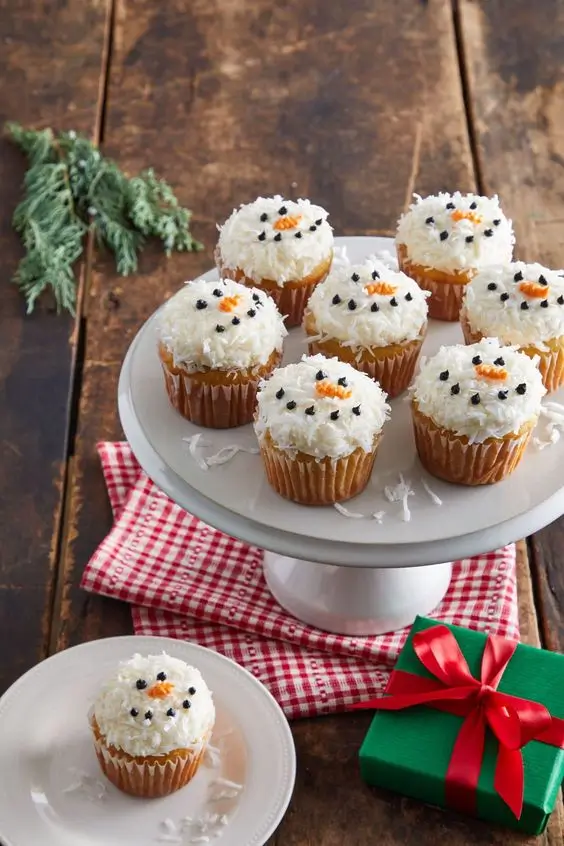
Treat Your Family to Delicious Christmas Goodies: A Festive Guide to Baking Joy
There’s something truly magical about the aroma of freshly baked treats wafting through the house during the holiday season. The twinkling lights, the crackling fire, and the sound of laughter—all come together in perfect harmony when you treat your family to delicious Christmas goodies. Whether it’s cookies shaped like snowmen, spiced gingerbread houses, or rich fudge that melts on the tongue, homemade holiday treats are more than just desserts; they’re edible expressions of love, tradition, and celebration. In this comprehensive guide, we’ll take you through the rich history of Christmas baking, break down essential ingredients, provide a detailed step-by-step recipe, share expert tips, explore variations, consider health aspects, answer frequently asked questions, and wrap it all up with a joyful summary. Get ready to create memories one sweet bite at a time.
The History of Christmas Baking Traditions
The tradition of baking special treats during the Christmas season stretches back centuries and across continents, rooted deeply in cultural, religious, and seasonal customs. In medieval Europe, winter festivals were times of feasting after the harvest and before the lean months of winter. Spices such as cinnamon, cloves, nutmeg, and ginger—once considered luxuries imported from distant lands—were reserved for special occasions, making spiced baked goods a symbol of abundance and festivity.
Gingerbread, one of the most iconic Christmas treats, dates back to the 15th century in Germany and England. Elaborate gingerbread figures and houses became popular during the Victorian era, inspired by the fairy tale of Hansel and Gretel. In Scandinavia, families have long baked pepparkakor (spicy ginger cookies), while in Italy, panettone—a sweet, fluffy bread studded with candied fruit—has been a Yuletide favorite since the Renaissance.
In North America, Christmas baking evolved with waves of immigration, blending German lebkuchen, Mexican polvorones, Eastern European spritz cookies, and Southern pecan tassies into a rich tapestry of flavors. These traditions aren’t just about indulgence—they’re rituals passed down through generations, often tied to family gatherings, church bazaars, cookie exchanges, and festive gift-giving. Today, baking Christmas goodies remains a beloved way to connect with loved ones, express creativity, and celebrate the spirit of giving.
Ingredients Breakdown: What Makes Christmas Treats So Special
The magic of Christmas baking lies not only in technique but also in the unique combination of ingredients that define the season. Let’s explore the key components that make these goodies so irresistibly festive:
- Butter: High-quality unsalted butter is the foundation of most Christmas cookies and pastries. It provides richness, tenderness, and a luxurious mouthfeel. Using room-temperature butter ensures even mixing and proper aeration.
- Sugar: Granulated sugar adds sweetness and helps with browning, while brown sugar contributes moisture and a deep molasses flavor—especially important in gingerbread and spice cookies.
- Eggs: Eggs bind ingredients together, add structure, and contribute to leavening. Room-temperature eggs blend more smoothly into batters.
- Flour: All-purpose flour is standard, but some recipes call for cake flour for a softer texture or whole wheat for a heartier taste. Sifting flour prevents clumping and ensures a light consistency.
- Spices: This is where the holiday flavor shines. Cinnamon, nutmeg, ginger, cloves, allspice, and cardamom are staples. Freshly ground spices offer a more vibrant aroma and taste.
- Vanilla Extract: Pure vanilla extract enhances sweetness and rounds out flavors. Avoid imitation vanilla for best results.
- Leavening Agents: Baking soda and baking powder help cookies rise and spread appropriately. Make sure they’re fresh—old leaveners can result in flat or dense treats.
- Add-ins: Chocolate chips, chopped nuts (like pecans, walnuts, or almonds), dried fruit (cranberries, cherries, raisins), citrus zest, and candy pieces add texture and complexity.
- Decorative Elements: Royal icing, colored sugars, sprinkles, edible glitter, and melted chocolate turn simple cookies into festive works of art.
Many traditional recipes also include alcohol such as rum, brandy, or bourbon, which enhances flavor and preserves moisture in items like fruitcake. For those avoiding alcohol, apple juice or strong coffee can be substituted without sacrificing depth.
Step-by-Step Recipe: Classic Holiday Sugar Cookies
No holiday spread is complete without a batch of soft, buttery sugar cookies—perfect for cutting into festive shapes and decorating with royal icing. Follow this foolproof recipe to create a family favorite that will become a cherished tradition.
Ingredients
- 1 cup (2 sticks / 226g) unsalted butter, softened
- 1 cup granulated sugar
- 1 large egg, room temperature
- 2 teaspoons pure vanilla extract
- 3 ½ cups (440g) all-purpose flour
- 1 teaspoon baking powder
- ½ teaspoon salt
- ¼ teaspoon baking soda
- Zest of 1 lemon (optional, for brightness)
Directions
- Prepare Ingredients: Ensure all ingredients are at room temperature for smooth blending. Preheat oven to 350°F (175°C). Line baking sheets with parchment paper or silicone mats.
- Cream Butter and Sugar: In a large mixing bowl, beat butter and sugar together using an electric mixer on medium speed until light and fluffy (about 3–4 minutes). Scrape down the sides as needed.
- Add Wet Ingredients: Beat in the egg and vanilla extract until fully incorporated. Mix in lemon zest if using.
- Combine Dry Ingredients: In a separate bowl, whisk together flour, baking powder, salt, and baking soda.
- Mix Dough: Gradually add dry ingredients to the wet mixture on low speed until just combined. Do not overmix. The dough should be soft but not sticky.
- Chill Dough: Divide dough into two equal portions, flatten into discs, wrap in plastic wrap, and refrigerate for at least 1 hour (up to 48 hours). Chilling prevents spreading and makes rolling easier.
- Roll and Cut: On a lightly floured surface, roll one disc of dough to ¼-inch thickness. Use festive cookie cutters (stars, trees, snowflakes, etc.) to cut shapes. Transfer carefully to prepared baking sheets, spacing 1 inch apart.
- Bake: Bake for 8–10 minutes, or until edges are just beginning to turn golden. Centers should remain pale.
- Cool: Let cookies cool on the baking sheet for 5 minutes, then transfer to wire racks to cool completely before decorating.
- Decorate: Once cooled, decorate with royal icing, glaze, or powdered sugar. Allow decorations to set before storing.
Expert Tips for Perfect Christmas Baking Every Time
- Use a Kitchen Scale: Measuring ingredients by weight ensures accuracy and consistency, especially with flour, which can vary greatly when scooped with a measuring cup.
- Don’t Skip the Chill: Chilling cookie dough not only prevents overspreading but also enhances flavor development as the ingredients meld.
- Rotate Pans: Ovens often have hot spots. Rotate baking sheets halfway through baking for even browning.
- Avoid Overbaking: Cookies continue to cook slightly on the hot baking sheet after removal. Pull them out when they look slightly underdone for soft, chewy results.
- Uniform Thickness: Roll dough evenly to ensure all cookies bake at the same rate. Use rolling pin guides or dowels for precision.
- Label Your Cutters: Keep track of shapes by labeling cutters or organizing cookies by type before baking.
- Freeze for Later: Freeze unbaked dough logs or cut-out shapes on trays, then transfer to freezer bags. Bake straight from frozen, adding 1–2 minutes to bake time.
- Storage Matters: Store cooled, undecorated cookies in airtight containers with layers separated by parchment. Decorated cookies should be stored in single layers to prevent smudging.
- Fresh Spices: Test your spices—if they don’t smell aromatic, replace them. Old spices lose potency and won’t deliver that signature holiday warmth.
- Involve the Kids: Let children help with rolling, cutting, and decorating. Provide non-toxic food colors and fun toppings to spark joy and creativity.
Variations and Customizations: Make It Your Own
One of the joys of Christmas baking is personalization. Here are creative ways to customize your treats:
- Gluten-Free Option: Substitute all-purpose flour with a 1:1 gluten-free baking blend. Add ¼ teaspoon xanthan gum if not included in the mix.
- Dairy-Free Version: Use plant-based butter (like coconut oil-based sticks) and dairy-free chocolate chips.
- Vegan Twist: Replace egg with a flax egg (1 tablespoon ground flaxseed + 3 tablespoons water, let sit 5 minutes). Use vegan butter and ensure sugar is certified vegan.
- Flavor Infusions: Add almond extract, orange zest, or espresso powder to the dough for a flavor boost.
- Chocolate-Dipped: Dip cooled cookies halfway in melted dark, milk, or white chocolate. Sprinkle with crushed peppermint, sea salt, or sprinkles before setting.
- Stuffed Cookies: Place a small piece of caramel, chocolate, or jam in the center before baking for a gooey surprise.
- Mini Versions: Make bite-sized cookies for party favors or edible ornaments.
- Regional Twists: Try Mexican wedding cookies (rolled in cinnamon sugar), Italian pizzelle, or German Springerle for international flair.
- Cookie Bars: Press dough into a pan and bake as bars for easy slicing and serving—great for potlucks.
- Edible Gifts: Package decorated cookies in cellophane bags tied with ribbon, or layer in festive tins with wax paper between layers.
Health Considerations and Nutritional Value
While Christmas goodies are meant to be enjoyed in moderation, it’s helpful to understand their nutritional impact and how to make mindful choices:
- Portion Control: Serve small portions and balance with healthier options like fruit platters or cheese boards.
- Sugar Awareness: Many holiday recipes are high in added sugars. Consider reducing sugar by 10–20% in most cookie recipes without sacrificing texture.
- Healthier Fats: While butter is traditional, substituting part of it with unsweetened applesauce or mashed banana can reduce saturated fat (though texture may change).
- Nut Benefits: Nuts add protein, fiber, and healthy fats. Choose unsalted, raw, or dry-roasted varieties.
- Whole Grains: Swap up to half the all-purpose flour for whole wheat pastry flour to increase fiber content.
- Allergen Awareness: Be mindful of common allergens—nuts, dairy, eggs, wheat, soy. Label treats clearly if sharing with guests.
- Calorie Estimate: A typical sugar cookie (2-inch) has about 80–100 calories, depending on size and add-ins. Decorations like icing and chocolate can add 20–50 extra calories per cookie.
- Balanced Indulgence: Pair treats with physical activity—go for a walk after baking, or organize a family cookie-decorating dance party!
Frequently Asked Questions (FAQ)
Q: Can I make Christmas cookie dough ahead of time?
A: Absolutely! Most cookie doughs can be refrigerated for 2–3 days or frozen for up to 3 months. Wrap tightly in plastic or store in airtight containers.
Q: Why did my cookies spread too much?
A: Common causes include warm dough, soft butter, insufficient flour, or hot baking sheets. Always chill dough and let pans cool between batches.
Q: How do I get crisp royal icing lines?
A: Use piping-consistency icing for outlines and flood-consistency for filling. Let the outline dry for 15–30 minutes before flooding.
Q: Can I freeze baked cookies?
A: Yes! Freeze undecorated, cooled cookies in a single layer, then pack in freezer-safe containers with parchment between layers. Thaw at room temperature.
Q: What’s the best way to store decorated cookies?
A: Keep in an airtight container at room temperature, away from sunlight and moisture. Avoid stacking unless separated by wax paper.
Q: Are there egg-free alternatives for binding?
A: Yes—try flax eggs, chia eggs, commercial egg replacers, or mashed banana (best in spiced or chocolate-based recipes).
Q: How far in advance can I bake Christmas cookies?
A: Most hold well for 1–2 weeks when stored properly. Freeze for longer storage. Delicate meringues or cream-filled cookies are best made closer to serving.
Q: Can I use honey or maple syrup instead of sugar?
A: Not directly—liquid sweeteners alter texture and spread. Best to stick with granulated or brown sugar in most cookie recipes.
Summary
Treat your family to delicious Christmas goodies by embracing time-honored traditions, using quality ingredients, and infusing each batch with love and creativity. From classic sugar cookies to bold global variations, these festive treats bring joy, connection, and the true spirit of the season to your holiday table.