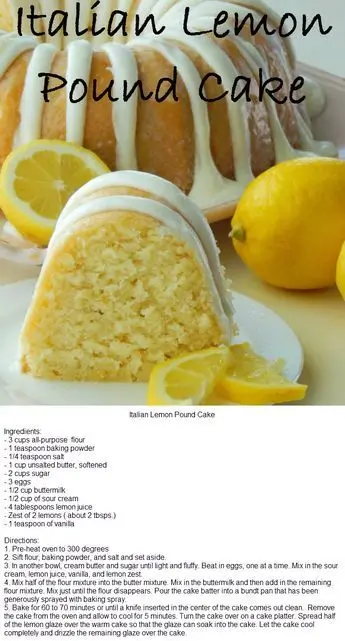
Italian Lemon Pound Cake: A Citrus-Infused Delight from the Heart of Italy
The History
The Italian Lemon Pound Cake, known in Italy as torta al limone, traces its roots back to traditional European baking customs that date to the 18th century. While pound cake itself originated in Northern Europe—named for its original recipe calling for a pound each of flour, sugar, butter, and eggs—it evolved uniquely across regions. In Italy, particularly in sun-drenched coastal areas like the Amalfi Coast and Sicily, lemons have long been a staple ingredient, celebrated not only for their vibrant flavor but also for their cultural significance.
Over time, Italian bakers began infusing classic pound cakes with locally grown lemons such as the famed Sorrento lemon (Limone di Sorrento), prized for its fragrant zest and balanced acidity. This adaptation transformed the dense, buttery loaf into a lighter, more aromatic dessert that perfectly complemented the Mediterranean palate. The Italian Lemon Pound Cake became a favorite at family gatherings, religious festivals, and holiday tables, symbolizing hospitality and the joy of sharing homemade treats.
Unlike American-style lemon cakes that often rely heavily on artificial extracts or powdered mixes, authentic Italian versions emphasize fresh ingredients and simplicity. The cake’s evolution reflects Italy’s broader culinary philosophy: letting high-quality components shine without overcomplication. Today, it remains a beloved staple in Italian homes and has gained international acclaim for its bright citrus notes and moist, tender crumb.
Ingredients Breakdown
Every great Italian Lemon Pound Cake begins with carefully selected, high-quality ingredients. Here’s an in-depth look at each component and why it matters:
- Unsalted Butter (1 cup / 226g): Provides richness and moisture while allowing control over salt content. European-style butter with higher fat content yields a silkier texture.
- Granulated Sugar (1 ½ cups / 300g): Sweetens the cake and contributes to its golden crust. Creaming it with butter traps air, aiding in leavening.
- Large Eggs (4–5, room temperature): Act as a binder and add structure. Room-temperature eggs emulsify better, creating a smoother batter.
- All-Purpose Flour (2 ½ cups / 300g): Offers the ideal balance of protein and starch for a soft yet sturdy crumb. Sifted to prevent lumps.
- Baking Powder (1 ½ teaspoons): A leavening agent that helps the cake rise gently without collapsing.
- Freshly Grated Lemon Zest (from 2–3 large lemons): The essence of the cake—intensely aromatic oils in the zest deliver bold citrus flavor.
- Fresh Lemon Juice (½ cup / 120ml): Adds tanginess and reacts with baking powder for extra lift. Must be freshly squeezed for optimal taste.
- Vanilla Extract (1 teaspoon): Enhances sweetness and complements the lemon without overpowering it.
- Salt (¼ teaspoon): Balances sweetness and heightens all flavors.
- Whole Milk or Heavy Cream (¼ cup / 60ml): Keeps the cake moist and improves mouthfeel.
For the glaze:
- Powdered Sugar (1 ½ cups / 180g): Forms the base of the glossy lemon glaze.
- Fresh Lemon Juice (2–3 tablespoons): Creates a tart-sweet icing that soaks slightly into the cake.
- Lemon Zest (optional, for garnish): Adds visual appeal and a burst of aroma.
Step-by-Step Recipe
- Preheat & Prepare: Preheat your oven to 350°F (175°C). Generously grease a 9×5-inch loaf pan with softened butter and dust with flour, tapping out excess. Alternatively, line with parchment paper for easy removal.
- Cream Butter and Sugar: In a large mixing bowl, beat the room-temperature unsalted butter and granulated sugar together using a hand mixer or stand mixer on medium-high speed until light, fluffy, and pale yellow—about 5 minutes. This step is crucial for achieving a tender texture.
- Add Eggs One at a Time: Add one egg at a time, beating well after each addition. Scrape down the sides of the bowl with a spatula to ensure even mixing. Once all eggs are incorporated, mix in the vanilla extract.
- Combine Dry Ingredients: In a separate bowl, whisk together the sifted all-purpose flour, baking powder, and salt. Ensure there are no clumps for a smooth batter.
- Incorporate Zest and Juice: Stir the freshly grated lemon zest into the lemon juice and let sit for 2–3 minutes. This draws out the essential oils. Add this mixture to the wet ingredients.
- Alternate Wet and Dry Ingredients: Gradually add one-third of the dry ingredients to the butter mixture, followed by half the milk. Mix just until combined. Repeat, ending with the final third of flour. Do not overmix—this prevents gluten development and keeps the cake tender.
- Pour and Smooth: Pour the thick, velvety batter into the prepared loaf pan. Use a spatula to spread evenly and tap the pan gently on the counter to release air bubbles.
- Bake: Place in the center rack of the oven and bake for 55 to 65 minutes, or until a wooden skewer inserted into the center comes out clean or with a few moist crumbs. The top should be deep golden brown and spring back when lightly pressed.
- Cool: Let the cake cool in the pan for 15 minutes, then turn it out onto a wire rack to cool completely before glazing.
- Prepare Glaze: Whisk powdered sugar and lemon juice together until smooth. Adjust consistency by adding more juice (thinner) or sugar (thicker).
- Glaze and Garnish: Drizzle the glaze over the cooled cake. Sprinkle with additional lemon zest if desired. Allow the glaze to set for 15–20 minutes before slicing.
Tips
- Use Room-Temperature Ingredients: Cold eggs or butter won’t emulsify properly, leading to a curdled batter and uneven texture.
- Zest Before Juicing: Lemons are easier to zest when whole and unwaxed. Roll them on the counter first to maximize juice yield.
- Don’t Overbake: Even 5 extra minutes can dry out the cake. Start checking at 50 minutes, especially at higher altitudes.
- Double the Zest: For a more intense lemon flavor, increase the zest to three full lemons.
- Let It Rest: Wrap the cooled cake in plastic wrap and let it sit overnight. The flavors deepen, and the texture becomes even more moist.
- Even Baking: If the top browns too quickly, tent loosely with aluminum foil during the last 15 minutes.
- Accurate Measuring: Spoon flour into the measuring cup and level off—don’t scoop directly from the bag to avoid compaction.
Variations and Customizations
The beauty of Italian Lemon Pound Cake lies in its versatility. Consider these creative twists:
- Limoncello-Infused Cake: Replace 2 tablespoons of milk with Limoncello liqueur for a boozy, floral kick. You can also brush the warm cake with a limoncello syrup (equal parts sugar, water, and ¼ cup limoncello).
- Almond-Enhanced Version: Substitute ½ cup of flour with finely ground almond meal or add ½ teaspoon almond extract for a marzipan-like depth.
- Berry Swirl: Fold in ¾ cup of fresh raspberries or blueberries (tossed in flour) for a fruity surprise.
- Olive Oil Twist: Replace half the butter with high-quality extra virgin olive oil for a rustic, moist texture and subtle grassy note.
- Gluten-Free Option: Use a 1:1 gluten-free flour blend with xanthan gum. Add ½ teaspoon psyllium husk for improved structure.
- Dairy-Free Adaptation: Swap butter with vegan butter (like Miyoko’s) and use almond or oat milk. Coconut cream works well too.
- Citrus Medley: Combine lemon with orange or Meyer lemon for a complex, floral-citrus profile.
- Streusel Topping: Add a crunchy lemon-sugar crumble made with butter, flour, sugar, and zest before baking.
Health Considerations and Nutritional Value
While undeniably indulgent, the Italian Lemon Pound Cake does offer some nutritional benefits when enjoyed in moderation:
- Lemons: Rich in vitamin C, antioxidants, and flavonoids, which support immune function and reduce inflammation.
- Butter: Contains fat-soluble vitamins (A, D, E, K2) and beneficial fatty acids like butyrate, though high in saturated fat.
- Eggs: Provide high-quality protein, choline (important for brain health), and lutein for eye health.
A typical slice (1/12 of the cake) contains approximately:
- Calories: 380–420
- Total Fat: 18–22g
- Saturated Fat: 10–12g
- Carbohydrates: 50–55g
- Sugars: 32–36g
- Protein: 6–7g
- Cholesterol: 110mg
- Sodium: 180–220mg
To make a healthier version:
- Reduce sugar by ¼ cup and use natural sweeteners like honey or maple syrup (adjust liquids accordingly).
- Replace half the butter with unsweetened applesauce or mashed banana for lower fat content.
- Use whole wheat pastry flour for added fiber (replace up to 1 cup of AP flour).
- Opt for a lighter glaze or skip it entirely, dusting with powdered sugar instead.
Ingredients
- 1 cup (226g) unsalted butter, softened
- 1 ½ cups (300g) granulated sugar
- 4–5 large eggs, room temperature
- 2 ½ cups (300g) all-purpose flour, sifted
- 1 ½ teaspoons baking powder
- ¼ teaspoon salt
- Zest of 2–3 large lemons
- ½ cup (120ml) fresh lemon juice
- 1 teaspoon pure vanilla extract
- ¼ cup (60ml) whole milk or heavy cream
- For the glaze:
– 1 ½ cups (180g) powdered sugar
– 2–3 tablespoons fresh lemon juice
– Optional: lemon zest for garnish
Directions
- Preheat oven to 350°F (175°C). Grease and flour a 9×5-inch loaf pan or line with parchment paper.
- In a large bowl, cream butter and sugar until light and fluffy (about 5 minutes).
- Add eggs one at a time, beating well after each. Mix in vanilla.
- In another bowl, whisk flour, baking powder, and salt.
- In a small bowl, combine lemon zest and juice; let sit 2 minutes.
- Add lemon mixture to butter mixture and blend.
- Gradually add dry ingredients alternately with milk, beginning and ending with flour. Mix until just combined.
- Pour batter into prepared pan and smooth the top.
- Bake 55–65 minutes until golden and a toothpick comes out clean.
- Cool in pan 15 minutes, then transfer to wire rack.
- Prepare glaze: whisk powdered sugar and lemon juice until smooth.
- Drizzle over cooled cake. Garnish with zest if desired.
- Let glaze set before slicing. Store covered at room temperature.
FAQ
Can I make this cake ahead of time?
Yes! This cake tastes even better the next day. Store it wrapped at room temperature for up to 3 days or freeze for up to 3 months.
Why did my cake sink in the middle?
Possible causes: underbaking, too much leavening, opening the oven too early, or overmixing. Always check doneness with a skewer.
Can I use bottled lemon juice?
Freshly squeezed is strongly recommended. Bottled juice lacks brightness and may contain preservatives that affect flavor.
How do I store leftovers?
Keep in an airtight container at room temperature for 3–4 days. For longer storage, wrap tightly and freeze.
Can I bake this in a bundt pan?
Absolutely. Use a 10-cup bundt pan and bake for 45–55 minutes. Increase glaze slightly for larger surface area.
Is this cake suitable for freezing?
Yes. Freeze unglazed cake wrapped in plastic and foil for up to 3 months. Thaw overnight and glaze before serving.
Can I make muffins instead?
Yes! Fill lined muffin tins ¾ full and bake at 350°F for 20–25 minutes.
Summary
The Italian Lemon Pound Cake is a luminous fusion of rich tradition and zesty freshness, embodying the soul of Italian home baking with every bite. With its buttery crumb, bold lemon flavor, and delicate glaze, it’s a timeless dessert that brings sunshine to any table.