Introduction
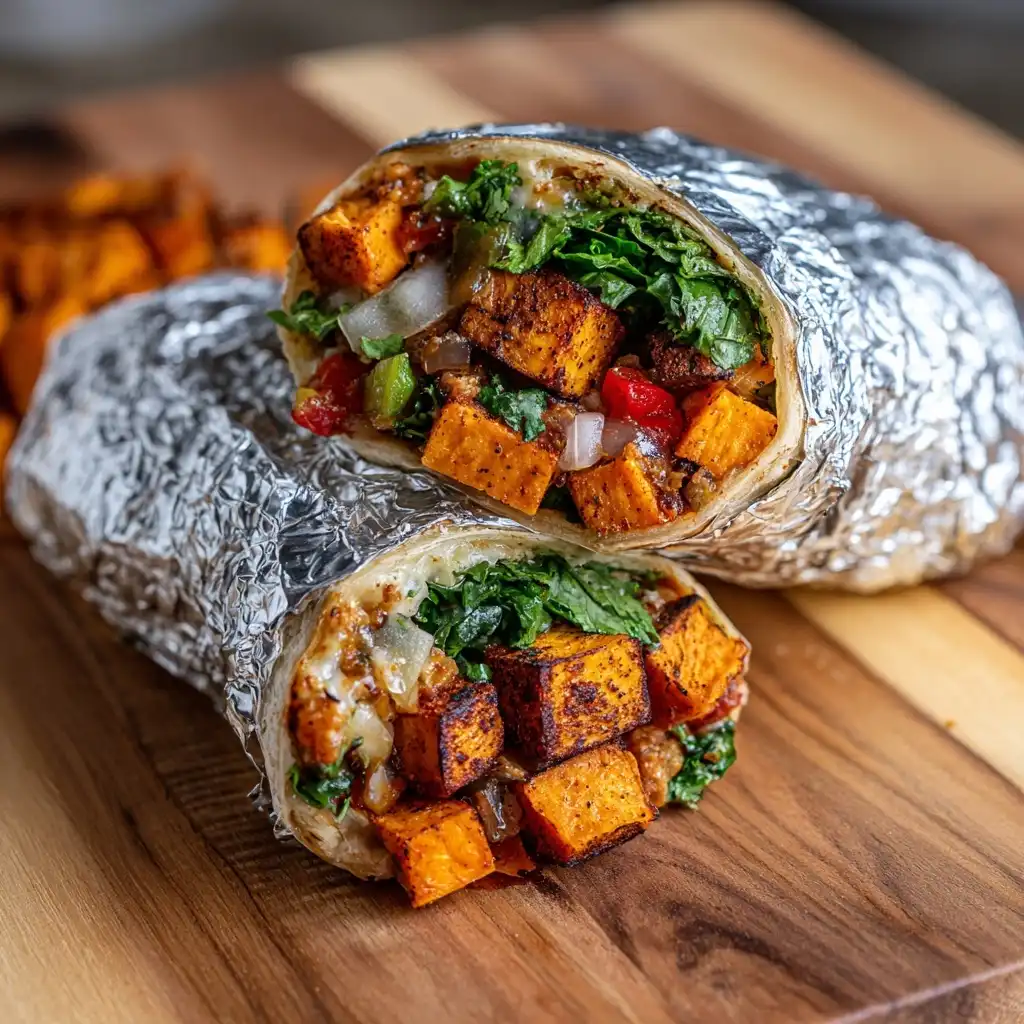
Roasted Sweet Potato Burritos are a vibrant, nutrient-dense, and deeply satisfying meal that effortlessly bridges comfort food and conscious eating. With their warm, caramelized sweetness balanced by smoky spices, creamy textures, and hearty whole-grain wraps, these burritos deliver bold flavor without compromise—whether you’re fueling an active lifestyle, seeking plant-forward meals, or simply craving something wholesome yet indulgent. Unlike traditional burritos loaded with heavy meats and cheeses, this version celebrates the humble sweet potato as the star—roasted to golden perfection—and layers it with complementary ingredients that enhance both taste and nutrition. Versatile enough for breakfast, lunch, dinner, or meal-prepped lunches, roasted sweet potato burritos have earned their place as a modern pantry staple across kitchens nationwide.
The History
While burritos themselves trace their origins to northern Mexico in the 19th century—where farmworkers wrapped fillings in flour tortillas for portable, no-waste meals—the roasted sweet potato burrito is a distinctly contemporary evolution rooted in the late 20th- and early 21st-century American food movement. Sweet potatoes have long held cultural significance across Indigenous North American, West African, and Southern U.S. culinary traditions; however, their integration into mainstream Mexican-American fusion cuisine gained momentum alongside the rise of vegetarianism, farm-to-table advocacy, and wellness-focused cooking in the 1990s and 2000s. Chefs and home cooks alike began experimenting with roasting sweet potatoes—not boiling or mashing them—to intensify natural sugars and add textural depth. The pairing with black beans (a nod to Mesoamerican agriculture), warm spices like cumin and smoked paprika (reflecting both Mexican and global pantry staples), and fresh garnishes like avocado and lime signaled a new era of globally inspired, vegetable-forward fast-casual fare. Today, roasted sweet potato burritos appear on menus from coastal California cafes to Midwest co-ops and urban food trucks—testament to their cross-cultural resonance and adaptability.
Ingredients Breakdown
Each component in this burrito plays a deliberate role—not just in flavor, but in mouthfeel, nutritional synergy, and structural integrity. Below is a comprehensive, chef-informed breakdown:
- Sweet Potatoes: Choose medium-sized, firm, uniformly orange-fleshed varieties (like Garnet or Jewel) for optimal sweetness, moisture balance, and roasting consistency. Their high beta-carotene content converts to vitamin A in the body, supporting immune function and eye health.
- Olive Oil (or Avocado Oil): Used sparingly for roasting, it facilitates even browning and carries fat-soluble nutrients. Extra-virgin olive oil adds subtle fruitiness; refined avocado oil offers a higher smoke point for crispier edges.
- Smoked Paprika: Imparts deep, campfire-like warmth without heat—distinct from regular paprika—and enhances the earthy-sweet profile of the potatoes. A hallmark of Spanish and New Mexican seasoning traditions.
- Cumin: Toasted ground cumin contributes nutty, slightly citrusy complexity and aids digestion—an ancient Ayurvedic and Latin American culinary practice.
- Chili Powder (Ancho-Based Preferred): Adds mild fruit-forward heat and rich mahogany color; avoid blends with excessive sodium or anti-caking agents for cleaner flavor.
- Garlic Powder & Onion Powder: Provide foundational savory depth (umami) without introducing excess moisture—critical when roasting vegetables.
- Sea Salt & Freshly Ground Black Pepper: Enhance natural sweetness and round out spice notes. Kosher or flaky sea salt ensures even distribution and clean mineral finish.
- Black Beans: Canned or home-cooked, low-sodium black beans offer plant-based protein, fiber, and anthocyanin antioxidants. Rinsing removes excess sodium and starch, preventing gummy texture.
- Red Bell Pepper (Diced & Sautéed): Adds crunch, vitamin C (which boosts iron absorption from beans and sweet potatoes), and subtle sweetness. Sautéing softens raw bitterness while preserving vibrancy.
- Red Onion (Thinly Sliced, Quick-Pickled Optional): Raw red onion brings sharp, peppery brightness; quick-pickling in apple cider vinegar, maple syrup, and mustard seed tames intensity and adds tangy-sweet complexity.
- Avocado or Guacamole: Supplies heart-healthy monounsaturated fats, potassium, and creamy contrast. Lime juice in guac prevents browning and amplifies freshness.
- Fresh Cilantro: Offers bright, citrusy herbal lift and contains quercetin—a potent anti-inflammatory flavonoid.
- Lime Juice (Freshly Squeezed): Essential acid component—balances richness, brightens spices, and activates enzymes for better nutrient bioavailability.
- Whole-Grain or Sprouted Flour Tortillas: Look for certified whole wheat, oat, or multigrain wraps with minimal added sugar and no hydrogenated oils. Sprouted grain versions increase B-vitamin availability and digestibility.
- Optional Boosters: Crumbled feta or cotija cheese (for salty tang), toasted pepitas (zinc + magnesium), microgreens (enzymatic vitality), chipotle crema (smoky heat), or pickled jalapeños (probiotic kick).
Step-by-Step Recipe
- Preheat & Prep: Position oven rack in the center and preheat to 425°F (220°C). Line two large rimmed baking sheets with parchment paper or silicone mats for effortless release and easy cleanup.
- Prepare Sweet Potatoes: Wash and scrub 2 medium sweet potatoes (about 1 lb / 450g total). Pierce skins several times with a fork. Place directly on oven rack (not on sheet) and roast for 45–60 minutes, or until tender when pierced with a knife and slightly collapsed. Let cool 10–15 minutes, then halve lengthwise and scoop flesh into a medium bowl. Discard skins (or save for crisps!). Mash gently with a fork—leave some small chunks for texture.
- Roast Vegetables: While potatoes bake, peel and dice 1 medium red bell pepper and ½ small red onion. Toss with 1 tbsp olive oil, ¼ tsp salt, and a pinch of black pepper. Spread evenly on one prepared baking sheet. Roast at 425°F for 20–25 minutes, stirring once halfway, until edges begin to char and soften. Remove and let cool slightly.
- Season & Combine Base Filling: To the mashed sweet potato, add 1½ tsp smoked paprika, 1 tsp ground cumin, ¾ tsp chili powder, ½ tsp garlic powder, ½ tsp onion powder, ¾ tsp fine sea salt, and ¼ tsp freshly ground black pepper. Stir thoroughly until fully incorporated and aromatic. Fold in roasted bell pepper and onion, followed by 1 (15-oz) rinsed and drained can of black beans. Gently mix—avoid over-mashing. Taste and adjust seasoning (more lime? more smokiness? a pinch of cayenne?). Let cool to room temperature—this prevents tortillas from steaming and tearing.
- Warm Tortillas: Heat tortillas individually in a dry stainless steel or cast-iron skillet over medium heat for ~30 seconds per side, or wrap in damp paper towels and microwave for 20–30 seconds. Warmth makes them pliable and less prone to cracking during rolling.
- Assemble Burritos: Lay one warm tortilla flat on a clean surface. Spoon ¾ cup of sweet potato mixture slightly off-center, leaving a 2-inch border at the bottom and sides. Top with ¼ avocado, sliced or mashed; 1 tbsp quick-pickled red onion; 1 tbsp fresh cilantro leaves; and a generous squeeze of lime juice (½ tsp). Optional: add crumbled cheese, pepitas, or hot sauce.
- Roll with Precision: Fold bottom edge up over filling, then fold left and right sides inward snugly. Roll forward firmly but gently, applying light downward pressure to compact layers. If needed, secure with a toothpick or wrap tightly in parchment paper and foil for grab-and-go portability.
- Optional Crisp Finish: For extra texture and warmth, heat a lightly oiled skillet over medium heat. Place burrito seam-side down and cook 2–3 minutes per side until golden and crisp. Alternatively, air-fry at 375°F for 5–6 minutes, flipping halfway.
- Serve Immediately: Cut diagonally with a serrated knife for presentation. Serve with extra lime wedges, chipotle crema, or a simple salad of baby spinach, radish, and lemon-tahini drizzle.
Tips
- Roast Smart, Not Hard: Roasting sweet potatoes whole (instead of cubed) locks in moisture, concentrates flavor, and eliminates soggy edges—key for burrito integrity. Cubed potatoes steam instead of caramelize and release excess water.
- Cool Before Rolling: Warm filling creates steam inside the tortilla, leading to sogginess and breakage. Let the mixture sit for at least 15 minutes—or refrigerate for 30 minutes—for ideal handling consistency.
- Tortilla Selection Matters: Opt for 10- to 12-inch diameter tortillas labeled “soft” or “burrito-size.” Smaller ones tear; larger ones overwhelm. Brands like La Tortilla Factory Whole Grain, Ezekiel Sprouted Grain, or local artisanal corn-wheat hybrids offer superior pliability and flavor.
- Layer Strategically: Place wet ingredients (avocado, lime, salsa) closest to the tortilla to create a moisture barrier. Dryer elements (beans, roasted veg) go in the center. This prevents seepage and maintains structural cohesion.
- Don’t Overfill: Stick to ¾–1 cup filling per 10-inch tortilla. Too much leads to bursting seams—even with perfect technique.
- Press & Seal: After folding sides in, press down lightly along the length before rolling to compress layers and eliminate air pockets—this ensures tight, sliceable results.
- Meal Prep Friendly: Assemble burritos (uncooked), wrap individually in parchment + foil, and freeze for up to 3 months. Reheat from frozen in a 375°F oven for 30–35 minutes, or air-fry at 375°F for 15–18 minutes (flip halfway).
- Double-Duty Roasting: Roast extra sweet potatoes and bell peppers on the same sheet pan—batch prep fills multiple meals: burritos, grain bowls, hash, or blended soups.
- Acid Is Non-Negotiable: Never skip the lime. Its acidity cuts through sweetness and fat, balances spices, and transforms the dish from “pleasant” to “vibrant and alive.”
- Texture Contrast Is Key: Include at least one crunchy element (pickled onion, pepitas, shredded cabbage) and one creamy one (avocado, cashew crema, hummus) for full sensory satisfaction.
Variations and Customizations
These burritos thrive on creativity—here are thoughtfully curated adaptations for every palate and dietary need:
- Vegan & Oil-Free: Replace olive oil with 2 tbsp vegetable broth or aquafaba for roasting; use tahini-lime crema instead of yogurt-based sauces; omit cheese entirely or use fermented almond feta.
- Gluten-Free: Use certified GF corn tortillas (warmed well—they’re more fragile) or large butter lettuce cups for deconstructed “burrito bowls.” Add cooked quinoa or brown rice for bulk if desired.
- Protein-Packed: Stir in ½ cup crumbled tempeh bacon (pan-seared with tamari and maple), shredded rotisserie chicken, or flaked baked salmon (add after roasting, warm gently).
- Mexican-Inspired: Swap black beans for pinto or refried beans; add crumbled chorizo (plant-based or pork); top with pickled red onions, crumbled queso fresco, and a spoonful of salsa verde.
- Southwest Spice: Add 1 tsp chipotle powder or 1 minced chipotle in adobo to the sweet potato mash; include roasted corn kernels and chopped fresh epazote or oregano.
- Breakfast Burrito Style: Mix in 2 scrambled eggs or tofu scramble; add sautéed spinach and a sprinkle of nutritional yeast; serve with sriracha-maple syrup drizzle.
- Mediterranean Twist: Replace cumin/smoked paprika with za’atar and sumac; use chickpeas instead of black beans; top with diced cucumber, kalamata olives, and lemon-tahini sauce.
- Kid-Friendly: Omit spicy elements; add mild shredded cheddar; stir in finely grated carrot or zucchini; serve with mild tomato salsa and apple slices on the side.
- Low-Carb/Keto: Serve filling in large romaine or butter lettuce leaves; add extra avocado and crumbled bacon; skip beans and tortilla entirely—present as a “deconstructed burrito bowl” with cauliflower rice.
- Global Fusion: Incorporate miso-ginger glaze on roasted sweet potatoes; swap black beans for edamame; top with nori strips, pickled ginger, and wasabi aioli.
Health Considerations and Nutritional Value
A single roasted sweet potato burrito (using one 10-inch whole-grain tortilla, 1 cup sweet potato mixture, ¼ avocado, 1 tbsp pickled onion, and lime) delivers approximately:
- Calories: 420–480 kcal (depending on oil and toppings)
- Protein: 12–15g (from beans, whole grains, optional add-ins)
- Fiber: 14–18g (nearly 60% of daily value)—supports satiety, gut microbiome diversity, and stable blood sugar
- Vitamin A (as beta-carotene): >400% DV—critical for vision, skin health, and mucosal immunity
- Vitamin C: ~70% DV—enhances iron absorption from plant sources and acts as antioxidant
- Potassium: ~25% DV—helps regulate fluid balance, nerve signals, and muscle contractions
- Complex Carbohydrates: Slow-digesting, low-glycemic-index carbs support sustained energy—especially when paired with fiber and healthy fats
- Phytonutrients: Anthocyanins (in purple sweet potatoes or red onion), lycopene (in bell pepper), and apigenin (in cilantro) offer cellular protection and anti-inflammatory benefits
Dietary Notes: Naturally vegetarian and easily vegan, this recipe is rich in prebiotic fiber (inulin from sweet potatoes, resistant starch from cooled beans) to feed beneficial gut bacteria. Low in saturated fat and free of refined sugars, it aligns with DASH, Mediterranean, and MIND dietary patterns. Those managing diabetes will appreciate its balanced macro profile and low glycemic load—especially when paired with vinegar-based pickles (acetic acid slows gastric emptying). For individuals with IBS, consider low-FODMAP modifications: swap black beans for canned lentils (rinsed well), omit onion/garlic powders (use infused oil instead), and choose green tops of scallions over bulb.
Ingredients
- 2 medium sweet potatoes (about 1 lb / 450g total), scrubbed
- 2 tbsp extra-virgin olive oil or avocado oil, divided
- 1½ tsp smoked paprika
- 1 tsp ground cumin
- ¾ tsp chili powder (ancho preferred)
- ½ tsp garlic powder
- ½ tsp onion powder
- ¾ tsp fine sea salt, plus more to taste
- ¼ tsp freshly ground black pepper
- 1 medium red bell pepper, diced
- ½ small red onion, finely diced
- 1 (15-oz) can black beans, low-sodium, rinsed and drained
- 4 (10-inch) whole-grain or sprouted flour tortillas
- 1 ripe medium avocado, sliced or mashed
- ¼ cup quick-pickled red onion (see note below)
- ¼ cup fresh cilantro leaves
- 2 tbsp fresh lime juice (about 1 lime), plus extra wedges for serving
- Optional: crumbled feta or cotija cheese, toasted pepitas, chipotle crema, hot sauce
Quick-Pickle Note: Combine ¼ cup apple cider vinegar, 1 tsp maple syrup or honey, ½ tsp mustard seeds, ¼ tsp salt, and ¼ tsp black pepper. Add ½ thinly sliced red onion; let sit at room temperature for 15+ minutes (or refrigerate up to 1 week).
Directions
- Preheat oven to 425°F (220°C). Line two rimmed baking sheets with parchment paper.
- Place whole sweet potatoes directly on center oven rack. Roast 45–60 minutes, until very tender when pierced with a knife and slightly deflated. Remove and let cool 10–15 minutes. Halve lengthwise and scoop flesh into a medium bowl. Discard skins.
- In a small bowl, whisk together 1 tbsp oil, smoked paprika, cumin, chili powder, garlic powder, onion powder, salt, and pepper. Pour over sweet potato and mash with a fork until mostly smooth with slight texture. Set aside.
- Toss diced red bell pepper and red onion with remaining 1 tbsp oil, a pinch of salt, and black pepper. Spread on one prepared baking sheet. Roast 20–25 minutes, stirring once, until softened and lightly charred at edges. Cool 5 minutes.
- Fold roasted vegetables and black beans into sweet potato mixture. Taste and adjust seasoning—add more lime, salt, or spice as desired. Let cool to room temperature (15–20 minutes minimum).
- Warm tortillas one at a time in a dry skillet over medium heat for 30 seconds per side, or wrap in a damp towel and microwave 20–30 seconds.
- Place one warm tortilla on a clean surface. Spread ¾ cup filling slightly off-center, leaving 2-inch margins. Top with avocado, pickled onion, cilantro, and lime juice.
- Fold bottom edge up over filling, then fold left and right sides inward. Roll forward tightly. Repeat with remaining tortillas and filling.
- For best texture, heat a lightly oiled skillet over medium heat. Place burrito seam-side down and cook 2–3 minutes until golden. Flip and cook opposite side 2–3 minutes more. Or bake at 375°F for 12–15 minutes, turning once.
- Cut diagonally and serve immediately with lime wedges and optional sauces.
FAQ
- Can I make these ahead of time?
- Absolutely. Roast sweet potatoes and vegetables up to 4 days ahead; store separately in airtight containers in the fridge. Assemble burritos up to 24 hours in advance—wrap tightly in parchment + foil and refrigerate. Reheat in a 350°F oven for 15–20 minutes or air-fry at 360°F for 8–10 minutes. For longer storage, freeze assembled burritos (uncooked) for up to 3 months—reheat from frozen as directed.
- Why do my tortillas crack when rolling?
- Most commonly due to cold, dry, or low-quality tortillas. Always warm them properly (skillet preferred over microwave for even pliability). Let filling cool completely—steam causes tearing. Also, avoid overfilling and roll slowly with gentle pressure. If using corn tortillas, double up for reinforcement.
- Can I use yams instead of sweet potatoes?
- True yams (imported from Africa/Caribbean) are starchier, drier, and less sweet—often requiring more oil and longer roasting. In U.S. markets, “yams” are usually just orange-fleshed sweet potatoes—so yes, they work identically. For authentic yams, parboil before roasting and add extra moisture (e.g., coconut milk splash) to the mash.
- What’s the best way to reheat leftover burritos?
- Skillet method preserves crispness: slice in half, cut-side down in a lightly oiled pan over medium-low heat for 3–4 minutes per side. Oven method retains shape: unwrap, place on parchment-lined sheet, cover loosely with foil, bake at 350°F for 15–18 minutes. Avoid microwaving whole—leads to rubbery tortillas and uneven heating.
- Are sweet potatoes healthier than white potatoes?
- Both are nutritious, but sweet potatoes boast significantly more vitamin A (as beta-carotene), higher antioxidant capacity, and a lower glycemic index—especially when roasted and consumed with fat/fiber. White potatoes excel in potassium and vitamin C—but are often prepared in less health-supportive ways (frying, heavy dairy). Choosing preparation method and accompaniments matters more than the tuber alone.
- Can I make these nut-free and soy-free?
- Yes—this base recipe contains neither. Just verify labels on tortillas (some contain soy lecithin or nut oils) and skip any nut-based sauces or toppings. All suggested substitutions (seeds, beans, avocado) are naturally compliant.
- How do I prevent soggy burritos?
- Three non-negotiable steps: (1) Cool filling completely before assembling; (2) Pat avocado dry if sliced (or mash with lime to stabilize); (3) Use parchment paper when wrapping for storage—foil traps condensation. Also, avoid watery salsas or un-drained beans.
- What can I use instead of black beans?
- Excellent alternatives include pinto beans, kidney beans, lentils (green or black beluga), chickpeas, or even roasted cauliflower “rice” for ultra-low-carb. For creaminess without legumes, try mashed white beans or blended silken tofu with nutritional yeast.
- Is there a way to boost iron absorption?
- Yes! Pair this plant-based iron source (sweet potatoes, beans, spinach) with vitamin C-rich foods—lime juice, red bell pepper, and cilantro all help dramatically. Avoid coffee or tea within 1 hour of eating, as tannins inhibit absorption.
- Can kids help make these?
- Perfect for kitchen teamwork! Kids can rinse beans, tear cilantro, squeeze limes, stir cooled filling, layer toppings, and practice rolling (with supervision). Roasting and skillet work are adult-only steps—but narrating the science (“Watch how the sugar caramelizes!”) makes it educational fun.
Summary
Roasted Sweet Potato Burritos are a masterclass in flavorful, functional, and flexible plant-forward cooking—transforming humble, nutrient-dense ingredients into a deeply satisfying, restaurant-worthy meal with minimal effort and maximum nourishment.
From their roots in Mexican-American culinary innovation to their starring role in modern wellness kitchens, these burritos prove that health-conscious eating doesn’t mean sacrificing richness, texture, or joy—it means embracing intention, seasonality, and the profound deliciousness of real food, thoughtfully prepared.