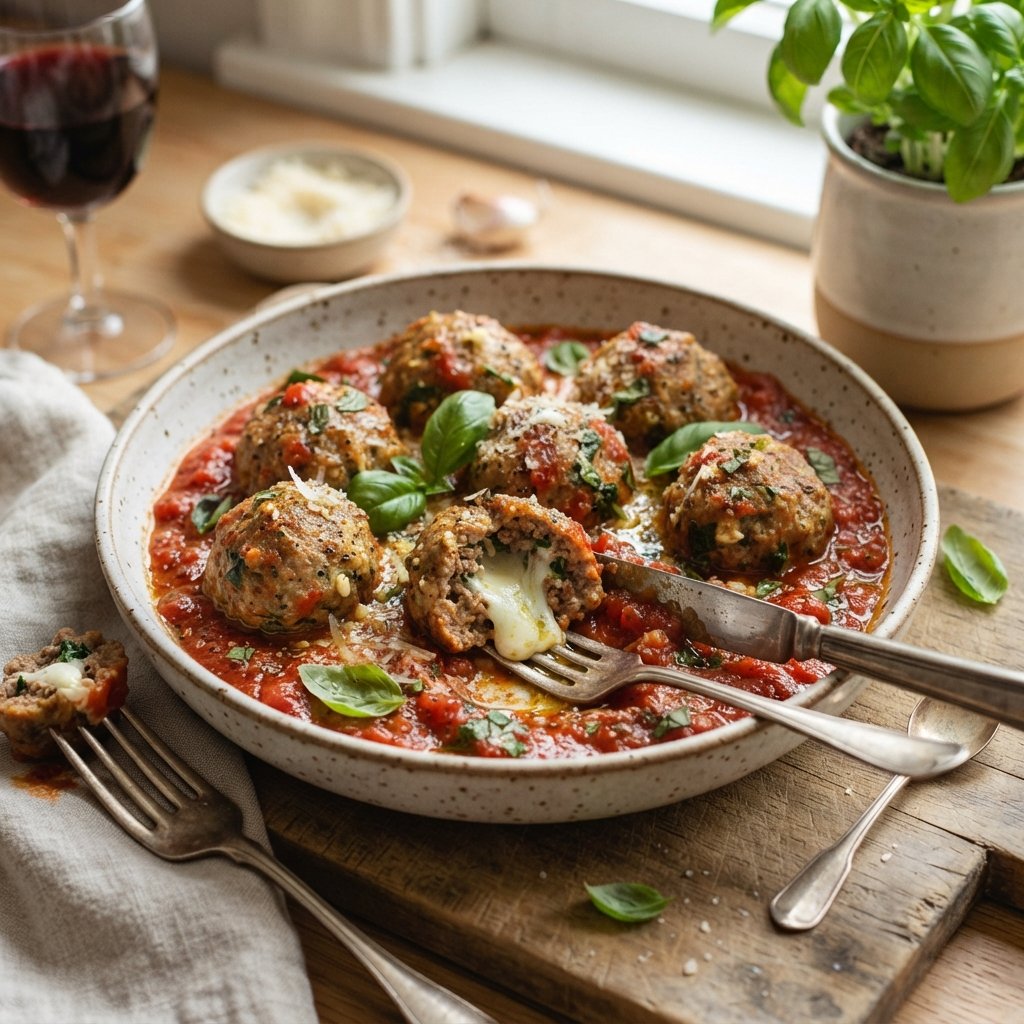
Ultimate Guide to Spinach Garlic Meatballs Stuffed with Cheese
Introduction
There is a specific kind of comfort that comes from biting into a tender, juicy meatball only to discover a molten, savory surprise waiting at its center. The Spinach Garlic Meatballs Stuffed recipe is not merely a dish; it is an experience that combines the rustic heartiness of traditional ground meat preparations with the vibrant, earthy notes of fresh spinach and the pungent, aromatic kick of roasted garlic. When you slice into these meatballs, the contrast between the seasoned exterior and the gooey, cheese-filled interior creates a textural symphony that delights the palate. This dish is perfect for weeknight dinners that feel luxurious, elegant enough for dinner parties, and robust enough to satisfy the hungriest of appetites.
Whether you are serving them over a bed of al dente pasta, nestled in a sub roll with marinara, or simply enjoying them on their own with a side of roasted vegetables, these stuffed meatballs stand out as a centerpiece of culinary creativity. The addition of spinach not only adds a pop of color but also introduces a nutritional powerhouse into the mix, balancing the richness of the meat and cheese. The garlic infuses every bite with a warmth that lingers pleasantly, making this recipe a modern classic that honors traditional techniques while introducing exciting new flavors. Prepare to elevate your home cooking with this comprehensive guide to creating the perfect stuffed meatball.
The History
The concept of the meatball is as old as cooking itself, with variations found in nearly every culture across the globe. From the Italian polpette to the Middle Eastern kofta and the Swedish köttbullar, ground meat mixed with spices and binders has been a staple for centuries. However, the specific evolution of the stuffed meatball is a fascinating journey through culinary innovation. Historically, stuffing meats was a technique used to hide lesser cuts of meat or to add moisture to leaner proteins, but over time, it evolved into a method of creating惊喜 (surprise) and luxury within a dish.
The incorporation of spinach into meat mixtures has strong roots in Persian and Mediterranean cuisine, where greens are often mixed with lamb or beef to add freshness and reduce the heaviness of the dish. Garlic, revered since ancient times for both its flavor and medicinal properties, has been a constant companion to meat preparations across Europe and Asia. The fusion of these elements—ground meat, spinach, garlic, and a stuffed center—represents a modern convergence of these historical traditions. In recent decades, the “stuffed” trend has gained popularity in Western home cooking, inspired by dishes like stuffed chicken breasts and jalapeño poppers, applying the same logic of a hidden filling to the humble meatball. This recipe honors that lineage by combining ancient flavor profiles with contemporary presentation.
Ingredients Breakdown
Understanding the role of each component in this recipe is crucial for achieving the perfect texture and flavor balance. Here is a detailed analysis of what goes into these exceptional meatballs:
- Ground Meat: The foundation of the dish. A blend of beef and pork is often recommended. Beef provides a robust, iron-rich flavor, while pork adds fat content that ensures juiciness. Using a blend prevents the meatballs from becoming too dense or dry during the cooking process.
- Fresh Spinach: Spinach brings earthiness and color. It is essential to wilt and thoroughly drain the spinach before mixing. Excess moisture from spinach is the enemy of a good meatball, as it can cause the structure to fall apart during cooking.
- Garlic: Fresh garlic cloves are superior to powder here. When minced finely or pressed, garlic releases allicin, which provides that signature aromatic punch. Roasting the garlic beforehand can mellow the flavor and add a sweet, nutty undertone.
- The Stuffing (Cheese): Mozzarella is the classic choice for its meltability, creating a stringy, gooey center. However, Feta can be used for a tangier profile, or Provolone for a sharper bite. The cheese must be cubed small enough to fit inside but large enough to provide a satisfying core.
- Binders (Breadcrumbs and Eggs): Breadcrumbs absorb the juices and fat released during cooking, keeping the meatball tender. Eggs act as a glue, coagulating during heating to hold the meat, spinach, and breadcrumbs together in a cohesive unit.
- Seasonings: Salt enhances all flavors, while black pepper adds heat. Dried oregano and basil complement the spinach and tomato sauces often served with this dish. Parmesan cheese mixed into the meat adds a layer of umami depth.
Step-by-Step Recipe
Creating the perfect stuffed meatball requires patience and attention to detail. Follow this narrative guide to understand the flow of the cooking process before diving into the specific measurements.
Phase 1: Preparation of the Greens
The first critical step is managing the spinach. If you use fresh spinach, it must be wilted down in a pan with a tiny bit of oil or simply steamed. Once wilted, you must squeeze it dry using a clean kitchen towel or cheesecloth. This step cannot be skipped; wet spinach will steam the meat from the inside out, leading to a mushy texture. Once dry, chop it finely so it distributes evenly throughout the meat mixture without creating large pockets of greens.
Phase 2: The Meat Mixture
In a large mixing bowl, combine your ground meats. Add the eggs, breadcrumbs, grated Parmesan, minced garlic, and your dried herbs. Add the prepared spinach now. Use your hands to mix the ingredients, but be gentle. Overworking the meat activates the proteins too much, resulting in a tough, rubbery ball. Mix just until everything is uniformly combined and no streaks of meat or breadcrumbs remain visible.
Phase 3: The Stuffing Technique
This is the artistry of the recipe. Take a portion of the meat mixture and flatten it into a patty in the palm of your hand. Place a cube of cheese in the center. Carefully fold the meat around the cheese, sealing the edges tightly. Roll it between your palms to smooth out the surface. Ensure there are no cracks where the cheese could leak out during cooking. If the cheese escapes, you lose the surprise element and potentially create a mess in your pan.
Phase 4: Cooking Method
You have options here. Baking is the healthiest and most hands-off method, allowing the meatballs to cook evenly in the oven. Pan-searing followed by simmering in sauce adds a caramelized crust and infuses the meat with the flavor of the sauce. For this recipe, we recommend searing them first to lock in the shape, then finishing them in the oven or sauce to ensure the cheese inside is fully melted without burning the exterior.
Tips
To ensure your Spinach Garlic Meatballs turn out perfectly every single time, consider these professional tips and tricks gathered from years of culinary testing:
- Chill Before Cooking: After forming the meatballs, place them in the refrigerator for at least 30 minutes before cooking. This firms up the fat and helps the meatballs hold their shape better when they hit the heat.
- Uniform Size: Use a cookie scoop or a measuring tablespoon to ensure all meatballs are the same size. This guarantees even cooking, so you don’t end up with some raw and some overcooked.
- Oil Your Hands: When forming the meatballs, lightly coat your hands in olive oil. This prevents the meat mixture from sticking to your skin and makes the rolling process much smoother and less frustrating.
- Don’t Overstuff: It is tempting to put a large chunk of cheese in the center, but if the cheese cube is too big, it will be difficult to seal the meat around it. Keep the stuffing proportional to the size of the meatball.
- Resting Time: Let the meatballs rest for a few minutes after cooking before serving. This allows the juices to redistribute throughout the meat, ensuring every bite is moist.
Variations and Customizations
One of the beauties of this recipe is its versatility. You can adapt it to suit various dietary needs, flavor preferences, or occasion styles without compromising the core integrity of the dish.
- Keto and Low-Carb: Replace traditional breadcrumbs with almond flour or crushed pork rinds. This reduces the carbohydrate count significantly while maintaining the binding structure needed for the meatballs.
- Gluten-Free: Use certified gluten-free breadcrumbs or rolled oats that have been processed into a flour. Ensure all other ingredients, such as sauces, are also gluten-free.
- Spicy Kick: For those who enjoy heat, add red pepper flakes, cayenne pepper, or finely chopped fresh jalapeños into the meat mixture. You can also stuff the center with a cube of Pepper Jack cheese instead of Mozzarella.
- Poultry Option: Substitute the beef and pork with ground turkey or chicken for a lighter version. Because poultry is leaner, you may need to add a tablespoon of olive oil to the mixture to prevent dryness.
- Vegan Adaptation: Use a plant-based ground meat substitute, flax eggs instead of chicken eggs, and vegan mozzarella shreds pressed into cubes for the stuffing. Nutritional yeast can replace the Parmesan cheese.
- Sauce Variations: While marinara is classic, try serving these with a creamy Alfredo sauce, a spicy Arrabbiata, or even a mushroom gravy for a non-Italian twist.
Health Considerations and Nutritional Value
While meatballs are often viewed as an indulgent comfort food, this specific recipe incorporates elements that contribute to a balanced diet when consumed in moderation. The spinach is a significant contributor to the nutritional profile, offering high levels of Vitamin K, Vitamin A, and iron, which are essential for blood health and immune function. Garlic is well-known for its potential cardiovascular benefits and immune-boosting properties due to its sulfur compounds.
The protein content from the ground meat provides essential amino acids necessary for muscle repair and satiety, helping you feel full for longer periods. However, attention should be paid to the fat content, particularly if using high-fat ground beef. Opting for a leaner blend or draining excess fat after searing can reduce calorie density. The cheese stuffing adds calcium and additional protein but also increases saturated fat and sodium levels. Portion control is key; enjoying 3-4 meatballs as part of a meal with a large side of vegetables or a salad creates a well-rounded plate that satisfies cravings without excessive caloric overload.
Ingredients
Below is the precise quantitative list required to create approximately 20-24 stuffed meatballs, depending on the size you form.
- Ground Beef: 1 pound (preferably 85% lean)
- Ground Pork: 1/2 pound (adds fat and flavor)
- Fresh Spinach: 2 cups, packed, wilted and thoroughly drained
- Garlic: 4 large cloves, minced finely
- Mozzarella Cheese: 1 cup, cut into small cubes (for stuffing)
- Parmesan Cheese: 1/2 cup, grated (mixed into meat)
- Breadcrumbs: 1/2 cup (Italian style preferred)
- Eggs: 2 large, beaten
- Salt: 1 teaspoon (adjust to taste)
- Black Pepper: 1/2 teaspoon, freshly ground
- Dried Oregano: 1 teaspoon
- Dried Basil: 1 teaspoon
- Olive Oil: 2 tablespoons (for searing)
Directions
Follow these numbered instructions to execute the recipe successfully from start to finish.
- Prep the Oven: Preheat your oven to 400°F (200°C). Line a baking sheet with parchment paper or foil for easy cleanup.
- Prepare Spinach: Wilt the fresh spinach in a microwave or pan. Once cool, squeeze out all excess water using a towel. Chop finely.
- Mix Ingredients: In a large bowl, combine ground beef, ground pork, drained spinach, minced garlic, grated Parmesan, breadcrumbs, eggs, salt, pepper, oregano, and basil.
- Combine Gently: Mix with your hands until just combined. Do not overwork the meat.
- Form and Stuff: Take a tablespoon of meat, flatten it, place a cube of mozzarella in the center, and roll into a ball, sealing the cheese inside completely.
- Sear (Optional): Heat olive oil in a large skillet over medium-high heat. Brown the meatballs on all sides for about 2-3 minutes total. This adds flavor but is optional if baking directly.
- Bake: Place meatballs on the prepared baking sheet. Bake for 20-25 minutes until the internal temperature reaches 165°F (74°C).
- Serve: Let rest for 5 minutes. Serve warm with your favorite sauce.
FAQ
Here are answers to the most common questions regarding the preparation and storage of Spinach Garlic Stuffed Meatballs.
Can I make these meatballs ahead of time?
Yes, you can form the meatballs up to 24 hours in advance. Keep them covered in the refrigerator until you are ready to cook. This actually helps them hold their shape better.
How do I prevent the cheese from leaking out?
The key is to ensure there are no cracks in the meat casing. Make sure the meat layer around the cheese is even and completely sealed. Chilling the formed meatballs before cooking also helps solidify the fat, reducing the chance of leakage.
Can I freeze these meatballs?
Absolutely. You can freeze them raw or cooked. If freezing raw, place them on a tray to freeze individually before transferring to a bag to prevent sticking. They will last up to 3 months in the freezer.
What sauce pairs best with this dish?
A classic marinara is the traditional choice. However, a creamy garlic sauce or a spicy tomato basil sauce complements the spinach and garlic flavors exceptionally well.
Why did my meatballs fall apart?
This usually happens if the mixture was too wet (often from undrained spinach) or if there weren’t enough binders (eggs/breadcrumbs). Ensure your spinach is bone-dry before mixing.
Summary
Juicy ground meat blended with spinach and garlic hides a molten cheese center for a perfect surprise.
Bake or sear these flavorful stuffed balls to elevate any dinner with rich, comforting taste.