Introduction
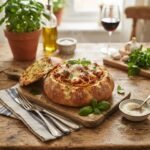
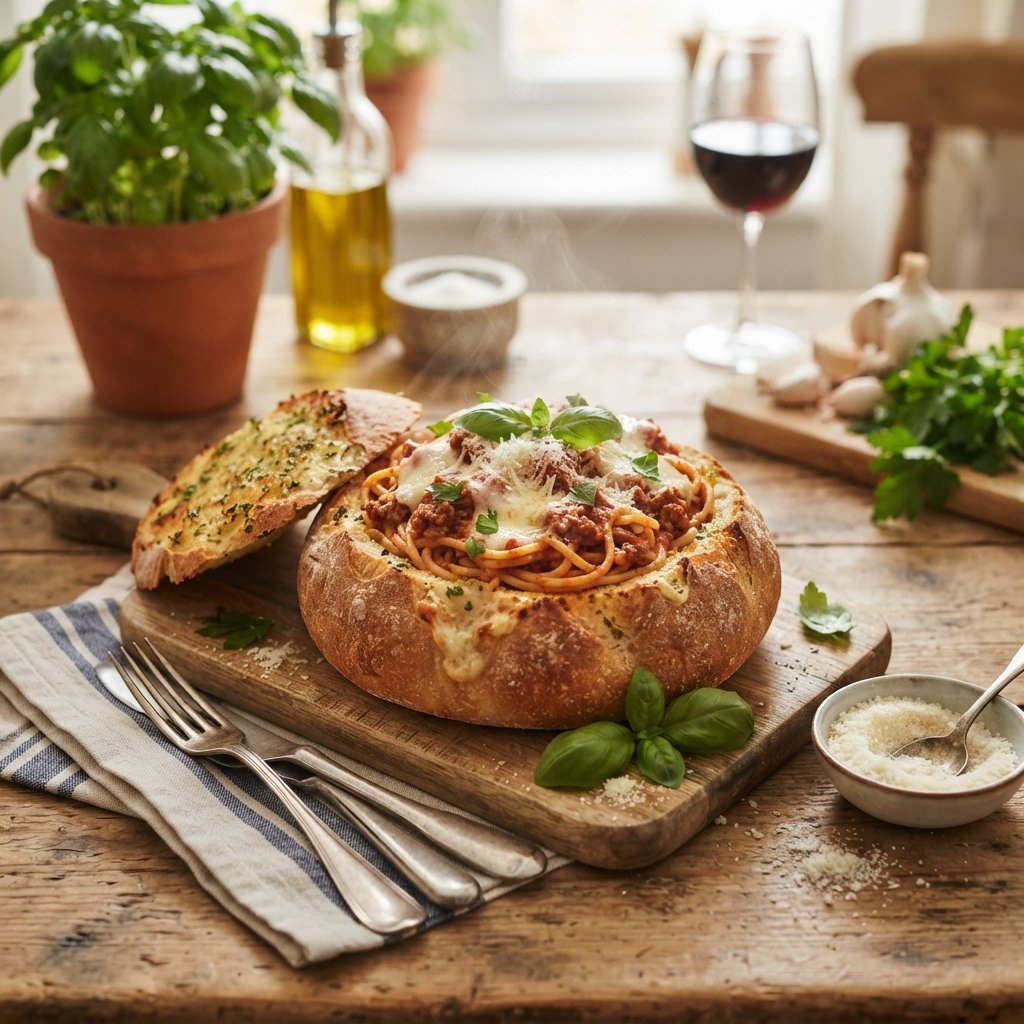
Welcome to the ultimate comfort food fusion experience that combines the timeless elegance of Italian pasta with the rustic charm of homemade garlic bread. The Spaghetti Garlic Bread Bowls Recipe is not merely a meal; it is a celebration of flavors, textures, and culinary creativity that brings families together around the dinner table. Imagine biting into a crispy, buttery crust infused with aromatic garlic and herbs, only to discover a warm, savory center filled with perfectly al dente spaghetti coated in a rich marinara sauce. This dish transcends the boundaries of traditional dining, offering a handheld convenience without sacrificing the sophistication of a plated dinner. Whether you are hosting a casual game night, preparing a special weekend feast, or simply looking to elevate your weeknight dinner routine, this recipe promises to deliver satisfaction in every bite. The contrast between the crunchy exterior and the soft, saucy interior creates a sensory experience that is both nostalgic and excitingly new. By merging two classic favorites into one cohesive vessel, you eliminate the need for extra plates and reduce cleanup time, making it a practical choice for busy households who refuse to compromise on taste. As you embark on this culinary journey, you will discover that the magic lies in the details, from the quality of the bread to the seasoning of the sauce. This introduction serves as your gateway to mastering a dish that is sure to become a staple in your personal cookbook, garnering compliments from friends and family alike.
The History
To truly appreciate the Spaghetti Garlic Bread Bowls, one must delve into the historical roots of its constituent components, which span centuries and cross cultural borders. Garlic bread itself traces its lineage back to the Italian bruschetta, where stale bread was revived by grilling it and rubbing it with fresh garlic, olive oil, and salt. This peasant dish evolved over time, particularly in Italian-American communities, where butter was often introduced to create a richer, more indulgent profile that catered to Western palates. Spaghetti, on the other hand, has a debated origin story, with some historians arguing for Chinese influences via Marco Polo, while others maintain it was an independent invention in Sicily during the Arab conquest. Regardless of its genesis, spaghetti became a global icon of Italian cuisine, symbolizing warmth and community. The concept of the bread bowl is a more modern innovation, popularized in the United States during the late 20th century with the rise of sourdough clam chowder servings. Chefs began experimenting with hollowing out loaves to serve stews and soups, maximizing the utility of the bread as both container and edible utensil. The fusion of spaghetti into a garlic bread bowl is a contemporary twist that emerged from the desire for novelty in comfort food culture. It represents the modern era of cooking where tradition meets innovation, allowing home cooks to reinterpret classic flavors in a format that is fun, interactive, and visually stunning. This recipe honors those historical threads while weaving them into a new tapestry of culinary delight.
Ingredients Breakdown
Understanding the role of each ingredient is crucial for achieving the perfect balance of flavor and texture in your Spaghetti Garlic Bread Bowls. First, the bread serves as the foundation; a round loaf of Italian or sourdough bread is ideal because it possesses a sturdy crust that can hold the weight of the pasta without collapsing, while the interior remains soft enough to absorb the garlic butter. The quality of the garlic cannot be overstated; fresh cloves are superior to powdered varieties because they contain allicin, which provides that pungent, spicy kick that mellows into sweetness when baked. Unsalted butter is recommended over salted varieties to allow you to control the sodium levels precisely, ensuring the garlic and herbs shine without being overshadowed by salt. When selecting spaghetti, look for bronze-die extruded pasta, which has a rougher surface that holds sauce better than smooth, Teflon-die cut noodles. The marinara sauce should be robust; whether homemade or store-bought, it should have a balanced acidity to cut through the richness of the butter and cheese. Fresh parsley and dried oregano add layers of herbaceous complexity, with parsley offering a fresh finish and oregano providing an earthy depth. Finally, the cheese topping, typically a blend of mozzarella and parmesan, is essential for creating a golden, bubbly crust that binds the spaghetti within the bowl and adds a salty, umami finish to every bite.
Step-by-Step Recipe
Creating this masterpiece requires a methodical approach to ensure every component is cooked to perfection. Begin by preheating your oven to a high temperature, around 400 degrees Fahrenheit, to ensure the bread crisps up quickly without drying out. While the oven heats, prepare your garlic butter mixture by melting the butter and infusing it with minced garlic, allowing the flavors to meld without burning the garlic, which can turn bitter. Next, carefully slice the top off your bread loaf and hollow out the center, leaving enough wall thickness to maintain structural integrity during baking. Save the hollowed-out bread pieces; they can be cubed and toasted as croutons to reduce waste. Brush the interior and exterior of the bread bowl generously with the garlic butter mixture, ensuring every nook is coated for maximum flavor penetration. Par-bake the bread bowl for about ten minutes to set the structure before adding the wet ingredients. Meanwhile, cook your spaghetti until it is just shy of al dente, as it will continue to cook slightly in the oven. Toss the drained pasta with your marinara sauce, ensuring an even coating. Fill the pre-baked bread bowl with the sauced spaghetti, packing it gently but firmly. Top with a generous layer of shredded cheese and a sprinkle of herbs. Return the filled bowl to the oven and bake until the cheese is melted and golden brown. Let it rest for a few minutes before serving to allow the heat to distribute evenly and prevent burns.
Tips
- Prevent Sogginess: To keep the bread from becoming soggy, brush the interior with a thin layer of olive oil and bake it for a few minutes before adding the sauce. This creates a moisture barrier.
- Garlic Management: If you are sensitive to strong garlic flavors, roast the garlic cloves whole before mincing them for a sweeter, milder taste that still complements the butter.
- Cheese Selection: Use freshly grated cheese rather than pre-shredded bags, as the latter often contain anti-caking agents that can prevent smooth melting.
- Pasta Water: Reserve a cup of pasta cooking water before draining. Adding a splash to the sauce helps emulsify it and allows it to cling better to the spaghetti within the bowl.
- Serving Temperature: Serve immediately after baking. Garlic bread bowls are best enjoyed hot when the crust is crisp and the cheese is still gooey.
- Knife Safety: Use a serrated bread knife to hollow out the loaf to avoid crushing the bread structure while cutting through the crust.
- Flavor Boost: Add a pinch of red pepper flakes to the garlic butter for a subtle heat that cuts through the richness of the cheese and butter.
Variations and Customizations
The beauty of the Spaghetti Garlic Bread Bowls lies in its versatility, allowing cooks to adapt the recipe to various dietary needs and flavor preferences. For meat lovers, consider adding cooked Italian sausage, ground beef, or meatballs directly into the spaghetti mixture before stuffing the bowl. This adds protein and makes the dish more filling for hearty appetites. Vegetarians can enhance the nutritional profile by mixing in sautéed mushrooms, bell peppers, spinach, or zucchini into the sauce. For a creamy twist, swap the marinara for a rich Alfredo sauce, pairing beautifully with the garlic butter crust for a decadent white sauce experience. Gluten-free enthusiasts can utilize gluten-free bread loaves and gluten-free pasta, though they should be mindful that gluten-free bread may be more fragile and require careful handling. Vegan adaptations are also possible by substituting butter with high-quality olive oil or vegan margarine and using plant-based cheese alternatives that melt well. Spice enthusiasts can infuse the oil with chili flakes or add a dash of hot sauce to the marinara for a kick. You can also experiment with different herbs, such as basil, thyme, or rosemary, to change the aromatic profile. For a luxurious version, top the finished bowl with fresh truffle oil or shaved parmesan just before serving. These customizations ensure that the recipe remains exciting and can be tailored to suit any occasion or dietary restriction.
Health Considerations and Nutritional Value
While this dish is undeniably indulgent, understanding its nutritional profile allows for mindful consumption and potential modifications for a healthier lifestyle. The primary sources of calories in this recipe come from the carbohydrates in the bread and pasta, as well as the fats from the butter and cheese. A standard serving can be high in sodium, particularly if using store-bought sauces and processed cheeses, so opting for low-sodium versions or making sauce from scratch can help manage intake. The dish provides a significant amount of energy, making it suitable for active individuals or those needing a high-calorie meal, but portion control is key for sedentary lifestyles. To increase the fiber content, you can use whole wheat spaghetti and whole grain bread, which also offers more sustained energy release and better digestive health. Adding vegetables to the sauce increases the vitamin and mineral content without significantly adding to the calorie count. The garlic offers potential health benefits, including immune-boosting properties and antioxidants. However, those monitoring cholesterol levels should be cautious with the amount of butter and full-fat cheese used. Substituting some of the butter with olive oil can introduce heart-healthy monounsaturated fats. Balancing this meal with a side salad can help offset the heaviness of the bread and pasta, providing a more rounded nutritional intake for the day.
Ingredients
- 1 large round loaf of Italian or sourdough bread (approximately 1 pound)
- 1/2 cup unsalted butter, melted
- 6 cloves fresh garlic, minced finely
- 1 tablespoon fresh parsley, chopped
- 1 teaspoon dried oregano
- 1 pound spaghetti pasta
- 4 cups marinara sauce (homemade or high-quality store-bought)
- 2 cups mozzarella cheese, shredded
- 1/2 cup parmesan cheese, grated
- 1/4 teaspoon red pepper flakes (optional)
- Salt and black pepper to taste
- 1 tablespoon olive oil
Directions
- Preheat your oven to 400°F (200°C) and line a large baking sheet with parchment paper.
- Cut the top off the bread loaf to create a lid, then hollow out the center, leaving about 1 inch of bread around the edges and bottom.
- In a small bowl, combine the melted butter, minced garlic, half of the parsley, oregano, salt, and pepper.
- Brush the inside and outside of the bread bowl generously with the garlic butter mixture.
- Place the bread bowl and the lid on the baking sheet and bake for 10 minutes to crisp the crust.
- While the bread bakes, cook the spaghetti in salted boiling water according to package directions until al dente. Drain well.
- In a large pot, heat the marinara sauce and toss the cooked spaghetti in the sauce until fully coated.
- Remove the bread bowl from the oven and fill it with the sauced spaghetti mixture.
- Top the spaghetti generously with mozzarella and parmesan cheese.
- Return the filled bowl to the oven and bake for an additional 15-20 minutes until the cheese is bubbly and golden.
- Remove from oven, sprinkle with remaining fresh parsley and red pepper flakes if using.
- Let cool for 5 minutes, slice the lid into strips for dipping, and serve warm.
FAQ
Can I make these ahead of time?
Yes, you can prepare the bread bowl and cook the pasta a day in advance. Store them separately in the refrigerator and assemble before baking to prevent the bread from getting soggy.
How do I store leftovers?
Leftovers should be stored in an airtight container in the refrigerator for up to three days. Reheat in the oven to restore crispiness rather than using a microwave.
Can I freeze the bread bowls?
It is not recommended to freeze the assembled bowls as the bread texture may degrade upon thawing. However, you can freeze the sauce and pasta mixture separately for future use.
What if I don’t have a round loaf?
You can use individual rolls to create mini garlic bread bowls, adjusting the baking time slightly to accommodate the smaller size.
How do I make the garlic less pungent?
Sauté the minced garlic in the butter for a minute before brushing it on the bread to mellow out the raw garlic flavor.
Summary (in two lines)
This Spaghetti Garlic Bread Bowls recipe merges Italian classics into a crispy, buttery vessel filled with savory pasta and melted cheese.
Perfect for family dinners, it offers a customizable, comforting meal that simplifies serving and maximizes flavor.