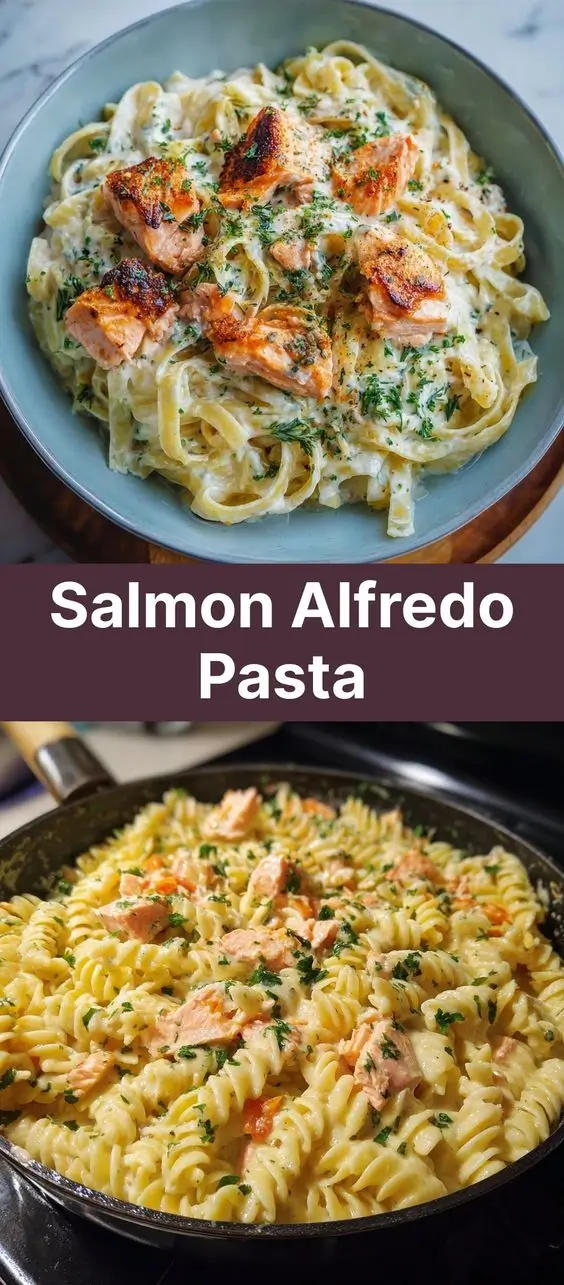
Salmon Alfredo Pasta: A Luxurious Fusion of Creamy and Savory
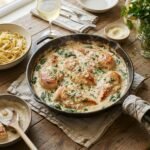
Indulge in the rich, velvety embrace of Salmon Alfredo Pasta — a dish that marries the delicate flavor of fresh salmon with the creamy decadence of classic Alfredo sauce. This elevated pasta recipe brings together gourmet elements and comfort food warmth, making it perfect for romantic dinners, special occasions, or simply treating yourself to something extraordinary. With its silky sauce, tender flakes of salmon, and perfectly al dente pasta, this dish offers a symphony of textures and flavors that dance on your palate.
The History Behind the Dish
Alfredo pasta, originally known as Fettuccine Alfredo, traces its roots back to early 20th-century Rome. It was invented by Alfredo di Lelio, an Italian restaurateur who created the dish in 1908 to entice his pregnant wife’s appetite. The original recipe featured only fettuccine tossed with copious amounts of butter and Parmesan cheese, creating a rich, emulsified coating without cream — though many modern versions now include heavy cream for extra indulgence.
Fast forward over a century, and chefs around the world have reimagined Alfredo with proteins like chicken, shrimp, broccoli, and now, salmon. The addition of salmon introduces an elegant twist, combining Italian culinary tradition with the heart-healthy benefits of omega-3 fatty acids found in fatty fish. While not traditional in Italy, salmon Alfredo has become a beloved staple in American-Italian cuisine and fusion cooking, reflecting global tastes and evolving palates.
Ingredients Breakdown: What Makes This Dish Shine
The magic of Salmon Alfredo Pasta lies in its carefully balanced ingredients — each playing a crucial role in texture, flavor, and overall satisfaction. Let’s break them down:
- Fresh Salmon Fillet: Choose wild-caught or sustainably farmed salmon for the best flavor and nutritional profile. Its natural oils enrich the sauce subtly while adding flaky, tender bites throughout the dish.
- Fettuccine or Linguine: These flat, long noodles hold onto thick sauces exceptionally well. Their surface area allows the Alfredo to cling beautifully, ensuring every bite is coated in creamy goodness.
- Heavy Cream: The base of any luxurious Alfredo sauce. It provides richness and helps create a smooth, luscious texture when combined with cheese and butter.
- Butter: Unsalted butter gives depth and silkiness. Used both in searing the salmon and in the sauce, it enhances mouthfeel and carries flavor.
- Parmesan Cheese: Freshly grated Parmigiano-Reggiano melts seamlessly into the cream, contributing nutty, salty complexity. Avoid pre-grated cheeses, which often contain anti-caking agents that hinder melting.
- Garlic: Adds aromatic warmth without overpowering. Sautéed gently in butter, it infuses the entire dish with subtle pungency.
- Lemon Zest and Juice: Brightens the dish, cutting through the richness and enhancing the salmon’s natural flavor.
- Fresh Herbs (Parsley, Dill, or Chives): Provide freshness, color, and a hint of earthiness. Dill pairs especially well with salmon.
- Salt and Pepper: Essential seasonings to balance all components.
- Olive Oil: Used for cooking the salmon to achieve a golden crust without drying it out.
Optional additions may include sun-dried tomatoes, spinach, mushrooms, or capers for added layers of taste and nutrition.
Step-by-Step Recipe: How to Make Perfect Salmon Alfredo Pasta at Home
Ingredients You’ll Need (Serves 4)
- 1 lb (450g) fettuccine or linguine
- 1 lb (450g) fresh salmon fillet, skin removed and cut into 1-inch pieces
- 3 tbsp unsalted butter, divided
- 2 tbsp olive oil
- 4 cloves garlic, minced
- 1 ½ cups heavy cream
- 1 cup freshly grated Parmesan cheese
- 1 tsp lemon zest
- 1 tbsp fresh lemon juice
- ½ tsp freshly ground black pepper
- Salt, to taste
- ¼ cup chopped fresh parsley or dill
- Optional: pinch of red pepper flakes for heat
Directions
- Cook the Pasta: Bring a large pot of salted water to a boil. Add the fettuccine and cook according to package instructions until al dente. Reserve ½ cup of pasta water before draining. Set aside.
- Prepare the Salmon: Pat the salmon pieces dry with paper towels. Season lightly with salt and pepper. In a large skillet over medium-high heat, warm 1 tablespoon of olive oil and 1 tablespoon of butter. Once hot, add the salmon pieces in a single layer. Sear for about 2–3 minutes per side, depending on thickness, until golden brown and just cooked through. Remove from pan and set aside. Be careful not to overcook.
- Sauté the Aromatics: In the same skillet (to retain flavor), reduce heat to medium. Add another tablespoon of butter and allow it to melt. Add the minced garlic and sauté for 30–60 seconds until fragrant but not browned. If using red pepper flakes, add them now.
- Create the Alfredo Sauce: Pour in the heavy cream, stirring gently. Let it simmer for 2–3 minutes to slightly thicken. Gradually whisk in the Parmesan cheese, one handful at a time, stirring constantly until fully melted and smooth. Stir in lemon zest, lemon juice, and black pepper. Taste and adjust seasoning as needed.
- Combine Everything: Add the drained pasta to the skillet with the sauce. Toss well to coat. If the sauce seems too thick, gradually add reserved pasta water, one tablespoon at a time, until desired consistency is reached. Gently fold in the seared salmon pieces and chopped herbs, being careful not to break up the fish too much.
- Serve Immediately: Divide among warmed plates. Garnish with extra Parmesan, a sprinkle of fresh herbs, a twist of black pepper, and a lemon wedge on the side for brightness.
Tips for Success: Mastering Your Salmon Alfredo
- Don’t Overcook the Salmon: Since the salmon will continue to cook slightly from residual heat, aim for just opaque in the center when searing. Overcooked salmon becomes dry and loses its tenderness.
- Use Freshly Grated Cheese: Pre-shredded cheese contains cellulose, which prevents clumping but also hinders smooth melting. For a truly creamy sauce, grate your own Parmesan.
- Reserve Pasta Water: The starchy liquid helps bind the sauce to the pasta and improves texture. Never skip this step!
- Season in Layers: Salt each component — pasta water, salmon, sauce — rather than waiting until the end. This ensures even flavor distribution.
- Work Quickly: Alfredo sauce can separate if overheated or left sitting. Assemble the dish just before serving for optimal results.
- Balance the Richness: The acidity from lemon juice and zest cuts through the fat. Don’t omit it — it elevates the entire dish.
- Choose High-Quality Ingredients: Given how few ingredients are used, each one shines. Opt for high-fat cream, fresh garlic, and premium salmon for the best outcome.
Variations and Customizations
While the classic version is divine, there are countless ways to personalize your Salmon Alfredo Pasta:
- Dairy-Free Version: Substitute heavy cream with full-fat coconut milk or cashew cream. Use nutritional yeast or vegan Parmesan instead of dairy cheese.
- Gluten-Free Option: Use gluten-free fettuccine made from rice, corn, or quinoa. Ensure all other ingredients are certified GF.
- Add Vegetables: Stir in sautéed spinach, roasted asparagus, cherry tomatoes, artichoke hearts, or mushrooms for added color, fiber, and nutrients.
- Smoked Salmon Twist: Replace seared salmon with flaked smoked salmon added at the very end. It imparts a bold, briny flavor and requires no cooking.
- Herb Variations: Try tarragon for a more sophisticated note, chives for mild onion flavor, or basil for a Mediterranean flair.
- Protein Swap: Mix in grilled shrimp or scallops alongside the salmon for a seafood medley.
- Spicy Kick: Add cayenne pepper, crushed red pepper flakes, or a dash of hot sauce to awaken the palate.
- Citrus Swap: Orange or lime zest can offer a unique citrus contrast, especially when paired with cilantro or mint.
- Bacon or Pancetta Addition: For non-pescatarians looking for smoky depth, crispy bacon bits add a surprising but delicious crunch.
- Cold Pasta Salad Version: Chill leftovers and serve as a cold pasta salad with extra herbs, capers, and a light vinaigrette.
Health Considerations and Nutritional Value
While undeniably rich, Salmon Alfredo Pasta can be part of a balanced diet when enjoyed in moderation and prepared thoughtfully.
Nutritional Highlights (Per Serving, Approximate):
- Calories: ~750–900 kcal (depends on portion size and ingredients)
- Protein: ~35–40g (from salmon and cheese)
- Fat: ~45–55g (majority from healthy fats in salmon and cream)
- Carbohydrates: ~50–60g (primarily from pasta)
- Omega-3 Fatty Acids: High — supports heart and brain health
- Vitamin D: Excellent source — especially important for immune function
- Calcium and Phosphorus: From dairy, support bone health
- B Vitamins (B12, Niacin): Abundant in salmon, vital for energy metabolism
Health Tips:
- Portion Control: Serve with a generous side salad to increase volume without excess calories.
- Lighten the Sauce: Replace half the heavy cream with whole milk or evaporated milk. Increase Parmesan slightly to maintain creaminess.
- Whole Grain Pasta: Boost fiber and nutrients by using whole wheat or legume-based pasta.
- Omega-3 Benefits: Regular consumption of salmon is linked to reduced inflammation, improved cholesterol levels, and better cognitive function.
- Mercury Concerns: Salmon is low in mercury compared to other fish, making it safe for regular consumption, including during pregnancy (in recommended amounts).
- Sodium Watch: Parmesan and added salt contribute to sodium content. Reduce salt where possible and choose low-sodium cheese if needed.
Frequently Asked Questions (FAQ)
Can I use frozen salmon?
Yes, but thaw it properly in the refrigerator overnight. Never cook frozen salmon directly for this recipe, as it won’t sear correctly and may release too much moisture.
Can I make this ahead of time?
It’s best served fresh, but you can prep components separately. Cook the pasta, sear the salmon, and make the sauce up to a day in advance. Reheat gently on the stove, combining everything just before serving.
Why did my Alfredo sauce curdle?
This usually happens due to high heat or adding cheese too quickly. Always melt cheese slowly over medium-low heat and stir continuously. Adding a splash of pasta water can help stabilize the emulsion.
Can I reheat leftovers?
Yes, but do so gently on the stovetop with a splash of milk or cream to restore creaminess. Microwaving may cause separation.
Is this dish freezer-friendly?
Not ideal. Dairy-based sauces tend to separate when frozen and thawed. However, you can freeze cooked salmon separately for later use.
What wine pairs well with Salmon Alfredo?
A crisp white wine such as Sauvignon Blanc, Pinot Gris, or unoaked Chardonnay complements the richness without overwhelming the salmon. For red lovers, a light Pinot Noir works beautifully.
Can I use canned salmon?
Possible, but not recommended for this recipe. Canned salmon lacks the texture and visual appeal of fresh fillets. Save it for salads or casseroles.
How do I prevent the pasta from sticking?
Stir frequently while boiling and avoid rinsing after draining (unless making a cold dish). Rinsing removes starch needed for sauce adhesion.
Summary
Salmon Alfredo Pasta is a luxurious fusion of Italian comfort food and nutrient-rich seafood, delivering a creamy, satisfying meal with elegant flair. Packed with protein, omega-3s, and rich flavor, it’s a restaurant-worthy dish you can master at home.