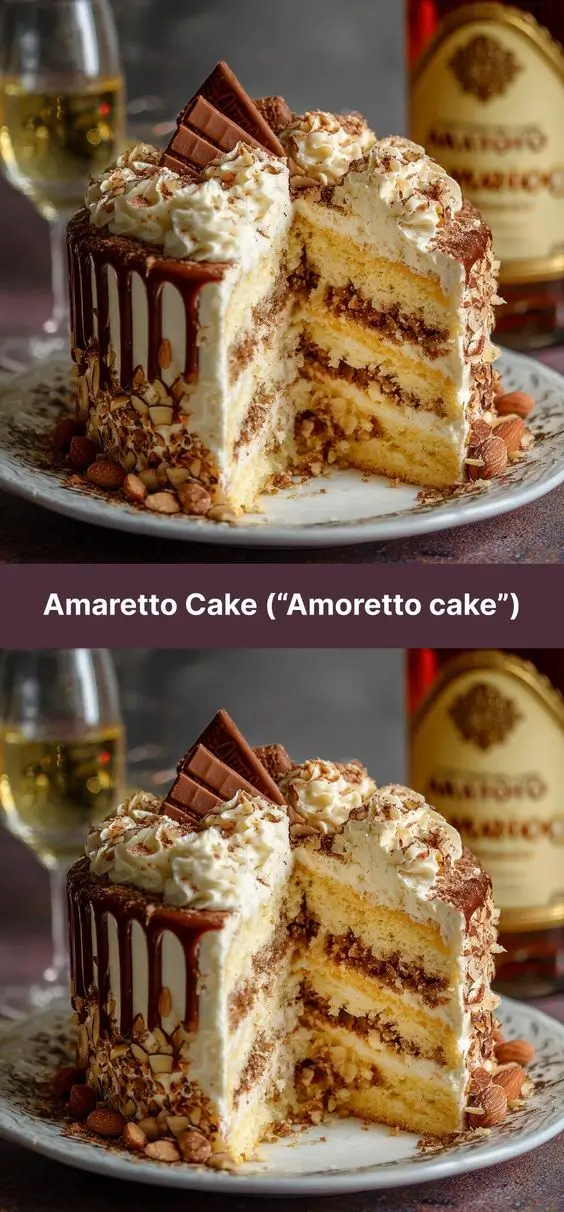
Amaretto Cake: A Decadent Italian-Inspired Delight
The Amaretto cake, sometimes affectionately (though incorrectly) referred to as “Amoretto cake,” is a rich, moist dessert that beautifully marries the nutty sweetness of almond with the warm, aromatic essence of Amaretto liqueur. With its origins rooted in Italian baking traditions and its flavors echoing the iconic amaretti cookies, this cake has become a favorite among those who appreciate desserts with a sophisticated twist. Whether served at dinner parties, holiday gatherings, or enjoyed as an indulgent treat with afternoon coffee, the Amaretto cake delivers elegance in every bite.
The History of Amaretto Cake
The story of the Amaretto cake begins not with the cake itself, but with its namesake—Amaretto liqueur. Originating in Saronno, Italy, around the early 16th century, Amaretto—whose name derives from the Italian word “amaro” meaning bitter—is traditionally made from apricot kernels, almonds, or both, giving it a distinctive almond-like flavor with a slightly sweet-bitter profile. The most famous brand, Disaronno Originale, dates back to 1801 and has since popularized the liqueur worldwide.
Baking with spirits like Amaretto became common in European cuisine as a way to enhance flavor and moisture in cakes. The concept of soaking cakes in alcohol-infused syrups can be traced back to Tiramisu and other classic Italian desserts. Over time, bakers began experimenting with Amaretto in sponge cakes, layer cakes, and bundt-style desserts, leading to the creation of what we now know as the Amaretto cake.
In American kitchens, especially during the mid-to-late 20th century, the use of liqueurs in baking surged in popularity. Cookbooks from the 1970s and 1980s frequently featured recipes incorporating brandy, Kahlúa, and Amaretto. The Amaretto cake emerged as a standout due to its unique flavor and luxurious texture. Today, it remains a beloved dessert, often associated with cozy evenings, romantic dinners, and festive occasions.
Ingredients Breakdown: What Makes This Cake Special?
The magic of the Amaretto cake lies in its carefully balanced ingredients, each contributing to its signature taste, texture, and aroma. Here’s a detailed look at the components:
- Butter: High-quality unsalted butter provides richness and helps create a tender crumb. It should be softened to room temperature for optimal creaming.
- Granulated Sugar: Adds sweetness and helps aerate the batter when creamed with butter, resulting in a light and fluffy texture.
- Eggs: Act as a binder and add structure while contributing to moisture and leavening. Room-temperature eggs integrate more smoothly into the batter.
- All-Purpose Flour: The base of the cake, providing structure. Sifted to prevent lumps and ensure even distribution.
- Baking Powder & Baking Soda: Leavening agents that help the cake rise and maintain a soft, airy texture.
- Salt: Enhances all the other flavors and balances the sweetness.
- Sour Cream or Greek Yogurt: Adds moisture and slight tanginess, improving shelf life and tenderness.
- Vanilla Extract: Complements the almond flavor and deepens the overall aroma.
- Almond Extract: Intensifies the nutty character of the cake, working in harmony with the Amaretto.
- Amaretto Liqueur: The star ingredient. Its complex flavor—sweet, nutty, slightly bitter—infuses the cake with depth. Typically ¼ to ½ cup is used in the batter, with additional for soaking or glazing.
- Milk or Buttermilk: Helps adjust batter consistency and adds acidity for a softer crumb.
For the glaze or syrup (if included):
- Powdered Sugar: Forms the base of the glaze.
- Fresh Amaretto: Thins the glaze and enhances flavor.
- Optional Almond Slices or Amaretti Crumbs: For garnish and added crunch.
Step-by-Step Recipe: How to Make the Perfect Amaretto Cake
Follow this detailed guide to bake a moist, flavorful Amaretto cake that will impress even the most discerning palates.
Ingredients You’ll Need:
- 1 cup (2 sticks) unsalted butter, softened
- 1 ¾ cups granulated sugar
- 4 large eggs, room temperature
- 3 cups all-purpose flour
- 1 ½ teaspoons baking powder
- ½ teaspoon baking soda
- ½ teaspoon salt
- 1 cup sour cream (or full-fat Greek yogurt)
- 2 teaspoons pure vanilla extract
- 1 teaspoon almond extract
- ½ cup Amaretto liqueur (plus ¼ cup for brushing/syrup)
- ½ cup whole milk, room temperature
- Optional: ½ cup crushed amaretti cookies or sliced almonds for texture
Directions:
- Preheat & Prepare: Preheat your oven to 350°F (175°C). Grease and flour a 9×13-inch baking pan, two 9-inch round pans, or a 10-cup Bundt pan. Line the bottom with parchment paper if desired for easy removal.
- Cream Butter & Sugar: In a large mixing bowl, beat the softened butter and granulated sugar together on medium-high speed until light and fluffy (about 3–5 minutes). Scrape down the sides as needed.
- Add Eggs: Add the eggs one at a time, beating well after each addition. Ensure each egg is fully incorporated before adding the next. The mixture should be pale and creamy.
- Dry Ingredients: In a separate bowl, whisk together the flour, baking powder, baking soda, and salt. Mix thoroughly to distribute the leavening agents evenly.
- Combine Wet Ingredients: In another bowl, stir together the sour cream, vanilla extract, almond extract, ½ cup Amaretto, and milk until smooth.
- Mix Gradually: With the mixer on low speed, alternately add the dry ingredients and wet mixture to the butter-sugar blend, starting and ending with the dry ingredients. Mix just until combined—do not overmix, as this can lead to a dense cake.
- Fold in Extras (Optional): Gently fold in crushed amaretti cookies or sliced almonds for added texture and authenticity.
- Pour & Smooth: Pour the batter into the prepared pan(s) and smooth the top with a spatula for even baking.
- Bake: Bake for 30–35 minutes for round pans, 35–40 minutes for a 9×13-inch pan, or 45–55 minutes for a Bundt pan, or until a toothpick inserted into the center comes out clean or with a few moist crumbs.
- Cool Slightly: Let the cake cool in the pan for 15 minutes before transferring to a wire rack. If using a Bundt pan, invert carefully onto the rack.
- Prepare Amaretto Syrup (Optional but Recommended): While the cake is still warm, combine ¼ cup Amaretto with 2 tablespoons sugar in a small saucepan. Heat gently until the sugar dissolves. Use a pastry brush to drizzle or brush the syrup over the cake. This step enhances moisture and intensifies flavor.
- Glaze (Optional): Once completely cooled, prepare a glaze by mixing 1 cup powdered sugar with 2–3 tablespoons Amaretto and ½ teaspoon almond extract. Drizzle over the top. Sprinkle with toasted almond slices or crushed amaretti cookies for garnish.
Pro Tips for Baking Success
- Room Temperature Ingredients: Ensure butter, eggs, sour cream, and milk are at room temperature. This promotes even mixing and prevents curdling.
- Don’t Overmix: Once flour is added, mix only until just combined. Overmixing develops gluten, which can make the cake tough.
- Use Real Extracts: Avoid imitation almond extract—it can taste harsh or chemical-like. Opt for pure almond and vanilla extracts for superior flavor.
- Quality Amaretto Matters: Use a reputable brand like Disaronno, Luxardo, or Lazzaroni. Cheaper alternatives may contain artificial flavors.
- Check Doneness Early: Ovens vary. Start checking 5 minutes before the minimum bake time to avoid overbaking.
- Let It Soak: Brushing the warm cake with Amaretto syrup allows it to absorb the liqueur deeply, boosting flavor and keeping it moist for days.
- Storage Tip: Store covered at room temperature for up to 2 days, or refrigerate for up to 5 days. Bring to room temperature before serving for best texture.
Variations and Customizations
The beauty of the Amaretto cake is its versatility. Here are several creative ways to customize it:
- Amaretto Cherry Cake: Fold in 1 cup of drained maraschino or Morello cherries for a delightful contrast of sweet-tart flavors.
- Chocolate-Amaretto Swirl: Melt ½ cup dark chocolate and swirl into the batter before baking for a marbled effect.
- Gluten-Free Version: Substitute all-purpose flour with a 1:1 gluten-free baking blend. Add ½ teaspoon xanthan gum if not included.
- Non-Alcoholic Option: Replace Amaretto with almond-flavored syrup or a mix of almond extract and water. Note: the authentic depth of flavor will be reduced.
- Layer Cake Style: Bake in two 9-inch rounds and fill with Amaretto-infused whipped cream or almond buttercream frosting.
- Bundt Beauty: Dust a glazed Bundt version with powdered sugar and garnish with edible gold flakes for a stunning centerpiece.
- Mini Amaretto Cakes: Use a muffin tin to make individual cupcakes. Perfect for parties!
- Dairy-Free: Substitute butter with plant-based margarine, sour cream with coconut cream, and milk with almond or oat milk.
Health Considerations and Nutritional Value
While undeniably delicious, the Amaretto cake is a rich dessert best enjoyed in moderation. Here’s a nutritional overview per average slice (based on 12 servings):
- Calories: ~380–420
- Total Fat: 18–22g (mostly from butter and eggs)
- Saturated Fat: 10–12g
- Carbohydrates: 50–55g
- Sugars: 35–40g (primarily from granulated and powdered sugar)
- Protein: 5–6g
- Cholesterol: ~80mg
- Sodium: ~200–250mg
Important Notes:
- Alcohol Content: While much of the alcohol evaporates during baking, residual amounts remain—especially if soaked with syrup. Not suitable for children, pregnant individuals, or those avoiding alcohol.
- Nut Allergies: Despite being almond-flavored, traditional Amaretto is often made from apricot pits, not almonds. However, cross-reactivity is possible. Always check labels if serving someone with tree nut allergies.
- Diabetes Consideration: High in sugar; not ideal for diabetics unless modified with sugar substitutes (results may vary in texture).
- Portion Control: Serve smaller slices with fresh berries or whipped cream to balance richness.
Frequently Asked Questions (FAQ)
Q: Can I make Amaretto cake without alcohol?
A: Yes, though the flavor will differ. Substitute Amaretto with a non-alcoholic almond syrup or a mix of water, almond extract, and a touch of glycerin for body.
Q: Why is my cake dry?
A: Overbaking, overmixing, or insufficient fat/moisture are common causes. Always use the toothpick test and avoid exceeding recommended bake times.
Q: Can I freeze Amaretto cake?
A: Absolutely! Wrap tightly in plastic wrap and foil, then freeze for up to 3 months. Thaw overnight in the refrigerator and bring to room temperature before serving.
Q: Can I use self-rising flour?
A: Not recommended. Self-rising flour contains salt and leavening, which could alter the balance. Stick to all-purpose flour with measured baking powder/soda.
Q: What’s the difference between Amaretto and almond extract?
A: Amaretto is a sweet, amber-colored liqueur with a complex flavor derived from stone fruit kernels. Almond extract is a concentrated flavoring made from almonds and alcohol. They’re related but not interchangeable in equal amounts.
Q: Can I add fruits?
A: Yes! Pears, peaches, or plums pair beautifully with Amaretto. Toss fruit in a little flour before folding in to prevent sinking.
Q: Why is it called ‘Amoretto’ in some places?
A: Likely a misspelling or affectionate nickname. “Amoretto” means “little love” in Italian, which is poetic—but incorrect. The correct term is Amaretto, meaning “a little bitter.”
Summary
The Amaretto cake is a luxurious, moist dessert infused with the rich, nutty essence of Amaretto liqueur, offering a perfect balance of sweetness and subtle bitterness. With its Italian roots, elegant flavor, and endless customization options, it’s a show-stopping treat for any occasion.