Introduction
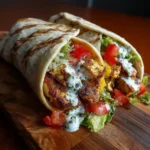
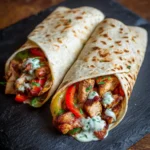
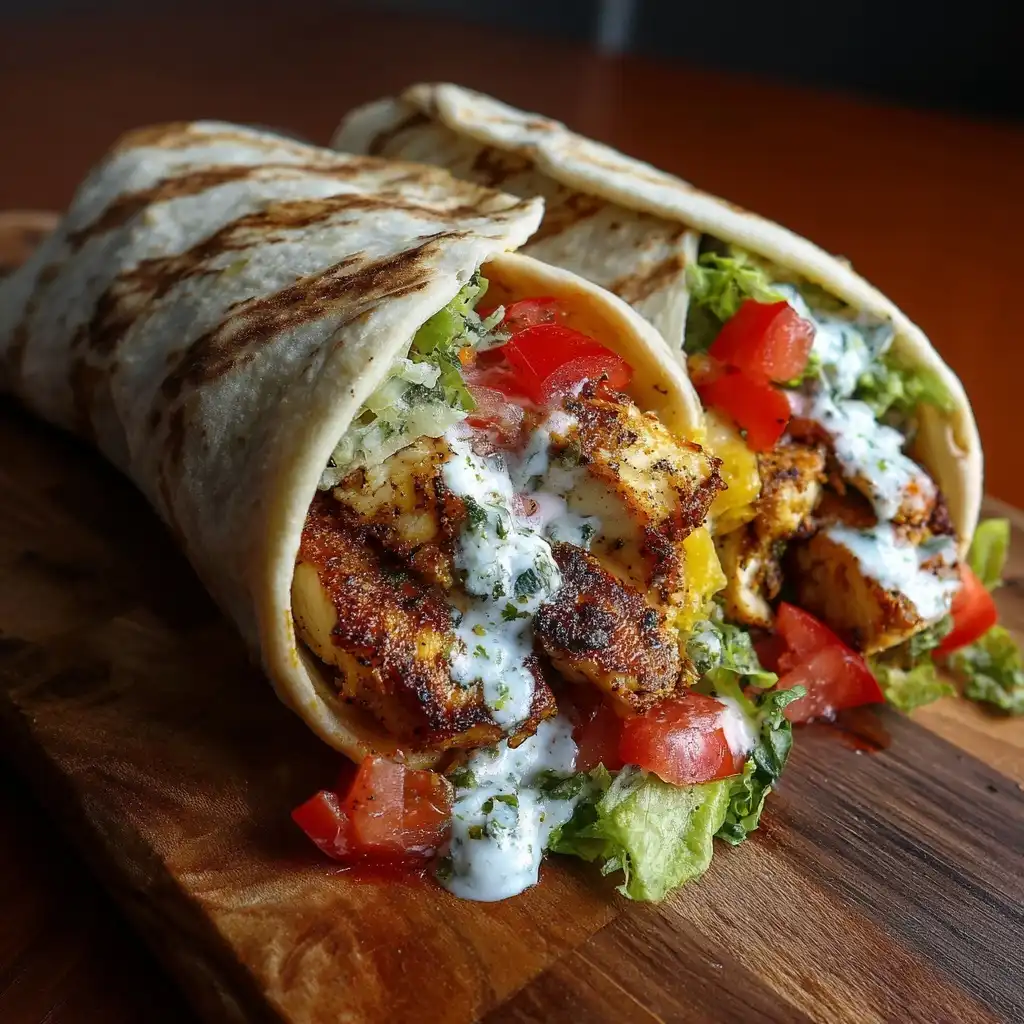
The Chicken Gyro Wrap is a vibrant, modern reinterpretation of the beloved Greek street food classic—traditionally made with slow-roasted lamb or beef—but reimagined with tender, marinated chicken for broader appeal, lighter nutrition, and versatile flavor. This handheld delight brings together the bold aromatics of Mediterranean herbs, the creamy tang of tzatziki, the crisp freshness of vegetables, and the warm, pillowy embrace of pita or flatbread—creating a harmonious, satisfying meal that’s equally at home at a summer picnic, a busy weeknight dinner, or a gourmet lunchbox. Unlike its traditional counterpart, the chicken gyro wrap emphasizes accessibility: it requires no specialized rotisserie equipment, cooks quickly on the stovetop or grill, and adapts effortlessly to dietary preferences—from gluten-free and dairy-free options to plant-based tzatziki alternatives. Its global popularity reflects not only its irresistible taste but also its embodiment of culinary fusion: honoring Greek roots while embracing contemporary cooking methods, ingredient consciousness, and cultural inclusivity.
The History
The origins of the gyro (pronounced YEE-roh) trace back to early 20th-century Greece, evolving from earlier Middle Eastern and Ottoman preparations like döner kebab and shawarma. As Greek immigrants settled in the United States—particularly in cities like Chicago, New York, and Boston—in the 1950s and 60s, they adapted their culinary traditions to local ingredients and equipment. The vertical rotisserie, originally used for lamb and beef, was gradually modified to accommodate more affordable, widely available chicken—especially as health-conscious dining trends gained momentum in the 1980s and 90s. By the early 2000s, the “chicken gyro” had become a staple on diner menus, food truck rotations, and college campus cafeterias across North America. The transition from a plated dish served with fries and lemon wedges to the portable, self-contained wrap format emerged alongside the rise of fast-casual dining concepts like Chipotle and Cava—where customization, speed, and freshness were paramount. Today, the Chicken Gyro Wrap symbolizes both cultural continuity and culinary innovation: a testament to how immigrant ingenuity transforms tradition into something new, nourishing, and deeply resonant across generations and geographies.
Ingredients Breakdown
Every exceptional Chicken Gyro Wrap rests on three foundational pillars: the protein, the sauce, and the supporting ensemble—all working in concert to deliver layers of texture, temperature, acidity, creaminess, and umami. Let’s explore each component in depth:
- The Chicken: Boneless, skinless chicken thighs are preferred over breasts for their superior marinating capacity, natural fat content (which prevents dryness), and rich, savory depth. When sliced thin against the grain and grilled or pan-seared, they develop a delicate char and succulent chew—mimicking the tenderness of traditionally rotisserie-cooked meat.
- The Marinade: A balance of olive oil (for richness and carry), fresh lemon juice (for brightness and enzymatic tenderizing), minced garlic (for pungent backbone), dried oregano and thyme (earthy, floral notes native to Greek hillside flora), smoked paprika (a subtle nod to döner’s depth), ground cumin (a gentle bridge to Levantine influences), and a touch of honey or brown sugar (to encourage caramelization and round out acidity).
- The Tzatziki Sauce: Far more than a condiment—it’s the cooling, creamy counterpoint. Authentic tzatziki uses full-fat Greek yogurt strained to remove excess whey, finely grated English cucumber (peeled and seeded to avoid sogginess), crushed garlic, lemon zest and juice, chopped fresh dill and mint, a drizzle of extra-virgin olive oil, and a pinch of sea salt. Its lactic tang cuts through the chicken’s savoriness, while its coolness balances the warmth of the wrap.
- The Flatbread: Traditional Greek pita—soft, slightly puffed, and pliable—is ideal. Look for ones labeled “pocketless” or “gyro-style,” which are thinner and more flexible than standard pocket pita. Whole wheat or sprouted grain versions add fiber and nuttiness; gluten-free almond-flour or cassava-based wraps offer faithful texture without compromising integrity.
- The Fresh Accoutrements: Shredded romaine or butter lettuce provides clean crunch; thinly sliced red onion adds sharp sweetness (soak in cold water for 5 minutes to mellow); ripe tomato wedges contribute juicy acidity; crumbled feta cheese lends salty, briny complexity; and a final flourish of chopped fresh parsley or mint ties all herbal notes together.
Step-by-Step Recipe
This meticulously crafted method ensures restaurant-quality results at home—every time—with attention to timing, temperature control, and layering logic:
- Marinate the Chicken (30 minutes–24 hours): In a non-reactive bowl, whisk together ⅓ cup extra-virgin olive oil, ¼ cup fresh lemon juice, 4 minced garlic cloves, 1 tbsp dried oregano, 1 tsp dried thyme, 1 tsp smoked paprika, ½ tsp ground cumin, 1 tsp honey, 1 tsp kosher salt, and ½ tsp freshly ground black pepper. Add 1.5 lbs boneless, skinless chicken thighs (cut into ½-inch strips), toss thoroughly, cover, and refrigerate for minimum 30 minutes—or ideally, 4–8 hours for maximum flavor penetration.
- Prepare the Tzatziki (20 minutes ahead): Grate 1 medium English cucumber (unpeeled, seeds scooped out), then squeeze firmly in a clean kitchen towel to remove ~75% of moisture. In a separate bowl, combine 1.5 cups full-fat Greek yogurt, the drained cucumber, 2 minced garlic cloves, 1 tbsp lemon juice, 1 tsp lemon zest, 2 tbsp finely chopped fresh dill, 1 tbsp chopped mint, 1 tbsp extra-virgin olive oil, ½ tsp sea salt, and a pinch of white pepper. Stir gently, cover, and chill for at least 20 minutes (preferably 1 hour) to allow flavors to meld.
- Cook the Chicken (12–15 minutes): Heat 2 tbsp olive oil in a heavy-bottomed stainless steel or cast-iron skillet over medium-high heat until shimmering. Working in batches to avoid crowding, add chicken strips in a single layer. Cook undisturbed for 3–4 minutes until deeply golden and lightly caramelized on the first side, then flip and cook 2–3 more minutes until internal temperature reaches 165°F (use an instant-read thermometer). Transfer to a cutting board, rest 3 minutes, then slice into 1-inch pieces.
- Warm the Pitas (30 seconds per side): Lightly brush both sides of each pita with olive oil. Heat a dry skillet over medium heat. Toast pitas one at a time for 20–30 seconds per side—just until pliable, warmed through, and faintly speckled—not crispy. Stack under a clean kitchen towel to retain steam and flexibility.
- Assemble with Precision (Assembly order matters!): Lay a warm pita flat. Spread 3–4 tbsp chilled tzatziki in a wide stripe across the center, leaving 1.5-inch borders. Layer evenly with ¾ cup shredded romaine, ¼ cup sliced red onion, ½ cup chicken pieces, 3–4 tomato wedges, 2 tbsp crumbled feta, and a final sprinkle of fresh dill and parsley. Drizzle with an extra ½ tsp olive oil and a light grind of black pepper.
- Wrap Like a Pro: Fold the bottom third up over the filling. Fold the left and right thirds inward snugly (like an envelope). Roll tightly upward from the bottom to encase all ingredients. Optional: wrap the finished gyro in parchment paper, then foil, to hold shape and trap warmth for 10–15 minutes before serving.
Tips
- Marinade Science: Never marinate chicken in aluminum containers or foil—the acid in lemon juice can cause metallic off-flavors. Use glass, ceramic, or food-grade plastic.
- Chicken Texture Hack: For even more tenderness, add 1 tsp cornstarch to the marinade—it forms a protective coating and enhances surface browning.
- Tzatziki Consistency Secret: If your sauce seems thin after chilling, stir in 1 tsp drained, finely crumbled feta—it thickens naturally while boosting flavor.
- No-Soggy Guarantee: Always dress tomatoes and onions separately from greens—and assemble wraps within 10 minutes of serving. Pre-salting vegetables draws out water, so season only at the final stage.
- Grill Variation: Thread marinated chicken onto skewers and grill over medium charcoal for smoky nuance. Baste with reserved marinade (boiled 2 minutes first) during last 2 minutes.
- Make-Ahead Mastery: Marinate chicken and prepare tzatziki up to 3 days ahead. Store separately in airtight containers. Warm pitas and cook chicken day-of for optimal freshness.
- Knife Skills Matter: Slice cooked chicken against the grain—not parallel—to shorten muscle fibers and ensure melt-in-your-mouth tenderness.
- Resting Is Non-Negotiable: Let chicken rest 3 minutes after cooking—this allows juices to redistribute, preventing dryness when sliced.
- Pita Flexibility Fix: If pitas crack when folding, they’re too cold or stale. Revive by wrapping in damp paper towels and microwaving for 10 seconds—or toast in a 350°F oven for 2 minutes.
- Serving Temperature Balance: Serve tzatziki chilled, chicken hot, and pita warm—not scalding—to create a dynamic sensory experience.
Variations and Customizations
The Chicken Gyro Wrap is inherently adaptable—designed for personal expression, dietary alignment, and seasonal creativity. Here’s how to make it your own:
- Dietary Adaptations:
- Gluten-Free: Substitute certified GF flatbreads (like Siete Almond Flour Tortillas or Toufayan GF Pitas). Ensure all spices and yogurt are GF-certified (some blends contain anti-caking agents with gluten).
- Dairy-Free: Replace tzatziki with a cashew-based “tzatziki” (soaked raw cashews, lemon juice, garlic, cucumber, dill, apple cider vinegar, nutritional yeast) or a silken tofu–based version blended with miso and rice vinegar.
- Keto/Low-Carb: Skip the pita entirely and serve as a deconstructed “gyro bowl”: cauliflower rice base, chicken, tzatziki, veggies, olives, and extra feta. Or wrap in large butter lettuce or collard green leaves.
- Vegan: Use marinated, baked or air-fried chickpeas or seitan strips instead of chicken; pair with dairy-free tzatziki and vegan feta (like Violife or Follow Your Heart).
- Flavor Twists:
- Mediterranean Mezze Style: Add kalamata olives, roasted red peppers, artichoke hearts, and a drizzle of high-quality za’atar-infused olive oil.
- Spicy Harissa Kick: Whisk 1 tsp harissa paste into the tzatziki—or brush chicken with harissa glaze in the last minute of cooking.
- Lemon-Herb Brightness: Stir 1 tbsp lemon-infused olive oil and extra 1 tsp lemon zest into tzatziki; top wrap with lemon-thyme vinaigrette–dressed arugula.
- Smoky & Sweet: Add ½ tsp chipotle powder to marinade and finish with grilled pineapple slices and a touch of pomegranate molasses.
- Seasonal Swaps:
- Spring: Swap romaine for baby spinach and add blanched asparagus ribbons, edible pea shoots, and fresh mint.
- Summer: Incorporate heirloom cherry tomatoes, grilled zucchini ribbons, and basil ribbons; use cucumber-dill tzatziki with added mint.
- Fall: Add roasted sweet potato cubes, caramelized shallots, and a swirl of tahini-lemon sauce alongside tzatziki.
- Winter: Include sautéed kale, roasted beets, and toasted walnuts; enrich tzatziki with a spoonful of tahini and orange zest.
- Global Fusion Infusions:
- Tex-Mex Gyro: Replace oregano/thyme with chili powder and cumin; use avocado crema instead of tzatziki; add pickled jalapeños and cotija.
- Japanese-Inspired: Marinate chicken in mirin, tamari, ginger, and sesame oil; use yuzu-kosho tzatziki and garnish with nori strips and scallions.
- Indian Accent: Add garam masala and turmeric to marinade; swap tzatziki for raita with mango and cilantro; top with sev or roasted cumin.
Health Considerations and Nutritional Value
A well-constructed Chicken Gyro Wrap is a nutrient-dense, balanced meal—offering high-quality protein, gut-friendly probiotics, heart-healthy fats, and abundant phytonutrients—when prepared mindfully. Here’s a detailed nutritional snapshot per standard serving (1 wrap, ~12 oz total weight, using whole ingredients):
- Calories: ~520–580 kcal — moderate and satiating without being excessive.
- Protein: ~38–42g — primarily from lean chicken thighs and Greek yogurt, supporting muscle maintenance, immune function, and prolonged fullness.
- Fat: ~24–28g — predominantly monounsaturated (olive oil, avocado optional) and saturated (feta, yogurt), with zero trans fats. Omega-3s present if using grass-fed yogurt or adding flaxseed to marinade.
- Carbohydrates: ~36–40g — mostly complex (whole grain pita, vegetables) with low glycemic impact; fiber content ~7–9g (from pita, cucumber, lettuce, onions, tomatoes) supports digestive regularity and microbiome diversity.
- Vitamins & Minerals: Exceptionally rich in vitamin B6 (chicken), vitamin K (lettuce, herbs), vitamin C (lemon, tomatoes), calcium (feta, yogurt), potassium (cucumber, tomatoes), and antioxidants like lycopene and quercetin.
- Probiotic Power: Authentic, unpasteurized Greek yogurt contains live cultures (Lactobacillus bulgaricus, Streptococcus thermophilus) that support gut barrier integrity and immune modulation—especially beneficial when paired with prebiotic-rich vegetables.
- Sodium Awareness: Naturally moderate (~580–650mg), but highly controllable: omit added salt in marinade if using salted feta or olives, choose low-sodium yogurt, and skip table salt at assembly.
- Food Safety Notes: Marinate chicken below 40°F; discard unused marinade unless boiled; cook to 165°F; consume assembled wraps within 2 hours at room temperature or refrigerate promptly.
- Anti-Inflammatory Alignment: Rich in polyphenols (olive oil, oregano, lemon), curcumin (if turmeric added), and allicin (raw garlic)—all clinically associated with reduced systemic inflammation.
- Weight Management Friendly: High protein + high fiber = strong thermic effect and appetite suppression. Studies show meals with ≥30g protein significantly reduce subsequent calorie intake.
- Meal Timing Advantage: Balanced macros make it ideal for post-workout recovery (protein + carb replenishment) or sustained afternoon energy without crash.
Ingredients
Makes 4 generous wraps
- For the Chicken Marinade:
– ⅓ cup extra-virgin olive oil
– ¼ cup fresh lemon juice (about 1½ lemons)
– 4 large garlic cloves, finely minced
– 1 tablespoon dried Greek oregano
– 1 teaspoon dried thyme
– 1 teaspoon smoked paprika
– ½ teaspoon ground cumin
– 1 teaspoon raw honey or maple syrup
– 1 teaspoon kosher salt
– ½ teaspoon freshly ground black pepper
– 1.5 pounds boneless, skinless chicken thighs, cut into ½-inch-wide strips - For the Homemade Tzatziki:
– 1 medium English cucumber (about 8 oz), unpeeled, seeds scooped and grated
– 1.5 cups full-fat plain Greek yogurt (not low-fat or flavored)
– 2 large garlic cloves, finely minced or pressed
– 1 tablespoon fresh lemon juice
– 1 teaspoon lemon zest
– 2 tablespoons fresh dill, finely chopped
– 1 tablespoon fresh mint, finely chopped
– 1 tablespoon extra-virgin olive oil
– ½ teaspoon fine sea salt
– Pinch of white pepper - For Assembly:
– 4 (7-inch) soft Greek-style pitas or pocketless flatbreads
– 4 cups shredded romaine or butter lettuce
– 1 medium red onion, very thinly sliced (soak in cold water 5 min, then drain)
– 2 medium ripe tomatoes, cut into ¼-inch wedges
– ½ cup crumbled feta cheese (preferably imported Greek or artisanal)
– Extra-virgin olive oil, for drizzling
– Freshly ground black pepper
– Optional garnishes: additional chopped dill, parsley, mint, or microgreens
Directions
- Marinate the Chicken: In a large non-reactive bowl, whisk together olive oil, lemon juice, garlic, oregano, thyme, smoked paprika, cumin, honey, salt, and pepper until emulsified. Add chicken strips and toss to coat evenly. Cover and refrigerate for at least 30 minutes—or ideally 4 to 8 hours—for deepest flavor and tenderness.
- Prepare the Tzatziki: Place grated cucumber in a clean kitchen towel or cheesecloth and squeeze vigorously to remove excess water (you should yield ~¼ cup liquid). In a medium bowl, combine squeezed cucumber, Greek yogurt, garlic, lemon juice, lemon zest, dill, mint, olive oil, salt, and white pepper. Stir gently until fully combined. Cover and refrigerate for at least 20 minutes (1 hour recommended) to chill and allow flavors to harmonize.
- Cook the Chicken: Heat 2 tablespoons olive oil in a large heavy-bottomed skillet (stainless steel or cast iron) over medium-high heat until shimmering. Working in two batches to avoid steaming, add chicken in a single layer. Cook undisturbed for 3–4 minutes until deeply golden and caramelized on the bottom. Flip and cook another 2–3 minutes until chicken is cooked through and registers 165°F internally. Transfer to a clean cutting board, let rest 3 minutes, then slice into 1-inch pieces.
- Warm the Pitas: Lightly brush both sides of each pita with olive oil. Heat a dry skillet over medium heat. Toast each pita for 20–30 seconds per side—just until warm, pliable, and lightly speckled. Stack wrapped in a clean kitchen towel to keep soft and steamy.
- Assemble Each Wrap: Lay one warm pita flat on a clean surface. Spread 3–4 tablespoons tzatziki in a horizontal band across the center, about 2 inches from the bottom edge. Layer evenly with 1 cup shredded romaine, ¼ cup red onion, ½ cup chicken pieces, 3–4 tomato wedges, and 1½ tablespoons feta. Drizzle with ½ teaspoon olive oil and a few grinds of black pepper.
- Wrap Tightly: Fold the bottom edge up over the filling. Fold left and right edges inward toward the center (like sealing an envelope). Then roll firmly upward from the bottom to fully enclose the filling. If desired, wrap snugly in parchment paper, then fold ends and wrap in foil to hold shape and retain warmth for 10 minutes before serving.
- Serve Immediately: Cut each wrap in half diagonally for easier handling and presentation. Serve with extra tzatziki on the side, lemon wedges, and a small bowl of olives or a simple Greek salad.
FAQ
- Can I use chicken breast instead of thighs?
- Yes—but with caveats. Breast cooks faster and dries out more easily. To compensate: slice *very* thinly (¼ inch), reduce marinade time to 30 minutes max (acid can toughen lean meat), pound gently to even thickness, and cook only until 160°F (it will carry over to 165°F). Thighs remain strongly recommended for juiciness and flavor absorption.
- Is store-bought tzatziki acceptable?
- It works in a pinch—but most commercial versions contain stabilizers, preservatives, excess sugar, and diluted yogurt. They often lack fresh garlic punch and proper cucumber texture. For best results—and measurable nutritional benefits—homemade is worth the 10 extra minutes. If purchasing, look for refrigerated, short-ingredient brands like Oikos or Cedar’s with no gums or artificial flavors.
- How do I prevent my wrap from falling apart?
- Three keys: (1) Use warm, pliable pitas—not cold or brittle ones; (2) don’t overfill—stick to the measured amounts; (3) master the “envelope fold” before rolling. Also, avoid watery ingredients: always seed and drain tomatoes, soak onions, and squeeze cucumbers thoroughly.
- Can I make this ahead for meal prep?
- Absolutely—with smart staging. Marinate chicken and make tzatziki up to 3 days ahead (store separately). Cook chicken day-of—or cook, cool completely, and refrigerate for up to 3 days. Reheat gently in skillet or microwave before assembling. Warm pitas and assemble just before eating for optimal texture.
- What’s the best way to reheat leftover chicken?
- For best texture, reheat in a lightly oiled skillet over medium-low heat for 2–3 minutes, stirring occasionally—this restores moisture and adds a gentle sear. Avoid microwaving uncovered, as it steams and toughens. If microwaving, place chicken on a damp paper towel, cover loosely, and heat in 20-second bursts.
- Are there low-calorie substitutions without sacrificing satisfaction?
- Yes—strategically: swap full-fat yogurt for 2% (cuts ~40 cal/serving but retains creaminess), use whole-wheat pita (adds fiber, lowers net carbs), skip feta or reduce to 1 tbsp (saves ~50 cal), and load up on non-starchy veggies (zucchini ribbons, shredded cabbage, radishes). Never sacrifice protein or healthy fat—they’re essential for satiety.
- Can I freeze chicken gyro components?
- Marinated raw chicken freezes well for up to 3 months (freeze in portioned zip-top bags with marinade). Thaw overnight in fridge before cooking. Cooked chicken also freezes for up to 2 months—but tzatziki does NOT freeze well (yogurt separates, cucumber weeps). Make fresh tzatziki weekly.
- Why does my tzatziki taste bitter or overly garlicky?
- Bitterness usually comes from over-grating garlic (releasing harsh compounds) or using old, sprouted garlic. Mince or press garlic finely—and let tzatziki rest 30+ minutes before tasting: garlic mellows significantly with time. If still too sharp, stir in ½ tsp honey or a splash of lemon juice to balance.
- What wine or beverage pairs beautifully with a Chicken Gyro Wrap?
- A chilled Assyrtiko from Santorini—crisp, mineral-driven, high-acid white—cuts beautifully through tzatziki’s richness and complements lemon-garlic notes. For non-alcoholic: sparkling lemon-mint water, unsweetened hibiscus iced tea, or a cold Greek-style barley coffee (kyphy).
- My pita keeps cracking when I fold it—what’s wrong?
- Either it’s too cold (bring to room temp first), too dry (revive with damp towel/microwave trick), or too thick/stale. Try thinner “gyro-style” pitas from Mediterranean grocers—or lightly toast and immediately wrap in cloth to trap steam. A 10-second steam in a bamboo basket also works wonders.
Summary
The Chicken Gyro Wrap is a masterclass in Mediterranean-inspired balance—uniting marinated, herb-kissed chicken, cool and tangy house-made tzatziki, crisp seasonal vegetables, and warm, pliable flatbread into a portable, nutrient-rich, and endlessly customizable meal.
Rooted in Greek tradition yet vibrantly adaptable to modern kitchens, dietary needs, and global palates, it delivers bold flavor, textural harmony, and wholesome nourishment—all wrapped in one satisfying, hand-held experience.