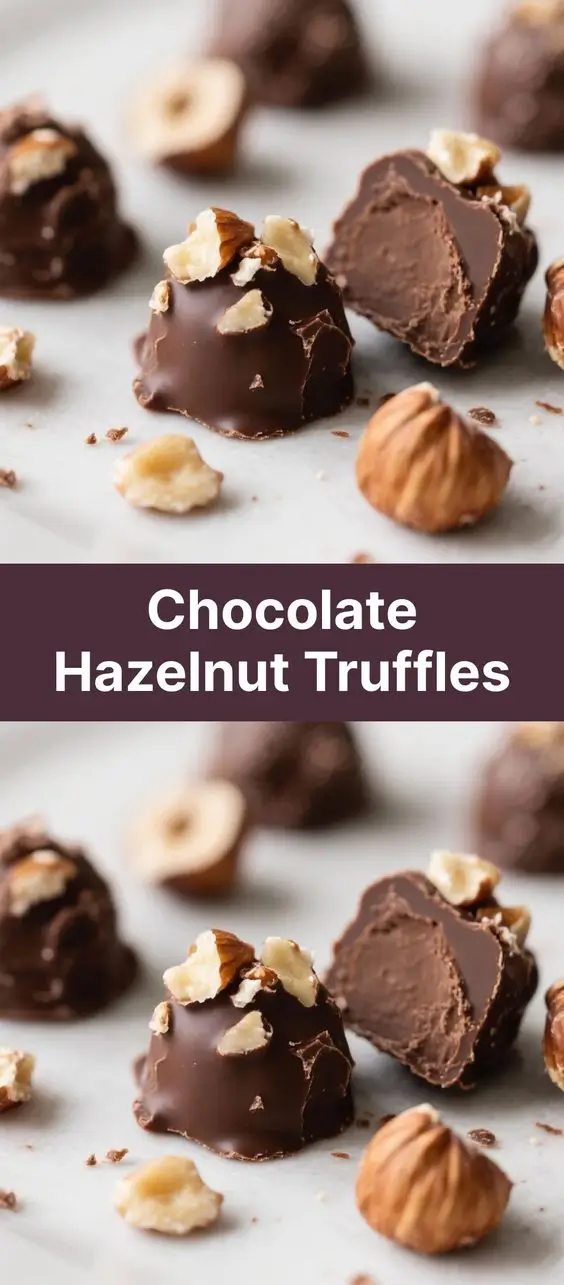
Chocolate Hazelnut Truffles: A Decadent Delight for Every Chocolate Lover
Introduction
Indulge in the rich, velvety world of chocolate hazelnut truffles—a luxurious treat that combines the deep intensity of dark chocolate with the nutty warmth of toasted hazelnuts. These bite-sized confections are perfect for gifting, entertaining, or simply treating yourself to a moment of pure dessert bliss. With their silky ganache centers and delicate coatings, chocolate hazelnut truffles offer an elegant balance of textures and flavors that elevate any occasion. Whether you’re a seasoned chocolatier or a curious home baker, this guide will walk you through everything you need to know to create flawless truffles that dazzle both the eyes and the palate.
The History
The story of chocolate truffles begins in 19th-century France, where legend has it that an apprentice accidentally poured hot cream over a bowl of chocolate instead of melting it gently. Instead of discarding the mixture, the chef shaped it into small balls and rolled them in cocoa powder, mimicking the appearance of the prized underground mushroom known as the truffle—thus giving the confection its name. Over time, truffles evolved from simple cocoa-dusted spheres to elaborate creations featuring fillings like liqueurs, nuts, spices, and fruit purees.
Hazelnuts have long been a beloved companion to chocolate, especially in European confectionery traditions. The iconic Italian spread gianduja, developed in the early 1800s during a cocoa shortage, combined finely ground hazelnuts with chocolate to stretch supplies while enhancing flavor. This union laid the foundation for modern chocolate-hazelnut treats, including Ferrero Rocher, Nutella, and today’s gourmet truffles. By blending these two ingredients into a refined truffle format, we honor centuries of culinary innovation and cross-cultural sweet-making heritage.
Ingredients Breakdown
Creating exceptional chocolate hazelnut truffles starts with selecting high-quality ingredients. Each component plays a vital role in achieving the perfect texture, taste, and mouthfeel:
- Dark Chocolate (70% cacao): Provides a robust, slightly bitter base that balances the sweetness and richness of other ingredients. Choose couverture chocolate for its higher cocoa butter content, which ensures a smooth, glossy ganache.
- Heavy Cream: Adds creaminess and helps emulsify the chocolate during melting. Its fat content contributes to a luscious, melt-in-your-mouth consistency.
- Unsalted Butter: Enhances silkiness and adds a subtle richness without overpowering saltiness. It also improves the truffle’s ability to hold shape when chilled.
- Toasted Hazelnuts: Bring depth, crunch, and aromatic complexity. Toasting intensifies their natural oils and brings out nutty, almost caramel-like notes.
- Vanilla Extract: Rounds out the flavor profile with warm, floral undertones. Pure extract is preferred over imitation for superior aroma.
- Salt (fine sea salt): A pinch enhances all other flavors, making the chocolate taste richer and the nuts more pronounced.
- Cocoa Powder or Chopped Nuts (for coating): Used to roll the finished truffles, adding visual appeal and textural contrast. Dutch-processed cocoa offers a smoother, less acidic finish.
- Optional Additions: Liqueur (such as Frangelico, Grand Marnier, or rum), espresso powder, cinnamon, or orange zest can be added to deepen complexity.
Step-by-Step Recipe
Ingredients
- 8 oz (225g) high-quality dark chocolate, finely chopped
- 1/2 cup (120ml) heavy cream
- 2 tbsp unsalted butter, softened
- 1/2 cup (60g) finely ground toasted hazelnuts (about 3/4 cup whole)
- 1 tsp pure vanilla extract
- Pinch of fine sea salt
- 1/3 cup (30g) unsweetened cocoa powder (plus extra for dusting)
- Optional: 1 tbsp Frangelico or hazelnut liqueur
Directions
- Toast the Hazelnuts: Preheat oven to 350°F (175°C). Spread raw hazelnuts on a baking sheet and toast for 10–12 minutes until fragrant and skins begin to crack. Rub them in a clean kitchen towel to remove most of the skins. Let cool completely, then pulse in a food processor until finely ground but not pasty. Set aside.
- Melt the Chocolate: Place chopped chocolate in a heatproof bowl. In a small saucepan, heat the heavy cream over medium heat until it just begins to simmer (do not boil). Pour the hot cream over the chocolate and let sit undisturbed for 2–3 minutes to allow the chocolate to melt.
- Create the Ganache: Gently whisk the chocolate and cream together until smooth and glossy. Add the butter, one tablespoon at a time, stirring until fully incorporated. Stir in the vanilla extract, salt, and optional liqueur if using.
- Incorporate the Hazelnuts: Fold in the ground toasted hazelnuts until evenly distributed. The mixture should thicken slightly and become cohesive.
- Chill the Mixture: Cover the bowl with plastic wrap, pressing it directly onto the surface of the ganache to prevent a skin from forming. Refrigerate for 2–3 hours, or until firm enough to scoop and roll.
- Shape the Truffles: Using a small cookie scoop or teaspoon, portion the chilled ganache. Roll each portion quickly between your palms into a smooth ball. Work swiftly to avoid melting from body heat. Place each ball on a parchment-lined tray.
- Coat the Truffles: Spread cocoa powder in a shallow bowl. Roll each truffle in the cocoa until fully coated. Alternatively, use crushed toasted hazelnuts, powdered sugar, shredded coconut, or melted chocolate for dipping.
- Final Chill and Serve: Return the coated truffles to the refrigerator for at least 30 minutes before serving. This sets the coating and enhances texture. Store in an airtight container in the fridge for up to 2 weeks or freeze for longer storage.
Tips
- Use Room Temperature Hands: Cold hands make rolling easier. You can chill your hands briefly under cold water and dry them thoroughly before shaping.
- Work Quickly: Ganache melts easily. If the mixture becomes too soft, return it to the fridge for another 15–20 minutes.
- Consistent Size: Use a #100 cookie scoop (about 1 inch) for uniform truffles that look professional and serve evenly.
- Double Coating: For extra-rich flavor and protection, dip truffles in tempered chocolate after rolling in cocoa. This creates a shell similar to store-bought luxury chocolates.
- Tempering Tip: If tempering chocolate for dipping, ensure it reaches 88–90°F (31–32°C) for dark chocolate and maintain that temperature while working.
- Avoid Moisture: Even a drop of water can cause chocolate to seize. Make sure all utensils and bowls are completely dry.
- Flavor Infusion: Steep the cream with crushed hazelnuts or a strip of orange peel before heating for deeper flavor infusion.
Variations and Customizations
One of the greatest joys of making homemade truffles is the freedom to personalize them. Here are some creative twists to try:
- White Chocolate & Hazelnut: Substitute white chocolate for dark. The result is sweeter and creamier, ideal for those who prefer milder chocolate notes.
- Milk Chocolate Version: Offers a softer, milkier flavor profile—perfect for kids or casual gatherings.
- Spiced Truffles: Add 1/4 tsp ground cinnamon, cardamom, or chili powder for a warm, exotic kick.
- Coffee-Infused: Dissolve 1/2 tsp instant espresso powder into the warm cream for a mocha twist.
- Orange Zest: Grate in the zest of one organic orange for a bright, citrusy contrast.
- Gluten-Free & Dairy-Free Options: Use dairy-free chocolate and coconut cream instead of heavy cream for vegan-friendly truffles.
- Almond or Pecan Swap: Replace hazelnuts with toasted almonds or pecans for a different nutty dimension.
- Drunk Truffles: Soak raisins or dried cherries in bourbon or brandy, chop finely, and mix into the ganache.
- Edible Glitter or Gold Leaf: Decorate dipped truffles with edible shimmer for holiday elegance.
- Mini Cup Molds: Press ganache into mini paper liners and top with a whole hazelnut for a no-roll alternative.
Health Considerations and Nutritional Value
While chocolate hazelnut truffles are undeniably indulgent, they do offer some nutritional benefits when enjoyed in moderation:
- Heart-Healthy Fats: Hazelnuts are rich in monounsaturated fats, which support cardiovascular health and help reduce bad cholesterol levels.
- Antioxidants: Dark chocolate contains flavonoids and polyphenols—antioxidants linked to reduced inflammation and improved blood flow.
- Vitamins and Minerals: Hazelnuts provide vitamin E, magnesium, and B vitamins, contributing to skin health, energy metabolism, and nerve function.
- Mood Enhancement: Chocolate stimulates the release of endorphins and contains small amounts of serotonin precursors, potentially boosting mood.
However, it’s important to note that truffles are calorie-dense due to high fat and sugar content. One truffle (approx. 25g) contains roughly:
- Calories: 130–160
- Fat: 10–12g (mostly healthy fats, but includes saturated fat from cream and chocolate)
- Carbohydrates: 9–12g (including 7–9g sugars)
- Protein: 1.5–2g
- Fiber: 1g
For those managing weight, diabetes, or heart conditions, portion control is key. Enjoy one or two truffles as a mindful dessert rather than consuming multiple at once. Opt for higher-cacao chocolates (70% or above) to reduce sugar intake while maximizing antioxidant benefits.
FAQ
- Can I make chocolate hazelnut truffles without cream?
- Yes! Substitute with full-fat coconut milk or cashew cream for a dairy-free version. Note that the texture may be slightly denser.
- Why did my ganache seize?
- This usually happens when water gets into the chocolate or the cream is too hot. To fix, add a spoonful of vegetable oil or warm cream and stir gently to restore smoothness.
- How long do truffles last?
- Stored in an airtight container in the refrigerator, they stay fresh for up to 2 weeks. For longer storage, freeze for up to 3 months—thaw in the fridge before serving.
- Can I use Nutella in place of ground hazelnuts?
- You can—but adjust quantities carefully. Nutella is sweeter and contains palm oil. Replace up to half the ground nuts with 1/4 cup Nutella for flavor boost, but keep the rest for texture.
- Do I need to temper chocolate for coating?
- Tempering gives a shiny finish and snap, but isn’t required. Untempered chocolate will set but may bloom (develop white streaks). For gifts or display, tempering is recommended.
- What causes blooming on chocolate-coated truffles?
- Bloom occurs when cocoa butter separates due to temperature fluctuations. While safe to eat, it affects appearance. Prevent by storing truffles at consistent cool temperatures and avoiding humidity.
- Can I make these ahead of time?
- Absolutely! Prepare the ganache up to 3 days in advance and store covered in the fridge. Shape and coat the day before serving for best texture.
Summary
Chocolate hazelnut truffles are an exquisite fusion of smooth ganache, toasted nuts, and premium chocolate, offering a luxurious experience in every bite. Easy to customize and perfect for any occasion, they’re a timeless dessert that bridges tradition and creativity.