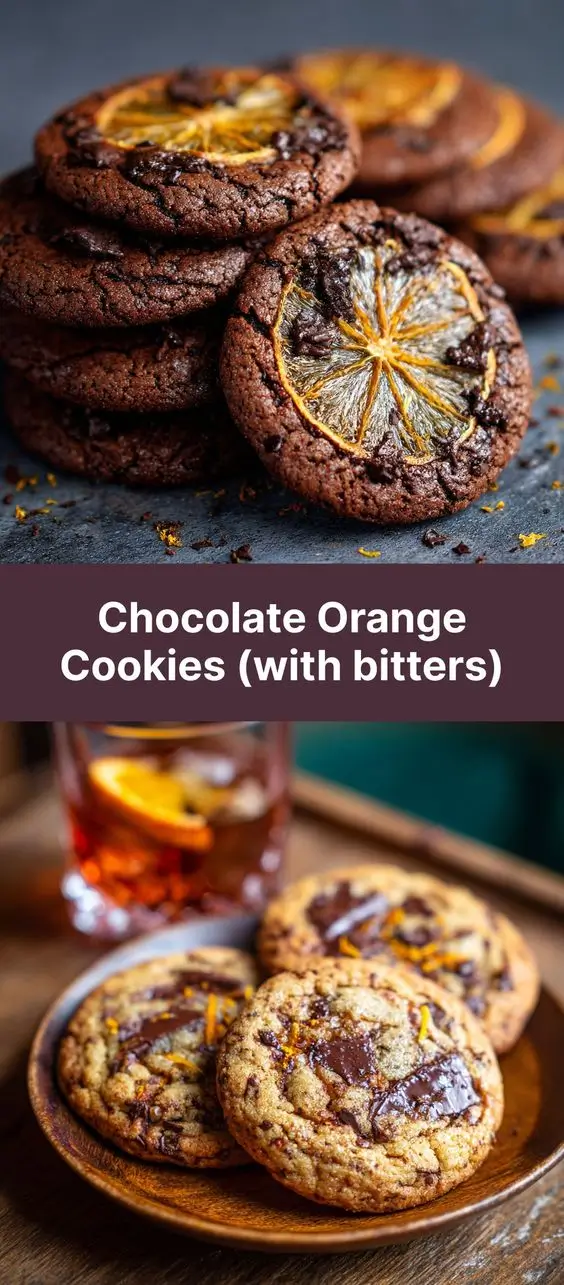
Chocolate Orange Cookies (with Bitters) are a luxurious fusion of rich dark chocolate, bright citrus zest, and the sophisticated depth of aromatic bitters. These cookies offer a gourmet twist on a classic favorite, combining the indulgence of chocolate chip cookies with the refined complexity of orange oil and just a hint of bitterness that elevates the flavor profile. Perfect for dessert lovers who appreciate nuanced taste, these cookies make an elegant treat for holiday gatherings, afternoon tea, or as a unique homemade gift.
The History
The tradition of combining chocolate and citrus dates back centuries, particularly in European confectionery where dark chocolate was often paired with candied orange peel to balance sweetness with brightness. The addition of bitters—originally medicinal tinctures made from botanicals—into culinary applications became popular during the 19th century, especially in cocktails. However, modern pastry chefs and home bakers have begun experimenting with bitters in baked goods to enhance depth and complexity. Chocolate Orange Cookies with Bitters represent a contemporary evolution of this trend, merging the comforting texture of a chocolate chip cookie with the sophistication of cocktail-inspired flavors. Inspired by recipes from artisanal bakeries and mixology blogs, this version brings a bold new dimension to a beloved classic.
Ingredients Breakdown
To achieve the perfect balance of richness, citrus, and subtle bitterness, each ingredient plays a crucial role:
- All-Purpose Flour: Provides the structural base. For a tender crumb, it’s important not to overmix once flour is added.
- Baking Soda & Salt: Leavening agents that help the cookies rise slightly and spread evenly, while salt enhances all the other flavors.
- Unsalted Butter: Adds moisture and richness. Using room-temperature butter ensures even creaming with sugar for a soft, chewy texture.
- Granulated Sugar & Brown Sugar: Granulated sugar promotes crispness and spread; brown sugar adds moisture and chewiness due to its molasses content.
- Large Eggs: Bind the ingredients together and contribute to structure and tenderness.
- Pure Vanilla Extract: Deepens the overall flavor profile and complements both chocolate and orange.
- Orange Zest: Freshly grated zest from a navel or Valencia orange delivers intense citrus aroma without excess moisture. Avoid the bitter white pith.
- Orange Extract or Orange Liqueur (optional): Concentrates the orange flavor. Use high-quality extract or a splash of Grand Marnier or Cointreau for extra luxury.
- Aromatic Bitters (e.g., Angostura or orange bitters): Just a few drops add complexity and a subtle herbal warmth. Do not overuse—bitters are potent!
- Dark Chocolate Chunks or Chips: Preferably 60–70% cacao for a balanced bitterness that harmonizes with the orange and bitters. Chopping a quality chocolate bar yields melty pockets.
- Optional Add-ins: Chopped toasted walnuts, pecans, or candied orange peel for texture and additional layers of flavor.
Step-by-Step Recipe
- Prep Work: Preheat your oven to 350°F (175°C). Line two large baking sheets with parchment paper or silicone baking mats. Grate the zest of one large orange (about 1 tablespoon), ensuring no white pith is included.
- Mix Dry Ingredients: In a medium bowl, whisk together 2 ¼ cups (280g) all-purpose flour, 1 teaspoon baking soda, and ½ teaspoon fine sea salt. Set aside.
- Cream Butter and Sugars: In a large mixing bowl, beat 1 cup (2 sticks / 226g) softened unsalted butter with ¾ cup (150g) granulated sugar and ¾ cup (160g) packed light brown sugar until light and fluffy, about 3–4 minutes using a hand mixer or stand mixer.
- Add Wet Ingredients: Beat in 2 large eggs, one at a time, followed by 2 teaspoons pure vanilla extract. Mix until fully incorporated and smooth.
- Incorporate Citrus and Bitters: Stir in the freshly grated orange zest, ½ teaspoon orange extract (or 1 tablespoon orange liqueur), and 6–8 drops of aromatic bitters (Angostura or orange bitters work best). Mix thoroughly.
- Combine Dry and Wet: Gradually add the dry ingredients to the wet mixture, mixing on low speed just until combined. Do not overmix.
- Fold in Chocolate: Using a spatula, gently fold in 2 cups (340g) chopped dark chocolate or chocolate chips until evenly distributed. For extra flair, add ½ cup chopped toasted nuts or ⅓ cup finely diced candied orange peel.
- Chill the Dough (Optional but Recommended): Cover the dough and refrigerate for at least 30 minutes (up to 72 hours). Chilling prevents excessive spreading, deepens flavor, and results in a chewier texture.
- Scoop and Bake: Use a cookie scoop or spoon to portion dough into 1.5-tablespoon balls. Place them 2 inches apart on prepared baking sheets. Bake one sheet at a time in the center rack for 10–12 minutes, or until edges are set and centers still look slightly soft.
- Cool and Serve: Let cookies cool on the baking sheet for 5 minutes before transferring to a wire rack to cool completely. They will continue to firm up as they cool.
Tips
- Use Real Zest, Not Bottled: Fresh orange zest contains essential oils that bottled versions lack, giving a vibrant, authentic citrus punch.
- Don’t Overbake: Remove cookies when centers appear slightly underdone—they’ll set as they cool and remain chewy.
- Quality Chocolate Matters: Choose a chocolate you’d enjoy eating on its own. High cocoa content balances the sweetness and pairs beautifully with bitters.
- Adjust Bitters Carefully: Start with 6 drops. You can always add more next time, but too much will overpower. Taste a tiny bit of dough before baking (excluding raw flour and egg risks) to gauge balance.
- Uniform Sizing: Use a cookie scoop for even baking and professional appearance.
- Rotate the Pan: Halfway through baking, rotate the pan for even browning, especially if your oven has hot spots.
- Double Batch?: This dough freezes well! Freeze scooped balls on a tray, then transfer to a freezer bag. Bake straight from frozen—add 1–2 minutes to baking time.
Variations and Customizations
- Gluten-Free: Substitute the all-purpose flour with a 1:1 gluten-free baking blend containing xanthan gum for proper texture.
- Dairy-Free: Replace butter with a plant-based alternative like vegan stick butter (e.g., Earth Balance), and use dairy-free dark chocolate.
- Vegan Option: Combine dairy-free butter, flax eggs (1 tbsp ground flax + 3 tbsp water per egg), and vegan chocolate for a plant-powered version.
- Spiced Version: Add ¼ teaspoon ground cinnamon, a pinch of nutmeg, or cardamom to the dry ingredients for a warm, festive twist.
- White Chocolate Orange: Swap dark chocolate for white chocolate chunks and increase orange zest to 1½ tablespoons. Use only orange bitters for harmony.
- Milk Chocolate Delight: Use milk chocolate for a sweeter, milder version ideal for kids or less adventurous palates.
- Sea Salt Finish: Sprinkle a tiny pinch of flaky sea salt on top of each cookie right after baking to enhance contrast.
- Stuffed Cookies: Place a small square of dark chocolate or a piece of candied orange in the center of each dough ball before baking for a gooey surprise.
- Cocktail Pairing Edition: Infuse the dough with a few drops of smoked aromatic bitters or pair the finished cookies with an Old Fashioned or Negroni for a full sensory experience.
Health Considerations and Nutritional Value
While undeniably indulgent, Chocolate Orange Cookies with Bitters can be enjoyed in moderation as part of a balanced diet. Here’s a general nutritional breakdown per cookie (based on 24 cookies per batch):
- Calories: ~220–250 kcal
- Total Fat: 13–16g (mostly from butter and chocolate; includes saturated fat)
- Carbohydrates: 28–32g (including 18–22g sugars)
- Protein: 2–3g
- Fiber: 1–2g (slightly higher if using whole grain flour substitute)
- Sodium: ~110–140mg
Considerations:
- High sugar and fat content means these should be treated as an occasional dessert.
- Dark chocolate contains antioxidants like flavonoids, which may support heart health in moderation.
- Orange zest contributes trace amounts of vitamin C and limonene, a compound studied for potential anti-inflammatory effects.
- Bitters, though used in minute quantities, traditionally aid digestion—making these cookies not just delicious, but potentially soothing after a meal.
- For reduced sugar, try using coconut sugar or a monk fruit blend, though texture and spread may vary.
- Those with citrus allergies or sensitivities should avoid this recipe, and individuals avoiding alcohol should skip liqueur and verify bitters’ alcohol content (most contain ethanol).
Ingredients
- 2 ¼ cups (280g) all-purpose flour
- 1 teaspoon baking soda
- ½ teaspoon fine sea salt
- 1 cup (226g / 2 sticks) unsalted butter, softened
- ¾ cup (150g) granulated sugar
- ¾ cup (160g) packed light brown sugar
- 2 large eggs
- 2 teaspoons pure vanilla extract
- 1 tablespoon fresh orange zest (from about 1 large orange)
- ½ teaspoon orange extract OR 1 tablespoon orange liqueur (optional)
- 6–8 drops aromatic bitters (Angostura or orange bitters)
- 2 cups (340g) dark chocolate chunks or chips (60–70% cacao)
- Optional: ½ cup chopped toasted nuts, ⅓ cup candied orange peel, or flaky sea salt for topping
Directions
- Preheat oven to 350°F (175°C). Line baking sheets with parchment paper.
- In a medium bowl, whisk together flour, baking soda, and salt. Set aside.
- In a large bowl, cream softened butter, granulated sugar, and brown sugar until light and fluffy (3–4 minutes).
- Beat in eggs one at a time, then add vanilla extract.
- Stir in orange zest, orange extract (or liqueur), and bitters until well combined.
- Gradually mix in dry ingredients on low speed until just incorporated.
- Fold in dark chocolate chunks (and any optional add-ins) with a spatula.
- (Optional) Chill dough for 30 minutes to 72 hours for improved texture and flavor.
- Scoop dough into 1.5-tablespoon balls and place 2 inches apart on baking sheets.
- Bake for 10–12 minutes, until edges are golden and centers are soft.
- Cool on baking sheet for 5 minutes, then transfer to wire rack to cool completely.
- Optional: Sprinkle with flaky sea salt while still warm.
FAQ
Can I omit the bitters?
Yes, but you’ll lose the complex depth they provide. If omitted, consider increasing orange zest to 1½ tablespoons for more citrus impact.
Are bitters safe in baking?
Absolutely. The amount used (6–8 drops) is minimal and mostly alcohol evaporates during baking. Culinary bitters are food-safe and widely used in desserts.
Why did my cookies spread too much?
Possible causes: butter too soft, dough not chilled, oven too cool, or too much sugar. Try chilling the dough and verifying oven temperature with a thermometer.
Can I use orange juice instead of zest?
No—orange juice adds excess liquid and lacks the concentrated oils found in zest. Stick to zest for flavor without altering texture.
How long do these keep?
Store in an airtight container at room temperature for up to 5 days. Freeze baked cookies for up to 3 months, or freeze unbaked dough balls for 6 months.
Can I make these into sandwich cookies?
Yes! Once cooled, pair cookies and fill with orange buttercream, chocolate ganache, or mascarpone whipped with orange zest.
What kind of bitters should I use?
Angostura bitters add warm spice notes, while orange bitters intensify citrus. A blend of both (3 drops each) offers a beautifully layered result.
Summary
Chocolate Orange Cookies with Bitters blend the richness of dark chocolate and buttery dough with bright citrus zest and a whisper of aromatic bitters for a truly sophisticated treat.
Perfect for gifting, entertaining, or elevating your dessert game, these cookies offer a complex, restaurant-worthy flavor in every bite.