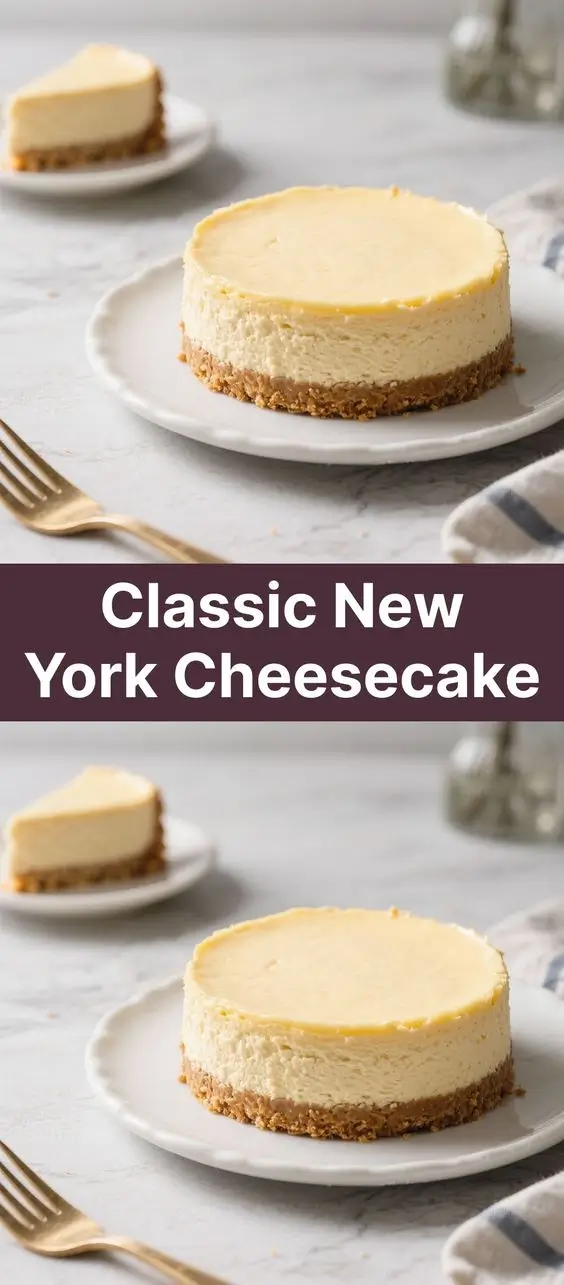
Classic New York Cheesecake: A Timeless Dessert Masterpiece
The History of the Classic New York Cheesecake
The origins of cheesecake trace back thousands of years to ancient Greece, where it was served to athletes during the first Olympic games in 776 BCE. However, the Classic New York Cheesecake as we know it today is a product of American culinary evolution, particularly in the bustling kitchens of early 20th-century New York City. Immigrants from Europe—especially Germany and Eastern Europe—brought their versions of cheese-based desserts, which were gradually adapted using local ingredients such as cream cheese.
Cream cheese itself was invented in the United States in 1872 by William Lawrence, a dairyman from Chester, New York. When combined with graham cracker crusts (a uniquely American invention) and perfected through slow baking techniques, the dense, smooth, and rich dessert now synonymous with New York was born. By the mid-20th century, iconic establishments like Lindy’s, Junior’s, and later Eileen’s Special Cheesecake, cemented the dessert’s status as a quintessential part of New York cuisine.
What sets the New York style apart from other cheesecakes is its indulgent richness, achieved by incorporating heavy cream, sour cream, or extra egg yolks, resulting in a velvety texture that’s firm yet creamy. Unlike lighter European versions, this cake is unapologetically decadent—a symbol of American excess and comfort in dessert form.
Ingredients Breakdown: What Makes It Irresistible
The magic of a Classic New York Cheesecake lies not just in technique but in the quality and balance of its ingredients. Each component plays a vital role in creating the perfect harmony of flavor, texture, and structure.
- Cream Cheese: The star of the show. Full-fat, brick-style cream cheese (such as Philadelphia) is essential. It must be at room temperature to ensure a smooth, lump-free batter. Low-fat versions will compromise both texture and taste.
- Granulated Sugar: Adds sweetness and helps tenderize the custard-like filling. It also contributes to browning and slight caramelization on the surface during baking.
- Eggs: Provide structure and richness. Whole eggs bind the mixture, while extra egg yolks (sometimes added) deepen the silkiness. Eggs should always be added one at a time and mixed gently to avoid incorporating too much air, which can lead to cracking.
- Sour Cream: A hallmark of authentic New York cheesecake, sour cream adds tanginess, moisture, and a luxuriously creamy mouthfeel. Some recipes use heavy cream or heavy whipping cream instead, but sour cream offers the ideal balance of richness and acidity.
- Vanilla Extract: High-quality pure vanilla extract enhances the overall flavor profile without overpowering the cheese. Avoid imitation vanilla for best results.
- Lemon Zest or Juice: While optional, a touch of lemon brightens the heavy richness and cuts through the fat, adding complexity.
- Graham Cracker Crust: Made from crushed graham crackers, sugar, and melted butter, this sweet, slightly crunchy base contrasts beautifully with the soft filling. Some variations use digestive biscuits or even chocolate graham crackers for a twist.
- Butter (for crust): Unsalted butter binds the crust together and provides richness. Melted and cooled before mixing.
Optional additions include a splash of bourbon, almond extract, or a swirl of fruit compote—but purists argue that a true New York cheesecake should stand on its own, showcasing the luxurious simplicity of its core ingredients.
Step-by-Step Recipe for Classic New York Cheesecake
Making a flawless Classic New York Cheesecake requires patience, precision, and attention to detail. Follow these steps carefully for a crack-free, creamy masterpiece.
Ingredients
For the Crust:
- 1 ½ cups (150g) graham cracker crumbs (about 10 full sheets)
- ¼ cup (50g) granulated sugar
- 6 tablespoons (85g) unsalted butter, melted
- Pinch of salt (optional)
For the Filling:
- 4 (8-ounce) packages (900g total) full-fat cream cheese, at room temperature
- 1 ½ cups (300g) granulated sugar
- 1 cup (240g) full-fat sour cream, at room temperature
- 2 teaspoons pure vanilla extract
- Zest of 1 lemon (optional)
- 1 tablespoon fresh lemon juice (optional)
- 4 large eggs, at room temperature
- 2 large egg yolks, at room temperature
Equipment Needed
- 9-inch springform pan
- Parchment paper
- Mixing bowls (various sizes)
- Electric hand mixer or stand mixer
- Spatula
- Roasting pan (for water bath)
- Oven
Directions
- Prepare the Crust: Preheat oven to 325°F (160°C). Line the bottom of a 9-inch springform pan with parchment paper and lightly grease the sides. In a medium bowl, combine graham cracker crumbs, sugar, and salt. Stir in melted butter until the mixture resembles wet sand. Press firmly and evenly into the bottom and slightly up the sides of the pan. Use a flat-bottomed glass to compact it. Bake for 10 minutes, then remove and let cool while preparing the filling.
- Beat the Cream Cheese: In a large bowl, beat the softened cream cheese on medium speed until smooth and fluffy (about 2–3 minutes). Scrape down the sides of the bowl frequently to ensure even mixing.
- Add Sugar and Flavorings: Gradually add sugar and continue beating until fully incorporated. Mix in sour cream, vanilla extract, lemon zest, and lemon juice. Beat until smooth and homogenous.
- Incorporate Eggs: Add eggs one at a time, mixing on low speed after each addition just until blended. Overmixing introduces air, which can cause cracks. Add the final egg yolk and mix until just combined. Do not rush this step—patience ensures a silky texture.
- Prepare Water Bath: Wrap the outside of the springform pan tightly with two layers of heavy-duty aluminum foil to prevent water from seeping in. Place the cooled crust in the pan. Pour the filling over the crust and smooth the top with a spatula.
- Bake Using a Water Bath: Place the springform pan inside a larger roasting pan. Carefully pour hot water into the roasting pan until it reaches halfway up the sides of the springform pan. This steam-rich environment prevents cracking and ensures even, gentle cooking. Carefully transfer to the preheated oven.
- Bake: Bake for 65–75 minutes. The cheesecake is done when the edges are set but the center still jiggles slightly like gelatin when gently shaken. The internal temperature should read about 150°F (65°C) when checked with a thermometer.
- Cool Gradually: Turn off the oven, crack the door open with a wooden spoon, and let the cheesecake cool inside for 1 hour. This gradual cooling minimizes temperature shock and prevents collapse or cracking.
- Chill: Remove from oven and water bath. Run a thin knife around the edge to loosen (this helps prevent cracking as it contracts). Cool completely at room temperature, then refrigerate uncovered for at least 6 hours—or preferably overnight—for optimal texture and flavor development.
- Serve: Carefully release the springform clamp. Lift off the sides. Slice with a sharp knife dipped in hot water and wiped clean between cuts for clean, professional slices.
Tips for the Perfect Classic New York Cheesecake
- Room Temperature Ingredients: This cannot be overstated. Cold cream cheese, eggs, or sour cream create lumps and uneven texture. Allow all dairy ingredients to sit out for at least 2 hours before beginning.
- Don’t Overmix: Once you add the eggs, mix only until just combined. Overbeating incorporates air, which expands during baking and collapses upon cooling—leading to cracks.
- Use a Water Bath: The steam from the water bath keeps the oven humid, preventing the surface from drying out and cracking. It also ensures gentle, even heat distribution.
- Avoid Sudden Temperature Changes: Never go from a hot oven directly to the fridge. Cooling slowly in the turned-off oven prevents thermal shock.
- Chill Thoroughly: Cheesecake needs time to set. Rushing this step results in a soft, unstable slice. Overnight chilling yields the best results.
- Prevent Leaks: Wrap the springform pan well with foil. For extra protection, place the wrapped pan on a cookie sheet before adding water.
- Sharp Knife Technique: Dip a long, thin-bladed knife in hot water, wipe dry, and slice smoothly. Clean and reheat the blade between each cut for pristine slices.
Variations and Customizations
While the traditional Classic New York Cheesecake is beloved in its purest form, countless variations allow for creative expression.
- Fruit Toppings: Fresh berries, cherry compote, blueberry sauce, or strawberry glaze add color and brightness. Serve warm or cold over individual slices.
- Swirled Cheesecakes: Before baking, drop spoonfuls of raspberry puree, salted caramel, or chocolate ganache onto the surface and swirl with a knife for a marbled effect.
- Chocolate Crust: Replace graham crackers with chocolate cookies or Oreo crumbs for a deeper, richer base.
- Lemon Cheesecake: Increase lemon zest and juice for a citrus-forward version—perfect for spring and summer.
- Crustless Cheesecake: For a lower-carb option, bake without a crust in a greased pan. The texture remains creamy, and it pairs well with fresh fruit.
- Mini Cheesecakes: Make individual servings using a muffin tin and paper liners. Adjust baking time to 25–30 minutes.
- Gluten-Free Version: Use gluten-free graham crackers or a blend of nuts and gluten-free oats for the crust.
- Boozy Infusions: Add 1–2 tablespoons of Grand Marnier, Kahlua, or Baileys for an adult twist.
Health Considerations and Nutritional Value
The Classic New York Cheesecake is undeniably rich and calorie-dense, so it’s best enjoyed in moderation. Here’s a general nutritional breakdown per average slice (1/12 of a 9-inch cake):
- Calories: ~450–550 kcal
- Total Fat: 30–38g (mostly saturated from cream cheese, butter, and eggs)
- Carbohydrates: 35–45g (primarily from sugar and graham crackers)
- Protein: 8–10g
- Sugar: 30–35g
- Sodium: 350–450mg
Dietary Notes:
- Not suitable for dairy-free, vegan, or lactose-intolerant diets unless significantly modified.
- High in saturated fat and sugar, so those managing cholesterol, diabetes, or heart health should consume sparingly.
- Gluten-free adaptation possible with appropriate crust substitutions.
- Low-carb/keto version? Challenging due to natural sugars in dairy and crust, but feasible with sugar substitutes (like erythritol), almond flour crust, and reduced-dairy alternatives (though texture will differ).
Despite its indulgence, cheesecake does provide calcium and protein from dairy. When balanced within a healthy diet, a small slice can be a satisfying treat without guilt.
Frequently Asked Questions (FAQ)
Q: Why did my cheesecake crack?
A: Cracking is usually caused by overmixing, rapid temperature changes, or overbaking. Always cool the cake slowly in the oven with the door ajar, and avoid overbeating after adding eggs.
Q: Can I make cheesecake without a water bath?
A: Technically yes, but you risk uneven baking and surface cracks. The water bath is crucial for consistent, creamy results in a New York-style cake.
Q: How long does cheesecake last in the fridge?
A: Properly covered, it stays fresh for up to 5 days. For longer storage, wrap tightly and freeze for up to 2–3 months.
Q: Can I freeze cheesecake?
A: Absolutely. Freeze unbaked or baked. For best texture, freeze after chilling and wrap in plastic + foil. Thaw overnight in the fridge before serving.
Q: Why use sour cream instead of heavy cream?
A: Sour cream adds a subtle tang that balances the sweetness and enriches the texture. Heavy cream makes it richer but less complex in flavor.
Q: Can I use low-fat cream cheese?
A: Not recommended. Low-fat versions contain more water and stabilizers, leading to a softer, grainier texture and potential splitting.
Q: Should I grease the springform pan?
A: Yes, especially the sides—even if it’s non-stick. This ensures easy release after baking and chilling.
Q: Can I double the recipe for a larger pan?
A: Not advised. Cheesecake is sensitive to proportions and baking time. Stick to the 9-inch size unless using a tested large-format recipe.
Summary
The Classic New York Cheesecake is a luxurious, creamy dessert defined by its rich cream cheese filling, buttery graham cracker crust, and smooth, dense texture—achieved through careful baking in a water bath and slow cooling.
A symbol of American dessert excellence, it balances sweetness and tang with unparalleled elegance, best enjoyed chilled and shared on special occasions.