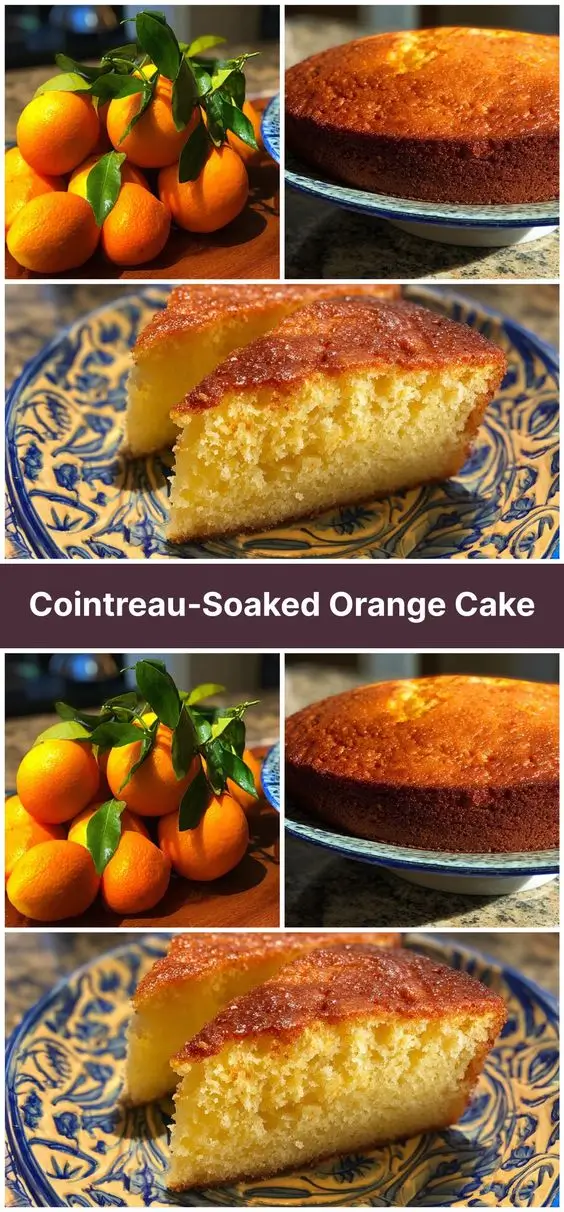
Cointreau-Soaked Orange Cake: A Citrusy, Boozy Delight for Every Occasion
The Cointreau-Soaked Orange Cake is a luxurious dessert that marries the bright zest of fresh oranges with the smooth, warm complexity of premium orange liqueur. This cake isn’t just sweet—it’s an experience. With its moist crumb, aromatic glaze, and a delicate balance of citrus and alcohol, it’s perfect for brunch gatherings, holiday feasts, or as a sophisticated after-dinner treat. Whether you’re a seasoned baker or venturing into more advanced desserts, this recipe offers both elegance and approachability.
The History of the Cointreau-Soaked Orange Cake
While the exact origins of the Cointreau-Soaked Orange Cake are difficult to pinpoint, its roots can be traced back to classic European traditions of boozy, syrup-soaked cakes. The concept of soaking cakes in alcohol-laced syrups dates centuries, particularly in Mediterranean and French baking. Think of babas au rhum, where yeast cakes are drenched in rum syrup, or Italian savoiardi used in tiramisu, which absorb coffee and liquor.
Cointreau, the famed French orange liqueur created in 1875 by brothers Adolphe and Edouard Cointreau in Angers, France, quickly became a favorite in both cocktails and culinary applications. Its clear color, crisp sweetness, and dual notes of bitter and sweet orange peel made it ideal for flavoring desserts. Over time, bakers began experimenting with infusing citrus cakes—particularly those already rich in orange zest—with Cointreau, leading to the modern interpretation of the Cointreau-Soaked Orange Cake.
This cake reflects a fusion of French patisserie finesse and contemporary dessert trends. It gained popularity in upscale restaurants during the late 20th century and has since become a beloved staple in gourmet home kitchens. Today, it symbolizes indulgence, craftsmanship, and the art of balancing bold flavors with subtlety.
Ingredients Breakdown: What Makes This Cake Special?
The magic of the Cointreau-Soaked Orange Cake lies not only in technique but also in the quality and synergy of its ingredients. Each component plays a vital role in creating a harmonious blend of moisture, aroma, texture, and depth.
- All-Purpose Flour: Provides structure while keeping the crumb tender. For a lighter texture, some bakers substitute part of the flour with cake flour.
- Granulated Sugar: Sweetens the batter and helps create a golden crust during baking. It also aids in caramelization when combined with butter.
- Baking Powder & Baking Soda: Leavening agents that ensure the cake rises evenly and remains fluffy. Baking soda also reacts with acidic components (like yogurt and orange juice) to enhance lift.
- Salt: Enhances all other flavors, preventing the cake from tasting flat or overly sweet.
- Unsalted Butter (softened): Adds richness and contributes to a velvety crumb. Using high-fat European-style butter can elevate the mouthfeel even further.
- Eggs (room temperature): Bind the ingredients and add structure. Room-temperature eggs incorporate more smoothly into the batter, reducing overmixing risks.
- Plain Yogurt or Sour Cream: Introduces acidity, which activates leavening and keeps the cake moist. It also adds a slight tang that balances the sweetness.
- Fresh Orange Juice: Provides natural citrus flavor and liquid content. Always use freshly squeezed juice for the best taste—bottled versions lack vibrancy.
- Orange Zest: Packed with essential oils, zest delivers intense citrus aroma without excess moisture. Use organic oranges to avoid pesticides on the peel.
- Vanilla Extract: Complements the orange flavor with warmth and depth. Pure extract is preferred over imitation.
- Cointreau Liqueur: The star ingredient. Its complex orange profile infuses both the cake and the soak syrup, lending a refined, slightly bitter-sweet note distinct from triple sec.
- Simple Syrup Base (for soaking): Made from sugar and water, it allows the Cointreau to penetrate deeply into the cooled cake, ensuring every bite is infused.
- Confectioners’ Sugar (optional, for glaze): Used in the final glaze for visual appeal and a touch of extra sweetness.
- Fresh Orange Slices or Candied Peel (for garnish): Elevates presentation and adds bursts of fresh citrus with each slice.
Step-by-Step Recipe: How to Make Cointreau-Soaked Orange Cake
Ingredients
For the Cake:
- 1 ¾ cups (220g) all-purpose flour
- 1 ½ tsp baking powder
- ½ tsp baking soda
- ¼ tsp salt
- ¾ cup (170g) unsalted butter, softened
- 1 cup (200g) granulated sugar
- 3 large eggs, room temperature
- ½ cup (120g) plain full-fat yogurt or sour cream
- ½ cup (120ml) fresh orange juice (from about 2 large oranges)
- Zest of 2 large oranges
- 1 tbsp pure vanilla extract
- ¼ cup (60ml) Cointreau liqueur
For the Cointreau Soaking Syrup:
- ½ cup (100g) granulated sugar
- ½ cup (120ml) water
- ¼ cup (60ml) Cointreau liqueur
- Zest of 1 orange (optional, for added aroma)
For the Glaze (Optional):
- 1 cup (120g) confectioners’ sugar
- 2–3 tbsp fresh orange juice
- 1–2 tsp Cointreau (optional, for extra kick)
Garnish:
- Thin orange slices, lightly candied or roasted
- Candied orange peel
- Fresh mint leaves
- Edible flowers (optional)
Directions
- Preheat & Prepare: Preheat your oven to 350°F (175°C). Grease and flour a 9-inch bundt pan or springform pan. For best results, use non-stick baking spray with flour.
- Mix Dry Ingredients: In a medium bowl, whisk together the flour, baking powder, baking soda, and salt. Set aside.
- Cream Butter and Sugar: In a large mixing bowl, beat the softened butter and granulated sugar together on medium-high speed until light and fluffy—about 3 to 5 minutes. Scrape down the sides as needed.
- Add Eggs One at a Time: Add the eggs, one at a time, beating well after each addition. Ensure each egg is fully incorporated before adding the next. The mixture should look creamy and emulsified.
- Incorporate Wet Ingredients: Reduce speed to low. Add the yogurt, orange juice, orange zest, vanilla extract, and ¼ cup Cointreau. Mix until just combined.
- Gradually Add Dry Mix: Slowly add the dry ingredients to the wet mixture, mixing on low until no streaks of flour remain. Do not overmix—this can lead to a dense cake.
- Pour Batter into Pan: Transfer the batter into the prepared pan, smoothing the top with a spatula for even baking.
- Bake: Place in the center of the preheated oven and bake for 45 to 55 minutes, or until a wooden skewer inserted into the center comes out clean or with a few moist crumbs.
- Cool Slightly: Let the cake cool in the pan for 15 minutes. Then, carefully invert it onto a wire rack placed over a tray (to catch drips).
- Prepare the Soaking Syrup: While the cake cools, make the syrup. In a small saucepan, combine sugar, water, and orange zest (if using). Bring to a gentle boil over medium heat, stirring until sugar dissolves. Boil for 2 minutes, then remove from heat. Stir in ¼ cup Cointreau. Let cool slightly but keep warm.
- Soak the Cake: Once the cake is out of the pan, place it on a rack over a tray. Using a pastry brush or ladle, slowly drizzle the warm syrup over the entire surface of the cake. Allow it to absorb fully. Repeat until most of the syrup is absorbed—this may take several rounds. Be patient; absorption happens gradually.
- Cool Completely: Let the soaked cake cool completely before glazing or serving. This ensures the syrup sets properly and doesn’t run off.
- Make the Glaze (Optional): Whisk confectioners’ sugar with orange juice and a splash of Cointreau until smooth. Adjust consistency—you want it thick but pourable.
- Glaze the Cake: Drizzle the glaze over the cooled cake. Let it set for 15–20 minutes before slicing.
- Garnish and Serve: Arrange candied orange slices, fresh mint, or edible flowers around or atop the cake for a stunning finish.
Tips for the Perfect Cointreau-Soaked Orange Cake
- Use Room-Temperature Ingredients: Cold eggs or butter can cause the batter to curdle or bake unevenly. Take them out an hour before baking.
- Don’t Overmix: Once flour is added, mix only until combined. Overmixing develops gluten, resulting in a tough cake.
- Choose Quality Oranges: Valencia or Navel oranges work best—they’re juicy and moderately sweet. Avoid overly tart varieties unless balanced with extra sugar.
- Control the Alcohol Level: If serving children or those avoiding alcohol, reduce Cointreau in the syrup and replace with orange juice. You’ll lose some complexity but retain moisture.
- Poke Holes for Better Absorption: After removing the cake from the pan but before soaking, use a skewer to poke small holes across the top and sides. This helps the syrup penetrate deeper.
- Let It Rest Overnight: For maximum flavor infusion, wrap the soaked cake (unglazed) and let it sit overnight in the fridge. The flavors meld beautifully.
- Serve at Room Temperature: Cold cake dulls flavors. Let refrigerated cake sit out for 30–60 minutes before serving.
- Store Properly: Keep covered at room temperature for up to 2 days, or refrigerate for up to 5 days. Bring to room temperature before serving.
Variations and Customizations
The beauty of this cake lies in its versatility. Here are some creative twists to personalize your Cointreau-Soaked Orange Cake:
- Lemon-Cointreau Twist: Replace half the orange juice and zest with lemon for a citrus medley. The sharpness of lemon pairs wonderfully with Cointreau’s sweetness.
- Blood Orange Version: Use blood orange juice and zest for a deeper, berry-like flavor and striking deep red hue in the glaze.
- Gluten-Free Option: Substitute the all-purpose flour with a high-quality 1:1 gluten-free flour blend. Add ½ tsp xanthan gum if not included.
- Dairy-Free Adaptation: Replace yogurt with coconut yogurt and butter with vegan butter or refined coconut oil (for neutral taste).
- Almond-Infused Cake: Add ½ tsp almond extract to the batter or sprinkle sliced almonds on top before baking for a nutty contrast.
- Chocolate Drizzle: After glazing, add a zig-zag of melted dark chocolate for a decadent touch.
- Spiced Variation: Add a pinch of ground cinnamon, cardamom, or star anise to the batter for a warm, autumnal twist.
- Cake Trifle Style: Cube the soaked cake and layer with whipped cream, fresh berries, and more Cointreau syrup for an elegant trifle.
- Mini Versions: Bake in muffin tins or mini bundt pans. Reduce baking time to 20–25 minutes. Ideal for parties!
- Non-Alcoholic Syrup: Simmer orange juice with sugar and zest instead of water-based syrup. Add orange blossom water for floral depth.
Health Considerations and Nutritional Value
While undeniably indulgent, understanding the nutritional aspects of the Cointreau-Soaked Orange Cake can help you enjoy it mindfully.
Nutritional Breakdown (Per Slice, based on 12 servings):
| Nutrient | Amount |
|---|---|
| Calories | ~320 kcal |
| Total Fat | 14g |
| Saturated Fat | 8g |
| Cholesterol | 70mg |
| Sodium | 120mg |
| Total Carbohydrates | 45g |
| Dietary Fiber | 1g |
| Sugars | 32g |
| Protein | 4g |
| Alcohol (from Cointreau) | ~1.5g per slice (varies) |
Considerations:
- Sugar Content: This cake is high in added sugars from both the batter and soaking syrup. Diabetics or those monitoring glucose should consume sparingly or explore sugar substitutes like erythritol (though texture may change).
- Alcohol: Although much of the alcohol evaporates during syrup heating, residual amounts remain—especially in the soak. Not suitable for children, pregnant individuals, or those abstaining from alcohol.
- Gluten and Dairy: Contains both wheat and dairy. Use substitutions for allergies or intolerances.
- Portion Control: Serve smaller slices with tea or coffee to savor the flavor without overindulging.
- Healthy Swaps: To lighten the recipe, use Greek yogurt instead of sour cream, reduce sugar by 20%, and increase zest for flavor without calories.
- Vitamins: Oranges contribute vitamin C, though baking reduces potency. Still, the zest provides antioxidants and phytonutrients.
Frequently Asked Questions (FAQ)
Can I make this cake ahead of time?
Yes! In fact, making it a day ahead enhances flavor. Bake, soak, and store covered at room temperature or refrigerate. Glaze just before serving.
Can I freeze Cointreau-Soaked Orange Cake?
Yes, but freeze before glazing. Wrap tightly in plastic and foil. Thaw in the fridge overnight, bring to room temperature, then glaze and serve.
What can I use instead of Cointreau?
You can substitute with Grand Marnier, Triple Sec, or orange extract (use 1–2 tsp in syrup, not full replacement). However, Cointreau offers the cleanest, most balanced flavor.
Why is my cake dense?
Overmixing, expired leavening agents, or cold ingredients can cause density. Always check baking powder freshness and mix gently after adding flour.
Can I bake this in a different pan?
Absolutely. Use two 8-inch round pans for layering, a sheet pan for a sheet cake, or loaf pans. Adjust baking time accordingly.
How do I prevent the cake from sticking?
Grease thoroughly and flour the pan, or use baking spray with flour. Cool 15 minutes before unmolding.
Is the alcohol strong in the final cake?
No—the cooking process reduces the alcohol intensity. The result is a subtle warmth rather than a strong booziness, similar to rum cake.
Can I add fruit to the batter?
Yes, fold in ½ cup of chopped crystallized ginger or dried apricots for texture and flavor contrast.
Can I make cupcakes?
Yes! Fill lined muffin tins ⅔ full. Bake at 350°F for 18–22 minutes. Poke and soak after cooling.
Does the cake need refrigeration?
If soaked and glazed, refrigerate after 2 days. Otherwise, store at room temperature in a cool, dry place.
Summary
The Cointreau-Soaked Orange Cake is a showstopping dessert that blends vibrant citrus, luxurious liqueur, and a melt-in-your-mouth texture. Perfect for celebrations or quiet moments of indulgence.
Brimming with fresh orange flavor and subtly spiked with Cointreau, this cake soaks up attention as much as syrup—making it a timeless favorite among dessert lovers worldwide.