Introduction
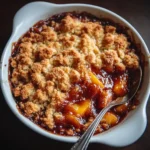
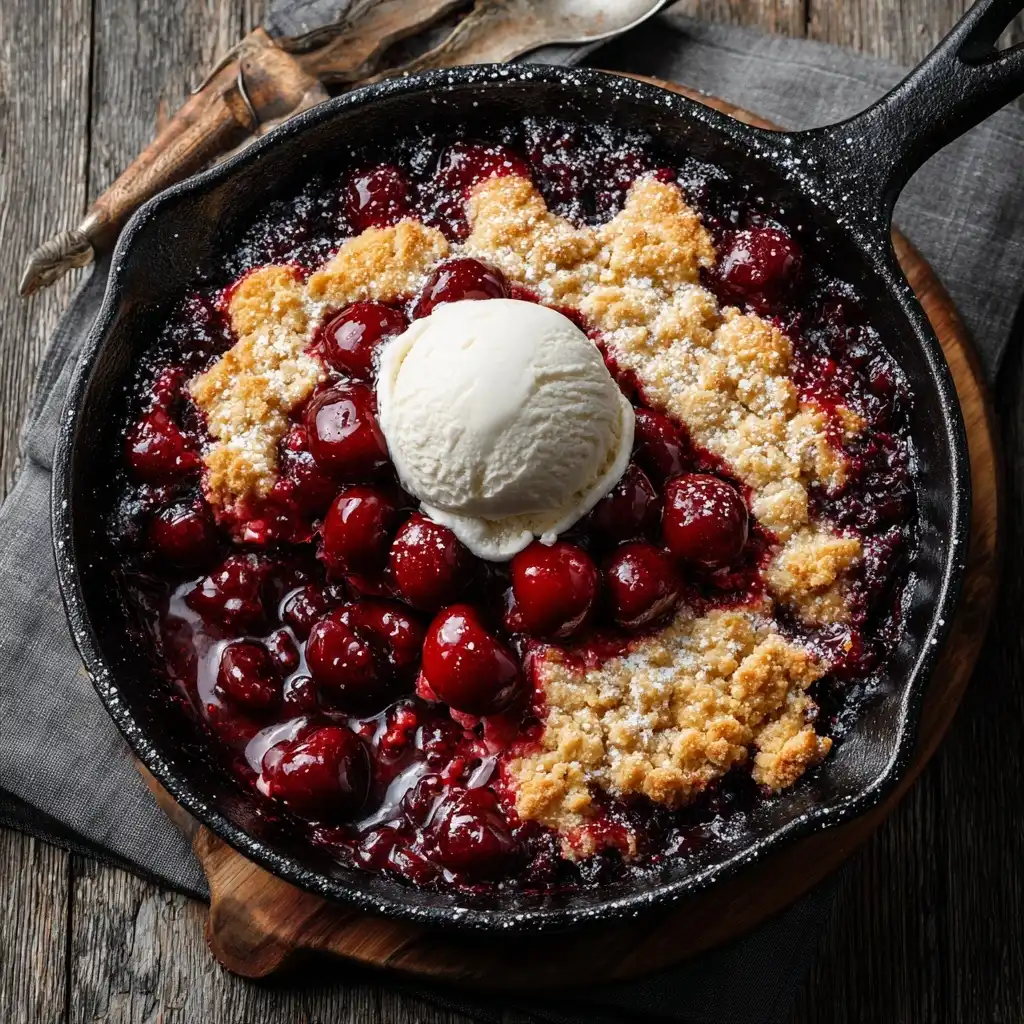
Fresh Cherry Cobbler is a timeless American dessert that captures the essence of summer in every warm, bubbling bite. Unlike pies or crisps, cobbler features a rustic, biscuit-like or cakey topping that bakes directly over juicy, tart-sweet cherries—creating a tender, golden crown cradling a vibrant, syrupy fruit filling. This dessert celebrates seasonal abundance, simplicity, and soul-soothing comfort, making it a beloved centerpiece at family gatherings, potlucks, backyard barbecues, and holiday tables alike. Its charm lies not in perfection but in its homey imperfection: slightly uneven crusts, jewel-toned cherry juices bubbling through golden cracks, and the irresistible aroma of vanilla, almond extract, and butter caramelizing in the oven. Whether served à la mode with creamy vanilla ice cream, drizzled with fresh whipped cream, or enjoyed plain with a spoon still warm from the dish, Fresh Cherry Cobbler delivers pure, unadulterated joy—one spoonful at a time.
The History
The origins of cobbler stretch back centuries, evolving across continents and cultures before becoming an iconic American staple. While early versions of fruit-topped desserts appeared in medieval England—often as “clafoutis”-like custards or “slump”-style puddings baked in pots—the term “cobbler” likely emerged in 19th-century America, derived from the verb “to cobble,” meaning to assemble or patch together haphazardly—a nod to its intentionally rustic, chunky, and improvised nature. Pioneers and homesteaders embraced cobbler for its practicality: no pie plates required, minimal equipment needed (a cast-iron skillet or baking dish sufficed), and ingredients were pantry-friendly—flour, sugar, butter, baking powder, and whatever fruit was ripe and plentiful. Cherries, native to North America and cultivated widely by Indigenous peoples long before European contact, held special significance; wild black cherries were used medicinally and culinarily, while later European settlers introduced sour (tart) and sweet varieties like Montmorency and Bing. By the Great Depression era, cobbler became a symbol of resourcefulness—stretching limited sugar with naturally sweetened fruit, using lard or shortening when butter was scarce, and repurposing leftover biscuit dough. During WWII, government recipe pamphlets promoted cherry cobbler as a patriotic, vitamin-C-rich dessert using home-canned fruit. Today, Fresh Cherry Cobbler stands as both a culinary heirloom and a canvas for modern creativity—honoring tradition while inviting innovation in flavor, texture, and inclusivity (think gluten-free, vegan, or low-sugar adaptations).
Ingredients Breakdown
Every exceptional Fresh Cherry Cobbler begins with thoughtful, high-quality ingredients—each playing a precise role in balancing sweetness, acidity, texture, and aroma:
- Fresh Cherries (4–5 cups, pitted): The star. Tart varieties like Montmorency or Morello provide bright acidity that cuts through richness and prevents cloying sweetness; sweet cherries like Bing or Rainier offer lush, jammy depth but benefit from added lemon juice or a touch of vinegar for balance. A 60/40 blend of tart and sweet yields extraordinary complexity. Always pit thoroughly—cherry pits contain amygdalin, which can impart bitter notes and pose safety risks.
- Granulated Sugar (¾–1¼ cups): Adjust based on cherry tartness and personal preference. Tart cherries typically need 1–1¼ cups; sweet cherries may need only ¾ cup. Sugar not only sweetens but also draws out juices, creates syrupy viscosity, and aids in caramelization of the topping.
- Lemon Juice (1–2 tbsp) & Zest (1 tsp): Critical for brightness and balance. Lemon juice enhances cherry flavor, prevents browning, and activates pectin for ideal thickening. Zest adds aromatic citrus oil that lifts the entire dessert.
- Cornstarch or Tapioca Starch (3–4 tbsp): The essential thickener. Cornstarch yields a glossy, clear syrup; tapioca starch provides a more resilient, slightly chewy gel that holds up beautifully during baking and reheating. Arrowroot works too but is less heat-stable. Never skip—under-thickened fillings result in soggy topping and runny servings.
- Unsalted Butter (½ cup, cold & cubed, plus 2 tbsp for brushing): Provides flakiness and richness in the biscuit topping. Cold butter creates steam pockets as it melts, yielding tender, layered texture. The extra 2 tbsp, melted and brushed post-bake, adds shine, flavor, and a subtle sheen.
- All-Purpose Flour (1¾ cups): The structural backbone of the topping. For tenderness, some recipes use a blend with cake flour or pastry flour (e.g., 1½ cups AP + ¼ cup cake flour). Gluten-free all-purpose blends (with xanthan gum) work well when substituted 1:1.
- Baking Powder (2 tsp) & Baking Soda (¼ tsp): Double-acting leaveners ensure lift and airiness. Baking soda neutralizes acidity from lemon and cherries, enhancing browning and tenderness.
- Salt (¾ tsp): Not just for seasoning—it heightens all other flavors and controls gluten development for a more delicate crumb.
- Heavy Cream or Whole Milk (¾ cup): Adds moisture, fat, and tenderness. Heavy cream yields a richer, more luxurious topping; whole milk offers lighter texture. Buttermilk adds tang and tenderness but requires reducing baking soda slightly.
- Pure Vanilla Extract (1 tsp) & Almond Extract (¼ tsp): Classic duo. Vanilla grounds the dessert; almond extract—used sparingly—echoes the natural benzaldehyde in cherry pits (even though pits are removed), deepening the fruit’s intrinsic nutty-sweet character.
- Coarse Sugar (2 tbsp, for sprinkling): Adds textural contrast, sparkle, and caramelized crunch to the finished topping.
Optional enhancements include a pinch of cinnamon or cardamom (¼ tsp) for warmth, a splash of kirsch or brandy (1 tbsp) for sophistication, or a handful of sliced almonds or chopped pecans folded into the topping for nutty crunch.
Step-by-Step Recipe
- Prep the Cherries: Rinse 4–5 cups fresh cherries under cool water. Using a cherry pitter (or a sturdy paperclip, chopstick, or paring knife), remove pits carefully—wear an apron, as juices stain. Place pitted cherries in a large bowl.
- Make the Filling: To the cherries, add 1 cup granulated sugar (adjust as needed), 1½ tbsp fresh lemon juice, 1 tsp lemon zest, 3½ tbsp cornstarch (or tapioca starch), and a pinch of salt. Gently fold with a silicone spatula until evenly coated. Let macerate 20–30 minutes at room temperature—this draws out juices and begins syrup formation.
- Preheat & Prep Pan: Position oven rack in the lower third. Preheat oven to 375°F (190°C). Lightly butter a 9×13-inch baking dish or deep 3-quart Dutch oven. For even baking, avoid shallow pans—they encourage rapid evaporation and dry topping.
- Prepare the Topping Batter: In a food processor or large bowl, pulse or whisk together 1¾ cups flour, 2 tsp baking powder, ¼ tsp baking soda, and ¾ tsp salt. Add ½ cup very cold, unsalted butter (cut into ½-inch cubes). Pulse (or cut in with a pastry cutter) until mixture resembles coarse crumbs with some pea-sized butter pieces remaining—do not overwork. In a separate measuring cup, whisk ¾ cup heavy cream (or whole milk), 1 tsp vanilla, and ¼ tsp almond extract. Pour wet ingredients into dry; stir *just* until a shaggy, slightly lumpy batter forms—about 12–15 strokes. Overmixing develops gluten and yields toughness.
- Assemble: Pour macerated cherry mixture—including all accumulated juices—into the prepared baking dish. Spread evenly. Drop heaping ¼-cup portions of batter over cherries in 8–10 mounds, leaving small gaps between for steam escape and visual appeal. Do not spread or flatten—let the batter mound naturally for rustic charm.
- Bake: Place dish on a parchment-lined or foil-lined baking sheet (to catch potential bubbles/overflow). Bake 45–55 minutes, rotating halfway, until topping is deeply golden brown, edges are crisp, and filling is vigorously bubbling *between* the mounds—not just at the sides. Internal temperature of filling should reach 205–210°F (96–99°C) for optimal thickening. If topping browns too quickly, loosely tent with foil after 30 minutes.
- Rest & Finish: Remove from oven and let rest *undisturbed* for at least 30 minutes—critical for filling to set and prevent soupy servings. While warm (but not hot), brush exposed topping surfaces with 2 tbsp melted unsalted butter. Sprinkle generously with 2 tbsp coarse turbinado or sanding sugar. Optional: add a light dusting of ground cinnamon.
- Serve: Scoop with a large, heat-resistant spoon—aiming for equal parts golden topping and glossy cherry filling. Best served warm (not piping hot) within 2–3 hours of baking. Leftovers keep refrigerated for up to 5 days and reheat beautifully in a 325°F oven for 15–20 minutes.
Tips
- Pitting Efficiency: Freeze cherries for 15 minutes before pitting—they firm up and yield cleaner removal. Save pits for infusing simple syrup or cherry vinegar (roast first to neutralize cyanogenic compounds).
- Sugar Calibration: Taste a raw pitted cherry before adding sugar. If extremely tart, start with 1¼ cups; if very sweet, begin with ¾ cup and add more after maceration if juices taste flat.
- Thickener Wisdom: For freezer-friendly cobbler, use tapioca starch—it withstands freeze-thaw cycles better than cornstarch. For ultra-glossy filling, add 1 tsp apple juice concentrate to the filling mixture.
- Cold Butter is Non-Negotiable: Chill butter for 10 minutes after dicing. Warm butter melts too fast, creating greasy, dense topping instead of flaky layers.
- Mixing Discipline: Use a fork or silicone spatula—not electric mixers—for the topping batter. Stir only until *no dry flour remains*. Lumps are desirable; smooth batter = tough topping.
- Steam Management: Those gaps between batter mounds? They’re intentional. They allow steam from the bubbling fruit to escape, preventing sogginess and encouraging even browning. Don’t “fill in the blanks.”
- Oven Thermometer Essential: Ovens vary wildly. An inexpensive oven thermometer ensures accurate 375°F baking—too cool = gummy topping; too hot = burnt crust with raw center.
- Resting Patience: Cutting in too soon breaks the delicate gel structure. Thirty minutes allows starches to fully set and syrup to cling to fruit. Set a timer—you’ll be rewarded with clean, cohesive servings.
- Butter Brush Timing: Brush melted butter *after* resting but while still warm—butter will absorb slightly, enriching flavor and adding subtle sheen without pooling.
- Reheating Right: Never microwave leftovers—it makes topping rubbery and separates filling. Always reheat covered with foil in a preheated oven at 325°F for 15–20 minutes, then uncover for final 5 minutes to crisp.
- Acidity Boost: If your cherries lack brightness post-maceration, stir in ½ tsp white wine vinegar or apple cider vinegar—undetectable alone, but transformative for balance.
- Texture Contrast: For extra crunch, fold ⅓ cup toasted sliced almonds or chopped toasted hazelnuts into the topping batter just before dropping.
Variations and Customizations
Fresh Cherry Cobbler is gloriously adaptable—here are inspired, tested variations that honor tradition while embracing dietary needs and global flavors:
- Vegan Cherry Cobbler: Replace butter with cold coconut oil or vegan butter (e.g., Miyoko’s); use full-fat canned coconut milk (well-stirred) instead of cream; swap honey or maple syrup for sugar (reduce by 20% due to added liquid); thicken with arrowroot; ensure baking powder is aluminum-free and vegan-certified.
- Gluten-Free Cobbler: Substitute 1:1 gluten-free all-purpose flour blend (with xanthan gum, e.g., King Arthur or Bob’s Red Mill). Add ½ tsp xanthan gum if blend doesn’t include it. Increase baking powder to 2¼ tsp for lift. Let batter rest 5 minutes before dropping to hydrate flours.
- Oat-Infused Topping: Replace ¼ cup flour with certified gluten-free old-fashioned rolled oats (pulse briefly in blender for finer texture). Adds heartiness, fiber, and nutty depth—especially lovely with black cherries.
- Spiced Moroccan Cherry Cobbler: Add ½ tsp ground cinnamon, ¼ tsp ground ginger, and a pinch of saffron threads (soaked in 1 tsp warm water) to the filling. Garnish with orange blossom water-scented whipped cream and crushed pistachios.
- Black Forest-Inspired: Fold ¼ cup high-quality cocoa powder into the dry topping ingredients. Add 2 tbsp Kirsch to the cherry filling. Top with dark chocolate shavings and brandied cherries.
- Herb-Forward Summer Cobbler: Stir 1 tbsp finely chopped fresh basil or mint into the macerated cherries. Pair with a lavender-infused cream (steep 1 tsp culinary lavender in warm cream for 10 minutes, strain).
- Mini Mason Jar Cobblers: Divide filling and topping among 6–8 (12-oz) wide-mouth mason jars. Bake at 375°F for 35–40 minutes. Perfect for portion control, gifts, or elegant individual servings.
- Cherry-Almond Frangipane Cobbler: Spread ½ cup almond frangipane (blended almond paste, butter, sugar, egg) beneath the cherry filling. Creates a rich, marzipan-like layer that bakes into decadent contrast.
- Low-Sugar/Keto-Friendly: Use ⅓ cup erythritol or allulose + 2 tbsp monk fruit blend. Replace cornstarch with 1½ tbsp glucomannan powder (konjac root)—it’s 10x more powerful. Add 1 tsp lemon juice + ½ tsp apple cider vinegar for brightness without sugar.
- Cherry-Rhubarb Fusion: Replace 1 cup cherries with 1 cup diced, peeled rhubarb. Increase sugar to 1¼ cups and add ½ tsp ground ginger. Rhubarb’s tartness and fibrous texture complement cherries beautifully.
- Smoked Cherry Cobbler: Toss cherries with ½ tsp smoked sea salt and 1 tsp applewood smoke powder (or cold-smoke cherries for 15 minutes pre-pitting). Serve with bourbon-maple cream.
Health Considerations and Nutritional Value
Fresh Cherry Cobbler, when made mindfully, offers surprising nutritional merit beyond indulgence. Cherries—especially tart varieties—are powerhouse fruits: rich in anthocyanins (potent anti-inflammatory and antioxidant flavonoids), melatonin (supporting sleep regulation), potassium (for blood pressure balance), and vitamin C (immune support and collagen synthesis). One cup of raw tart cherries provides ~18% DV vitamin C, 10% DV potassium, and significant quercetin and cyanidin. The fiber content (3g per cup) supports digestive health and satiety. However, traditional preparation introduces considerations:
- Sugar Content: A standard serving (⅙ of a 9×13 dish) contains ~32–45g total sugar—mostly added. Strategies: reduce sugar by 25% without sacrificing quality (cherries’ natural sweetness shines when balanced with acid), use date paste or mashed banana for partial substitution, or embrace low-glycemic sweeteners for metabolic health.
- Refined Carbohydrates: All-purpose flour contributes ~30g net carbs per serving. Opt for whole wheat pastry flour (adds B vitamins and fiber) or oat flour (beta-glucan for cholesterol support). Gluten-free versions using almond or coconut flour significantly lower carb count and increase healthy fats.
- Fat Profile: Butter contributes saturated fat (~6g/serving), but also beneficial butyrate (gut health) and fat-soluble vitamins A, D, E, K. Substituting half the butter with avocado oil or walnut oil adds monounsaturated fats and omega-3s.
- Portion Mindfulness: Serving size matters. A ¾-cup portion delivers ~380–450 calories—ideal alongside protein (Greek yogurt) or fiber (chia pudding) to slow glucose response.
- Allergen Awareness: Contains gluten, dairy, and tree nuts (if almond extract or nut toppings used). Always label clearly for guests with sensitivities.
- Anti-Inflammatory Synergy: Cherries + cinnamon + lemon + almond extract create a polyphenol-rich matrix shown in studies to reduce postprandial inflammation—making this dessert surprisingly functional when enjoyed regularly in moderation.
Note: Nutritional values are estimates. A typical serving (1/6 of recipe) contains approx. 420 kcal, 58g carbs (36g sugars), 5g protein, 18g fat (11g saturated), 3g fiber, and 220mg sodium. Values shift significantly with substitutions—vegan versions may lower saturated fat; gluten-free may increase fiber; low-sugar versions cut calories by 25–30%.
Ingredients
- 4–5 cups fresh cherries, pitted (about 1.5–2 lbs unpitted)
- 1 cup granulated sugar (adjust ±¼ cup based on cherry tartness)
- 1½ tablespoons fresh lemon juice
- 1 teaspoon lemon zest
- 3½ tablespoons cornstarch or tapioca starch
- ¼ teaspoon fine sea salt
- 1¾ cups all-purpose flour (or GF 1:1 blend)
- 2 teaspoons baking powder
- ¼ teaspoon baking soda
- ½ cup (1 stick) unsalted butter, very cold and cubed
- ¾ cup heavy cream or whole milk
- 1 teaspoon pure vanilla extract
- ¼ teaspoon pure almond extract
- 2 tablespoons unsalted butter, melted (for brushing)
- 2 tablespoons coarse turbinado or sanding sugar (for sprinkling)
Directions
- Rinse and thoroughly pit cherries. Place in a large bowl.
- Add 1 cup sugar, lemon juice, lemon zest, cornstarch, and pinch of salt to cherries. Gently fold until evenly coated. Let sit at room temperature for 20–30 minutes to macerate.
- Preheat oven to 375°F (190°C). Lightly butter a 9×13-inch baking dish or 3-quart Dutch oven.
- In a food processor or large bowl, combine flour, baking powder, baking soda, and ¾ tsp salt. Add cold cubed butter. Pulse (or cut in) until mixture resembles coarse crumbs with visible pea-sized butter pieces.
- In a liquid measuring cup, whisk cream, vanilla, and almond extract. Pour over dry ingredients. Stir with a fork or spatula *just* until a shaggy, lumpy batter forms—do not overmix.
- Pour cherry mixture—including all juices—into prepared dish. Spread evenly. Drop batter by ¼-cup mounds over cherries, leaving small gaps between.
- Place dish on a parchment- or foil-lined baking sheet. Bake 45–55 minutes, rotating halfway, until topping is deep golden and filling is bubbling vigorously between mounds.
- Remove from oven. Let rest undisturbed for 30 minutes. Brush warm topping with melted butter; sprinkle with coarse sugar.
- Serve warm with vanilla ice cream, whipped cream, or crème fraîche. Store leftovers covered in refrigerator for up to 5 days.
FAQ
- Can I use frozen cherries?
- Yes—but thaw completely and drain *excess* liquid (reserve 2 tbsp for flavor). Increase cornstarch to 4 tbsp, as frozen fruit releases more water. Do not refreeze after baking.
- Why is my cobbler runny?
- Most often due to insufficient thickener, under-baking (filling didn’t reach 205°F), or cutting in too soon. Ensure vigorous bubbling across the surface—not just edges—and always rest 30+ minutes.
- Can I make the batter ahead?
- Yes! Prepare batter up to 24 hours ahead; cover and refrigerate. Stir gently before dropping—cold batter helps prevent spreading. Macerated cherries keep refrigerated for 12 hours.
- What’s the best way to pit cherries without a tool?
- Use a sturdy paperclip: unfold, bend into a hook, insert into stem end, and wiggle to pop out pit. Or use a chopstick pressed firmly into the stem end while holding cherry over a bowl.
- Can I double the recipe?
- Absolutely—use two 9×13 dishes or one 12×17-inch roasting pan. Increase baking time by 5–10 minutes; check with thermometer. Rotate pans halfway for even baking.
- Is there a way to reduce acidity without losing brightness?
- Yes—add ¼ tsp grated fresh ginger or a pinch of cardamom to the filling. Both add aromatic zing without sourness. A tiny pinch of baking soda (⅛ tsp) also neutralizes excess acid safely.
- Can I bake this in a cast-iron skillet?
- Yes—and highly recommended! A 10- or 12-inch seasoned skillet yields exceptional crust-to-filling ratio and beautiful browning. Preheat skillet in oven for 5 minutes before adding filling and topping.
- How do I prevent the topping from sinking?
- Ensure cherries aren’t overly juicy before assembling (drain excess if needed), use cold butter, and avoid stirring batter excessively. Dropping mounds—not spreading—creates structural integrity.
- Can I add other fruits?
- Delightfully! Try 1 cup raspberries or blueberries with cherries for complexity. Avoid watery fruits like watermelon or citrus segments unless thoroughly drained and reduced.
- What’s the shelf life?
- Room temperature: 2 hours max. Refrigerator: 5 days, covered tightly. Freezer: Up to 3 months—cool completely, wrap double in plastic + foil, thaw overnight in fridge, reheat covered at 325°F.
Summary
Fresh Cherry Cobbler is a radiant, seasonally rooted dessert where vibrant, jewel-toned cherries—bursting with antioxidants and bright acidity—are enveloped in a tender, golden biscuit topping, creating a harmonious balance of rustic charm and refined comfort. With mindful ingredient choices, flexible customizations, and time-honored technique, it transforms simple summer abundance into a nourishing, joyful, and endlessly adaptable celebration of home, heritage, and heartfelt hospitality.