Introduction
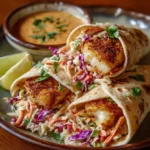
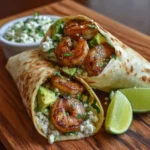
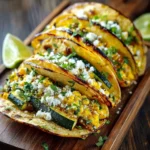
Garlic Lime Grilled Fish Tacos are a vibrant, zesty, and deeply satisfying fusion of coastal Mexican tradition and modern, health-conscious grilling. These tacos celebrate the delicate sweetness of fresh white fish—such as mahi-mahi, cod, snapper, or tilapia—elevated by a bold, aromatic marinade featuring freshly minced garlic, bright lime zest and juice, smoky chipotle, fragrant cilantro stems, and a touch of honey for balance. Grilled to flaky perfection over medium-high heat, the fish is nestled into warm, pliable corn tortillas and crowned with cooling, crunchy, and tangy toppings that create an irresistible symphony of textures and flavors. Whether served at a backyard fiesta, a weeknight dinner, or a healthy lunch option, Garlic Lime Grilled Fish Tacos embody freshness, simplicity, and bold culinary joy—proving that nutritious meals can be explosively flavorful and effortlessly elegant.
The History
While “Garlic Lime Grilled Fish Tacos” as a named dish is a contemporary American-Mexican culinary creation, its roots stretch across centuries and continents. Traditional fish tacos originated in Baja California, Mexico—particularly in coastal towns like Ensenada—as early as the 1950s, where local fishermen began serving lightly battered and fried Pacific rockfish or shark in soft corn tortillas, topped with shredded cabbage and a creamy white sauce. The grilled variation emerged later, influenced by both health trends and regional grilling traditions—especially as chefs and home cooks sought lighter, less oily preparations. The addition of garlic and lime reflects deep-seated Mesoamerican and Spanish culinary legacies: limes were introduced by Spanish colonizers in the 16th century and quickly became indispensable for flavor and food preservation; garlic, though not native to the Americas, was enthusiastically adopted post-contact and integrated into salsas, marinades, and adobos across Latin America. The modern Garlic Lime Grilled Fish Taco embodies a thoughtful evolution—honoring authenticity while embracing accessibility, nutrition, and global pantry staples—and has become a staple on menus from San Diego to Stockholm, symbolizing the delicious convergence of tradition, innovation, and mindful eating.
Ingredients Breakdown
Every element in this recipe serves a distinct sensory and functional purpose—no ingredient is arbitrary. Here’s a detailed breakdown of why each component matters:
- Fish (1–1.5 lbs): Opt for sustainably sourced, firm-fleshed white fish—mahi-mahi offers buttery richness and grill resilience; wild-caught cod delivers mild sweetness and clean flakiness; red snapper brings subtle nuttiness and excellent sear retention; tilapia is budget-friendly and absorbs marinade beautifully. Avoid overly delicate varieties like sole or flounder, which may fall apart on the grill.
- Fresh Garlic (4–6 cloves, finely minced): Raw garlic provides pungent depth and antimicrobial benefits. Minced (not pressed) yields optimal flavor release without bitterness. Roasting garlic first creates mellow sweetness—but raw is preferred here for brightness and bite.
- Lime (3–4 medium): Juice provides acidity to tenderize and awaken the fish; zest contributes essential citrus oils—intensely aromatic compounds that volatile heat would destroy if added too early. Always zest before juicing for maximum yield and oil retention.
- Extra-Virgin Olive Oil (¼ cup): Not just for moisture—it carries fat-soluble flavor compounds (like those in garlic and spices), promotes even browning, and protects the fish surface from sticking. A high-quality, fruity EVOO enhances complexity.
- Ground Cumin (1 tsp): Toasted cumin seeds (cooled and ground) lend earthy warmth and subtly bitter nuance—critical for balancing lime’s sharpness and anchoring the marinade’s profile.
- Smoked Paprika (1 tsp) + Chipotle Powder (½ tsp): Smoked paprika adds gentle woodsy depth; chipotle (smoked, dried jalapeño) contributes layered heat, fruitiness, and a whisper of smoke—far more dimensional than plain cayenne.
- Honey or Agave Nectar (1 tbsp): A touch of natural sweetener rounds acidity, encourages caramelization on the grill, and balances spice—without making the dish “sweet.” Maple syrup works but imparts a competing flavor note.
- Fresh Cilantro (½ cup chopped, plus extra stems for marinade): Stems contain concentrated flavor and aromatic oils—ideal for infusing the marinade; leaves offer fresh, peppery finish in toppings. Coriander seed is *not* a substitute—its flavor profile is entirely different.
- Sea Salt & Freshly Cracked Black Pepper (to taste): Kosher or flaky sea salt ensures even distribution and clean salinity; coarse black pepper adds floral heat that complements lime and garlic far better than pre-ground.
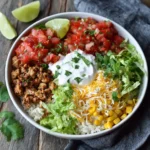
For the toppings, each layer plays a vital role: shredded purple cabbage adds crunch and anthocyanin-rich antioxidants; crumbled cotija cheese contributes salty, tangy umami (feta is a close substitute); pickled red onions deliver bright acidity and digestive enzymes; avocado slices or crema provide lush, cooling fat to temper heat and acidity; and extra lime wedges ensure diners can customize brightness at the table.
Step-by-Step Recipe
- Prepare the Fish: Pat fillets *extremely dry* with paper towels—this is non-negotiable for achieving grill marks and preventing steaming. Trim any dark muscle lines (they can impart bitterness). Cut into 4–6 portions, ~1-inch thick, for even cooking. Place on a wire rack set over a baking sheet to air-dry 10 minutes—further reduces surface moisture.
- Make the Marinade: In a non-reactive bowl (glass or stainless steel), whisk together lime zest, lime juice, minced garlic, olive oil, cumin, smoked paprika, chipotle powder, honey, ¼ cup chopped cilantro stems, 1 tsp salt, and ½ tsp black pepper until fully emulsified. Let sit 5 minutes to allow garlic’s compounds to infuse.
- Marinate the Fish: Gently place fish pieces in a shallow dish or resealable bag. Pour marinade over, ensuring full coverage. Refrigerate for *exactly 15–25 minutes*. Longer marination risks “cooking” the fish surface (ceviche-style), leading to mushiness and uneven texture.
- Preheat & Prep Grill: Heat gas or charcoal grill to medium-high (400–450°F). Clean grates thoroughly, then oil generously using tongs and a folded paper towel dipped in neutral oil (like grapeseed)—repeat twice. Have a spray bottle of water nearby to tame flare-ups.
- Grill the Fish: Remove fish from marinade, letting excess drip off. Discard used marinade. Place fish skin-side down (if skin-on) or presentation-side down first. Press gently with a spatula for 10 seconds to ensure contact. Grill undisturbed for 3–4 minutes until deep golden grill marks form and edges begin to turn opaque. Flip carefully using a thin, flexible metal spatula. Cook another 2–3 minutes until center flakes easily with a fork and internal temperature reaches 145°F (use an instant-read thermometer inserted sideways into thickest part).
- Rest & Flake: Transfer grilled fish to a clean plate, tent loosely with foil, and rest 3 minutes—allows juices to redistribute. Gently break into large, even flakes with a fork, discarding any bones.
- Warm Tortillas: Heat small corn tortillas (6-inch) directly over gas flame for 10–15 seconds per side until puffed and slightly charred, OR wrap in damp cloth and steam in a covered basket over simmering water for 1 minute. Keep wrapped in a clean kitchen towel to stay pliable.
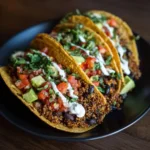
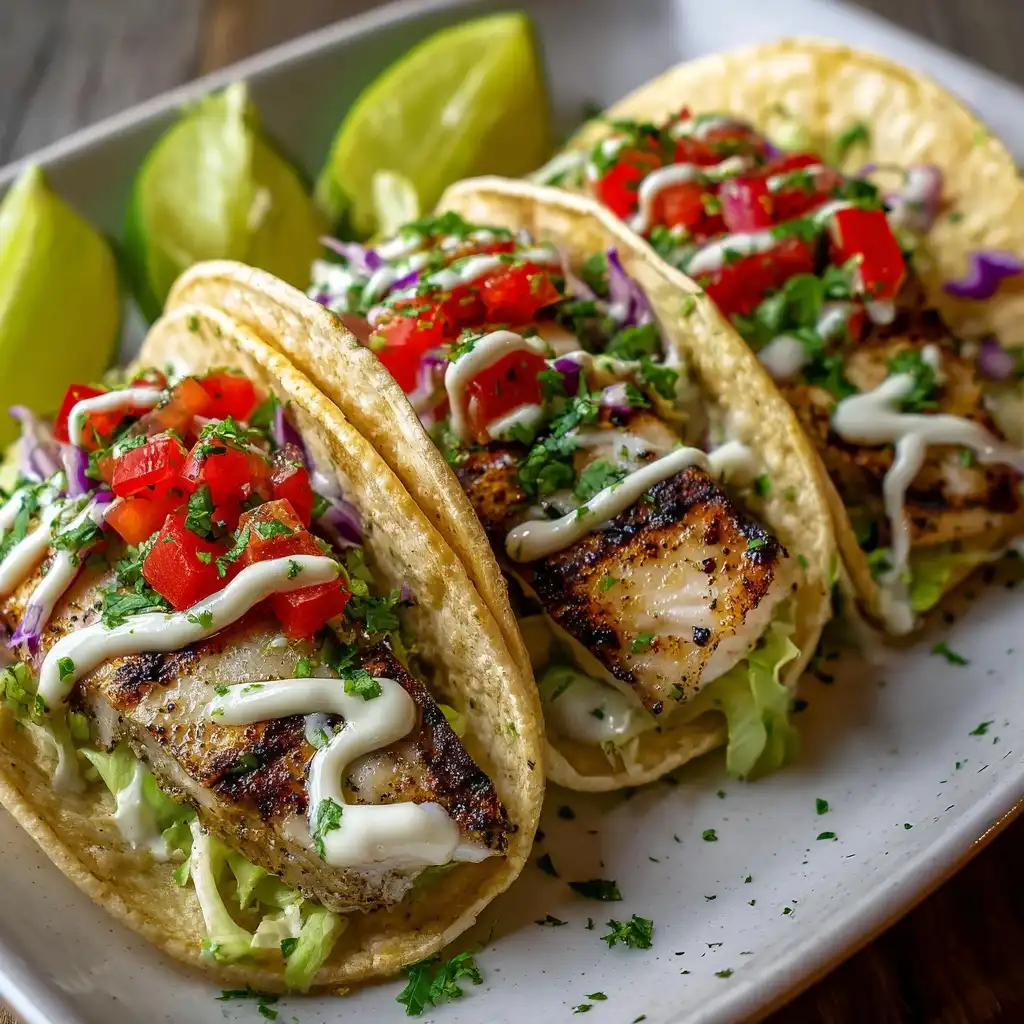
- Assemble Tacos: Place 2–3 oz of warm flaked fish in center of each tortilla. Top with shredded cabbage, pickled onions, crumbled cotija, sliced avocado or drizzle of lime crema, fresh cilantro leaves, and a generous squeeze of fresh lime juice. Serve immediately.
Tips
- Dry Fish = Perfect Sear: Moisture is the enemy of grill marks. Always pat fillets bone-dry—even after marinating. For ultra-crisp results, refrigerate uncovered for 20 minutes post-marinate.
- Marinate Smart, Not Long: Acid (lime juice) denatures proteins. 15–25 minutes is ideal. Over-marinating turns edges opaque, rubbery, and grainy—especially with thinner fillets like tilapia.
- Grill Temperature Matters: Too low → fish sticks and steams. Too high → exterior burns before interior cooks. Use the “hand test”: hold palm 5 inches above grate—if you can only hold it for 2–3 seconds, it’s medium-high.
- Skin-On? Go for It: Skin-on fillets (like snapper or branzino) hold together better, add rich flavor, and crisp beautifully. Score skin lightly with a knife before marinating to help render fat and prevent curling.
- No Grill? No Problem: Use a cast-iron grill pan over medium-high heat—preheated for 5+ minutes. Or broil on high, 4 inches from element, flipping halfway. Finish with a quick torch sear for charred depth.
- Prevent Tortilla Tears: Warm tortillas *just before serving*. Cold or stale tortillas crack. Keep them wrapped in a damp cloth-lined basket or tortilla warmer. Never microwave unless absolutely necessary—and then cover with a damp paper towel.
- Layer Toppings Strategically: Place cool, wet ingredients (crema, avocado) *under* warm fish to prevent sogginess. Dry toppings (cotija, cabbage) go on last for maximum crunch.
- Double-Zest Your Limes: Freeze leftover lime zest in ice cube trays with olive oil or water for future marinades, dressings, or roasted vegetables.
- Clean Grill Grates Mid-Cook: After first batch, scrub grates with a brass-bristle brush while hot, then re-oil. Prevents cross-contamination and improves sear on subsequent batches.
- Taste Your Marinade: Before adding fish, dip a spoon in and taste. Adjust salt, acid, or heat—it should be boldly seasoned, as fish mellows intensity.
Variations and Customizations
This recipe is inherently adaptable—celebrating regional preferences, dietary needs, seasonal produce, and pantry creativity. Here are inspired variations:
Regional Twists
- Baja-Style: Swap chipotle for 1 tsp crushed dried arbol chiles; top with creamy white sauce (½ cup sour cream + 2 tbsp lime juice + 1 tsp minced garlic + pinch of cumin).
- Oaxacan-Inspired: Add 1 tbsp toasted, ground pumpkin seeds (pepitas) and ½ tsp dried epazote to marinade; garnish with crumbled queso fresco and roasted corn kernels.
- Yucatán Fusion: Replace cumin with 1 tsp achiote paste dissolved in lime juice; add ¼ tsp ground allspice; top with pickled red onion + orange segments.
Dietary Adaptations
- Gluten-Free: Naturally compliant—just verify tortillas are certified GF (many corn tortillas contain wheat starch or are processed on shared lines).
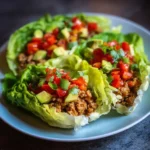
- Keto/Low-Carb: Serve fish over jicama or cucumber “tortillas,” or in lettuce cups (butter lettuce or romaine hearts). Skip honey; increase olive oil slightly for satiety.
- Vegan Option: Marinate extra-firm grilled tofu or king oyster mushrooms in same marinade (add 1 tbsp tamari for umami); top with cashew lime crema and mango-jalapeño salsa.
- Pescatarian Upgrade: Add grilled shrimp or scallops to the fish for luxurious surf-and-turf tacos.
Seasonal & Pantry Swaps
- Summer: Top with grilled pineapple or peach slices, pickled jalapeños, and mint instead of cilantro.
- Fall/Winter: Add roasted sweet potato cubes, caramelized onions, and pepita-lime gremolata.
- Herb Variations: Substitute fresh oregano, epazote, or culantro for cilantro if sensitive to its soapy gene (OR6A2).
- Heat Control: Mild: omit chipotle, use sweet paprika only. Medium: keep chipotle. Hot: add ½ tsp cayenne or 1 minced serrano. Extra-hot: include seeds and membranes.
Cooking Method Alternatives
- Smoked: Smoke fillets at 225°F for 45–60 minutes using alder or fruitwood chips, then finish with 2-minute sear on hot grill for texture.
- Air Fryer: Marinate as directed. Arrange in single layer in basket; cook at 400°F for 8–10 minutes, flipping halfway—ideal for small batches and crisp edges.
- Indoor Griddle: Preheat Blackstone or flat-top to 425°F. Use high-heat oil (avocado or refined coconut); sear 3 min/side. Add splash of lime juice in final 30 sec for steam-braise effect.
Health Considerations and Nutritional Value
Garlic Lime Grilled Fish Tacos are widely regarded as a nutritionally outstanding meal—rich in lean protein, heart-healthy fats, antioxidants, and gut-friendly fiber. A standard serving (2 tacos with 4 oz fish, 2 corn tortillas, ½ cup cabbage, ¼ avocado, 1 tbsp cotija, and lime crema) delivers approximately:
- Calories: 420–480 kcal (moderate, nutrient-dense energy)
- Protein: 32–38g (complete, highly bioavailable—supports muscle repair, satiety, and metabolic health)
- Healthy Fats: 18–22g (primarily monounsaturated from olive oil, avocado, and fish; includes 0.8–1.2g EPA/DHA omega-3s—linked to reduced inflammation, improved cognition, and cardiovascular protection)
- Fiber: 7–9g (from corn tortillas, cabbage, lime, and optional additions like black beans or roasted veggies—feeds beneficial gut microbiota)
- Vitamins & Minerals: Exceptionally high in Vitamin C (lime, cabbage), Vitamin B12 (fish), folate (cilantro, corn), potassium (fish, avocado), calcium (cotija), and selenium (fish—powerful antioxidant enzyme cofactor).
Key Health Highlights:
- Garlic’s Bioactive Power: Contains allicin (formed when crushed), shown in studies to support healthy blood pressure, cholesterol metabolism, and immune modulation—especially potent when consumed raw or lightly cooked.
- Lime’s Dual Role: Citric acid enhances non-heme iron absorption from plant-based toppings (cabbage, corn); vitamin C also regenerates vitamin E and boosts collagen synthesis.
- Grilling Benefits: Compared to frying, grilling reduces added fat and avoids harmful acrylamides or advanced glycation end-products (AGEs)—though charring should be minimized (trim blackened bits) to limit polycyclic aromatic hydrocarbons (PAHs).
- Low Glycemic Impact: Corn tortillas have lower glycemic index (GI ≈ 52) than flour (GI ≈ 71), and lime’s acidity further slows glucose absorption—ideal for blood sugar management.
- Anti-Inflammatory Synergy: Omega-3s (fish), polyphenols (lime, cilantro), organosulfur compounds (garlic), and anthocyanins (purple cabbage) work additively to reduce systemic oxidative stress.
Considerations & Modifications:
- Sodium-Conscious? Use low-sodium cotija or omit cheese; boost flavor with extra lime zest, smoked paprika, and toasted cumin.
- Mercury Awareness: Choose low-mercury fish: mahi-mahi, cod, tilapia, and snapper are all FDA “Best Choice” options. Limit swordfish, king mackerel, and tilefish.
- Allergen Note: Naturally free of dairy (if skipping cheese/crema), nuts, soy, and eggs—ideal for many elimination diets. Always verify tortilla ingredients for hidden gluten or preservatives.
- Pregnancy-Safe: Fully cooked fish, pasteurized dairy (cotija is typically aged >60 days), and no raw sprouts or unpasteurized juices make this pregnancy-friendly—just ensure fish is cooked to 145°F.
Ingredients
For the Garlic Lime Marinade & Fish:
- 1¼–1½ lbs fresh, skin-on or skinless white fish fillets (mahi-mahi, cod, red snapper, or tilapia), cut into 4–6 portions
- 4–6 large garlic cloves, finely minced (about 2 tbsp)
- Zest of 2 limes + juice of 3 limes (about ¼ cup juice)
- ¼ cup extra-virgin olive oil
- 1 tsp ground cumin, preferably toasted and freshly ground
- 1 tsp smoked paprika
- ½ tsp chipotle powder (or 1 tsp if you love heat)
- 1 tbsp raw honey or agave nectar
- ½ cup fresh cilantro leaves and tender stems, roughly chopped (stems reserved for marinade, leaves for garnish)
- 1½ tsp fine sea salt (or 2 tsp kosher salt)
- 1 tsp freshly cracked black pepper
For Serving (Toppings & Accompaniments):
- 8–12 small (6-inch) 100% corn tortillas, preferably handmade or stone-ground
- 2 cups thinly shredded purple cabbage (or green cabbage for milder flavor)
- ½ cup crumbled cotija cheese (substitute feta or queso fresco)
- ½ ripe Hass avocado, sliced or diced—or ¼ cup lime crema (½ cup sour cream or Greek yogurt + 1 tbsp lime juice + pinch salt)
- ¼ cup quick-pickled red onions (thinly sliced red onion + ¼ cup lime juice + 1 tsp sugar + ½ tsp salt, rested 15 min)
- Extra lime wedges, for serving
- Optional: micro cilantro, radish slices, jalapeño ribbons, or grilled corn kernels
Directions
- Prep the Fish: Place fish fillets on a clean cutting board. Using paper towels, pat *thoroughly dry* on all sides—no visible moisture. If skin-on, score skin lightly 3–4 times with a sharp knife. Cut into even portions (approx. 4–6 oz each) for consistent grilling. Set aside on a wire rack.
- Make the Marinade: In a medium glass or stainless-steel bowl, combine lime zest, lime juice, minced garlic, olive oil, cumin, smoked paprika, chipotle powder, honey, ⅓ cup chopped cilantro stems, salt, and black pepper. Whisk vigorously for 30 seconds until fully emulsified and fragrant. Let sit at room temperature for 5 minutes to bloom flavors.
- Marinate: Place fish in a shallow ceramic or glass dish (or heavy-duty resealable bag). Pour marinade over, turning gently to coat all surfaces. Refrigerate for 15–25 minutes—set a timer! Do not exceed 30 minutes.
- Preheat Grill: Light gas or charcoal grill. Once coals are ashed over (for charcoal) or gas is preheated, clean grates with a stiff wire brush. Oil grates generously using tongs and a folded, oil-dipped paper towel—repeat twice. Target temp: 400–450°F.
- Grill the Fish: Remove fish from marinade, letting excess drip off. Discard used marinade. Place fish on hottest part of grill—skin-side down if skin-on. Press gently with spatula for 10 seconds. Grill undisturbed for 3–4 minutes until deep golden-brown grill marks form and edges turn opaque halfway up. Flip carefully using a thin, flexible metal spatula. Grill another 2–3 minutes until center flakes easily and internal temperature reads 145°F. Avoid pressing down—this squeezes out juices.
- Rest & Flake: Transfer fish to a clean plate. Tent loosely with foil and rest 3 minutes. Gently flake with a fork, removing any bones or skin as desired.
- Warm Tortillas: Heat tortillas one at a time directly over gas flame for 10–15 sec per side until puffed and lightly charred. Alternatively, wrap stack in damp kitchen towel and steam in a covered bamboo basket over simmering water for 60 seconds. Keep wrapped in a clean towel or tortilla warmer.
- Assemble: Place 2–3 oz warm flaked fish in center of each tortilla. Top with shredded cabbage, pickled onions, crumbled cotija, avocado or lime crema, fresh cilantro leaves, and a generous squeeze of fresh lime juice. Serve immediately with extra lime wedges and napkins.
FAQ
- Can I make these ahead of time?
- Yes—with caveats. Marinate fish up to 25 minutes ahead (never longer). Cooked fish holds well refrigerated for up to 2 days—reheat gently in skillet or air fryer (not microwave) to preserve texture. Prepare toppings (cabbage slaw, pickled onions, crema) up to 3 days ahead. Warm tortillas *just before serving*.
- What’s the best fish for beginners?
- Mahi-mahi and snapper are most forgiving—they hold shape, resist overcooking, and develop beautiful grill marks. Tilapia is economical and mild but requires precise timing (2–3 min per side max). Avoid flaky, thin fish like sole unless you’re experienced.
- Why does my fish stick to the grill?
- Three main causes: (1) Grates not hot enough—preheat 10+ minutes; (2) Grates not clean/oiled—brush and oil *immediately before* placing fish; (3) Flipping too soon—wait until fish releases naturally. If it resists, give it 30 more seconds.
- Can I use flour tortillas?
- You can—but corn tortillas are traditional, gluten-free, lower-carb, and offer superior texture contrast with grilled fish. If using flour, choose small (6-inch) whole-wheat or sprouted varieties for better nutrition and integrity.
- How do I store leftovers?
- Store components separately: cooled fish in airtight container (2 days), slaw/crema (3–4 days), tortillas (room temp, 2 days or freeze). Reheat fish in skillet with 1 tsp oil over medium-low until warmed through (do not microwave—it dries out).
- Is there a dairy-free version of the crema?
- Absolutely. Blend ½ cup raw cashews (soaked 4 hrs, drained), ¼ cup lime juice, 2 tbsp water, ¼ tsp salt, and 1 tsp agave until silky smooth. Chill 1 hour to thicken. Coconut milk-based versions work too—but cashew offers neutral flavor and rich mouthfeel.
- Can I bake the fish instead of grilling?
- Yes. Preheat oven to 425°F. Line baking sheet with parchment. Place marinated fish on sheet, skin-side down. Bake 10–14 minutes until flaky and 145°F. For char, broil 1–2 minutes at end—or finish under grill pan.
- What wine or beverage pairs best?
- Crisp, high-acid whites shine: Albariño, Sauvignon Blanc, or Mexican Chenin Blanc. For beer: light lagers (Pacifico, Modelo Especial) or citrus-forward craft IPAs. Non-alcoholic: hibiscus-lime agua fresca or sparkling water with muddled cucumber and mint.
- How do I scale this for a crowd of 12?
- Triple the marinade and fish. Grill in batches—keep cooked fish warm on a rimmed sheet pan in 200°F oven. Prep all toppings and tortillas ahead. Set up a DIY taco bar with labeled bowls, lime wedges, and serving tongs for seamless assembly.
- Why use cilantro stems—not just leaves—in the marinade?
- Cilantro stems contain significantly higher concentrations of volatile aromatic oils (like geraniol and cineole) than leaves—providing deeper, more complex herbal notes that penetrate the fish during brief marination. Leaves are reserved for fresh, bright finish.