Introduction
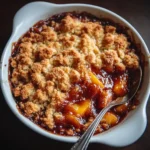
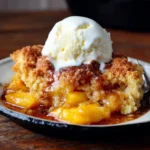
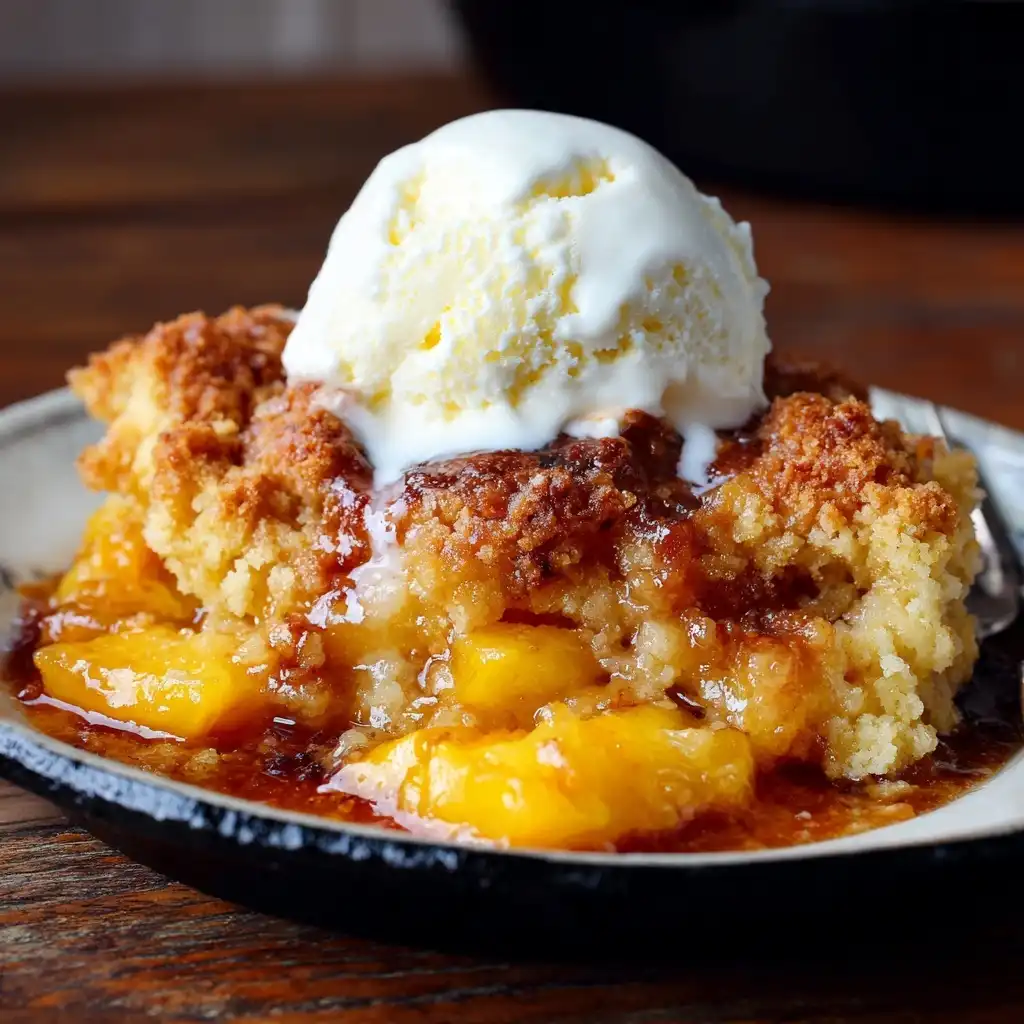
Gluten-free peach cobbler is a heartwarming, rustic dessert that marries the natural sweetness and floral fragrance of ripe summer peaches with a tender, golden-brown topping—free from wheat, barley, rye, and all hidden sources of gluten. Unlike traditional cobblers that rely on all-purpose flour for thickening and structure, this version thoughtfully substitutes with certified gluten-free alternatives to deliver the same nostalgic comfort, rich texture, and bubbling fruit goodness—without compromise. Whether you’re managing celiac disease, non-celiac gluten sensitivity, wheat allergy, or simply embracing a mindful, inclusive approach to baking, this recipe ensures everyone at your table can savor every spoonful: warm, juicy, slightly tart, delicately spiced, and crowned with a buttery, crisp-yet-tender crust. It’s more than dessert—it’s hospitality made safe, delicious, and deeply satisfying.
The History
Cobbler’s roots trace back to 17th-century England, where “coble” referred to something lumpy or uneven—aptly describing the rough, dropped-biscuit or dumpling-style topping traditionally heaped over stewed fruit. Early American colonists adapted the concept using available ingredients—often cornmeal or regional flours—and baked it in cast iron over open hearths. As peach orchards flourished across the Southern U.S. in the 1800s, peach cobbler emerged as a regional icon—symbolizing abundance, resourcefulness, and farm-to-table simplicity. For decades, however, the standard recipe remained inaccessible to those avoiding gluten—until the late 20th and early 21st centuries, when advances in gluten-free grain science, wider availability of certified GF flours (like brown rice, sorghum, and oat), and heightened food safety awareness transformed inclusive baking. Today’s gluten-free peach cobbler honors that legacy while meeting rigorous standards: every ingredient verified gluten-free, preparation methods designed to prevent cross-contact, and flavor profiles refined through generations of trial, tasting, and community-driven feedback from celiac support groups, dietitians, and home bakers committed to authenticity without allergenic risk.
Ingredients Breakdown
Understanding *why* each ingredient is chosen—and how it functions—is key to mastering gluten-free baking. Below is a meticulous, function-driven analysis:
- Fresh, ripe peaches (6–7 medium, ~2¼ lbs): The soul of the cobbler. Opt for freestone varieties like Elberta, Red Haven, or O’Henry for easy pitting and superior juiciness. Ripe fruit delivers natural pectin, sugars, and acidity—critical for balanced flavor and proper thickening. Underripe peaches lack sweetness and body; overripe ones turn mushy. Frozen unsweetened peaches (thawed and well-drained) are an excellent year-round alternative—but avoid canned peaches packed in syrup (hidden gluten-containing thickeners or shared equipment risks).
- Granulated sugar (¾ cup, plus 2 tbsp for topping): Provides sweetness, aids caramelization, and helps control water activity. Organic cane sugar is naturally gluten-free but verify brand certification if highly sensitive (some beet sugar processing facilities handle gluten-containing products). For lower glycemic impact, coconut sugar may be substituted 1:1—but expect deeper molasses notes and slightly less browning.
- Gluten-free all-purpose flour blend (1/3 cup, certified): Not all GF flours behave alike. We recommend a *balanced, starch-rich blend* containing brown rice flour, tapioca starch, and potato starch (e.g., Bob’s Red Mill 1-to-1 Baking Flour or King Arthur Measure for Measure GF), *not* single-ingredient flours like almond or coconut (which lack binding capacity and alter moisture balance). This blend mimics wheat’s viscosity and starch gelatinization, ensuring a glossy, cohesive fruit filling without gumminess or grittiness. Crucially, it must be certified gluten-free—even trace contamination (<20 ppm) can trigger reactions in celiac individuals.
- Unsalted butter (4 tbsp, cold & cubed, plus 2 tbsp melted for topping): Cold butter creates flaky pockets in the biscuit layer; melted butter enriches the crumb and promotes even browning. Use European-style (82–84% fat) for richer flavor and better structure—or plant-based butter (e.g., Melt Organic or Earth Balance Buttery Sticks) for dairy-free adaptation (ensure GF-certified).
- Almond milk (½ cup, unsweetened & unflavored): Adds moisture without dairy proteins. Its mild nuttiness complements peaches beautifully. Oat milk works but verify GF certification (many oat milks are cross-contaminated); coconut milk (canned, light) adds richness but may mute delicate fruit notes.
- Gluten-free rolled oats (½ cup, certified): Adds chewy texture, fiber, and subtle toastiness to the topping. Must be labeled “certified gluten-free”—regular oats are almost universally contaminated during harvesting, transport, or milling.
- Baking powder (2 tsp, aluminum-free & GF-certified): Leavening agent critical for lift and tenderness. Aluminum-free versions prevent metallic aftertaste; GF certification avoids wheat-derived starch fillers.
- Ground cinnamon (1 tsp) & nutmeg (¼ tsp): Warm, aromatic spices that enhance peach’s natural complexity without overpowering. Freshly grated nutmeg is vastly superior to pre-ground.
- Lemon juice (1 tbsp, freshly squeezed): Brightens flavor, balances sweetness, and stabilizes peach color (prevents browning via enzymatic inhibition).
- Vanilla extract (1 tsp, pure, GF-certified): Deepens warmth and adds roundness. Avoid imitation vanilla—many contain gluten-based carriers or grain alcohol derived from wheat.
- Sea salt (¼ tsp): Essential for flavor contrast and enhancing sweetness perception. Fine-grain ensures even distribution.
- Optional but recommended: 1 tsp GF cornstarch or arrowroot powder (added to fruit mix): Extra insurance against excess liquid—especially useful with very juicy peaches or high-humidity environments.
Step-by-Step Recipe
- Preheat & Prep: Position oven rack in the lower third. Preheat oven to 375°F (190°C). Lightly grease a deep 9×13-inch ceramic or glass baking dish (or two 8-inch square dishes for faster, crisper edges) with butter or GF cooking spray. Line bottom with parchment paper for effortless removal.
- Peel & Slice Peaches: Bring a large pot of water to boil. Score an “X” on the base of each peach. Blanch for 45 seconds, then immediately transfer to ice water. Slip off skins. Halve, pit, and slice into ½-inch wedges. Gently toss in a large bowl with lemon juice to prevent oxidation.
- Make Fruit Filling: To the peaches, add ¾ cup sugar, GF flour, optional cornstarch, cinnamon, nutmeg, and salt. Stir gently but thoroughly until every slice is evenly coated and glossy. Let macerate 15 minutes—this draws out juices and allows starches to hydrate.
- Prepare Topping Batter: In a separate medium bowl, whisk together GF flour blend, 2 tbsp sugar, baking powder, cinnamon, nutmeg, and salt. Cut in cold cubed butter using a pastry cutter or two forks until mixture resembles coarse crumbs with pea-sized butter pieces. Stir in certified GF rolled oats. Gradually pour in almond milk and vanilla, stirring with a fork just until a shaggy, slightly sticky dough forms—do not overmix (overworking develops gumminess). Dough should hold together when pinched but remain rustic and lumpy.
- Assemble Cobbler: Pour fruit mixture into prepared dish, spreading evenly. Drop generous 2-tbsp portions of dough over fruit in a single layer—don’t press down. Leave small gaps between mounds for steam escape and even baking. Drizzle melted butter evenly over dough mounds. Sprinkle remaining 2 tbsp sugar for caramelized crunch.
- Bake: Place dish on a parchment-lined baking sheet (to catch potential bubbles). Bake 55–65 minutes, rotating halfway, until fruit is bubbling vigorously at edges, topping is deep golden brown with crisp, caramelized peaks, and a skewer inserted into topping (not fruit) comes out clean. Internal fruit temperature should reach 205°F (96°C) for optimal thickening.
- Cool & Set: Remove from oven and let rest on a wire rack for *at least 45 minutes*. This crucial step allows starches to fully set and filling to thicken—cutting too soon yields runny results. Serve warm—not hot—for ideal texture contrast.
Tips
- Chill Your Butter & Tools: Cold butter + cold mixing bowl = flakier, more structured topping. Refrigerate butter for 20 minutes before cubing; chill flour blend briefly too.
- Weigh, Don’t Scoop: GF flours vary wildly in density. Use a kitchen scale: 1 cup GF AP blend = ~130g. Scooping packs flour, causing dry, dense topping.
- Don’t Skip the Maceration: 15 minutes lets sugar dissolve, draw out liquid, and activate starch—resulting in a glossy, non-watery filling.
- Embrace Texture Variability: GF dough won’t look or feel like wheat dough. It’s okay if it’s crumblier or stickier—focus on visual cues (cohesive when pinched) over tactile expectations.
- Rotate & Shield: Oven hotspots are common. Rotate dish at 30 minutes. If topping browns too fast, tent loosely with foil—but remove last 10 minutes for crisping.
- Test Doneness Correctly: Insert skewer into *topping*, not fruit. Filling will bubble—that’s good! Topping should be firm, not doughy or gummy.
- Cooling Is Non-Negotiable: Rushing leads to soupy cobbler. Set timer for 45 minutes—use that time to whip cream or brew tea.
- Storage Wisdom: Cool completely before covering. Store covered at room temp up to 2 days, refrigerated up to 5 days, or frozen (baked or unbaked) for 3 months. Reheat gently at 325°F (163°C) until warmed through—avoid microwaving (makes topping rubbery).
- Cross-Contamination Vigilance: Wash hands, utensils, and surfaces thoroughly before starting. Use dedicated GF colanders, cutting boards, and measuring spoons. Check spice jars for “may contain wheat” warnings.
- Altitude Adjustments: Above 3,000 ft? Increase oven temp by 15–25°F, reduce baking powder by ⅛ tsp, and add 1–2 tsp extra liquid to topping batter.
Variations and Customizations
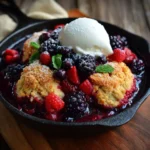
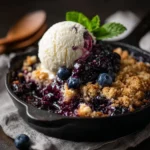
- Peach-Blackberry Fusion: Replace 1½ cups peaches with fresh or frozen blackberries (tossed with 1 tsp GF cornstarch). Adds tartness, antioxidants, and dramatic color.
- Spiced Ginger-Peach: Add 1 tbsp finely grated fresh ginger + ¼ tsp ground cardamom to fruit mix. Pair with crystallized ginger bits folded into topping.
- Nutty Crunch Topping: Fold ⅓ cup chopped toasted pecans or sliced almonds into the topping batter. Adds protein and luxurious mouthfeel.
- Coconut-Lime Zest: Substitute coconut milk for almond milk; add zest of 1 lime to fruit + topping. Garnish with toasted coconut flakes.
- Maple-Sweetened: Replace granulated sugar with Grade B maple syrup (reduce almond milk by 1 tbsp). Adds mineral depth and subtle smokiness.
- Vegan GF Cobbler: Use plant-based butter, flax “egg” (1 tbsp ground flax + 2.5 tbsp water, rested 5 mins), and oat or soy milk. Ensure all brands are certified GF and vegan.
- Mini Mason Jar Cobblers: Portion fruit and topping into 6–8 oz wide-mouth jars. Bake at 375°F for 35–42 minutes. Perfect for gifts or portion control.
- Herbal Infusion: Steep 1 tsp fresh thyme or basil in warm almond milk for 10 minutes, strain, and use in topping. Surprising savory-sweet harmony.
- Brandy-Soaked Peaches: Toss sliced peaches with 2 tbsp GF brandy (e.g., E&J) and 1 tsp brown sugar 30 minutes before assembling. Drain excess liquid before mixing.
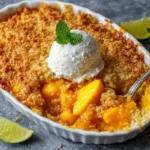
- Gluten-Free Oat Crumble Variation: Skip the biscuit topping; instead, combine 1 cup GF oats, ⅓ cup GF flour, ½ cup brown sugar, 6 tbsp cold butter, and ½ tsp cinnamon. Press over fruit for a crisp, granola-like finish.
Health Considerations and Nutritional Value
This gluten-free peach cobbler is crafted with nutritional mindfulness—without sacrificing indulgence. Per generous serving (1/12 of 9×13 dish, approx. 1 cup):
- Calories: ~290 kcal — Balanced between complex carbs (peaches, oats), healthy fats (butter), and minimal added sugar (¾ cup for entire dish = ~1 tbsp per serving).
- Macronutrients: 42g total carbs (12g natural fruit sugars, 5g fiber from peaches + oats), 11g fat (7g saturated, primarily from butter—opt for grass-fed for CLA benefits), 3g protein.
- Vitamins & Minerals: Excellent source of Vitamin C (peaches provide ~15% DV per serving), Vitamin A (beta-carotene), potassium (supports electrolyte balance), and manganese (aids antioxidant enzyme function).
- Fiber Benefits: Peaches contribute soluble fiber (pectin) for gut health and satiety; GF oats add beta-glucan, clinically shown to support healthy cholesterol levels.
- No Artificial Additives: Free of preservatives, colors, hydrogenated oils, or high-fructose corn syrup—unlike many commercial GF desserts.
- Dietary Accommodations: Naturally egg-free, soy-free (if using pure butter), and nut-free (omit almond milk—substitute sunflower seed milk or GF rice milk). Easily adapted low-FODMAP by reducing sugar and omitting oats (use quinoa flakes instead).
- For Diabetics: The low glycemic load (GL ≈ 14) stems from whole fruit’s fiber slowing glucose absorption. Monitor portions and pair with Greek yogurt (unsweetened) to further blunt blood sugar response.
- Celiac Safety Protocol: Every ingredient verified against the Gluten Intolerance Group’s GFCO or NSF Gluten-Free Certification standards (<10 ppm gluten). Preparation adheres to Beyond Celiac’s cross-contact prevention guidelines.
- Mindful Indulgence: Designed as an occasional treat—not daily fare—but nutritionally superior to conventional cobblers due to whole-food ingredients, absence of refined white flour, and intentional sugar moderation.
Ingredients
- 6–7 medium ripe freestone peaches (about 2¼ pounds), peeled, pitted, and sliced ½-inch thick
- 1 tablespoon freshly squeezed lemon juice
- ¾ cup granulated sugar (organic cane, certified GF)
- ⅓ cup certified gluten-free all-purpose flour blend (e.g., Bob’s Red Mill 1-to-1)
- 1 teaspoon ground cinnamon
- ¼ teaspoon freshly grated nutmeg
- ¼ teaspoon fine sea salt
- 1 teaspoon certified gluten-free cornstarch or arrowroot powder (optional, for juicier peaches)
- ½ cup certified gluten-free rolled oats
- ⅔ cup certified gluten-free all-purpose flour blend (for topping)
- 2 tablespoons granulated sugar (for topping)
- 2 teaspoons aluminum-free, certified gluten-free baking powder
- ¼ teaspoon fine sea salt (for topping)
- 4 tablespoons unsalted butter, very cold and cubed (or certified GF plant-based butter)
- ½ cup unsweetened, unflavored almond milk (or certified GF oat or coconut milk)
- 1 teaspoon pure vanilla extract (certified GF)
- 2 tablespoons unsalted butter, melted (or GF plant-based butter)
- Additional granulated sugar for sprinkling (2 tablespoons)
Directions
- Preheat oven to 375°F (190°C). Grease a 9×13-inch baking dish and line bottom with parchment paper.
- In a large bowl, combine sliced peaches and lemon juice. Gently toss.
- Add ¾ cup sugar, ⅓ cup GF flour, cinnamon, nutmeg, salt, and optional cornstarch to peaches. Stir until evenly coated. Let sit 15 minutes.
- Meanwhile, in a medium bowl, whisk ⅔ cup GF flour, 2 tbsp sugar, baking powder, and salt. Cut in cold cubed butter using a pastry cutter until mixture resembles coarse crumbs with visible butter pieces.
- Stir in GF rolled oats. Gradually add almond milk and vanilla, stirring with a fork just until dough begins to clump—do not overmix. It should hold together when pinched.
- Pour peach mixture into prepared dish, spreading evenly. Drop dough by heaping tablespoons over fruit, leaving space between mounds.
- Drizzle melted butter evenly over dough. Sprinkle with remaining 2 tbsp sugar.
- Place dish on a parchment-lined baking sheet. Bake 55–65 minutes, rotating at 30 minutes, until fruit bubbles vigorously and topping is deep golden brown and firm to the touch.
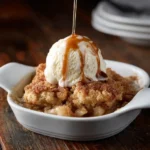
- Let cool on a wire rack for at least 45 minutes before serving. Serve warm with GF vanilla ice cream or dairy-free whipped cream.
FAQ
- Can I use canned peaches? Not recommended—most contain gluten-based thickeners (modified food starch), citric acid from wheat, or are processed on shared lines. If essential, choose certified GF canned peaches packed in 100% fruit juice (e.g., Woodstock Farms), drain *thoroughly*, and reduce added sugar by ¼ cup.
- Why did my topping sink or become gummy? Overmixing the batter activates xanthan/guar gum (in many GF blends), causing elasticity. Also, underbaking or cutting too soon prevents starch gelatinization and setting. Always bake until topping is firm and internal temp reaches 205°F.
- Is oat milk safe for celiacs? Only if explicitly labeled “certified gluten-free.” Regular oat milk carries >90% cross-contamination risk. Stick to brands like Oatly US (GF-certified) or Thrive Market GF Oat Milk.
- Can I make this ahead? Absolutely. Assemble up to 24 hours ahead (keep unbaked cobbler refrigerated, covered), then bake 5–10 minutes longer. Or bake fully, cool, refrigerate, and reheat at 325°F for 20 minutes.
- What’s the best GF flour for beginners? Bob’s Red Mill 1-to-1 Baking Flour (blue bag) or King Arthur GF Measure for Measure. They contain xanthan gum, require no adjustments, and reliably mimic wheat flour behavior.
- My cobbler was too sweet. How do I adjust? Reduce sugar to ½ cup for fruit and 1 tbsp for topping. Boost complexity with extra lemon juice, vanilla, or a pinch of black pepper.
- Can I freeze it? Yes! Freeze unbaked cobbler tightly wrapped for 3 months. Bake from frozen—add 20–25 minutes to bake time. Or freeze baked cobbler (cooled) for 2 months—thaw overnight in fridge, then reheat.
- Is xanthan gum necessary? Most commercial GF blends include it. If using a gum-free blend (e.g., Jovial), add ¼ tsp xanthan gum to the topping flour mixture for binding and elasticity.
- Why does my GF cobbler taste “gritty”? Likely underhydrated starches (insufficient maceration) or low-quality GF flour with coarse grind. Ensure full 15-minute maceration and use finely milled, reputable brands.
- How do I ensure my kitchen is GF-safe? Clean all surfaces with vinegar-water solution. Use fresh sponges, new parchment, dedicated GF utensils, and verify *all* spices, extracts, and baking powder carry GF certification logos.
Summary
This meticulously crafted gluten-free peach cobbler delivers heirloom flavor, bakery-quality texture, and uncompromising safety—using only certified gluten-free ingredients, science-informed techniques, and deep respect for dietary needs. From blanching peaches to resting the finished dessert, every step is optimized for juicy fruit, golden craggy topping, and joyful, inclusive sharing.
Whether served at a summer potluck, Sunday supper, or quiet evening treat, it proves that gluten-free baking isn’t about limitation—it’s about abundance, care, and the profound pleasure of a dessert that truly belongs to everyone.