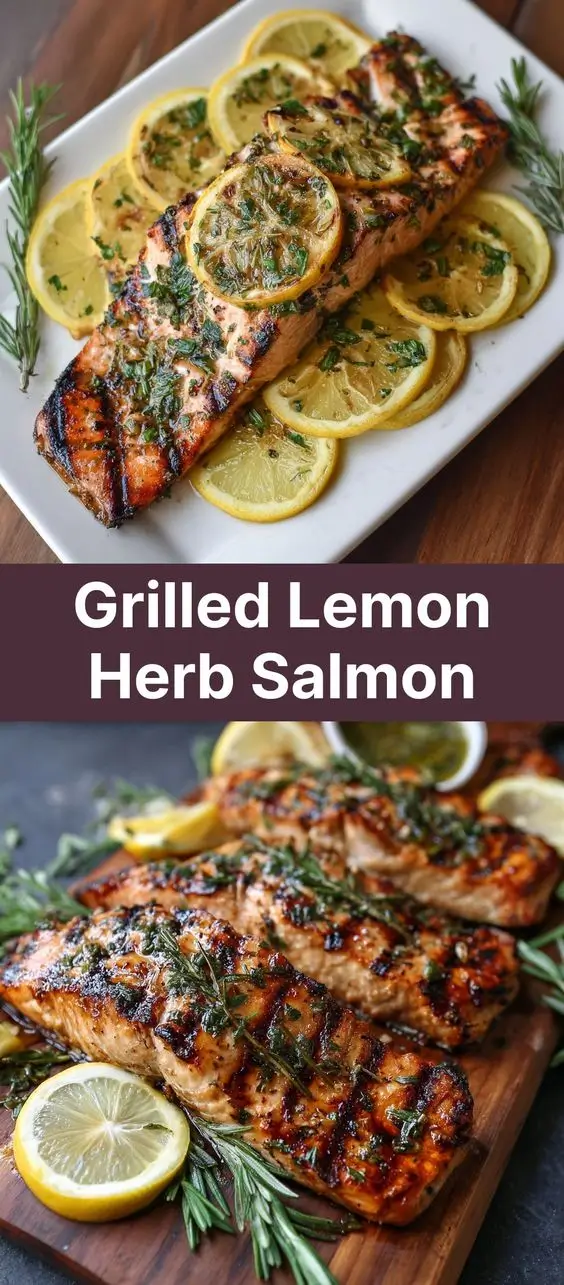
Grilled Lemon Herb Salmon: A Flavorful, Healthy Delight
The History of Grilled Salmon and Its Culinary Evolution
Salmon has long been a dietary staple for indigenous communities along the Pacific Northwest coast of North America, where it was traditionally caught during seasonal migrations and prepared using open-fire grilling, smoking, or drying methods. These ancestral cooking techniques emphasized simplicity and flavor enhancement through natural ingredients like wild herbs, cedar planks, and smoke from local woods. As culinary traditions evolved and global trade introduced new spices and citrus fruits to different regions, salmon preparation began incorporating more diverse flavors.
In Europe, particularly in Scandinavian countries like Norway, Sweden, and Iceland, salmon has been revered for centuries, often cured as gravlax or simply pan-seared with dill and lemon. The Mediterranean influence brought bright, zesty elements—especially lemon and fresh herbs such as thyme, rosemary, and parsley—into seafood cuisine. When these culinary styles merged with American grilling culture in the 20th century, grilled salmon seasoned with lemon and herbs emerged as a popular dish, combining health-conscious cooking with bold, refreshing taste.
Today, grilled lemon herb salmon stands at the intersection of tradition and modern gastronomy. It’s celebrated not only for its exquisite taste but also for its nutritional benefits, making it a favorite among home cooks, gourmet chefs, and health enthusiasts alike. Whether served on a bed of greens, over quinoa, or alongside roasted vegetables, this dish represents a harmonious balance between indulgence and wellness.
Ingredients Breakdown: Why Each Component Matters
The magic of grilled lemon herb salmon lies in the synergy of high-quality ingredients that enhance both flavor and texture. Let’s examine each component and its role in creating a truly memorable dish:
- Fresh Salmon Fillets: The star of the dish. Opt for wild-caught Atlantic or Alaskan salmon when possible, as they tend to have a richer flavor profile and better fat distribution than farmed varieties. Look for fillets with firm flesh, vibrant color (ranging from deep orange to pink), and no fishy odor.
- Lemons: Both lemon zest and juice are used. Zest contains aromatic oils that infuse the marinade with intense citrus fragrance, while the juice adds acidity that tenderizes the fish slightly and brightens the overall flavor.
- Fresh Herbs: A blend of parsley, dill, and thyme is ideal. Parsley brings freshness, dill offers a delicate anise-like note perfect for fish, and thyme contributes earthiness. You can also add chives or tarragon for complexity.
- Extra Virgin Olive Oil: Acts as a carrier for flavors, helps prevent the fish from sticking to the grill, and adds heart-healthy monounsaturated fats. Choose cold-pressed olive oil for the best taste.
- Garlic: Minced garlic provides a pungent depth that mellows when cooked, enhancing the savory backbone of the marinade.
- Sea Salt and Freshly Ground Black Pepper: Essential seasonings that elevate all other flavors. Coarse sea salt helps form a light crust on the surface during grilling.
- Honey or Maple Syrup (optional): A touch of sweetness balances the tartness of lemon and rounds out the marinade. Use sparingly to avoid overpowering the fish.
- Red Pepper Flakes (optional): For those who enjoy a hint of heat, a pinch adds subtle warmth without distracting from the primary flavors.
Each ingredient plays a purposeful role—not just in taste, but in how they interact with the salmon’s natural oils and proteins during grilling. Together, they create a symphony of flavor that’s both bold and balanced.
Step-by-Step Recipe: How to Make Perfect Grilled Lemon Herb Salmon
- Prepare the Salmon: Begin by selecting 4 skin-on salmon fillets, each about 6 ounces and 1 to 1.5 inches thick. Rinse them gently under cold water and pat dry thoroughly with paper towels. Removing excess moisture ensures proper searing and prevents steaming on the grill.
- Make the Marinade: In a medium mixing bowl, combine the zest of one lemon, 3 tablespoons of freshly squeezed lemon juice, 3 tablespoons of extra virgin olive oil, 2 teaspoons of honey or maple syrup (if using), 2 minced garlic cloves, 1 teaspoon of sea salt, ½ teaspoon of black pepper, and a pinch of red pepper flakes (optional). Whisk until emulsified.
- Add the Herbs: Stir in 2 tablespoons of chopped fresh parsley, 1 tablespoon of chopped fresh dill, and 1 teaspoon of chopped fresh thyme. Mix well to distribute evenly.
- Marinate the Salmon: Place the salmon fillets in a shallow glass or ceramic dish. Pour the marinade over the fillets, ensuring each piece is generously coated. Use a spoon to spread the mixture evenly. Cover with plastic wrap and refrigerate for 20 to 30 minutes. Avoid marinating longer than 45 minutes, as the acid in lemon juice can begin to “cook” the fish, altering its texture.
- Preheat the Grill: Preheat your grill to medium-high heat (about 375°F to 400°F). Clean the grates thoroughly and oil them using a high-smoke-point oil (like canola or vegetable oil) and a folded paper towel held with tongs. This prevents sticking and ensures beautiful grill marks.
- Remove from Marinade: Take the salmon out of the refrigerator 10 minutes before grilling to bring it closer to room temperature—this promotes even cooking. Discard the used marinade. If desired, reserve a small portion of fresh marinade (set aside before adding to raw fish) to drizzle after cooking.
- Grill the Salmon: Place the fillets skin-side down on the preheated grill. Close the lid and cook for 5–6 minutes. Do not move the fish during this time to allow proper sear development. After the first side is nicely marked and releases easily, use a wide spatula to flip the fillets carefully. Cook for another 3–5 minutes, depending on thickness, until the internal temperature reaches 125°F to 130°F (for medium-rare to medium doneness).
- Check for Doneness: The salmon should be opaque throughout but still moist and flaky. It will continue to cook slightly off the heat due to residual warmth. Overcooking leads to dryness, so err on the side of caution.
- Rest and Serve: Transfer the grilled salmon to a clean plate, tent loosely with foil, and let rest for 3–5 minutes. This allows juices to redistribute. Garnish with additional fresh herbs and thin lemon slices before serving.
Expert Tips for the Best Grilled Lemon Herb Salmon
- Skin-On vs. Skin-Off: Always choose skin-on fillets for grilling. The skin protects the delicate flesh, helps retain moisture, and crisps up beautifully. You can eat it or remove it after cooking based on preference.
- Avoid Over-Marinating: Citrus-based marinades work quickly. More than 45 minutes can cause the outer layer of the fish to become mealy. For extended flavor infusion without textural damage, consider a dry rub instead.
- Use a Fish Spatula: A thin, flexible metal spatula with a slight curve makes flipping delicate fish much easier and reduces breakage.
- Don’t Crowd the Grill: Leave space between fillets to ensure even heat circulation and proper searing.
- Cedar Plank Option: For a smoky, rustic twist, grill the salmon on a soaked cedar plank. This method adds incredible aroma and prevents direct flame contact, reducing the risk of flare-ups.
- Monitor Temperature: Invest in an instant-read thermometer. Perfectly grilled salmon ranges from 120°F (very rare) to 135°F (medium). Beyond 140°F, it begins to dry out.
- Reserve Extra Marinade: Set aside some marinade before adding it to raw fish to use as a finishing sauce. Warm it gently in a small saucepan for 2 minutes to kill any potential bacteria, then drizzle over plated salmon.
Variations and Customizations: Make It Your Own
While classic grilled lemon herb salmon is delicious on its own, there are countless ways to personalize this dish to suit different tastes, cuisines, and dietary preferences:
- Mediterranean Style: Add capers, chopped Kalamata olives, and oregano to the marinade. Serve with a Greek salad and tzatziki sauce.
- Asian-Inspired: Swap dill and thyme for ginger, soy sauce, sesame oil, and green onions. Marinate briefly and serve over jasmine rice with stir-fried bok choy.
- Cajun Kick: Replace herbs with Cajun seasoning blend and add smoked paprika. Grill with corn on the cob and coleslaw for a Southern flair.
- Dairy-Free Creamy Sauce: Blend avocado, Greek yogurt (or coconut yogurt), lemon juice, garlic, and herbs for a rich, creamy topping.
- Gluten-Free Friendly: This recipe is naturally gluten-free. Just ensure all added sauces (e.g., soy alternatives) are certified GF if needed.
- Smoked Salmon Twist: After grilling, top with a small amount of cold-smoked salmon for layered texture and intensified flavor.
- Herb Butter Finish: Top each grilled fillet with a pat of compound butter made from softened butter, lemon zest, and chopped herbs. It melts luxuriously into the hot fish.
- Whole30/Paleo Compliant: Omit honey and use maple syrup only if strict compliance isn’t required. Otherwise, skip sweeteners entirely for a cleaner version.
Health Considerations and Nutritional Value
Grilled lemon herb salmon isn’t just delicious—it’s a powerhouse of nutrition. Here’s why it deserves a regular spot in a balanced diet:
- Rich in Omega-3 Fatty Acids: Salmon is one of the best sources of EPA and DHA, essential fats linked to reduced inflammation, improved heart health, enhanced brain function, and lower risk of chronic diseases.
- High-Quality Protein: A 6-ounce fillet delivers about 34 grams of complete protein—ideal for muscle repair, satiety, and metabolic support.
- Vitamins and Minerals: Salmon is abundant in vitamin D (crucial for immune function and bone health), B vitamins (especially B12 and niacin), selenium (a potent antioxidant), and potassium.
- Heart Health: Regular consumption of fatty fish like salmon is associated with lower triglycerides, reduced blood pressure, and decreased risk of heart attack and stroke.
- Weight Management: High protein and healthy fats promote fullness and stabilize blood sugar, helping control appetite and reduce cravings.
- Low in Mercury Compared to Other Fish: Salmon is generally low in mercury, making it safe for frequent consumption—even for pregnant women and children (in recommended portions).
- Anti-Inflammatory Properties: The combination of omega-3s, antioxidants from herbs, and vitamin C from lemon supports systemic anti-inflammatory effects.
One serving (6 oz grilled salmon with marinade) contains approximately:
| Nutrient | Amount |
|---|---|
| Calories | 320 kcal |
| Protein | 34 g |
| Total Fat | 20 g |
| Saturated Fat | 4 g |
| Omega-3 Fats | 3.5 g |
| Carbohydrates | 3 g |
| Sugars | 2 g (from honey/lemon) |
| Sodium | 450 mg |
| Vitamin D | 570 IU (95% DV) |
| Vitamin B12 | 8.9 mcg (148% DV) |
Note: Values may vary based on fillet size, specific ingredients, and added sauces.
Full Ingredients List
- 4 skin-on salmon fillets (6 oz each, preferably wild-caught)
- Zest of 1 large lemon
- 3 tablespoons fresh lemon juice (about 1 lemon)
- 3 tablespoons extra virgin olive oil
- 2 teaspoons honey or pure maple syrup (optional)
- 2 garlic cloves, finely minced
- 1 teaspoon sea salt
- ½ teaspoon freshly ground black pepper
- Pinch of red pepper flakes (optional)
- 2 tablespoons fresh parsley, finely chopped
- 1 tablespoon fresh dill, chopped
- 1 teaspoon fresh thyme leaves
Directions Recap
- Pat salmon fillets dry and place in a shallow dish.
- In a bowl, whisk together lemon zest, lemon juice, olive oil, honey, garlic, salt, pepper, and red pepper flakes.
- Stir in chopped parsley, dill, and thyme.
- Pour marinade over salmon, coating evenly. Cover and chill for 20–30 minutes.
- Preheat grill to 375°F–400°F. Clean and oil grates.
- Remove salmon from fridge; discard used marinade.
- Place fillets skin-side down on the grill. Close lid and cook 5–6 minutes.
- Carefully flip and cook 3–5 minutes more until internal temperature reaches 125°F–130°F.
- Transfer to a plate, rest for 3–5 minutes, garnish, and serve.
FAQ: Frequently Asked Questions About Grilled Lemon Herb Salmon
Q: Can I use frozen salmon?
A: Yes, but thaw it completely in the refrigerator overnight. Never cook frozen salmon directly on the grill, as it won’t cook evenly and may become mushy.
Q: How do I know when salmon is done?
A: It should be opaque pink throughout and flake easily with a fork. Use a thermometer: 125°F–130°F for medium-rare to medium. Remember, it continues cooking off the heat.
Q: Can I bake this instead of grilling?
A: Absolutely! Preheat oven to 400°F. Place marinated salmon on a parchment-lined baking sheet and bake for 12–15 minutes, depending on thickness.
Q: Is it safe to reuse the marinade?
A: No, if it has touched raw fish. However, you can reserve a portion before marinating and simmer it for 2 minutes to use as a sauce.
Q: Can I make this ahead of time?
A: You can prep the marinade and store it separately up to 2 days in advance. Marinate the salmon just before grilling for best results. Leftovers keep well for up to 3 days in the fridge and reheat gently.
Q: What sides go well with grilled lemon herb salmon?
A: Excellent pairings include roasted asparagus, wild rice pilaf, quinoa salad, grilled vegetables, mashed sweet potatoes, or a crisp arugula salad with shaved fennel and Parmesan.
Q: Can I grill salmon without skin?
A: It’s possible but not recommended. Skinless fillets are more fragile and prone to falling apart. If necessary, use a grill basket or parchment paper to protect the fish.
Summary
Grilled lemon herb salmon combines vibrant citrus, aromatic herbs, and perfectly cooked fish for a meal that’s both elegant and effortless. Packed with nutrients and bursting with flavor, it’s a healthy dinner option that never feels compromising.