Introduction
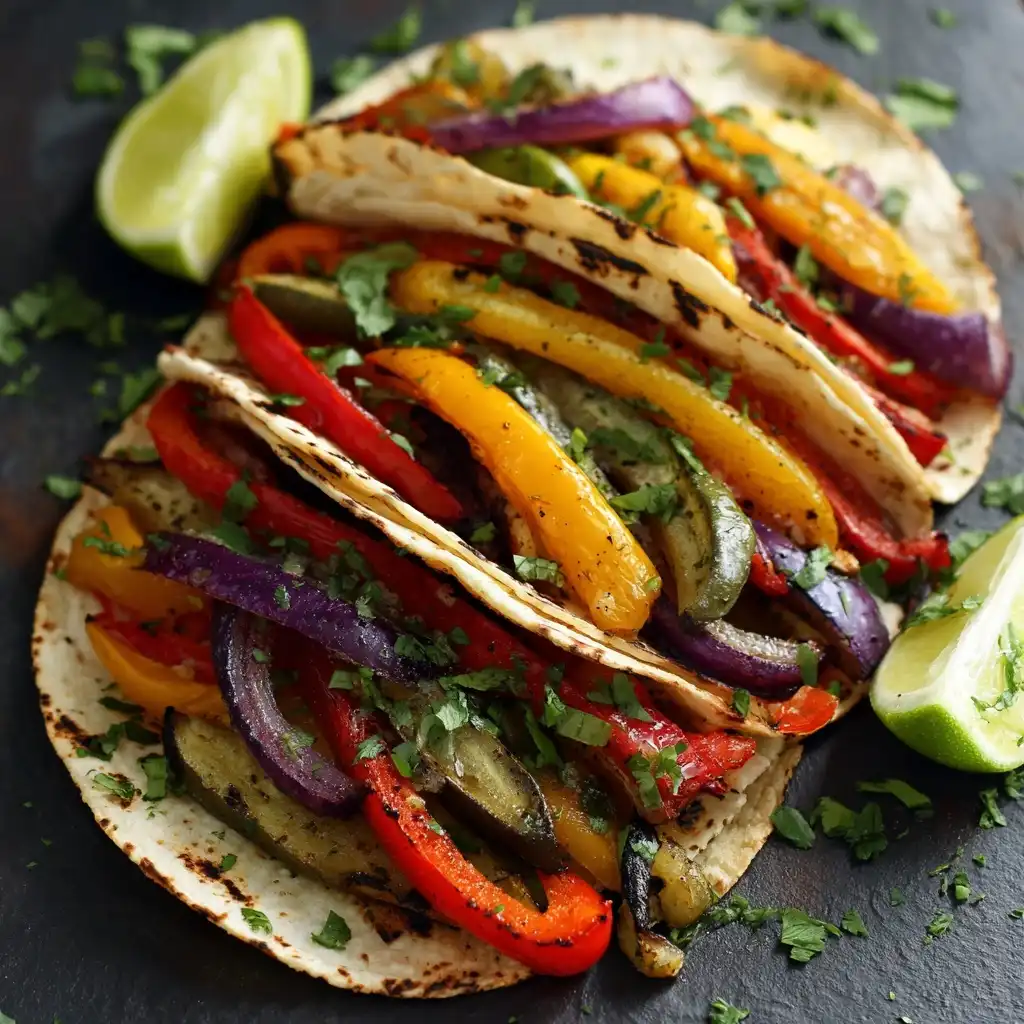
Grilled Veggie Fajita Tacos are a vibrant, flavorful, and nutritionally rich celebration of plant-powered cooking—blending the smoky char of open-flame grilling with the bold, zesty essence of traditional Tex-Mex fajitas. Unlike conventional meat-based versions, these tacos spotlight seasonal vegetables as the star, transforming bell peppers, onions, zucchini, mushrooms, and more into tender-crisp, caramelized masterpieces kissed by citrus, cumin, smoked paprika, and fresh herbs. Perfect for weeknight dinners, weekend entertaining, or Meatless Monday inspiration, they’re endlessly adaptable, naturally gluten-free (with appropriate tortillas), and deeply satisfying without compromising on authenticity or excitement. Whether you’re a longtime vegetarian, a flexitarian exploring more plant-forward meals, or simply craving something colorful, fresh, and full of texture and soul, these grilled veggie fajita tacos deliver—with ease, elegance, and unmistakable fiesta flair.
The History
Fajitas trace their roots to the ranch lands of South Texas in the early-to-mid 20th century, where Mexican vaqueros (cowboys) repurposed less-prized cuts of beef—particularly skirt steak—as portable, hearty meals cooked over open fires. The word “fajita” derives from the Spanish *faja*, meaning “strip” or “belt,” referencing both the cut of meat and the way ingredients were traditionally wrapped in warm tortillas. While the dish evolved commercially in the 1970s—popularized by Texas restaurants like Ninfa’s in Houston—the true spirit of fajitas lies in simplicity, fire, and freshness: sizzling hot ingredients served family-style with warm tortillas and vibrant garnishes.
Vegetarian adaptations emerged organically as home cooks and chefs began applying the same principles—high-heat searing, bold spice rubs, and quick-cooking techniques—to vegetables. The rise of grill culture, farm-to-table awareness, and increased demand for plant-based dining accelerated this evolution. Today, Grilled Veggie Fajita Tacos honor that heritage while embracing modern values: sustainability, dietary inclusivity, and culinary creativity. They’re not a compromise—they’re a reimagining grounded in tradition, elevated by intention, and rooted in the universal joy of food shared around fire and flavor.
Ingredients Breakdown
Every element in this recipe serves a distinct purpose—balancing sweetness, acidity, umami, heat, aroma, and texture. Here’s why each ingredient matters:
- Bell Peppers (Red, Yellow, Orange): Provide natural sweetness, vibrant color, and crisp-tender structure when grilled. Red peppers offer the deepest sweetness and highest lycopene content; yellow and orange add nuanced fruitiness and visual contrast.
- Red Onion: Delivers sharp, pungent bite when raw—but transforms into mellow, jammy sweetness when grilled. Its high sulfur content contributes depth and complexity to the overall savory profile.
- Zucchini & Yellow Squash: Offer mild, buttery notes and excellent moisture retention. Their high water content helps steam slightly in the grill basket or skewers, yielding tender yet defined pieces—not mushy.
- Crimini or Portobello Mushrooms: Introduce deep umami and meaty texture. Their porous surface absorbs marinade beautifully and develops rich, roasted flavor under high heat.
- Smoked Paprika: Imparts subtle campfire smokiness—essential for mimicking the char of traditional fajita grilling without needing liquid smoke.
- Ground Cumin: Earthy, warm, and slightly nutty—cumin is the aromatic backbone of fajita seasoning, enhancing vegetable sweetness while anchoring spices.
- Chili Powder (Ancho-based preferred): Adds gentle heat and fruity, raisin-like undertones. Ancho chili powder (dried poblano) offers depth without overwhelming spice—ideal for balancing delicate vegetables.
- Fresh Lime Juice: Brightens and lifts all other flavors, cutting through richness and amplifying herbal notes. Added both before and after grilling for layered acidity.
- Avocado Oil or High-Heat Olive Oil: With smoke points above 400°F (204°C), these oils prevent burning during high-heat grilling while carrying fat-soluble flavors like cumin and paprika.
- Fresh Cilantro & Lime Wedges (for serving): Add aromatic freshness and acidity that balance the smoky-savory base. Cilantro’s aldehyde compounds interact uniquely with lime to create a signature “bright green” finish.
- Warm Tortillas (Corn or Flour): Serve as the edible vessel—and crucial textural counterpoint. Corn tortillas offer earthy, slightly nutty flavor and structural integrity; flour tortillas provide pliability and comforting softness. Toasting them lightly on the grill adds subtle char and prevents tearing.
Optional but highly recommended additions include pickled red onions (for tangy crunch), crumbled cotija or queso fresco (for salty creaminess), and sliced jalapeños (for clean, vegetal heat).
Step-by-Step Recipe
- Prep the Vegetables (15 minutes): Wash and thoroughly dry all produce. Slice bell peppers into ½-inch-wide strips, removing seeds and membranes. Halve and slice red onion into ¼-inch half-moons. Trim ends off zucchini and yellow squash; cut lengthwise into ¼-inch planks, then halve crosswise. Wipe mushrooms clean; slice portobellos ¼-inch thick (stems removed); quarter crimini mushrooms if large. Place all in a large non-reactive bowl (glass or stainless steel).
- Make the Fajita Marinade (5 minutes): In a small bowl, whisk together ¼ cup avocado oil, 3 tbsp fresh lime juice, 2 tbsp minced garlic, 1 tbsp smoked paprika, 1½ tsp ground cumin, 1½ tsp ancho chili powder, 1 tsp dried oregano, 1½ tsp kosher salt, ½ tsp freshly ground black pepper, and ½ tsp chipotle powder (optional, for smoky heat). Taste marinade—it should be bold, balanced, and slightly assertive (flavors will mellow during grilling).
- Marinate the Veggies (20–30 minutes): Pour marinade over vegetables. Using clean hands or tongs, gently toss until every piece is evenly coated. Let sit at room temperature—no longer than 30 minutes. (Over-marinating can draw out too much moisture and cause steaming instead of charring.)
- Preheat the Grill (10 minutes): Heat a gas or charcoal grill to medium-high (400–450°F / 204–232°C). Clean grates thoroughly and oil generously using tongs and a folded paper towel dipped in oil. For stovetop grilling, preheat a cast-iron grill pan over medium-high heat until smoking lightly.
- Grill in Batches (12–16 minutes total): Arrange vegetables in a single layer on the grill—avoid overcrowding. Start with denser items: onions and peppers go first (4–5 min per side), followed by mushrooms (3–4 min per side), then zucchini/squash (2–3 min per side). Use a grill basket or skewers for smaller pieces. Rotate occasionally for even char. Vegetables are done when edges are deeply caramelized, interiors are tender-crisp (not limp), and juices begin to bubble slightly. Remove each batch as it finishes and place on a rimmed baking sheet or large platter.
- Rest & Finish (3 minutes): Let grilled vegetables rest 2–3 minutes—this allows flavors to settle and excess steam to escape. Squeeze remaining 1 tbsp lime juice over the top and sprinkle with ¼ cup chopped fresh cilantro. Gently toss once more.
- Warm the Tortillas (2 minutes): Wrap corn or flour tortillas in damp paper towels, then microwave for 45 seconds—or heat individually on the grill for 15–20 seconds per side until soft and pliable with light toast marks.
- Assemble & Serve Immediately: Spoon ¼–⅓ cup grilled veggies onto each warm tortilla. Top generously with garnishes: crumbled cotija, pickled red onions, sliced avocado or guacamole, extra cilantro, lime wedges, and optional jalapeño slices. Fold or roll and serve with extra lime wedges and a small bowl of reserved marinade or chipotle crema for drizzling.
Tips
- Dry Your Veggies Thoroughly: Excess moisture is the enemy of grill marks. After washing, pat all vegetables completely dry with clean kitchen towels—especially mushrooms and zucchini.
- Uniform Sizing Is Key: Cut vegetables to similar thicknesses so they cook at the same rate. Thin slices char quickly; thick ones stay raw inside.
- Don’t Skip the Oil in Marinade: Oil isn’t just for flavor—it creates a protective barrier that prevents sticking and promotes even browning. Too little oil = steamed, not grilled.
- Use a Grill Basket or Skewers: Especially helpful for smaller items like mushrooms or squash cubes. Soak wooden skewers in water for 30 minutes beforehand to prevent burning.
- Resist Overcrowding: Crowded grates lower temperature and trap steam. Grill in batches—even if it takes longer—for superior caramelization.
- Char > Burn: Look for deep golden-brown edges—not blackened ash. If flare-ups occur, move veggies to a cooler part of the grill temporarily.
- Add Fresh Herbs Last: Stir in cilantro *after* grilling to preserve its bright, volatile oils. Adding it before can dull its flavor and turn it bitter under heat.
- Toast Tortillas Twice: Lightly toast them on the grill *before* filling, then again briefly *after* adding fillings for enhanced structure and aroma.
- Prep Garnishes Ahead: Make pickled onions, guacamole, or chipotle crema earlier in the day. Cold, crisp toppings provide essential contrast to warm, smoky veggies.
- Serve Family-Style: Lay out warm tortillas, grilled veggies, and garnishes on a large wooden board or platter. Encourages interaction, customization, and keeps everything at ideal temperature.
Variations and Customizations
This recipe is a canvas—designed to reflect your pantry, preferences, seasonality, and dietary needs. Explore these inspired twists:
Produce Variations
- Summer Garden: Add grilled corn kernels (cut from cob), cherry tomatoes (halved), and eggplant rounds.
- Fall Harvest: Swap in sliced delicata squash, roasted sweet potato cubes (par-cooked), and caramelized fennel bulb.
- Winter Greens: Toss in baby bok choy halves or broccolini florets—grill just until stems are tender-crisp (2–3 min).
- Umami Boost: Include grilled tofu slabs, tempeh strips, or marinated seitan—add during last 4 minutes of grilling.
Spice & Flavor Profiles
- Smoky Chipotle: Replace ½ tsp ancho powder with 1 tsp adobo sauce + ½ tsp chipotle powder.
- Lemon-Herb Mediterranean: Swap lime for lemon juice; replace cumin/smoked paprika with 1 tbsp za’atar and 1 tsp sumac.
- Thai-Inspired: Use coconut aminos instead of salt, add 1 tbsp grated ginger + 1 tsp lemongrass paste, and finish with Thai basil and crushed peanuts.
- Indian Fusion: Marinate with ghee-infused turmeric, garam masala, and amchur (dry mango powder); serve with mint-cilantro chutney.
Dietary Adaptations
- Gluten-Free: Use certified GF corn tortillas (many store-bought brands now offer these) and verify all spice blends are GF (some chili powders contain wheat fillers).
- Vegan: Naturally compliant—just ensure cheese substitutes (if used) are plant-based (e.g., almond-based queso or cashew cotija).
- Low-Carb/Keto: Serve grilled veggies over cauliflower rice or lettuce cups; omit tortillas entirely and use avocado halves as “bowls.”
- Nut-Free: All core ingredients are nut-free; double-check store-bought garnishes like crema or pickles for cross-contamination warnings.
Meal Prep & Leftover Hacks
- Grill Ahead: Cook veggies up to 2 days in advance. Store chilled in airtight container; reheat gently in skillet or air fryer to restore texture.
- Taco Bowls: Layer grilled veggies over quinoa, black beans, shredded romaine, and avocado-lime dressing.
- Fajita Omelets: Fold cooled veggies into fluffy eggs with cheese for breakfast fajitas.
- Grilled Veggie Pizza: Spread refried black beans on naan or flatbread, top with veggies and melted cheese, and broil until bubbly.
- Freeze for Future Use: Blanch and freeze peppers/onions separately; grill from frozen (add 1–2 extra minutes)—ideal for quick weeknight meals.
Health Considerations and Nutritional Value
Grilled Veggie Fajita Tacos are a nutritional powerhouse—naturally low in saturated fat and cholesterol, high in fiber, antioxidants, and phytonutrients, and brimming with vitamins and minerals. A typical serving (2 tacos with 1/4 cup veggies, 2 small corn tortillas, 1 tbsp cotija, ¼ avocado, and lime) provides approximately:
- Calories: ~380–420 kcal
- Fiber: 12–15g (50%+ DV) — supports gut health, satiety, and blood sugar regulation
- Vitamin C: 220–280% DV (from peppers + lime) — boosts immunity and collagen synthesis
- Vitamin A (as beta-carotene): 140–180% DV (red peppers, squash) — vital for vision and skin health
- Potassium: ~950mg (27% DV) — helps balance sodium and supports healthy blood pressure
- Folate (B9): ~35% DV — especially important for cellular repair and prenatal health
- Antioxidants: Lycopene (red peppers), lutein (zucchini), selenium (mushrooms), and quercetin (onions) work synergistically to combat oxidative stress.
Health Notes & Considerations:
- Grilling Safety: Avoid charring to blackened ash—high-heat grilling of vegetables produces negligible harmful compounds (unlike meats, which can form heterocyclic amines). Marinating in lime juice and antioxidant-rich spices further reduces any risk.
- Sodium Awareness: This recipe uses only 1½ tsp kosher salt for ~8 servings—well within daily limits (~1,500–2,300 mg). Reduce by 25% if needed; boost flavor with extra lime, smoked paprika, or nutritional yeast.
- Healthy Fats: Avocado oil and avocado provide monounsaturated fats linked to reduced inflammation and improved heart health. Cotija adds calcium and protein without excessive saturated fat (1 tbsp = ~1.5g sat fat).
- Gut-Friendly: High fiber + fermented garnishes (pickled onions, kimchi-style slaw) support diverse microbiome health.
- Low Glycemic Impact: Non-starchy vegetables and whole-grain/corn tortillas yield slow, steady glucose release—ideal for metabolic health and sustained energy.
- Allergen-Friendly: Naturally free of dairy (if omitting cheese), eggs, soy (if using avocado oil), tree nuts, and shellfish—making it accessible for many common sensitivities.
Ingredients
Makes 6–8 servings (12–16 tacos)
- 2 large red bell peppers, seeded and sliced into ½-inch strips
- 1 large yellow bell pepper, seeded and sliced
- 1 large orange bell pepper, seeded and sliced
- 1 large red onion, halved and sliced ¼-inch thick
- 2 medium zucchini, trimmed and sliced lengthwise into ¼-inch planks, then halved
- 2 medium yellow squash, prepared same as zucchini
- 8 oz cremini mushrooms, wiped and quartered (or 2 large portobello caps, stemmed and sliced ¼-inch thick)
- ¼ cup avocado oil or high-heat olive oil
- ¼ cup fresh lime juice (about 2–3 limes), divided
- 2 tbsp fresh garlic, finely minced (about 4–5 cloves)
- 1 tbsp smoked paprika
- 1½ tsp ground cumin
- 1½ tsp ancho chili powder
- 1 tsp dried oregano (Mexican preferred)
- 1½ tsp kosher salt (or 1 tsp table salt)
- ½ tsp freshly ground black pepper
- ½ tsp chipotle powder (optional, for smoky heat)
- ¼ cup fresh cilantro leaves, roughly chopped
- 12–16 small corn tortillas (6-inch) or flour tortillas, warmed
- For Serving: Crumbled cotija or queso fresco, sliced avocado or guacamole, pickled red onions, lime wedges, fresh jalapeño slices, extra cilantro
Directions
- In a large mixing bowl, combine bell peppers, red onion, zucchini, yellow squash, and mushrooms.
- In a separate small bowl, vigorously whisk together avocado oil, 3 tablespoons lime juice, minced garlic, smoked paprika, cumin, ancho chili powder, oregano, kosher salt, black pepper, and chipotle powder (if using) until fully emulsified.
- Pour marinade over vegetables and toss gently but thoroughly with clean hands or tongs until evenly coated. Let sit at room temperature for 20–30 minutes—no longer.
- Preheat grill or grill pan to medium-high (400–450°F). Clean and oil grates generously.
- Arrange vegetables in a single layer on hot grill. Cook without moving for 4–5 minutes to develop grill marks. Flip and cook until tender-crisp and deeply caramelized—approximately 3–5 more minutes depending on vegetable type. Rotate or shift as needed for even cooking. Remove each vegetable group as it finishes and transfer to a large rimmed baking sheet or platter.
- Let grilled vegetables rest 2–3 minutes. Drizzle with remaining 1 tablespoon lime juice and sprinkle with chopped cilantro. Gently toss once.
- Warm tortillas directly on grill for 15–20 seconds per side until soft and lightly toasted, or wrap in damp towel and microwave 45 seconds.
- To serve, spoon about ¼–⅓ cup grilled vegetables onto each warm tortilla. Top with desired garnishes. Fold or roll and serve immediately with extra lime wedges on the side.
FAQ
- Can I make these in the oven if I don’t have a grill?
- Absolutely! Preheat oven to 450°F (232°C). Line two large rimmed baking sheets with parchment or foil. Toss marinated veggies in batches (don’t overcrowd) and spread in single layers. Roast 20–25 minutes, flipping halfway, until edges are deeply browned and centers are tender-crisp. Broil 1–2 minutes at end for extra char if desired.
- What’s the best oil for grilling vegetables?
- Avocado oil is ideal—smoke point ~520°F, neutral flavor, rich in heart-healthy monounsaturates. Refined olive oil (smoke point ~465°F) also works well. Avoid unrefined/extra-virgin olive oil for high-heat grilling—it can burn and taste bitter.
- How do I prevent vegetables from sticking to the grill?
- Three keys: (1) Clean, scorching-hot grates; (2) Generous oiling of grates *and* vegetables; (3) Letting veggies sear undisturbed for full 4+ minutes before flipping. If they resist lifting, wait another 30–60 seconds—they’ll release naturally when properly caramelized.
- Can I prep this ahead for a party?
- Yes! Marinate veggies up to 30 minutes ahead (store covered in fridge if longer than 10 min at room temp). Grill just before serving for peak texture and aroma. Warm tortillas and set up garnish bar 15 minutes prior—guests love building their own.
- Are corn tortillas better than flour for fajitas?
- It depends on preference and dietary needs. Corn tortillas are gluten-free, earthier in flavor, and hold up beautifully to juicy fillings when double-warmed. Flour tortillas offer stretch, softness, and familiarity—great for beginners or kids. For authenticity and structure, we recommend 6-inch blue or white corn tortillas, toasted on both sides until pliable and lightly blistered.
- Why does my grilled veggie fajita mix taste bland sometimes?
- Most often due to under-seasoning or insufficient acid. Vegetables need generous salt to amplify natural sweetness—and lime juice must be added *both* before (to penetrate) and after (to brighten). Also, ensure your spices are fresh: ground cumin and paprika lose potency after 6–12 months.
- Can I freeze grilled fajita vegetables?
- Yes—but best used within 2 weeks for optimal texture. Cool completely, portion into airtight freezer bags (remove excess air), and freeze flat. Thaw overnight in fridge or reheat directly from frozen in a skillet over medium heat with a splash of water or broth to refresh moisture.
- What protein can I add without losing the vegetarian integrity?
- Stick with plant-based powerhouses: black beans (rinsed and warmed), grilled tempeh strips, marinated baked tofu, or seasoned lentils. Avoid processed mock meats unless certified non-GMO and low-sodium—whole-food proteins align best with the recipe’s clean, vibrant ethos.
- How spicy are these by default?
- Mild-to-medium—primarily from ancho chili powder, which is fruity and earthy rather than fiery. Chipotle powder adds warmth but not intense heat. To increase spice, add ½ tsp cayenne with marinade or serve with pickled jalapeños or a drizzle of habanero hot sauce.
- Can kids enjoy these?
- Yes! Skip chipotle and reduce chili powder by half. Emphasize sweet peppers and zucchini, serve with mild guac and cheese, and let them assemble their own. The natural sweetness and fun taco format make them a hit with picky eaters—and a stealthy way to pack in nutrients.
Summary
Grilled Veggie Fajita Tacos are a celebration of fire, flavor, and freshness—transforming humble seasonal vegetables into a restaurant-worthy, nutritionally dense, and deeply satisfying meal anchored by bold Tex-Mex spices, vibrant acidity, and irresistible smoky char.
Effortlessly customizable, diet-inclusive, and perfect for any occasion—from quick weeknight suppers to festive gatherings—these tacos prove that plant-based eating doesn’t mean sacrificing excitement, authenticity, or soul-satisfying deliciousness.