Introduction
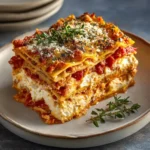
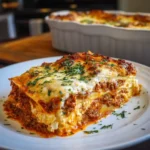
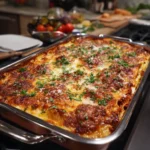
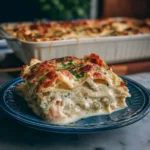
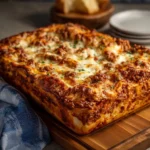
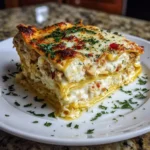
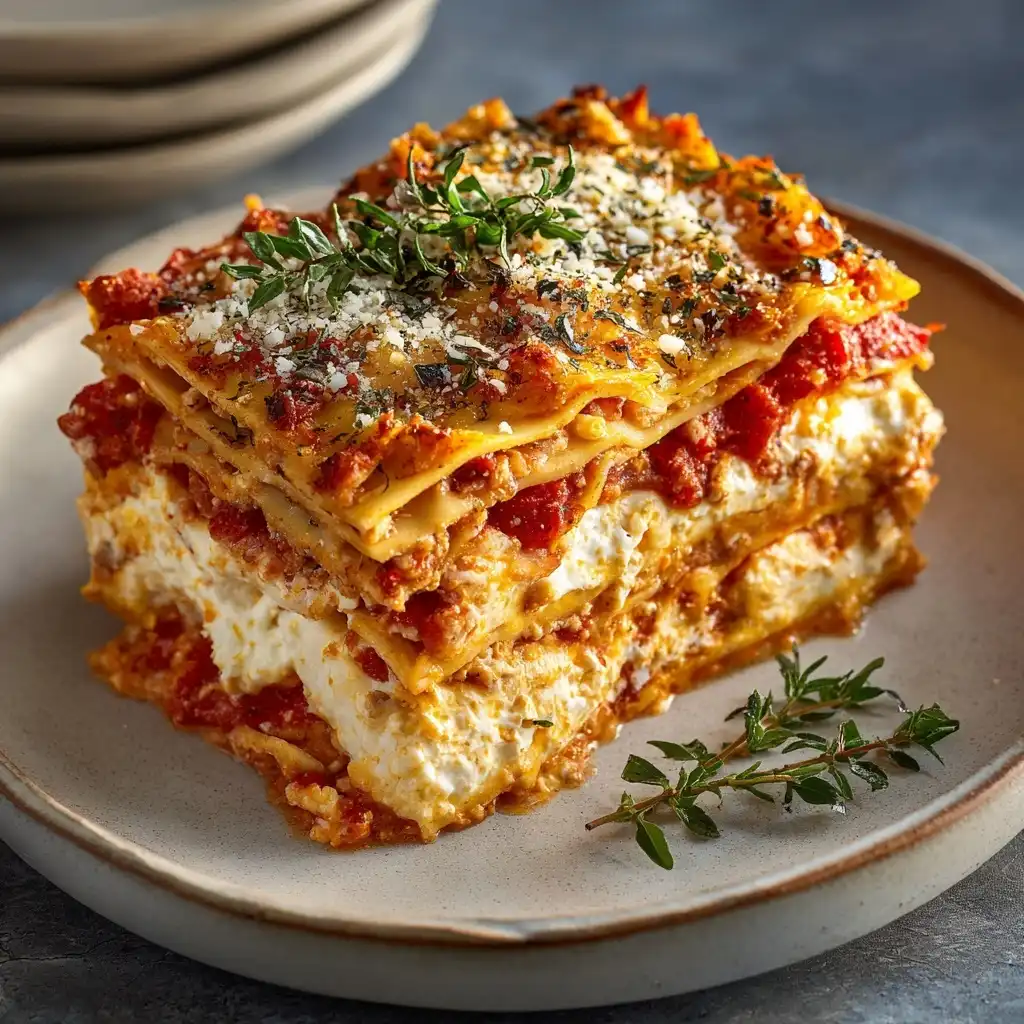
Herbed Ricotta and Tomato Lasagna is a modern, elevated take on the beloved Italian classic—striking the perfect balance between creamy richness, vibrant acidity, and aromatic herbaceousness. Unlike traditional versions that rely heavily on meat or béchamel, this rendition celebrates simplicity, freshness, and layered texture: silken ricotta infused with garden-fresh herbs nestles between tender lasagna noodles and slow-simmered San Marzano tomato sauce, crowned with golden, bubbling mozzarella and a whisper of Parmigiano-Reggiano. It’s comfort food reimagined—elegant enough for dinner parties yet approachable enough for weeknight family meals. Whether you’re a seasoned home cook or new to pasta layering, this recipe delivers depth of flavor without unnecessary complexity, making it a versatile centerpiece for any occasion—from holiday gatherings to cozy Sunday suppers.
The History
Lasagna’s roots stretch back over 700 years—to 13th-century Italy, where early versions appeared in the medieval cookbook Liber de Coquina, describing layered pasta sheets with grated cheese and spices. The word “lasagna” itself derives from the Greek laganon, referring to flat strips of dough, later adopted into Latin as lasanum (a cooking pot), underscoring its evolution as both dish and vessel. While the iconic meat-and-ricotta combination gained popularity in Southern Italy and later in Italian-American communities (especially post-WWII, when ricotta became widely accessible in the U.S.), the herbed ricotta variation reflects a more recent culinary shift toward lighter, herb-forward, vegetable-celebrating interpretations. Chefs like Lidia Bastianich and Mario Batali helped popularize refined ricotta preparations—stirring in lemon zest, fresh basil, parsley, and mint—not merely as filler but as a star ingredient with nuanced texture and brightness. This Herbed Ricotta and Tomato Lasagna honors that lineage: it pays homage to tradition while embracing contemporary sensibilities—seasonality, herb intensity, reduced dairy heaviness, and mindful layering—all hallmarks of today’s Italian-inspired home cooking.
Ingredients Breakdown
Every element in this lasagna serves a distinct structural and sensory purpose—no ingredient is incidental. Let’s explore them in detail:
- Lasagna Noodles: Use oven-ready (no-boil) noodles for ease and consistent absorption, or traditional dried noodles parboiled to al dente. Their starch content helps bind layers and prevents sogginess. Gluten-free brown rice or lentil-based noodles work beautifully for dietary adaptations—just ensure they’re labeled “oven-ready” or pre-cooked per package instructions.
- Ricotta Cheese: Whole-milk ricotta is non-negotiable for creaminess and body. Low-fat versions release excess whey and lack richness. For optimal texture, drain ricotta in a fine-mesh strainer lined with cheesecloth for 30 minutes—this removes residual moisture that could water down layers and compromise structure.
- Fresh Herbs: A triumvirate of basil, parsley, and oregano forms the aromatic backbone. Basil contributes sweet-peppery depth, flat-leaf parsley adds grassy brightness and visual contrast, and dried oregano (used sparingly) lends earthy warmth. Optional additions: 1 tsp finely minced fresh marjoram or a few leaves of lemon thyme for citrus-lifted nuance.
- Tomato Sauce: A slow-simmered, low-sugar San Marzano–based sauce—preferably homemade—is ideal. Canned whole San Marzanos, hand-crushed and cooked with garlic, onion, extra-virgin olive oil, and a splash of red wine vinegar (for brightness), yield unparalleled depth. Avoid overly sweet, commercial “pasta sauces”—they clash with the delicate herbal notes and overwhelm the ricotta’s subtlety.
- Mozzarella: Fresh mozzarella di bufala or high-moisture fior di latte, torn by hand—not shredded—ensures creamy melt and delicate stringiness. Low-moisture mozzarella (shredded) works for convenience but yields a denser, chewier top; combine it with a small amount of burrata or fresh mozz for luxury.
- Parmigiano-Reggiano: Authentic, aged (24+ months), grated-to-order cheese provides umami punch and saline complexity. Pre-grated versions contain anti-caking agents that hinder melting and mute flavor.
- Garlic & Onion: Sautéed slowly until translucent (not browned) in olive oil builds foundational sweetness—essential for balancing tomato acidity.
- Extra-Virgin Olive Oil: Used both in sauce-building and brushed over the final layer before baking, it imparts fruitiness and aids browning. Choose a medium-intensity, peppery Tuscan or Sicilian oil for harmony.
- Egg: A single large egg binds the ricotta mixture, preventing separation during baking. For vegan adaptation, use 1 tbsp ground flaxseed + 2.5 tbsp warm water (let sit 5 mins), though texture will be slightly looser.
- Seasonings: Sea salt, freshly cracked black pepper, and a pinch of red pepper flakes (optional) round out flavor without overpowering. A grating of lemon zest stirred into the ricotta adds a surprising, refreshing lift—highly recommended.
Step-by-Step Recipe
- Prepare the Tomato Sauce (30–45 min ahead): Heat 3 tbsp extra-virgin olive oil in a heavy-bottomed Dutch oven over medium-low heat. Add 1 finely diced yellow onion and 4 minced garlic cloves; sauté gently for 8–10 minutes until soft and fragrant—do not brown. Stir in 28 oz canned San Marzano tomatoes (hand-crushed), ¼ cup dry red wine (e.g., Chianti), 1 tsp sugar (only if tomatoes taste sharply acidic), 1 tsp dried oregano, and ½ tsp red pepper flakes. Simmer uncovered for 25–35 minutes, stirring occasionally, until thickened to a spreadable consistency. Season generously with sea salt and black pepper. Cool slightly before using.
- Drain and Prep the Ricotta: Line a fine-mesh strainer with two layers of cheesecloth or a clean linen napkin; place over a bowl. Add 3 cups whole-milk ricotta and refrigerate for 30 minutes. Discard collected whey.
- Make the Herbed Ricotta Filling: In a large bowl, combine drained ricotta, 1 large egg, ¾ cup freshly grated Parmigiano-Reggiano, ¼ cup finely chopped fresh basil, ¼ cup finely chopped flat-leaf parsley, 1 tsp lemon zest, 1 tsp kosher salt, and ½ tsp black pepper. Gently fold with a spatula until just combined—overmixing warms and deflates the ricotta. Set aside.
- Preheat & Prep Pan: Position rack in center of oven. Preheat to 375°F (190°C). Lightly grease a 9×13-inch deep ceramic or stainless-steel baking dish (avoid dark nonstick pans—they over-brown edges). Pour ¾ cup tomato sauce into dish and spread thinly to coat bottom—this prevents sticking and adds moisture.
- Layer with Precision: Begin with a single layer of uncooked oven-ready noodles (4–5 pieces, slightly overlapping to cover base). Spread ⅓ of ricotta mixture (about 1½ cups) evenly over noodles. Dollop 1 cup tomato sauce over ricotta and gently swirl with a spoon—do not fully cover; allow ricotta peaks to show. Sprinkle with ⅓ of torn fresh mozzarella (approx. 1½ cups) and 2 tbsp Parmigiano. Repeat layers twice more: noodles → ricotta → sauce → mozzarella → Parmigiano. End with a final noodle layer, remaining tomato sauce (smoothed evenly), mozzarella, and a generous ¼ cup Parmigiano-Reggiano.
- Rest and Cover: Drape lightly greased aluminum foil (butter-side down) snugly over dish. Place on a rimmed baking sheet to catch potential bubbles or spills.
- Bake Covered: Bake at 375°F for 40 minutes. The covered phase steams noodles to tenderness and gently sets the ricotta without drying.
- Uncover and Finish: Remove foil. Increase heat to 400°F (200°C). Bake uncovered for 15–20 minutes until top is deeply golden, cheese is blistered and bubbling at edges, and internal temperature reaches 165°F (74°C) when checked with an instant-read thermometer at center.
- Cool Before Slicing: Crucial step! Let lasagna rest, undisturbed, for full 30 minutes. This allows starches to set, cheese to re-emulsify, and layers to stabilize—ensuring clean, intact slices instead of a soupy collapse.
- Garnish and Serve: Just before serving, scatter additional fresh basil ribbons, a drizzle of high-quality olive oil, and flaky sea salt (like Maldon) over the top. Offer extra grated Parmigiano and a small bowl of lemon wedges on the side.
Tips
- Texture Control: If your ricotta feels grainy, pass it through a fine-mesh sieve before mixing—it ensures velvety smoothness.
- Sauce Consistency Check: Ideal tomato sauce should mound slightly on a spoon—not run off. Too thin? Simmer longer. Too thick? Stir in 1–2 tbsp reserved tomato liquid or water.
- Noodle Alignment: Cut oven-ready noodles to fit your pan precisely—no overhang. Slightly overlapping is fine, but avoid stacking or folding, which creates dense, gummy zones.
- Moisture Management: Never skip the initial sauce layer on the pan bottom—it acts as a moisture barrier and prevents scorching. Also, avoid over-saucing middle layers; excess liquid leads to sliding, not layering.
- Cheese Melting Science: Torn fresh mozzarella melts more evenly than shredded because surface area is optimized for contact. Shredded cheese can form a rubbery skin; if using shredded, mix with 1 tbsp softened butter before sprinkling to improve flow.
- Oven Thermometer Essential: Many home ovens run hot or cold. An oven thermometer ensures accurate baking temps—critical for proper noodle hydration and cheese browning.
- Cooling Is Non-Negotiable: Cutting too soon releases steam trapped in layers, causing ricotta to weep and noodles to separate. Set a timer—30 minutes minimum.
- Make-Ahead Magic: Assemble up to 24 hours ahead (unbaked). Cover tightly with plastic wrap, then foil. Refrigerate. Add 10 minutes to covered bake time if going straight from fridge to oven.
- Reheating Right: To reheat leftovers, cover with damp paper towel and microwave in 30-sec bursts—or better: bake at 325°F (160°C), covered, for 20–25 minutes until heated through. Avoid high-heat microwaving—it makes cheese rubbery.
- Leftover Ricotta Hack: Freeze leftover herbed ricotta mixture (up to 2 months) in ice cube trays—pop out cubes to stir into soups, dollop onto pizza, or blend into pancake batter.
Variations and Customizations
This recipe thrives on adaptability—here are inspired, tested variations that maintain structural integrity while expanding flavor horizons:
- Spring Vegetable Lasagna: Fold 1½ cups blanched and finely chopped asparagus, peas, and baby spinach into the ricotta mixture. Add 1 tbsp chopped chives and ½ tsp nutmeg. Replace ½ cup tomato sauce with roasted beet purée for earthy sweetness and stunning magenta veining.
- Mediterranean Herb & Lemon: Swap parsley for mint and add 2 tbsp preserved lemon rind (rinsed and minced). Stir ¼ cup crumbled feta into ricotta. Top final layer with kalamata olives and toasted pine nuts.
- Roasted Garlic & Caramelized Onion: Roast 1 whole head of garlic (drizzled with olive oil, wrapped in foil, baked at 400°F for 40 min) and mash cloves into ricotta. Sauté 2 large onions in 2 tbsp butter + 1 tbsp olive oil until deep amber (45 min); fold into sauce.
- Smoky Eggplant Layer: Roast 1 medium Japanese eggplant (sliced ¼”, tossed with olive oil, salt, smoked paprika) at 425°F for 20 min until tender. Layer roasted slices between ricotta and noodles—adds meaty texture and subtle char.
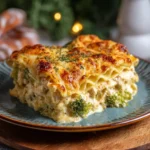
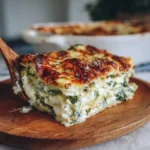
- White Lasagna (No-Tomato): Omit tomato sauce entirely. Use a rich, herb-infused béchamel (made with shallots, garlic, nutmeg, and white wine) and fold roasted mushrooms and wilted Swiss chard into ricotta. Top with fontina and Gruyère.
- Gluten-Free Adaptation: Use certified GF oven-ready noodles (Barilla or Jovial). Ensure all cheeses and sauces are GF-certified (some Parmigiano blends contain cellulose). Add 1 tsp xanthan gum to ricotta mixture to boost binding.
- Vegan Version: Substitute ricotta with blended raw cashews (1½ cups soaked, drained, + ¼ cup lemon juice + 2 tbsp nutritional yeast + 1 tsp white miso + salt), and use vegan mozzarella shreds (Miyoko’s or Daiya) and nutritional yeast instead of Parmigiano. Sauce remains unchanged (check wine for animal-derived fining agents).
- Protein-Powered: Layer 1 cup cooked, crumbled Italian sausage (fennel-seed infused) or lentil-walnut “meat” between noodles and ricotta. Or add ½ cup cooked quinoa to ricotta for extra fiber and bite.
- Dessert Lasagna Twist: Repurpose the technique: replace tomato sauce with spiced pumpkin purée, ricotta with cinnamon-maple mascarpone, and top with candied pecans and bourbon caramel. Yes—it’s divine.
Health Considerations and Nutritional Value
While lasagna is often perceived as indulgent, this Herbed Ricotta and Tomato version offers meaningful nutritional advantages when prepared mindfully:
- Protein-Rich Without Meat: Ricotta provides ~14g protein per cup (whole-milk), plus calcium, phosphorus, and selenium. Combined with Parmigiano and mozzarella, the dish delivers complete, highly bioavailable dairy protein—ideal for muscle maintenance and satiety.
- Antioxidant Powerhouse: San Marzano tomatoes are exceptionally high in lycopene—a fat-soluble carotenoid linked to reduced inflammation and cardiovascular protection. Cooking tomatoes in olive oil dramatically increases lycopene absorption (up to 4× more than raw).
- Herb Benefits Amplified: Fresh basil contains eugenol (anti-inflammatory), parsley is rich in vitamin K (bone health) and apigenin (cellular support), and oregano boasts one of the highest antioxidant ORAC scores among herbs—especially when used raw as garnish.
- Smart Carbohydrates: Oven-ready noodles offer predictable starch hydration—reducing need for excess flour or roux thickeners. Opting for whole-wheat or legume-based noodles boosts fiber (6–8g/serving) and slows glucose response.
- Healthy Fat Profile: Extra-virgin olive oil contributes monounsaturated fats, polyphenols, and oleocanthal (a natural COX inhibitor similar to ibuprofen). Using it in both sauce and finish maximizes benefits.
- Lower Sodium Potential: By preparing sauce from scratch (no canned sauce with 500mg+ sodium per ½ cup), you control salt. Most of the sodium comes from cheese—choose lower-sodium mozzarella or reduce Parmigiano by 1 tbsp per layer if needed.
- Portion-Conscious Serving: A standard 9×13″ pan yields 12 generous servings. Each portion (~1.5 cups) averages: 380–420 kcal, 22g protein, 20g carbs (4g fiber), 24g fat (13g saturated), 450mg calcium, and 20% DV vitamin A. Pair with a large arugula-lemon salad to increase volume, micronutrients, and digestion-supportive enzymes.
- Dietary Accommodations: Naturally suitable for low-sugar, low-carb (reduce noodles to 2 layers, add zucchini ribbons), and Mediterranean diet patterns. Easily adapted for lactose sensitivity by using lactose-free ricotta and aged cheeses (naturally low-lactose).
- What to Moderate: Those managing hypertension should monitor added salt and choose no-salt-added tomatoes. For lower saturated fat, substitute half the ricotta with strained Greek yogurt (full-fat, 2% minimum) — retains creaminess with less fat.
Ingredients
- 3 cups whole-milk ricotta cheese, drained (see Tips)
- 1 large egg
- ¾ cup freshly grated Parmigiano-Reggiano cheese (plus extra for topping)
- ¼ cup finely chopped fresh basil leaves
- ¼ cup finely chopped flat-leaf parsley
- 1 tsp finely grated lemon zest
- 1 tsp kosher salt (or sea salt)
- ½ tsp freshly ground black pepper
- 12 oven-ready (no-boil) lasagna noodles (or 12 traditional noodles, parboiled and drained)
- 3½ cups homemade San Marzano tomato sauce (recipe above)
- 4½ cups fresh mozzarella, torn into 1-inch pieces (about 1 lb)
- 3 tbsp extra-virgin olive oil (plus more for drizzling)
- Flaky sea salt (e.g., Maldon), for finishing
- Additional fresh basil leaves, for garnish
Directions
- Preheat oven to 375°F (190°C). Grease a 9×13-inch baking dish with olive oil.
- In a large bowl, combine drained ricotta, egg, ¾ cup Parmigiano-Reggiano, basil, parsley, lemon zest, salt, and pepper. Stir gently until just combined. Set aside.
- Spread ¾ cup tomato sauce evenly across the bottom of the prepared dish.
- Layer 4 noodles over sauce (slightly overlapping if needed). Spread 1½ cups ricotta mixture evenly over noodles. Dollop 1 cup tomato sauce over ricotta and gently swirl. Scatter 1½ cups mozzarella over sauce. Sprinkle with 2 tbsp Parmigiano.
- Repeat layering twice more: noodles → ricotta → sauce → mozzarella → Parmigiano.
- Top with final 4 noodles. Spread remaining tomato sauce evenly over noodles. Scatter remaining mozzarella and ¼ cup Parmigiano over top. Drizzle with 1 tbsp olive oil.
- Cover tightly with greased aluminum foil. Place dish on a rimmed baking sheet.
- Bake covered for 40 minutes.
- Remove foil. Increase oven temperature to 400°F (200°C). Bake uncovered for 15–20 minutes, until top is golden-brown and bubbly around edges.
- Remove from oven and let rest, undisturbed, for 30 minutes.
- Before serving, garnish with fresh basil ribbons, a final drizzle of olive oil, flaky sea salt, and extra grated Parmigiano.
FAQ
- Can I use cottage cheese instead of ricotta?
- Yes—but with caveats. Small-curd, full-fat cottage cheese blended until smooth (add 1 tsp lemon juice to brighten) works well. Drain thoroughly first. Texture will be slightly looser, so reduce sauce by ¼ cup per layer and add ½ tsp xanthan gum to filling to stabilize.
- Why does my lasagna turn watery?
- Most commonly due to excess moisture in ricotta (skip draining at your peril), under-reduced sauce (should coat spoon), or cutting too soon. Also verify noodles are truly oven-ready—if using regular noodles, ensure they’re *al dente*, not soft, or they’ll disintegrate and leach starch-water.
- Can I freeze this lasagna?
- Absolutely. Assemble unbaked, wrap *tightly* in plastic wrap, then foil. Freeze up to 3 months. Thaw overnight in fridge before baking—add 10 minutes to covered bake time. For best results, freeze *after* baking: cool completely, slice, wrap individual portions in parchment + foil, and freeze. Reheat covered at 325°F until warmed through.
- What if I don’t have San Marzano tomatoes?
- Use high-quality canned whole plum tomatoes (like Cento or Bianco DiNapoli). Avoid crushed or diced—they often contain calcium chloride, which inhibits thickening. Hand-crush them, and simmer 5–10 minutes longer to concentrate flavor.
- Is there a way to make this gluten-free?
- Yes—use certified gluten-free oven-ready noodles (Jovial or Barilla GF). Double-check all cheese labels (some shredded cheeses contain gluten-derived anti-caking agents) and confirm your tomato sauce is GF (no wheat-based thickeners).
- Can I prepare the ricotta mixture a day ahead?
- Yes—and recommended! Flavors meld beautifully overnight. Store covered in fridge. Stir gently before using; if separation occurs, fold in 1 tsp olive oil to re-emulsify.
- My cheese didn’t brown on top. What went wrong?
- Common causes: oven temp too low (verify with thermometer), foil removed too late (must uncover for last 15+ min), or insufficient top-layer cheese coverage. Next time, broil for 1–2 minutes *after* baking—but watch constantly to prevent burning.
- How do I prevent noodles from sticking together when assembling?
- Work quickly and keep noodles separated with a light dusting of semolina or cornstarch (not flour—it turns gummy). Also, ensure sauce layer beneath each noodle sheet is even—not pooling in spots.
- Can I add spinach to the ricotta?
- Yes—add 1 cup finely chopped, well-drained, cooked spinach (squeeze out *all* water in a clean towel). Stir in at the end—don’t overwork. Adds iron, folate, and earthy depth without compromising texture.
- What wine pairs best with this lasagna?
- A medium-bodied, high-acid red like Chianti Classico or Barbera d’Alba cuts through richness and complements herbs and tomato. For white lovers, try a crisp, mineral-driven Vermentino or dry Rosé from Bandol.
Summary
Herbed Ricotta and Tomato Lasagna is a masterclass in balanced layering—where lush, herb-kissed ricotta harmonizes with slow-simmered tomato sauce and tender noodles, all crowned with golden, molten cheese. It honors centuries of Italian tradition while embracing modern values: freshness, intentionality, and adaptable nourishment.
Whether served at a festive gathering or enjoyed as a soul-soothing weeknight meal, this lasagna delivers restaurant-worthy elegance with home-kitchen practicality—proof that the most memorable comfort foods are those made with care, quality ingredients, and a generous sprinkle of basil.