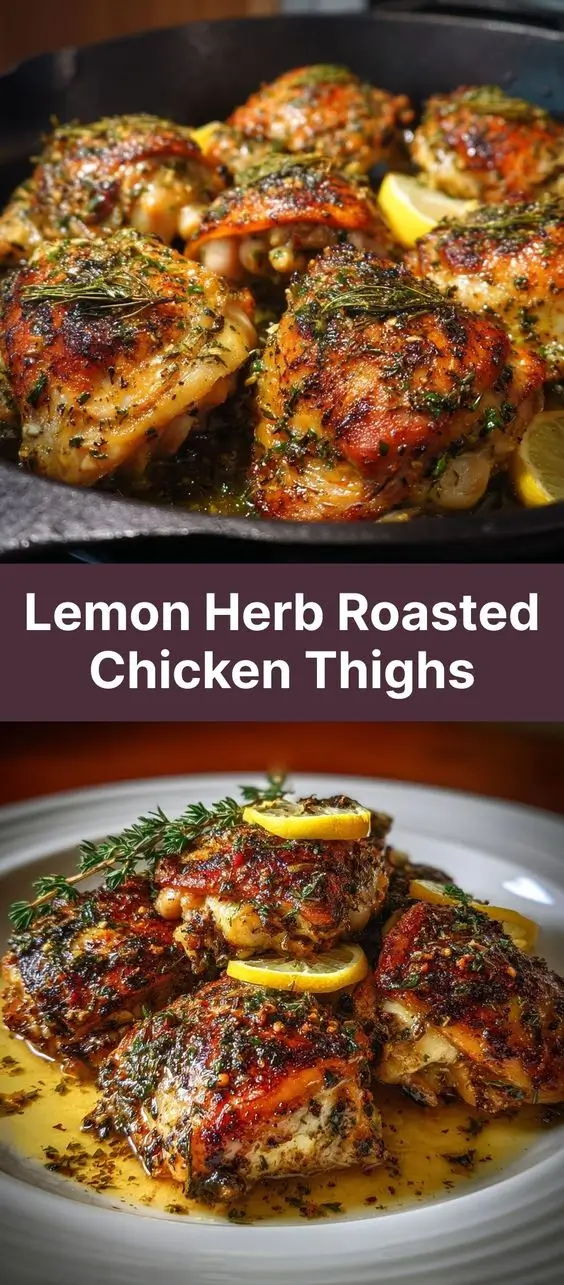
Lemon Herb Roasted Chicken Thighs: A Zesty, Flavor-Packed Classic
The History of Roasted Chicken and Its Global Evolution
Roasted chicken is one of the most universally cherished dishes in culinary history, with roots stretching back to ancient civilizations. Archaeological evidence suggests that chickens were first domesticated over 8,000 years ago in Southeast Asia, primarily for cockfighting, but eventually became a staple food source. By the time of the Roman Empire, roasted chicken was already considered a delicacy, often seasoned with herbs, honey, and wine. In medieval Europe, roasted fowl—especially chicken and game birds—was a centerpiece at noble feasts, symbolizing prosperity and celebration.
As global trade routes expanded, so did the flavor profiles associated with roasted chicken. The introduction of citrus fruits like lemons from the Middle East brought bright acidity to balance the richness of poultry. Herbs such as rosemary, thyme, and oregano, native to the Mediterranean, became essential companions to roasted meats. Over centuries, regional variations emerged: Provençal French cuisine embraced lemon and garlic; Greek cooks incorporated oregano and olive oil; while Middle Eastern versions leaned into sumac and za’atar.
In modern times, Lemon Herb Roasted Chicken Thighs represent a fusion of these traditions—a simple yet sophisticated dish that highlights the natural juiciness of dark meat enhanced by aromatic herbs and tangy citrus. It’s a recipe that transcends borders, beloved in home kitchens from California to Crete, and has become a go-to for both weeknight dinners and Sunday family gatherings. Its enduring popularity lies in its balance of ease, elegance, and deep, layered flavors.
Ingredients Breakdown: Why Each Component Matters
The magic of Lemon Herb Roasted Chicken Thighs lies not just in technique, but in the thoughtful selection and synergy of ingredients. Each element contributes to flavor, texture, moisture retention, and aroma. Let’s explore them in detail:
- Chicken Thighs (Bone-in, Skin-on): Unlike leaner cuts like breasts, thighs contain more fat and connective tissue, which renders during roasting, keeping the meat succulent and rich. The skin crisps beautifully under high heat, creating a golden, crackling exterior that seals in juices. Bone-in pieces also conduct heat more evenly and add depth to the overall flavor.
- Fresh Lemons: Two components are used—zest and juice. The zest contains aromatic essential oils that infuse the marinade with intense citrus fragrance without excessive tartness. The juice provides acidity, which helps tenderize the meat slightly and brightens the entire dish. Freshly squeezed is always best; bottled lemon juice lacks vibrancy and can taste flat or metallic.
- Fresh Garlic: Minced or thinly sliced, garlic becomes sweet and mellow when roasted, transforming from pungent to deeply savory. Raw garlic applied before roasting ensures it permeates the oil and chicken, creating pockets of flavor throughout.
- Fresh Herbs (Rosemary, Thyme, Parsley): Rosemary brings a pine-like, slightly camphorous note that pairs exceptionally well with poultry. Thyme offers earthy, floral undertones, enhancing complexity without overpowering. Parsley, added fresh at the end, gives a clean, grassy finish. Dried herbs can be substituted in a pinch, but fresh ones deliver superior brightness.
- Extra Virgin Olive Oil: Acts as a carrier for flavors, helping distribute herbs and seasonings evenly. It also aids in browning the skin and adds a fruity, peppery richness characteristic of high-quality EVOO.
- Salt and Black Pepper: Kosher salt penetrates the meat, seasoning it from within and improving moisture retention. Coarsely ground black pepper adds subtle heat and complexity. Seasoning generously is key—underseasoned chicken tastes bland no matter how good the other ingredients are.
- Optional Additions: Shallots, red onion wedges, or whole baby potatoes can be roasted alongside the chicken, absorbing pan drippings and becoming caramelized and delicious. A splash of white wine or chicken broth in the roasting pan prevents drying and creates an instant pan sauce.
Step-by-Step Recipe: How to Make Perfect Lemon Herb Roasted Chicken Thighs
Follow this detailed guide to achieve restaurant-quality results every time. This method emphasizes proper preparation, even cooking, and maximum flavor development.
- Prep the Chicken: Start with 4–6 bone-in, skin-on chicken thighs (about 2 to 2.5 pounds total). Pat them thoroughly dry with paper towels—this step is crucial for achieving crispy skin. Remove any excess fat or loose skin.
- Make the Marinade/Herb Paste: In a small bowl, combine the zest of one lemon, 3 tablespoons freshly squeezed lemon juice, 3–4 minced garlic cloves, 2 tablespoons chopped fresh rosemary, 1 tablespoon chopped fresh thyme, ¼ cup extra virgin olive oil, 1½ teaspoons kosher salt, and 1 teaspoon freshly ground black pepper. Mix into a coarse paste.
- Season the Chicken: Using your fingers, gently loosen the skin from the meat by sliding your finger between the skin and thigh, being careful not to tear it. Rub about two-thirds of the herb mixture directly onto the meat beneath the skin. Then coat the outside of the skin with the remaining paste, ensuring full coverage. For deeper flavor, you can marinate the chicken in the refrigerator for 1–4 hours (or up to overnight).
- Prepare the Pan: Preheat your oven to 425°F (220°C). Place a wire rack inside a rimmed baking sheet or use a large cast-iron skillet. If using vegetables (e.g., halved shallots, quartered potatoes, or lemon slices), scatter them on the pan first, drizzling with a little olive oil, salt, and pepper.
- Arrange the Chicken: Place the chicken thighs skin-side up on the rack or directly in the skillet. Tuck garlic cloves and lemon halves (cut side down) around the chicken for added aroma and flavor. Do not overcrowd—leave space between each piece for air circulation.
- Roast: Place in the preheated oven and roast for 35–45 minutes, depending on size. The chicken is done when the internal temperature reaches 165°F (74°C) at the thickest part (not touching bone), and the skin is deep golden brown and crisp. Baste once halfway through with pan juices for extra shine and flavor.
- Rest and Finish: Remove from the oven and let rest for 5–10 minutes. This allows juices to redistribute, ensuring moist meat. Squeeze roasted lemon halves over the chicken for a final burst of citrus. Garnish with chopped fresh parsley.
Pro Tips for Success
- Dry the Skin Well: Moisture is the enemy of crispiness. Always pat chicken dry before applying oil or seasoning.
- Use a Meat Thermometer: Guessing doneness leads to overcooked or undercooked chicken. A digital thermometer eliminates risk and ensures precision.
- Don’t Skip the Rest: Cutting into chicken too soon releases precious juices. Letting it rest improves texture dramatically.
- Broil for Crispiness: If the skin isn’t quite crispy enough after roasting, switch the oven to broil for 2–3 minutes at the end—watch closely to avoid burning.
- Rotate the Pan: Ovens have hot spots. Rotate the baking sheet halfway through for even browning.
- Save the Drippings: The pan juices are liquid gold! Skim off excess fat and use them to drizzle over grains, potatoes, or in sauces.
Variations and Customizations
This recipe is highly adaptable to different palates, dietary needs, and seasonal ingredients. Here are some creative twists:
- Mediterranean Style: Add Kalamata olives, capers, and oregano. Substitute lemon with preserved lemon for a fermented, umami-rich twist.
- French Herbes de Provence: Replace individual herbs with 1 tablespoon of herbes de Provence blend. Add a splash of dry white wine to the pan.
- Spicy Harissa Version: Mix harissa paste (1–2 teaspoons) into the herb rub for a smoky, spicy kick. Pair with couscous and roasted carrots.
- Citrus Variations: Swap lemon for orange, lime, or yuzu. Blood oranges add a subtle sweetness and stunning color.
- Dairy-Free Creamy Sauce: After roasting, deglaze the pan with vegetable broth and a splash of coconut milk or cashew cream for a luscious sauce.
- Low-Carb/Keto Option: Serve with roasted cauliflower, green beans, or a kale salad. Ensure all ingredients are sugar-free.
- Gluten-Free Friendly: Naturally gluten-free, just verify that any store-bought broth or seasoning blends are certified GF.
- Sheet Pan Dinner: Add chopped bell peppers, zucchini, red onions, and baby potatoes to the tray. Toss with olive oil and roast together for a complete meal.
Health Considerations and Nutritional Value
Lemon Herb Roasted Chicken Thighs offer a balanced nutritional profile when prepared mindfully:
- Protein Powerhouse: Chicken thighs provide about 25–28 grams of high-quality protein per 4-ounce serving, supporting muscle repair and satiety.
- Healthy Fats: While darker than chicken breast, thighs contain heart-healthy monounsaturated fats, especially when cooked with olive oil. Removing the skin after cooking reduces saturated fat intake.
- Vitamins & Minerals: Rich in B vitamins (especially B6 and B12), selenium, phosphorus, and iron. These support energy metabolism, immune function, and oxygen transport.
- Lemon Benefits: Vitamin C in lemon boosts iron absorption from the meat and acts as an antioxidant, supporting skin health and immunity.
- Herbal Advantages: Rosemary and thyme contain antioxidants like rosmarinic acid and thymol, which may have anti-inflammatory properties.
- Sodium Note: To reduce sodium, use less salt or substitute with herbs, lemon zest, garlic, and spices like smoked paprika or turmeric. Opt for low-sodium broth if making a pan sauce.
- Portion Control: One or two thighs per person is typically sufficient when served with sides. Balance with fiber-rich vegetables or whole grains for a complete meal.
Nutrition Estimate (per serving, one medium thigh with skin, no sides):
- Calories: ~270
- Protein: 26g
- Fat: 18g (Saturated: 5g)
- Carbohydrates: 1g
- Fiber: 0g
- Sodium: ~400mg (varies based on salt used)
- Vitamin C: 10% DV
- Iron: 8% DV
- B12: 25% DV
Ingredients
- 4–6 bone-in, skin-on chicken thighs (approx. 2–2.5 lbs)
- Zest of 1 large lemon
- 3 tablespoons freshly squeezed lemon juice (from 1–2 lemons)
- 3–4 garlic cloves, minced
- 2 tablespoons fresh rosemary, finely chopped
- 1 tablespoon fresh thyme leaves
- ¼ cup extra virgin olive oil
- 1½ teaspoons kosher salt (or to taste)
- 1 teaspoon freshly ground black pepper
- 1 lemon, halved (for roasting)
- Optional: 1 cup baby potatoes, ½ red onion (quartered), 2 shallots
- Optional garnish: 2 tablespoons chopped fresh parsley
Directions
- Preheat oven to 425°F (220°C). Line a rimmed baking sheet with parchment paper or foil for easy cleanup, and place a wire rack on top. Alternatively, use a large oven-safe skillet.
- Pat chicken thighs dry with paper towels. Place in a large bowl or on a cutting board.
- In a small mixing bowl, whisk together lemon zest, lemon juice, minced garlic, chopped rosemary, thyme, olive oil, salt, and black pepper until well combined.
- Gently lift the skin of each chicken thigh and rub about two-thirds of the herb mixture directly onto the meat underneath. Spread the remaining mixture over the top of the skin.
- If marinating, cover and refrigerate for 1–4 hours (optional but recommended).
- Arrange chicken thighs skin-side up on the wire rack or in the skillet. Scatter optional vegetables and garlic cloves around the chicken. Place lemon halves cut-side down on the pan.
- Raise the oven rack to the middle position and place the pan inside. Roast for 35–45 minutes, rotating the pan halfway through, until skin is golden brown and crispy, and internal temperature reaches 165°F (74°C).
- Remove from oven and let rest for 5–10 minutes. Squeeze roasted lemon halves over the chicken and sprinkle with fresh parsley before serving.
FAQ
Can I use boneless, skinless chicken thighs?
Yes, but cooking time will decrease to 20–25 minutes. However, you’ll lose the crispiness and depth of flavor from the skin and bone. Consider broiling briefly at the end to brown the surface.
Can I make this ahead of time?
Absolutely. Marinate the chicken up to 24 hours in advance. You can also fully cook, cool, and refrigerate for up to 3 days. Reheat gently in a 325°F oven until warmed through (do not microwave, as it makes the skin soggy).
How do I store leftovers?
Store cooled chicken in an airtight container in the refrigerator for up to 4 days. Freeze for up to 3 months—though texture may degrade slightly upon thawing.
Why is my chicken skin not crispy?
Common causes: not dried properly before seasoning, oven not hot enough, overcrowded pan, or covered during cooking. Ensure the oven is fully preheated and avoid covering unless preventing over-browning.
Can I use dried herbs instead of fresh?
Yes, but use one-third the amount (e.g., 2 teaspoons dried rosemary instead of 2 tablespoons fresh). Fresh herbs are preferred for their vibrant flavor and aroma.
Is this recipe dairy-free and gluten-free?
Yes, as written, it contains no dairy or gluten. Always check labels on any optional additions like broth or seasoning blends.
What sides pair well with this dish?
Excellent pairings include garlic mashed potatoes, quinoa pilaf, roasted vegetables, arugula salad with shaved Parmesan, or crusty bread to soak up the juices.
Summary
Lemon Herb Roasted Chicken Thighs deliver juicy, flavorful meat with crispy skin, elevated by bright citrus and fragrant herbs—perfect for everyday meals or special occasions. Simple to prepare yet impressive in presentation, this versatile dish adapts beautifully to various cuisines and dietary preferences.