Introduction
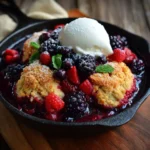
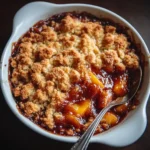
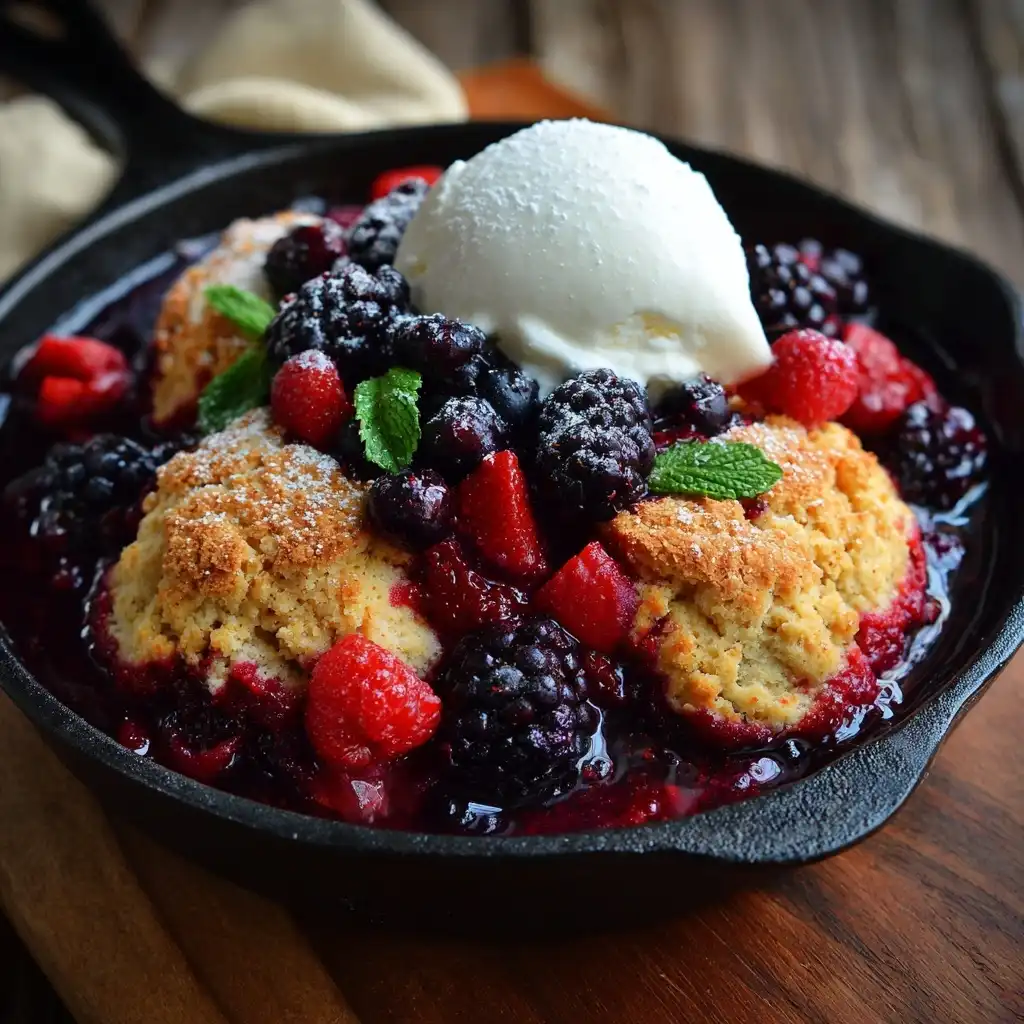
Welcome to the warm, comforting world of Mixed Berry Biscuit Cobbler — a timeless American dessert that marries the vibrant tart-sweetness of seasonal berries with the golden, flaky tenderness of homemade drop biscuits. Unlike traditional cobblers that rely solely on a biscuit or cake-like topping, this version celebrates the rustic charm of tender, buttery biscuits gently nestled atop a bubbling, jewel-toned berry filling — creating a harmonious balance of textures and flavors in every bite. Whether served straight from the oven with a scoop of vanilla ice cream melting into its steamy crevices or enjoyed the next day slightly warmed with a drizzle of honey-cream, Mixed Berry Biscuit Cobbler evokes nostalgia, homegrown abundance, and effortless elegance. It’s more than just dessert — it’s an invitation to slow down, savor the season, and share something deeply nourishing with loved ones.
The History
The origins of cobbler stretch back centuries — rooted in early English culinary traditions where “cobbled” or rough-textured pastry-topped fruit desserts were baked in hearths and Dutch ovens. When British settlers arrived in colonial America, they adapted these recipes using locally available fruits and simpler techniques, giving rise to what we now recognize as the American cobbler. By the 19th century, cobblers had become staples across rural kitchens — especially in the South — where stone fruits like peaches and berries grown in backyard gardens were transformed into hearty, oven-baked treats. The biscuit-topped variation gained popularity during the Great Depression and WWII era, when ingredients like baking powder, buttermilk, and lard were more accessible than refined puff pastry or yeast doughs. Biscuits offered structure, richness, and satisfying heft — ideal for stretching limited resources while delivering comfort and sustenance. Over time, mixed berries — a natural medley of blackberries, raspberries, blueberries, and strawberries — emerged as a beloved filling, reflecting regional harvests and the growing appreciation for antioxidant-rich, naturally vibrant fruits. Today, Mixed Berry Biscuit Cobbler stands as both a culinary heirloom and a canvas for modern creativity — bridging heritage technique with contemporary sensibilities around seasonality, whole-food ingredients, and mindful indulgence.
Ingredients Breakdown
Understanding each ingredient’s role ensures success — and elevates flavor, texture, and structural integrity:
- Fresh Mixed Berries (4 cups total): A dynamic blend of blackberries (earthy depth), raspberries (bright acidity), blueberries (jammy sweetness and thickening pectin), and sliced strawberries (juicy brightness and floral notes). Using peak-season, locally sourced berries yields superior flavor and less excess water. Frozen berries work well too — just do not thaw before use to avoid mushiness and premature juice release.
- Granulated Sugar (¾ cup, plus more for sprinkling): Provides sweetness and aids caramelization of the berry juices. Adjust downward if berries are very ripe or sweet; increase slightly for tart varieties like wild blackberries.
- Light Brown Sugar (¼ cup, packed): Adds subtle molasses warmth, moisture retention, and enhances browning in the filling. Its acidity also helps preserve berry color and brightens overall flavor.
- Cornstarch (¼ cup): The ideal thickener for fruit fillings — neutral in flavor, clear when cooked, and highly effective at binding juices without cloudiness or grittiness. Tapioca starch or arrowroot can substitute 1:1, though cornstarch offers superior heat stability for longer bakes.
- Lemon Juice (2 tbsp fresh): Balances sweetness, intensifies berry aroma, prevents browning of cut strawberries, and activates pectin for optimal gel formation.
- Lemon Zest (1 tsp finely grated): Imparts aromatic citrus oil that lifts the entire filling — essential for complexity and freshness.
- Unsalted Butter (2 tbsp, cold and cubed): Adds luxurious mouthfeel and richness to the filling while helping create glossy, cohesive syrup as it melts into the bubbling fruit.
- All-Purpose Flour (2 cups): Forms the base of the biscuit dough — provides gluten structure for lift and tenderness. For extra tenderness, replace up to ¼ cup with cake flour; for added nutrition, substitute ⅓ cup with white whole wheat flour.
- Baking Powder (1 tbsp): The primary leavening agent — must be fresh (less than 6 months old) for maximum rise and airy crumb. Double-acting variety ensures both initial and oven-spring lift.
- Baking Soda (¼ tsp): Works synergistically with buttermilk’s acidity to enhance browning, tenderness, and subtle tang — especially important for balanced biscuit flavor.
- Granulated Sugar (¼ cup): Sweetens the biscuits subtly and promotes golden-brown crust development via Maillard reaction.
- Salt (1 tsp fine sea salt): Enhances all other flavors and tempers sweetness — crucial for dimensional taste in both filling and topping.
- Unsalted Butter (½ cup, very cold and cubed): The heart of biscuit tenderness — cold fat creates steam pockets during baking, yielding flaky, layered texture. Cut into ¼-inch cubes and chill for 10 minutes before mixing.
- Buttermilk (¾ cup, well-shaken): Adds acidity for leavening activation, tangy depth, moisture, and tenderizing power. Full-fat buttermilk delivers best results; low-fat versions may yield drier biscuits. For dairy-free, use cultured coconut milk or lemon-milk substitute (1 tsp lemon juice + ¾ cup unsweetened almond milk, rested 5 min).
- Heavy Cream (2 tbsp, for brushing): Encourages deep golden color, rich sheen, and delicate crispness on biscuit tops. Optional but highly recommended.
- Coarse Turbinado Sugar (2 tbsp): Sprinkled over biscuits before baking for delightful crunch, visual appeal, and nuanced caramelized sweetness.
Step-by-Step Recipe
- Preheat & Prep: Position oven rack in the lower third. Preheat oven to 375°F (190°C). Lightly grease a 9×13-inch ceramic or metal baking dish (or two 8×8-inch dishes for portion control). Line a baking sheet with parchment for biscuit prep.
- Prepare the Berry Filling: In a large non-reactive bowl, combine all 4 cups mixed berries. Gently toss with granulated sugar, brown sugar, cornstarch, lemon juice, lemon zest, and salt until evenly coated. Let macerate 15–20 minutes at room temperature — you’ll notice juices beginning to pool and thicken slightly. Stir in cold butter cubes, distributing evenly. Transfer mixture to prepared baking dish, spreading into an even layer. Set aside while making biscuits.
- Mix Dry Biscuit Ingredients: In a spacious mixing bowl, whisk together flour, baking powder, baking soda, ¼ cup granulated sugar, and 1 tsp salt until fully aerated and lump-free. Ensure no pockets of leavening remain — this guarantees even rise.
- Cut in the Butter: Add chilled, cubed butter to dry ingredients. Using a pastry cutter, two forks, or fingertips, work butter into flour until mixture resembles coarse crumbs with some pea-sized pieces remaining. This step is critical — overworking creates tough biscuits; underworking yields greasy, dense ones. Chill mixture for 5 minutes if butter begins to soften.
- Combine Wet Ingredients: In a separate measuring cup, pour buttermilk and give it a vigorous stir. Optional: add 1 tsp vanilla extract or ½ tsp almond extract for aromatic nuance.
- Form the Biscuit Dough: Make a well in center of flour mixture. Pour in buttermilk all at once. Using a silicone spatula or wooden spoon, gently fold — just until dry bits disappear and a shaggy, slightly sticky dough forms. Do not overmix; streaks of flour are acceptable. Fold 4–5 times max. Overmixing develops gluten and leads to chewy, dense biscuits instead of light, tender ones.
- Portion & Place Biscuits: Using a ¼-cup cookie scoop or two spoons, portion dough into 8–10 generous mounds (about ¼–⅓ cup each). Drop directly onto the berry filling, spacing evenly — biscuits will spread and join as they bake. Gently press each mound to flatten slightly (½-inch thickness), but avoid compacting.
- Finish & Bake: Brush tops of biscuits lightly with heavy cream. Sprinkle generously with turbinado sugar. Place dish on middle oven rack. Bake 45–55 minutes — until biscuits are deeply golden brown, spring back when lightly touched, and filling bubbles vigorously around edges (a jammy, thick syrup should bubble through gaps between biscuits). Rotate pan halfway through for even browning. Internal biscuit temperature should read 205–210°F (96–99°C) when tested with an instant-read thermometer.
- Cool & Set: Remove from oven and let rest undisturbed for at least 30 minutes — this allows filling to fully set and prevents runny, soupy results. The residual heat continues gentle thickening. Serve warm, not piping hot, for ideal texture contrast.
Tips
- Chill Everything: Cold butter, cold buttermilk, and even chilling your mixing bowl for 10 minutes beforehand dramatically improve biscuit flakiness and prevent premature fat melting.
- Don’t Skip the Maceration: Allowing berries to sit with sugar and cornstarch draws out juices and begins the thickening process — resulting in a luscious, cohesive syrup rather than watery separation.
- Use a Light Hand: Folding biscuit dough requires gentleness. Use a “fold-turn-fold” motion — never stir or beat. If dough feels overly wet, add 1 tsp flour — but resist adding more unless absolutely necessary.
- Adjust for Altitude: At elevations above 3,000 ft, reduce baking powder by ⅛ tsp, increase oven temperature by 15–25°F, and extend baking time by 5–10 minutes. Monitor closely.
- Test Doneness Correctly: Visual cues matter most — golden tops and active bubbling. If biscuits brown too quickly, tent loosely with foil for final 10–15 minutes.
- Choose the Right Pan: Light-colored metal or ceramic pans distribute heat evenly and promote consistent browning. Dark nonstick pans may cause over-browning on bottoms — if using, reduce oven temp by 25°F.
- Maximize Flavor Depth: Toast 1 tsp lemon zest in 1 tsp melted butter for 30 seconds before stirring into berry mixture — adds incredible aromatic complexity.
- Prevent Soggy Bottoms: Ensure your berry mixture isn’t overly liquid before adding biscuits. If excess juice pools after maceration, drain off 2–3 tbsp (reserve for syrup or discard) — especially important with frozen or very juicy strawberries.
- Make Ahead Smart: Assemble filling up to 24 hours ahead and refrigerate covered. Prepare biscuit dough and refrigerate (wrapped tightly) up to 12 hours — let sit at room temp 10 minutes before scooping. Never freeze unbaked assembled cobbler — biscuits lose lift.
- Storage Wisdom: Store leftovers covered at room temperature up to 2 days, or refrigerate up to 5 days. Reheat individual portions in toaster oven or air fryer (350°F, 6–8 min) to revive crispness — microwaving makes biscuits gummy.
Variations and Customizations
- Gluten-Free Version: Substitute 2 cups certified gluten-free all-purpose flour blend (with xanthan gum) + ¼ tsp additional xanthan gum. Add 1 tbsp ground flaxseed for binding. Use GF-certified cornstarch and ensure all extracts are GF-labeled.
- Vegan Adaptation: Replace butter with cold vegan butter sticks (Miyoko’s or Earth Balance); use unsweetened almond or soy milk + 1 tsp apple cider vinegar (instead of buttermilk); swap brown sugar for coconut sugar; and brush biscuits with maple syrup-thinned plant milk instead of cream.
- Herbal Infusion: Steep 2 tbsp fresh thyme or lavender buds in warm buttermilk for 10 minutes, then strain before using. Pairs beautifully with blackberries and blueberries.
- Spiced Berry Blend: Add ½ tsp ground cardamom + ¼ tsp freshly grated nutmeg to berry filling. Complements raspberries and strawberries with warm, floral notes.
- Maple-Bourbon Twist: Replace 2 tbsp granulated sugar in filling with pure maple syrup, and stir in 1 tbsp bourbon with lemon juice. Adds sophisticated depth and subtle smokiness.
- Crunchy Streusel Hybrid: After dropping biscuits, sprinkle ½ cup brown sugar-oat streusel (½ cup rolled oats, ¼ cup brown sugar, 2 tbsp cold butter, pinch cinnamon) over top before baking for textural contrast.
- Mini Individual Cobblers: Bake in six 6-oz ramekins (reduce bake time to 32–38 minutes). Perfect for dinner parties or portion-controlled servings.
- Autumn Transition: Swap half the berries for peeled, diced apples or pears (tossed with 1 tsp cinnamon and 1 tbsp flour) for a transitional late-summer/fall version.
- Protein Boost: Fold ¼ cup chopped toasted walnuts or pecans into biscuit dough for nutty crunch and satiety — especially delicious with blackberries and blueberries.
- Overnight Biscuit Dough: Mix biscuit dough the night before and refrigerate. Scoop cold dough directly onto berries — yields extra-tender, slightly denser but incredibly flavorful biscuits with enhanced tang.
Health Considerations and Nutritional Value
Mixed Berry Biscuit Cobbler offers surprising nutritional merit when approached mindfully — transforming a classic treat into a nutrient-dense, antioxidant-rich dessert with functional benefits. Berries are among nature’s most potent sources of polyphenols, anthocyanins, and vitamin C — compounds linked to reduced inflammation, improved cardiovascular health, enhanced cognitive function, and blood sugar regulation. Blueberries alone contain over 25 unique anthocyanins, while raspberries deliver exceptional fiber (8g per cup) and ellagic acid — a phytochemical studied for its anticarcinogenic properties. Strawberries contribute folate and potassium, and blackberries offer notable vitamin K and manganese for bone and metabolic health.
The biscuit component, while indulgent, can be optimized: using whole grain or white whole wheat flour increases fiber and B-vitamins; reducing added sugars by 15–20% still yields excellent flavor due to natural berry sweetness; and choosing grass-fed butter or organic cold-pressed oils adds beneficial CLA and omega-3s. Buttermilk contributes probiotics (if live-culture), calcium, and bioavailable phosphorus — supporting gut and skeletal health. From a glycemic perspective, the fiber and acidity in berries help moderate glucose response — especially when paired with healthy fats and protein (e.g., serving with Greek yogurt instead of ice cream).
Nutritionally, a standard serving (1/12 of full recipe, approx. 1 cup) contains roughly: 285–310 kcal, 42g carbohydrates (22g naturally occurring sugars, 10g added sugar), 4g protein, 11g fat (7g saturated), 5g dietary fiber, 120mg calcium, 2.5mg vitamin C, and 280IU vitamin A. To further boost wellness impact, consider: adding chia or ground flax to biscuit dough for omega-3s and fiber; incorporating edible flowers (violets, pansies) for antioxidants and visual joy; or serving with a dollop of skyr or labneh for probiotic + protein synergy. While not a “health food” per se, this cobbler exemplifies how tradition and science can coexist — honoring pleasure while honoring physiology.
Ingredients
For the Mixed Berry Filling:
- 4 cups mixed fresh or frozen berries (blackberries, raspberries, blueberries, and hulled, sliced strawberries — equal parts or adjust to preference)
- ¾ cup granulated sugar
- ¼ cup light brown sugar, packed
- ¼ cup cornstarch
- 2 tablespoons fresh lemon juice
- 1 teaspoon finely grated lemon zest
- 1 teaspoon fine sea salt
- 2 tablespoons unsalted butter, cold and cubed
For the Buttermilk Biscuit Topping:
- 2 cups all-purpose flour (spooned and leveled)
- 1 tablespoon baking powder
- ¼ teaspoon baking soda
- ¼ cup granulated sugar
- 1 teaspoon fine sea salt
- ½ cup unsalted butter, very cold and cut into ¼-inch cubes
- ¾ cup full-fat buttermilk, well shaken (plus extra for consistency check)
- 2 tablespoons heavy cream (for brushing)
- 2 tablespoons coarse turbinado sugar (for sprinkling)
Directions
- Preheat oven to 375°F (190°C). Grease a 9×13-inch baking dish and set aside.
- In a large bowl, combine berries, granulated sugar, brown sugar, cornstarch, lemon juice, lemon zest, and salt. Gently toss until evenly coated. Let sit at room temperature for 15–20 minutes to macerate.
- Stir in cold cubed butter. Pour berry mixture into prepared baking dish and spread evenly. Set aside.
- In another large bowl, whisk together flour, baking powder, baking soda, ¼ cup granulated sugar, and 1 tsp salt.
- Add cold butter cubes. Using a pastry cutter or fingers, cut butter into flour until mixture resembles coarse crumbs with visible pea-sized butter pieces.
- Pour in buttermilk all at once. Gently fold with a spatula just until a shaggy dough forms — about 4–5 folds. Do not overmix.
- Using a ¼-cup cookie scoop or two spoons, portion dough into 8–10 mounds. Drop directly onto berry filling, spacing evenly. Gently flatten each mound to about ½-inch thickness.
- Brush biscuit tops lightly with heavy cream. Sprinkle generously with turbinado sugar.
- Bake for 45–55 minutes, rotating pan halfway through, until biscuits are deep golden brown and filling bubbles vigorously around edges.
- Remove from oven and let cool on a wire rack for at least 30 minutes before serving — this ensures proper setting of the filling.
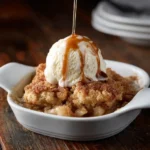
- Serve warm, optionally with vanilla ice cream, whipped cream, crème fraîche, or plain Greek yogurt.
FAQ
- Can I use frozen berries?
- Yes — frozen berries work exceptionally well and often yield more consistent results than off-season fresh berries. Do not thaw before using; toss frozen berries directly into sugar-starch mixture. Expect a slightly longer bake time (add 5–8 minutes) and ensure filling reaches full, thick bubbling before removing.
- Why did my filling turn out runny?
- Most commonly due to insufficient thickener activation (underbaking), using overly ripe or high-moisture berries without draining excess juice, or substituting cornstarch with flour (which requires longer cooking to thicken). Always verify your cornstarch is fresh and bake until syrup bubbles *vigorously* — not just gently simmering.
- Can I make this ahead of time?
- Absolutely. Prepare filling and refrigerate (covered) up to 24 hours. Biscuit dough can be mixed and refrigerated (tightly wrapped) up to 12 hours — let sit at room temperature 10 minutes before scooping. Fully assembled unbaked cobbler does not freeze well — biscuits lose lift and texture.
- My biscuits didn’t rise — what went wrong?
- Possible causes: expired or improperly stored baking powder (test by mixing 1 tsp with ¼ cup hot water — it should fizz vigorously); butter too warm (melted fat won’t create steam pockets); overmixing dough (gluten development inhibits rise); or opening oven door too early (causes heat drop and collapse). Always use fresh leaveners and keep ingredients cold.
- Is there a lower-sugar version?
- Yes — reduce granulated sugar in filling to ½ cup and omit added sugar in biscuits entirely. Rely on ripe berries’ natural sweetness and enhance with extra lemon zest, vanilla, or a splash of orange blossom water. Increase cornstarch to 3 tbsp to compensate for reduced sugar’s thickening effect.
- Can I use oat milk or almond milk instead of buttermilk?
- You can create a buttermilk substitute: add 1 tsp lemon juice or white vinegar to ¾ cup unsweetened, unflavored plant milk. Let sit 5 minutes until slightly curdled. Note: results may be slightly less tender than dairy-based buttermilk, but still delicious — especially with added 1 tsp apple cider vinegar for acidity.
- What’s the best way to reheat leftovers?
- For best texture, reheat individual servings in a toaster oven or air fryer at 350°F for 6–8 minutes until warmed through and tops are crisp again. Avoid microwaving unless necessary — cover loosely with damp paper towel and heat in 20-second bursts. Refrigerated cobbler may be enjoyed cold — the filling firms beautifully.
- Can I double this recipe?
- Yes — use two 9×13-inch pans or one commercial half-sheet pan (18×13 inches). Increase bake time by 5–10 minutes and rotate pans halfway. Check doneness visually — golden biscuits and active bubbling are key indicators.
- Why do you recommend ceramic over glass?
- Ceramic distributes heat evenly and retains it well, promoting consistent biscuit rise and gentle, even bubbling in the filling. Glass can sometimes cause over-browning on edges before centers are set. If using glass, reduce oven temperature by 25°F and monitor closely.
- How do I know when it’s done — besides color?
- Insert an instant-read thermometer into center of a biscuit — it should read 205–210°F. Also, the filling should bubble *thickly and continuously* — not just at edges, but visibly through gaps between biscuits. A spoon dipped into filling should coat the back and hold a line when dragged with finger.
Summary
Mixed Berry Biscuit Cobbler is a soul-warming, seasonally expressive dessert that honors centuries-old American baking traditions while embracing modern wellness and customization — where plump, antioxidant-rich berries meet tender, golden buttermilk biscuits in perfect, bubbling harmony. With thoughtful ingredient choices, precise technique, and creative flexibility, it transforms simple pantry staples into a celebration of flavor, texture, and shared joy — equally at home at a summer potluck or a cozy winter gathering.
Whether you follow the classic method to the letter or adapt it for dietary needs, altitude, or garden-fresh bounty, this cobbler remains remarkably forgiving, deeply satisfying, and endlessly expressive — a true testament to the magic that happens when humble ingredients are treated with care, curiosity, and love.