Introduction
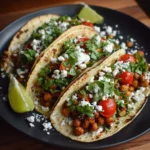
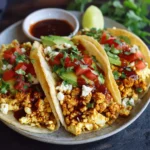
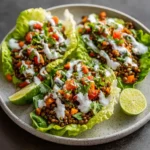
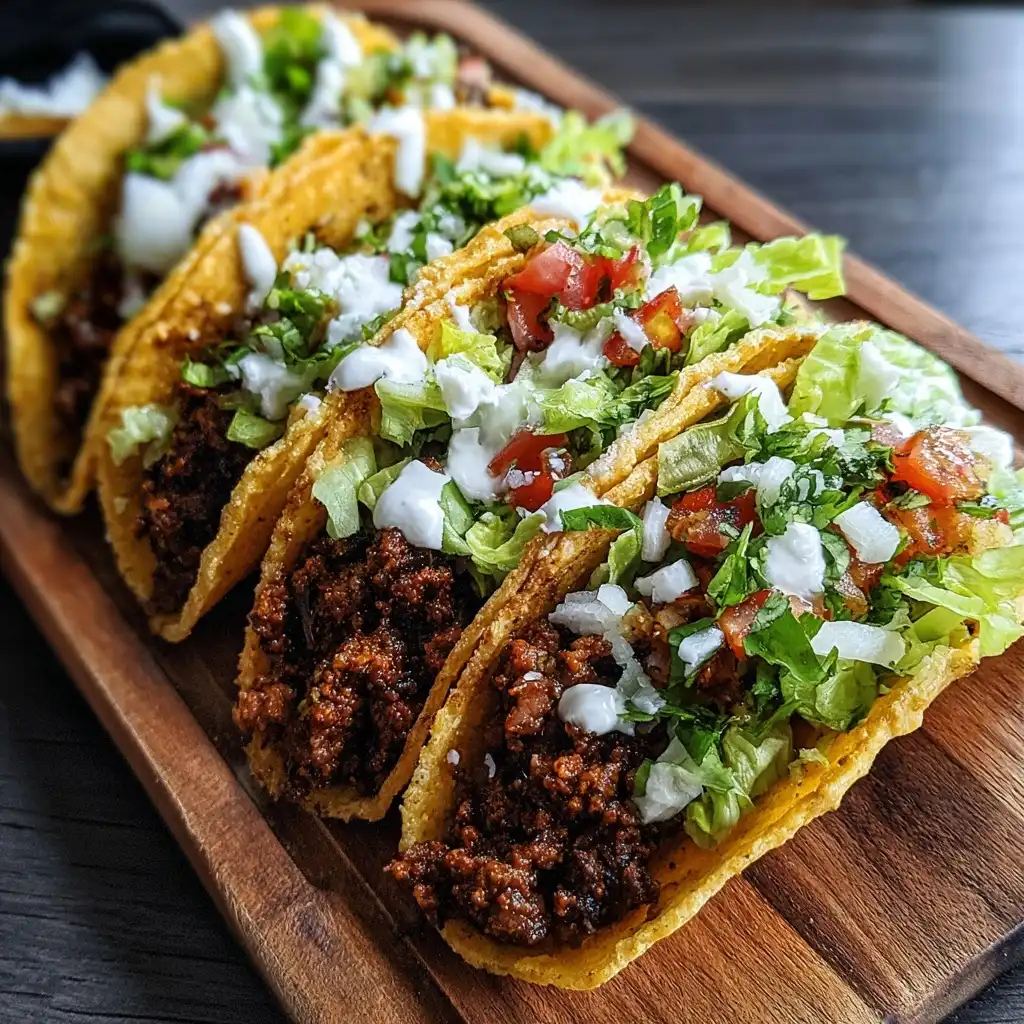
Welcome to the deliciously earthy, protein-rich, and plant-powered world of Mushroom Walnut Taco Meat Tacos—a vibrant, satisfying, and wholly plant-based alternative to traditional ground beef tacos. Designed for vegans, vegetarians, flexitarians, and curious omnivores alike, this innovative taco filling delivers deep umami richness, hearty texture, and bold Southwestern flavor—without relying on processed meat substitutes. Whether you’re hosting a taco night, meal prepping for the week, or simply craving something nourishing and flavorful, these tacos promise complexity in every bite: chewy-savory mushrooms, toasted-nutty walnuts, aromatic spices, and a touch of smokiness that lingers long after the last bite. More than just a “swap,” this recipe is a celebration of whole-food ingenuity—where pantry staples transform into something extraordinary.
The History
The evolution of Mushroom Walnut Taco Meat reflects a broader culinary movement toward mindful, sustainable, and culturally resonant plant-based cooking. While traditional Mexican taco fillings have long centered around slow-braised meats like carnitas, al pastor, or barbacoa, the rise of vegetarianism, veganism, and environmental consciousness in the late 20th and early 21st centuries spurred chefs and home cooks to reimagine authenticity through ingredient integrity—not imitation. Mushrooms, prized across Mesoamerican cuisine for millennia (think huitlacoche—the revered “corn smut” delicacy), provided the natural glutamate depth and meaty mouthfeel needed to anchor plant-based versions. Walnuts entered the scene more recently, inspired by Mediterranean and Middle Eastern traditions of using ground nuts in savory applications (like muhammara or kibbeh), but adapted with Tex-Mex flair for their rich fat content, binding ability, and ability to mimic the crumble and heft of ground beef when finely chopped and toasted. Early iterations appeared in progressive vegan cookbooks of the 2000s, but it wasn’t until food bloggers and plant-forward restaurants began sharing variations—often highlighting local, foraged, or organic mushrooms—that the combo gained widespread traction. Today, Mushroom Walnut Taco Meat stands as a beloved staple in progressive kitchens from Oaxaca City to Oakland—a testament to how tradition evolves not by erasure, but by thoughtful, respectful expansion.
Ingredients Breakdown
Every component in this recipe plays a precise, synergistic role—no filler, no afterthoughts. Here’s why each ingredient matters:
- Crimini or Baby Bella Mushrooms: The umami backbone. Their firmer texture holds up better than white button mushrooms during sautéing, and their deeper, earthier flavor intensifies when browned. They provide moisture, body, and natural monosodium glutamate (MSG)-like savoriness.
- Walnuts (Raw, Unsalted): The structural and textural hero. When pulsed—not ground to flour—they deliver a coarse, crumbly consistency that mimics ground meat’s bite. Toasting unlocks their natural oils, adding nutty depth and preventing bitterness. Walnuts also contribute omega-3 ALA, magnesium, and plant-based protein.
- Yellow Onion & Garlic: The aromatic foundation. Slowly caramelizing the onion builds sweetness and complexity; fresh minced garlic added later preserves its pungent, bright punch essential for balance.
- Tomato Paste: A flavor concentrator. Its cooked-down sweetness and acidity round out earthiness while contributing natural glutamates and helping bind the mixture.
- Smoked Paprika: The soul of the “smoky” profile—essential for evoking grilled or charred meat notes without actual smoke. Opt for *sweet* smoked paprika (pimentón dulce) for depth without heat; avoid hot varieties unless you want added spice.
- Ground Cumin & Chipotle Powder: Warmth and smoke meet subtle fruitiness. Cumin adds earthy, slightly citrusy warmth, while chipotle (smoked, dried jalapeño) lends layered heat, smokiness, and a faint raisin-like sweetness.
- Liquid Aminos or Low-Sodium Tamari: A gluten-free, soy-based umami booster richer and less salty than soy sauce. It enhances savoriness while contributing amino acids that deepen the “meaty” perception.
- Maple Syrup (or Coconut Nectar): Not for sweetness alone—but for balancing acidity and enhancing Maillard browning. Its natural sugars caramelize beautifully with the tomato paste and onions, creating complex, roasted notes.
- Apple Cider Vinegar: The bright, sharp counterpoint. Added at the end, it lifts the entire mixture, cutting through richness and making flavors pop—just as lime juice does in traditional salsas.
- Avocado Oil (or High-Heat Olive Oil): Chosen for its neutral flavor and high smoke point—critical for achieving deep browning on mushrooms without burning spices.
- Sea Salt & Freshly Ground Black Pepper: Non-negotiable seasonings. Salt amplifies all other flavors; freshly cracked black pepper adds volatile aromatic compounds that complement the smokiness.
Optional but highly recommended enhancements include a splash of masa harina slurry (for authentic corn depth and slight thickening) and a pinch of ground epazote (a traditional Mexican herb with digestive benefits and distinctive anise-terpene notes).
Step-by-Step Recipe
- Prep & Toast Walnuts: Place raw walnuts in a dry skillet over medium-low heat. Stir constantly for 4–6 minutes until fragrant, lightly golden, and slightly puffed. Immediately transfer to a plate to cool completely (prevents steaming and oil separation). Once cool, pulse in a food processor 8–10 times until coarsely crumbled—similar to coarse breadcrumbs or wet sand. Avoid over-processing into paste. Set aside.
- Prep Mushrooms: Wipe mushrooms clean with a damp cloth or paper towel (never soak—they absorb water). Trim stems if woody, then finely dice by hand or pulse briefly in the food processor (2–3 pulses only) until uniformly ¼-inch pieces. Too fine = mush; too coarse = uneven texture.
- Sauté Aromatics: Heat 1 tbsp avocado oil in a large, heavy-bottomed skillet or Dutch oven over medium heat. Add diced onion and a pinch of salt. Sauté 6–8 minutes, stirring occasionally, until soft and translucent. Reduce heat to medium-low and continue cooking 5–7 more minutes, stirring frequently, until onions are deeply golden and sweet—almost caramelized. Add minced garlic and cook 60 seconds until fragrant—do not brown.
- Brown the Mushrooms: Increase heat to medium-high. Add remaining 1 tbsp oil, then the diced mushrooms in a single layer (work in batches if needed). Let sit undisturbed for 2 minutes to encourage browning. Stir and continue cooking 6–8 minutes total until mushrooms shrink significantly, release liquid, and that liquid fully evaporates—leaving a dry, deeply browned, fragrant base. This step is critical for umami development.
- Build Flavor Base: Push mixture to the edges of the pan. In the center, add tomato paste. Cook, stirring constantly, for 2 minutes until it darkens slightly and smells rich and roasted (“fond” formation). Then stir tomato paste into mushroom-onion mixture.
- Toast Spices: Reduce heat to medium. Add smoked paprika, cumin, chipotle powder, and a generous pinch of black pepper. Stir constantly for 45–60 seconds until spices are fragrant and oil begins to shimmer—this blooms their volatile oils and eliminates raw taste.
- Combine & Simmer: Stir in the toasted walnut crumbles, liquid aminos, maple syrup, and a splash of water (2 tbsp) to deglaze the pan and loosen any stuck bits. Reduce heat to low. Simmer uncovered, stirring every 2 minutes, for 10–12 minutes. The mixture will thicken, darken further, and become cohesive—crumbling easily but holding together when pressed. It should be moist but not wet; if too dry, add water 1 tsp at a time. If too wet, simmer 2–3 minutes longer.
- Finish & Brighten: Remove from heat. Stir in apple cider vinegar and adjust salt to taste. Let rest 5 minutes—this allows flavors to meld and texture to settle. For best results, refrigerate overnight before reheating—the flavors deepen dramatically.
Tips
- Dice Consistency is Key: Hand-dicing mushrooms yields superior texture control versus food processing. If using a processor, pulse in short bursts and check frequently—over-processing creates a pasty, gluey result.
- Don’t Rush the Browning: Mushrooms must release *all* their water and then reabsorb the fond for maximum flavor. If they steam instead of sear, lower the heat and increase surface area—or cook in batches.
- Toast Walnuts Separately: Toasting *before* chopping ensures even browning and prevents burnt bits. Cooling completely prevents the walnuts from turning greasy or clumping.
- Spice Bloom Timing Matters: Adding spices *after* the mushrooms are browned and *before* liquids go in ensures full flavor release. Adding them too early burns them; too late leaves them raw and dusty.
- Acid Is Non-Negotiable: Apple cider vinegar isn’t optional—it transforms the dish. Add it off-heat to preserve its brightness. Lime juice works in a pinch, but vinegar offers more rounded acidity.
- Rest Before Serving: Letting the mixture cool slightly (or chilling overnight) allows starches and proteins to set, improving crumble and bite. Reheat gently with a splash of water or vegetable broth to refresh moisture.
- Batch Cooking Friendly: This recipe doubles or triples beautifully. Store cooled mixture in airtight containers for up to 5 days refrigerated or 3 months frozen. Thaw overnight in fridge before reheating.
- Skillet Choice Matters: Use stainless steel or cast iron—not nonstick—for optimal fond development. If using nonstick, increase tomato paste cooking time slightly to compensate.
- Taste & Adjust Midway: At the 6-minute simmer mark, taste and adjust: need more smokiness? Add ¼ tsp smoked paprika. Too flat? A dash more liquid aminos. Too sharp? A pinch more maple syrup.
- Embrace Texture Variation: Some small mushroom bits should remain slightly chewy; some walnuts should retain a hint of crunch—this mimics real ground meat’s varied bite.
Variations and Customizations
This recipe is gloriously adaptable—here are thoughtfully tested variations for dietary needs, regional twists, and seasonal creativity:
- Gluten-Free Verified: Ensure liquid aminos are certified GF (coconut aminos work perfectly as a soy-free, GF alternative). Double-check smoked paprika and chipotle powder for anti-caking agents.
- Nut-Free Option: Replace walnuts with equal parts raw sunflower seeds + 1 tbsp hemp hearts. Toast seeds separately; pulse same as walnuts. Adds zinc, vitamin E, and a milder, buttery note.
- Low-FODMAP Version: Swap onion for 2 green onions (green parts only) and use garlic-infused oil instead of fresh garlic. Omit maple syrup; use ½ tsp brown sugar (in moderation) or omit entirely.
- Umami Bomb Upgrade: Add 1 tsp nutritional yeast + ½ tsp mushroom powder (porcini or shiitake) with the spices. Deepens savoriness without altering texture.
- Southwest Roasted Veggie Blend: Fold in ½ cup roasted sweet potato cubes and ¼ cup charred corn kernels during the last 2 minutes of simmering for sweetness, color, and extra fiber.
- “Carnitas-Style” Braise: After simmering, transfer mixture to a parchment-lined baking sheet. Broil on high for 3–4 minutes until edges crisp and curl—adds irresistible texture contrast.
- Breakfast Taco Twist: Stir in ¼ tsp ground coriander and a pinch of turmeric post-cooking. Serve in warm corn tortillas with scrambled tofu, avocado slices, and pickled red onions.
- Global Fusion Options:
- Indian-Inspired: Swap cumin/chipotle for garam masala + turmeric + grated fresh ginger; finish with cilantro and mango chutney.
- Mediterranean: Use pine nuts instead of walnuts; add oregano, lemon zest, and kalamata olives; serve with tzatziki.
- Korean BBQ: Replace spices with gochujang (1 tbsp), tamari, rice vinegar, toasted sesame oil, and minced scallions.
- Fermented Depth Boost: Stir in 1 tbsp finely chopped lacto-fermented jalapeños or kimchi (rinsed) at the end for probiotic tang and complexity.
- For Meal Prep Bowls: Portion into containers with black beans, roasted cauliflower, quinoa, and lime crema. Stays fresh and flavorful for 4 days.
Health Considerations and Nutritional Value
A ¾-cup serving (about 150g) of Mushroom Walnut Taco Meat provides approximately:
- Calories: 210–230 kcal
- Protein: 8–10g (complete profile enhanced by mushroom ergothioneine + walnut arginine)
- Fat: 16–18g (predominantly heart-healthy mono- and polyunsaturated fats; ~2.5g omega-3 ALA from walnuts)
- Carbohydrates: 9–11g (3–4g dietary fiber from mushrooms, walnuts, and onions; low glycemic impact)
- Vitamins & Minerals: Excellent source of copper, manganese, B vitamins (especially B2, B3, B5), selenium (from mushrooms), and vitamin E (from walnuts). Contains ergosterol (vitamin D2 precursor) activated by sun exposure—enhance by placing sliced mushrooms in sunlight for 15–30 minutes pre-cooking.
- Phytonutrients: Rich in polyphenols (ellagic acid in walnuts), beta-glucans (immune-modulating mushroom polysaccharides), and lycopene (from tomato paste).
Dietary Highlights:
- Vegan & Vegetarian: Naturally free of animal products, dairy, eggs, and honey (when using maple syrup).
- Cholesterol-Free & Low-Sodium: Contains zero cholesterol; sodium can be controlled precisely (approx. 220mg/serving with low-sodium tamari).
- Gut-Friendly: Prebiotic fibers from onions and mushrooms feed beneficial gut bacteria; optional fermented add-ins boost probiotics.
- Anti-Inflammatory: Walnuts’ ALA, mushrooms’ antioxidants, and spices’ curcuminoids and capsaicin collectively support healthy inflammatory response.
- Weight-Conscious Friendly: High in satiating protein and fiber; moderate calorie density with strong volume-to-calorie ratio (bulks up tacos without excess calories).
Considerations: Walnuts are a tree nut allergen—always label accordingly. Those with sensitive digestion may benefit from soaking walnuts overnight and rinsing before toasting (reduces phytic acid and enzyme inhibitors). For low-oxalate diets, limit portion size (<½ cup) due to moderate oxalate content in walnuts and spinach (if added).
Ingredients
- 2 tbsp avocado oil (or high-heat olive oil), divided
- 1 medium yellow onion (about 1 ½ cups diced)
- 4 cloves garlic, finely minced
- 16 oz (450g) crimini or baby bella mushrooms, finely diced
- 2 tbsp tomato paste
- 2 tsp sweet smoked paprika
- 1 ½ tsp ground cumin
- ½ tsp chipotle powder (adjust to taste)
- 1 cup raw, unsalted walnuts
- 3 tbsp liquid aminos or low-sodium tamari
- 1 tbsp pure maple syrup (or coconut nectar)
- 2 tbsp apple cider vinegar
- ¼ tsp freshly ground black pepper
- 1 ½ tsp fine sea salt (plus more to taste)
- 2 tbsp water (for deglazing)
- Optional: 1 tsp masa harina mixed with 1 tsp water; 1 tsp nutritional yeast; pinch of ground epazote
Directions
- Heat 1 tbsp avocado oil in a large skillet over medium heat. Add diced onion and a pinch of salt. Sauté 6–8 minutes until translucent, then reduce heat to medium-low and cook 5–7 more minutes until deeply golden and sweet. Stir in garlic; cook 60 seconds until fragrant.
- Increase heat to medium-high. Add remaining 1 tbsp oil, then diced mushrooms in an even layer. Let sit 2 minutes undisturbed to brown, then stir and cook 6–8 minutes until shrunken, dry, and deeply browned.
- Push mixture to pan edges. Add tomato paste to center and cook 2 minutes, stirring constantly, until darkened and fragrant. Mix into mushroom-onion base.
- Reduce heat to medium. Add smoked paprika, cumin, chipotle powder, and black pepper. Toast 45–60 seconds, stirring constantly.
- In a separate dry skillet, toast walnuts over medium-low heat 4–6 minutes until fragrant and lightly golden. Cool completely, then pulse in food processor 8–10 times until coarsely crumbled (not pasty).
- Add toasted walnuts, liquid aminos, maple syrup, and 2 tbsp water to skillet. Stir well to combine and deglaze. Reduce heat to low.
- Simmer uncovered 10–12 minutes, stirring every 2 minutes, until mixture is thick, cohesive, and crumbly. Add water 1 tsp at a time if drying out; simmer longer if too moist.
- Remove from heat. Stir in apple cider vinegar and adjust salt to taste. Let rest 5 minutes before serving. For best flavor, refrigerate overnight and reheat gently with a splash of broth or water.
FAQ
- Can I use different mushrooms?
- Absolutely—but choose wisely. Cremini, portobello caps, oyster, and shiitake all work beautifully. Avoid delicate varieties like enoki or maitake (too fragile); skip white buttons unless you double the quantity and extend browning time. Dried porcini (soaked & finely chopped) add incredible depth—use ¼ cup dried + ¼ cup soaking liquid (added with water).
- Why walnuts instead of lentils or TVP?
- Walnuts offer unmatched fat content for mouthfeel, natural binding, and rich, savory notes lentils lack. Unlike TVP (textured vegetable protein), they’re whole-food, unprocessed, and contribute unique phytonutrients. Lentils can be substituted (1 cup cooked brown lentils added in Step 7), but expect a softer, more uniform texture and milder flavor.
- My mixture is too wet/too dry—what do I do?
- If too wet after simmering: continue cooking 2–3 minutes longer, stirring constantly. If too dry: stir in ½ tsp water or vegetable broth at a time until desired crumble forms. Remember—it firms up slightly upon cooling.
- Can I make this oil-free?
- Yes—with adjustments. Sauté onions in ¼ cup vegetable broth instead of oil; use broth for deglazing. Note: browning will be lighter, and overall richness reduced—but still flavorful. Add 1 tsp tahini at the end for creaminess and fat.
- How do I store and reheat leftovers?
- Cool completely, then store in airtight container for up to 5 days refrigerated or 3 months frozen. To reheat: stovetop (medium-low with 1 tsp water, covered, 4–5 minutes) or microwave (covered, 60–90 seconds). Never overheat—walnut oils can turn bitter.
- What’s the best tortilla pairing?
- Warm, pliable 6-inch corn tortillas are traditional and gluten-free. For extra richness, lightly char them on a dry comal or skillet. Flour tortillas work well for softer texture; sprouted grain or cassava tortillas add nutrient density.
- Can kids eat this?
- Yes! Mildly spiced versions (omit chipotle, reduce paprika to 1 tsp) are kid-approved. The umami-rich, slightly sweet profile appeals to young palates—and the texture resembles familiar ground meat. Pair with mild toppings like avocado, cheese (if not vegan), and shredded lettuce.
- Is this suitable for Passover or other religious observances?
- Yes—with verification: use certified kosher-for-Passover liquid aminos or coconut aminos, ensure spices are kosher-certified, and avoid leavened grains. Corn tortillas are kosher for Passover (check certification). Always consult your rabbi or spiritual authority for specific guidance.
- Can I air-fry the finished mixture for crispness?
- Yes! Spread cooled mixture in a single layer on an air-fryer basket lined with parchment. Air-fry at 375°F (190°C) for 5–7 minutes, shaking halfway, until edges are crispy. Perfect for taco “crumbles” or nacho topping.
- What makes this better than store-bought vegan taco crumbles?
- Fresh ingredients mean no preservatives, gums, or excessive sodium. You control every spice level, oil quality, and texture. Nutritionally denser, environmentally lighter (no packaging waste), and infinitely more customizable—plus, the aroma alone is worth the effort.
Summary
Mushroom Walnut Taco Meat Tacos redefine plant-based comfort food with deeply savory, smoky, and satisfyingly textured filling made entirely from whole, minimally processed ingredients—celebrating umami, sustainability, and culinary heritage in every bite.
Whether you’re cooking for health, ethics, flavor, or all three, this versatile, nutrient-dense, and endlessly adaptable recipe delivers restaurant-quality depth and heartiness that rivals—and often surpasses—traditional meat tacos.