Introduction
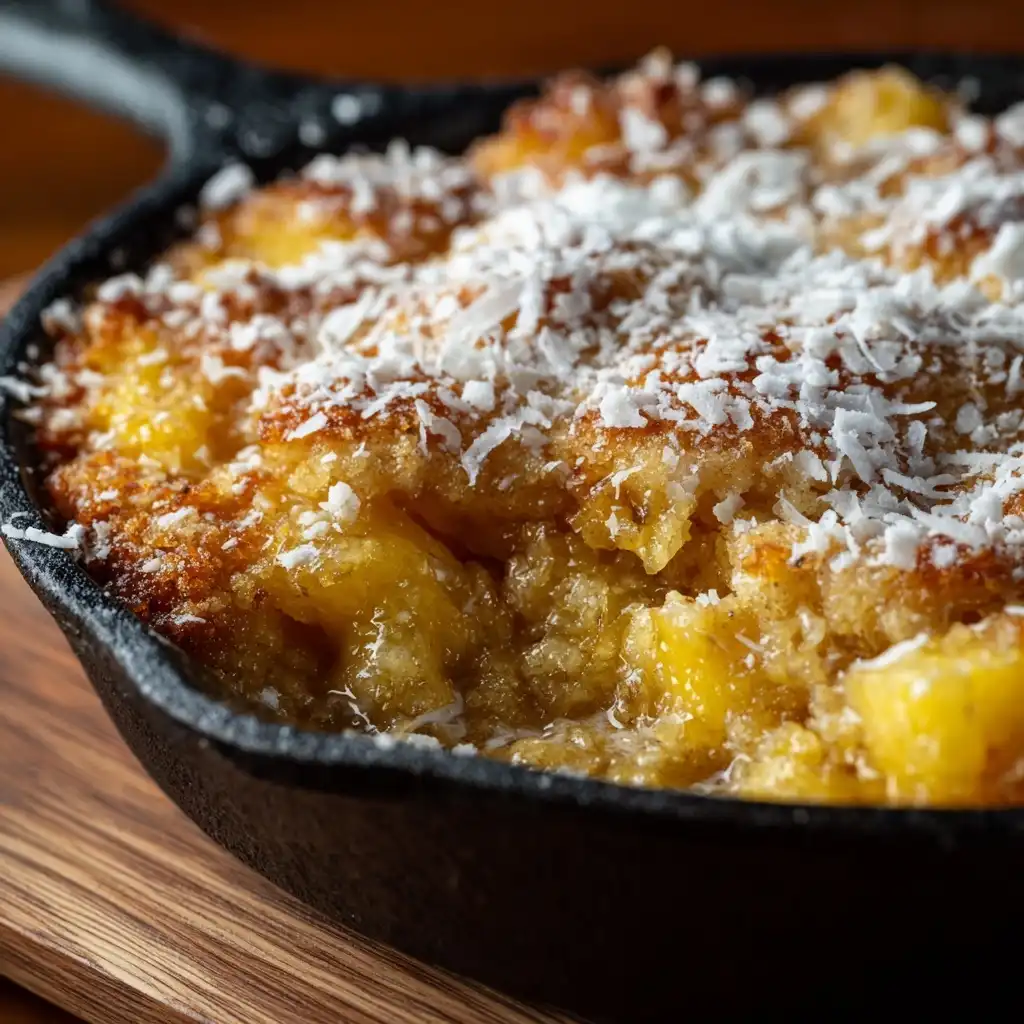
Welcome to the tropical embrace of the Pineapple Coconut Cobbler—a luscious, golden-brown dessert that transports your senses straight to a sun-drenched island paradise. This beloved cobbler marries the bright, tangy sweetness of ripe pineapple with the rich, creamy depth of coconut in a harmonious union of flavor and texture. Unlike traditional fruit cobblers that rely heavily on apples or berries, this version celebrates the vibrant synergy between two iconic tropical ingredients—creating a dessert that’s simultaneously comforting and exotic. Whether served warm from the oven with a scoop of vanilla bean ice cream, drizzled with toasted coconut caramel, or enjoyed cold the next morning with a splash of coconut milk, Pineapple Coconut Cobbler is more than just a treat—it’s an experience steeped in nostalgia, warmth, and culinary joy. Its versatility makes it perfect for potlucks, holiday gatherings, summer barbecues, or even as a soul-soothing solo indulgence on a rainy afternoon.
The History
The origins of the Pineapple Coconut Cobbler are deeply rooted in the evolution of American cobbler traditions—but with a distinct tropical twist shaped by 20th-century global trade, migration, and cultural fusion. While cobblers themselves date back to the early colonial era in the United States (with the earliest known reference appearing in Harper’s Weekly in 1859), they were originally rustic, skillet-baked fruit desserts topped with biscuit dough or dumplings—born from necessity, limited resources, and the ingenuity of home cooks. Pineapple, once a rare luxury imported from Hawaii and the Caribbean, became widely accessible after the establishment of large-scale canneries in the early 1900s—most notably the Dole Plantation in Hawaii, founded in 1922. Meanwhile, shredded and desiccated coconut gained popularity in American pantries post-World War II, buoyed by increased imports from the Philippines, Sri Lanka, and Indonesia, and reinforced by mid-century cookbooks like the 1954 “The Joy of Cooking” edition, which included early coconut-infused fruit dessert variations. The marriage of pineapple and coconut began appearing regionally in Southern coastal communities and Hawaiian homestead kitchens, where local abundance inspired creative adaptations. By the 1970s and 1980s, church cookbooks, community recipe collections, and regional magazines (like Florida Living and Hawaii Magazine) regularly featured “Pineapple-Coconut Crisp” or “Tropical Cobbler” recipes—often using canned pineapple, boxed cake mix shortcuts, and flaked coconut as accessible staples. Today’s Pineapple Coconut Cobbler honors that legacy while embracing modern sensibilities: whole-food sweeteners, gluten-free options, vegan adaptations, and artisanal touches like house-toasted coconut flakes and homemade pineapple compote—proving that tradition and innovation can bake beautifully together.
Ingredients Breakdown
Understanding each ingredient’s role ensures not only success but also empowers you to adapt with confidence. Below is a comprehensive breakdown of every component in the classic Pineapple Coconut Cobbler—and why it matters:
- Fresh or Canned Pineapple: Provides the foundational tart-sweet fruit base. Fresh pineapple offers brighter acidity and firmer texture; canned (in juice, not syrup) delivers consistent tenderness and convenience. Pineapple contains bromelain—an enzyme that tenderizes proteins and subtly breaks down starches, aiding in natural thickening and contributing to the cobbler’s signature juicy yet cohesive filling.
- Coconut Milk (Full-Fat, Canned): The unsung hero of richness and moisture. Unlike light coconut milk or carton “beverage” versions, full-fat canned coconut milk provides essential fat content for flavor depth, velvety mouthfeel, and structural integrity in both filling and topping. Its natural emulsifiers help bind the batter and prevent separation during baking.
- Shredded or Flaked Coconut: Adds aromatic fragrance, textural contrast, and visual appeal. Unsweetened shredded coconut integrates seamlessly into batters and toppings, while larger toasted flakes offer crunch. Toasting intensifies nutty, caramelized notes—critical for balancing pineapple’s brightness.
- All-Purpose Flour (or Gluten-Free Blend): Forms the structural backbone of the cobbler topping. Its gluten network traps steam and supports rise, yielding a tender-yet-substantial biscuit-like crown. For GF versions, a 1:1 blend containing xanthan gum replicates binding properties effectively.
- Baking Powder & Baking Soda: A dual-leavening system ensures optimal lift and airiness. Baking powder provides primary lift, while a small amount of baking soda (activated by the acidity in pineapple juice and brown sugar) enhances browning, tenderness, and subtle caramelization.
- Brown Sugar (Dark or Light): Contributes deep molasses notes, moisture retention, and complex caramel undertones. Its acidity reacts with baking soda, and its hygroscopic nature helps keep the cobbler moist for days.
- Granulated Sugar: Balances acidity and amplifies pineapple’s natural sweetness without overpowering. Also aids in crust formation and surface crystallization for a delicate, crackly top.
- Unsalted Butter (Cold or Melted, Depending on Method): Cold butter cut into dry ingredients yields a flaky, layered topping; melted butter creates a more cake-like, cohesive crumb. European-style butter (82–86% fat) adds exceptional richness and browning potential.
- Eggs (Large, Room Temperature): Act as emulsifiers and binders—holding fats and liquids together while contributing structure, lift, and golden color via Maillard reactions during baking.
- Vanilla Extract (Pure, Not Imitation): Enhances all other flavors without dominating. Madagascar Bourbon vanilla adds floral, woody warmth that complements coconut’s earthiness.
- Salt (Fine Sea Salt or Kosher): Not merely for seasoning—salt heightens sweetness, suppresses bitterness, and balances the overall flavor profile. Even ¼ tsp makes a measurable difference in perceived complexity.
- Lemon or Lime Juice (Optional but Recommended): A small splash (½–1 tsp) brightens the entire dish, cutting through richness and reinforcing pineapple’s vibrancy—especially important when using canned fruit or extra-sweet coconut products.
- Ground Cinnamon or Nutmeg (Optional Accent): Warm spices echo traditional cobbler roots and add subtle nuance—not overwhelming, but grounding the tropical notes in familiar comfort.
Step-by-Step Recipe
- Preheat & Prep: Position oven rack in the center. Preheat oven to 350°F (175°C). Generously grease a 9×13-inch baking dish (glass or ceramic preferred for even heating) with butter or coconut oil. Line bottom with parchment paper for effortless removal, if desired.
- Prepare the Filling: In a large bowl, combine 2 cups drained crushed or chunk pineapple (reserve ½ cup juice), 1 cup full-fat coconut milk, ⅓ cup brown sugar, 2 tbsp granulated sugar, 1 tbsp cornstarch or arrowroot powder, 1 tsp pure vanilla extract, ½ tsp fine sea salt, and optional 1 tsp fresh lime juice. Whisk vigorously until smooth and fully dissolved—no lumps. Gently fold in ¾ cup unsweetened shredded coconut. Let sit 5 minutes to hydrate and thicken slightly.
- Make the Topping Batter: In a separate medium bowl, whisk together 1½ cups all-purpose flour, 2 tsp baking powder, ¼ tsp baking soda, ½ tsp salt, and optional ¼ tsp ground cinnamon. In a measuring cup or small bowl, combine ¾ cup full-fat coconut milk, 1 large egg, ¼ cup melted and slightly cooled unsalted butter, ¼ cup granulated sugar, and 1 tsp vanilla. Pour wet ingredients into dry and stir with a silicone spatula *just until combined*—do not overmix. Batter will be thick, slightly lumpy, and pourable (like pancake batter). Fold in ⅓ cup toasted coconut flakes for added texture.
- Assemble with Care: Pour the pineapple-coconut filling evenly into the prepared baking dish. Using a ¼-cup scoop or ladle, gently drop 8–10 mounds of topping batter across the surface. Do not spread—allow natural spreading during baking. For a more rustic look, use a spoon to dollop irregularly. Optional: Sprinkle remaining 2 tbsp shredded coconut and 1 tbsp turbinado sugar over the top for sparkle and crunch.
- Bake with Precision: Place dish on a parchment-lined or foil-lined baking sheet (to catch any potential bubbling overflow). Bake at 350°F for 45–55 minutes—rotating halfway through. Cobbler is done when the topping is deeply golden brown, puffed and set (a toothpick inserted into the center of the topping comes out clean or with moist crumbs), and the filling is bubbling vigorously around the edges. Internal temperature of filling should reach at least 205°F (96°C) for proper thickening.
- Cool & Set: Remove from oven and let rest on a wire rack for *at least 30 minutes* before serving. This crucial step allows the filling to fully gel and the topping to firm up—preventing a soupy, collapsed result. For best texture and sliceability, cool completely (2+ hours) or chill overnight.
- Serve Thoughtfully: Scoop generously with a wide spatula or pie server. Serve warm or at room temperature. Ideal accompaniments include house-made coconut whipped cream, toasted macadamia-nut ice cream, a drizzle of reduced pineapple-coconut caramel, or a simple splash of chilled coconut milk.
Tips
- Drain Pineapple Thoroughly: Excess liquid dilutes flavor and prevents proper thickening. After opening the can, pour pineapple into a fine-mesh strainer over a bowl—press gently with the back of a spoon. Reserve juice for smoothies or cocktails, not the cobbler unless reducing it first.
- Toast Your Coconut: Spread shredded or flaked coconut on a parchment-lined baking sheet. Toast at 325°F for 5–8 minutes, stirring every 2 minutes, until fragrant and lightly golden. Cool completely before adding to batter or topping. Never skip this—it transforms flat coconut into aromatic, nuanced gold.
- Use Full-Fat Coconut Milk—Always: Shake the can vigorously before opening. If separation occurs, whisk thoroughly. Avoid “lite” or beverage-style coconut milks—they lack the fat needed for richness and structure.
- Don’t Overmix the Batter: Stir only until no dry flour remains. Overmixing develops gluten, resulting in tough, dense topping instead of tender, airy pockets.
- Check Oven Accuracy: Use an independent oven thermometer. Many home ovens run hot or cold—baking at 375°F instead of 350°F can cause premature browning and undercooked centers.
- Rotate Midway—Without Opening the Door: Open the oven only once—halfway through—to rotate the dish 180° for even browning. Avoid opening earlier—temperature drops significantly and disrupts rising.
- Cooling Is Non-Negotiable: Cutting too soon releases steam and destabilizes the gel network formed by cornstarch and natural pectin. Patience yields clean slices and ideal texture.
- Boost Browning Naturally: Brush the unbaked topping with coconut milk before sprinkling turbinado sugar—or add 1 tbsp maple syrup to the wet batter for deeper caramelization.
- Layer Flavor Early: Infuse coconut milk by simmering it with a 1-inch piece of fresh ginger or 2 strips of lemon zest for 5 minutes, then cooling and straining. Strain and use as directed.
- Freeze for Later: Fully baked and cooled cobbler freezes beautifully for up to 3 months. Wrap tightly in double layers of plastic wrap + aluminum foil. Thaw overnight in fridge, then reheat covered at 325°F for 25–35 minutes.
Variations and Customizations
This recipe is a canvas—designed for creativity, dietary needs, seasonal inspiration, and pantry flexibility. Here are 15 tested, chef-approved variations—with notes on technique adjustments:
- Vegan Pineapple Coconut Cobbler: Replace egg with 1 tbsp ground flaxseed + 3 tbsp warm water (let sit 5 min); use vegan butter (Miyoko’s or Earth Balance); ensure coconut milk and sugars are certified vegan; top with coconut yogurt instead of whipped cream.
- Gluten-Free Version: Substitute 1:1 gluten-free flour blend (Bob’s Red Mill or King Arthur) + ½ tsp xanthan gum (if not included). Add 1 tbsp psyllium husk powder to filling for extra thickening stability.
- Whole Grain & Higher Fiber: Replace ½ cup all-purpose flour with oat flour or whole wheat pastry flour. Add 2 tbsp ground chia or hemp seeds to batter for omega-3s and binding.
- Pineapple-Coconut-Banana Cobbler: Fold in 1 cup sliced ripe banana (tossed in 1 tsp lemon juice) into the filling. Reduce pineapple to 1½ cups. Banana adds creaminess and natural pectin—reduce cornstarch to 1 tbsp.
- Spiced Rum Infusion: Replace 2 tbsp of the reserved pineapple juice with dark rum (e.g., Myers’s or Appleton Estate). Add ¼ tsp grated fresh nutmeg to batter. Optional: Glaze finished cobbler with rum-caramel drizzle.
- Coconut-Cardamom Variation: Add ½ tsp freshly ground cardamom to dry ingredients and infuse coconut milk with 4 crushed green cardamom pods (simmer 5 min, cool, strain).
- Passion Fruit Swirl: Swirl ¼ cup strained passion fruit purée into the filling before baking. Garnish with fresh passion fruit seeds.
- Macadamia Nut Crunch Top: Fold ½ cup chopped toasted macadamia nuts into topping batter and sprinkle extra on top before baking.
- Grilled Pineapple Upgrade: Grill fresh pineapple rings over medium heat for 2–3 min per side until caramelized. Chop and use instead of canned—reduce sugar by 1 tbsp and add 1 tsp smoked sea salt to filling.
- Low-Sugar/Keto-Friendly: Use erythritol or allulose blend (1:1 sugar substitute), almond flour + coconut flour blend (⅔ cup almond, ⅓ cup coconut), and sugar-free coconut milk. Add 1 tsp glucomannan to filling as thickener.
- Mini Mason Jar Cobblers: Divide filling and batter among 6–8 (12-oz) oven-safe mason jars. Bake at 375°F for 28–32 minutes. Perfect for portion control and gifting.
- Chai-Spiced Cobbler: Steep 2 chai tea bags in warm coconut milk for 10 minutes before using. Add ½ tsp ginger, ¼ tsp cloves, and ¼ tsp black pepper to dry ingredients.
- Blueberry-Pineapple Fusion: Add 1 cup fresh or frozen wild blueberries to filling—toss with 1 tsp cornstarch first to prevent bleeding.
- Coconut-Lime Zest Finish: Add zest of 1 large lime to batter and garnish baked cobbler with extra lime zest and a lime wedge.
- Breakfast Cobbler Twist: Reduce sugar by half, omit vanilla, add ¼ tsp ground ginger + pinch of clove, and serve with Greek yogurt and granola instead of ice cream.
Health Considerations and Nutritional Value
A single ¾-cup serving (approx. 1/12th of a standard 9×13 recipe) contains approximately:
- Calories: 285–320 kcal (varies by sugar/butter/coconut fat content)
- Total Fat: 14–17g (mostly medium-chain triglycerides [MCTs] from coconut—metabolized differently than long-chain fats, potentially supporting energy and satiety)
- Saturated Fat: 11–13g (primarily lauric acid from coconut—studied for antimicrobial and immune-supportive properties)
- Carbohydrates: 36–41g (including 22–26g naturally occurring sugars from pineapple and coconut; refined sugar contributes ~12g per serving in standard version)
- Dietary Fiber: 2–3g (from pineapple, coconut, and optional whole grains—supports digestive health and glycemic balance)
- Protein: 3–4g (modest but bioavailable from egg and coconut)
- Vitamins & Minerals: Excellent source of Vitamin C (45–60% DV from pineapple), Manganese (35% DV from coconut), Copper (15% DV), and smaller amounts of iron, potassium, and B-vitamins.
Key Health Notes:
- Glycemic Impact: Pineapple has a moderate GI (~59), but pairing with high-fiber coconut and healthy fats lowers overall glycemic load. For sensitive individuals, reduce added sugars and serve with protein/fat (e.g., Greek yogurt) to further stabilize blood sugar.
- Coconut Controversy Clarified: While high in saturated fat, emerging research suggests unrefined coconut products may not adversely affect cholesterol in most people—especially when part of a balanced diet low in processed foods and trans fats. Always prioritize whole-food sources over hydrogenated coconut oils.
- Anti-Inflammatory Potential: Bromelain (pineapple enzyme), polyphenols (coconut), and vitamin C work synergistically to support antioxidant defense and modulate inflammation.
- Digestive Support: Pineapple’s bromelain aids protein digestion; coconut’s MCTs are easily absorbed and less taxing on the pancreas—making this cobbler surprisingly gentle for many with mild digestive sensitivities (when made without excess butter or dairy).
- Hydration & Electrolytes: Pineapple is naturally rich in potassium and water content—helping counterbalance sodium and support fluid balance, especially valuable in warm climates or post-exercise recovery.
- Mindful Indulgence Strategy: Portion control, ingredient upgrades (e.g., organic cane sugar, grass-fed butter, fresh fruit), and intentional pairing (e.g., with fermented coconut yogurt) transform this dessert from occasional treat to nourishing ritual.
Ingredients
- 2 cups crushed or chunk pineapple, well-drained (reserve ½ cup juice)
- 1¼ cups full-fat canned coconut milk, divided (1 cup for filling, ¼ cup for batter)
- ⅓ cup packed dark brown sugar
- 2 tbsp granulated sugar, plus 1 tbsp for topping (optional)
- 2 tbsp cornstarch or arrowroot powder
- 1 tsp pure vanilla extract
- ½ tsp fine sea salt
- 1 tsp fresh lime or lemon juice (optional but recommended)
- ¾ cup unsweetened shredded coconut, divided (½ cup for filling, ¼ cup for topping)
- 1½ cups all-purpose flour (or gluten-free 1:1 blend)
- 2 tsp baking powder
- ¼ tsp baking soda
- ¼ cup cold or melted unsalted butter (½ stick)
- 1 large egg, room temperature
- 1 tsp pure vanilla extract (additional)
- 2–3 tbsp turbinado or raw sugar, for finishing (optional)
Directions
- Preheat oven to 350°F (175°C). Grease a 9×13-inch baking dish and line bottom with parchment paper (optional but helpful).
- In a large bowl, whisk together reserved ½ cup pineapple juice, 1 cup coconut milk, brown sugar, 2 tbsp granulated sugar, cornstarch, 1 tsp vanilla, salt, and lime juice until smooth and lump-free.
- Gently fold in ½ cup shredded coconut. Set aside to thicken for 5 minutes.
- In another bowl, whisk flour, baking powder, baking soda, and salt.
- In a small bowl or liquid measuring cup, whisk together ¼ cup coconut milk, egg, melted (or cold, if cutting in) butter, 1 tsp vanilla, and remaining 1 tbsp granulated sugar.
- Pour wet mixture into dry ingredients. Stir with spatula *just until combined*. Batter will be thick and slightly lumpy—do not overmix.
- Fold in remaining ¼ cup shredded coconut.
- Pour pineapple-coconut filling into prepared dish. Drop batter by ¼-cup portions evenly across surface. Do not flatten.
- Optional: Sprinkle with turbinado sugar and/or extra coconut flakes.
- Place dish on a parchment- or foil-lined baking sheet (for easy cleanup). Bake 45–55 minutes, rotating halfway, until topping is deep golden and center is set (toothpick inserted into topping comes out clean).
- Cool on wire rack for minimum 30 minutes before serving. For clean slices, cool completely (2+ hours) or refrigerate overnight.
- Serve warm or at room temperature with coconut whipped cream, vanilla ice cream, or a drizzle of warm coconut milk.
FAQ
- Can I use fresh pineapple instead of canned?
- Absolutely—and highly recommended! Use 2½ cups fresh, diced pineapple (core removed). Toss with 1 tbsp brown sugar and let macerate 15 minutes to draw out juice. Drain well (reserve juice for filling) and proceed. Fresh pineapple adds brighter acidity and better texture control.
- Why did my cobbler turn out soupy?
- Most commonly due to insufficient thickener activation (underbaking), excess liquid (not draining pineapple well), or using light coconut milk. Ensure internal temp reaches ≥205°F, always drain pineapple thoroughly, and never substitute full-fat coconut milk. Letting it cool fully also allows starches to fully set.
- Can I make this ahead of time?
- Yes! Assemble filling and batter separately up to 24 hours ahead. Store filling covered in fridge; keep batter covered at room temp (if using melted butter) or chilled (if using cold butter method). Assemble and bake just before serving. Fully baked cobbler keeps refrigerated for 4 days or frozen for 3 months.
- Is there a way to reduce the sugar without ruining texture?
- Yes—you can safely reduce total sugar by up to ⅓. Compensate with 1 tbsp unsweetened applesauce or mashed banana in the batter for moisture, and increase coconut milk by 1 tbsp. Tartness will increase, so lean into citrus (extra lime zest) and spice (cinnamon) for balance.
- What’s the best way to toast coconut?
- Spread evenly on a parchment-lined sheet pan. Bake at 325°F for 5–7 minutes, stirring every 90 seconds, until golden and fragrant. Watch closely—it burns fast! Cool completely before using.
- Can I use coconut cream instead of coconut milk?
- Coconut cream is thicker and higher in fat—excellent for ultra-rich results. Use ¾ cup coconut cream + ¼ cup water or pineapple juice to mimic full-fat coconut milk consistency. Adjust batter thickness accordingly.
- My topping sank into the filling—what went wrong?
- This usually happens when batter is too thin (overmixed or too much liquid), oven temp is too low, or dish was jostled right after pouring. Ensure batter is thick enough to hold a mound shape, preheat oven fully, and avoid moving the dish once assembled.
- Is this cobbler dairy-free?
- Yes—as written! It uses coconut milk and coconut oil-friendly butter alternatives. Just verify your butter substitute is dairy-free and check labels on coconut products for hidden casein or whey (rare, but possible in some “creamers”).
- Can I add other fruits?
- Yes—mango, guava, papaya, or starfruit pair beautifully. Reduce pineapple to 1½ cups and add 1 cup complementary fruit (fresh or frozen, well-drained). Adjust thickener: +1 tsp cornstarch per ½ cup additional fruit.
- How do I store leftovers?
- Cover tightly and refrigerate for up to 4 days. Reheat individual portions in microwave (30–45 sec) or full dish at 325°F for 15–20 minutes covered with foil. Freezing is ideal for longer storage—wrap airtight and freeze up to 3 months.
Summary
Pineapple Coconut Cobbler is a radiant fusion of tropical sweetness and comforting tradition—a versatile, deeply flavorful dessert where vibrant pineapple and creamy coconut unite beneath a golden, tender-crisp topping. With thoughtful ingredient choices, adaptable techniques, and endless customization possibilities, it satisfies cravings while honoring wellness, culture, and culinary creativity.
Whether baked for a festive gathering or savored quietly at sunset with a spoon and silence, this cobbler doesn’t just taste like paradise—it invites you to slow down, savor the moment, and remember that the most meaningful recipes are those passed down, reimagined, and shared with love.