Rosé Gummy Bites: A Luxurious Twist on a Classic Treat
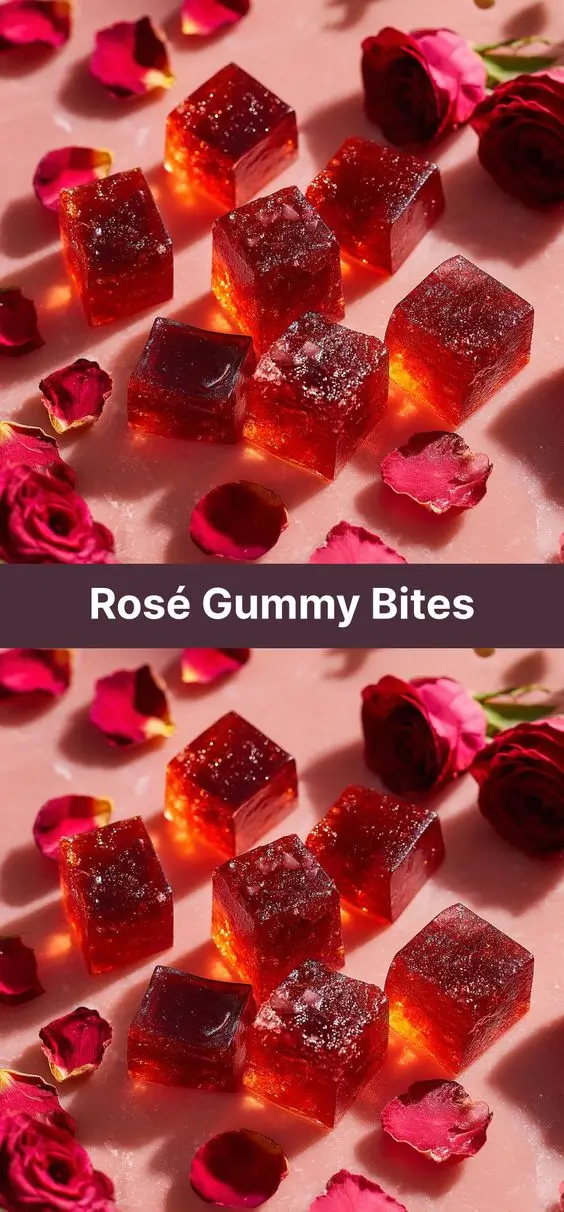
Indulge in the elegance of Rosé Gummy Bites—a sophisticated, adult-friendly gummy candy that captures the essence of your favorite summer wine in chewy, bite-sized perfection. These delicate, blush-pink treats are infused with real rosé wine, delivering a subtle fruity bouquet with every chew. Perfect for bridal showers, girls’ night in, or as a gourmet dessert addition, these gummies combine the fun of candy-making with the refined taste of fine wine. Whether you’re a connoisseur of confections or an aspiring home chef looking to impress, this recipe offers a delightful fusion of flavor, texture, and artistry.
The History of Gummy Candy and the Rise of Adult-Infused Sweets
Gummy candies trace their origins back to early 20th-century Germany, where Hans Riegel, founder of Haribo, introduced the first gummy bear in 1922. Made from a combination of gelatin, sugar, and fruit flavors, gummies quickly gained popularity across Europe and eventually the world. Over time, the versatility of the gummy base allowed for endless innovations—from sour varieties to multicolored shapes and even functional gummies enriched with vitamins.
In recent years, there’s been a growing trend toward adult-oriented gummy treats, especially those incorporating alcoholic beverages like wine, champagne, and spirits. The surge in popularity of boozy desserts and cocktail-inspired foods has paved the way for creations like Rosé Gummy Bites. While traditional gummies remain a childhood favorite, adults now seek indulgences that blend nostalgia with sophistication. Infusing gummies with real rosé wine marries the playful texture of candy with the refined palate of oenophiles, creating a treat that’s both whimsical and elegant.
Rosé wine itself has enjoyed a renaissance over the past decade, especially in the U.S., where it transitioned from a seasonal sipper to a year-round lifestyle symbol. Known for its pale pink hue and notes of strawberry, raspberry, citrus, and melon, rosé pairs naturally with sweet applications. Translating its complex profile into a gummy form allows for controlled sipping—without the glass.
Ingredients Breakdown: What Makes Rosé Gummy Bites Shine
The magic of Rosé Gummy Bites lies in the careful balance of ingredients that preserve both the flavor and structure of the candy. Each component plays a crucial role in achieving the perfect chew, color, and alcohol retention (if desired). Here’s a detailed look at what goes into each batch:
- Rosé Wine (½ cup, chilled): The star ingredient. Choose a dry or semi-dry rosé with bright acidity and clean fruit notes—avoid overly sweet or oaky varieties. The wine contributes flavor, color, and a subtle alcoholic kick. Chilling helps maintain stability when mixed with gelatin.
- Gelatin (3 tablespoons unflavored): This protein derived from collagen is essential for the gummy’s signature chew. It forms a thermoreversible gel that sets at cool temperatures and melts slightly at body temperature, creating that satisfying mouthfeel.
- Granulated Sugar (¼ cup): Adds sweetness and helps stabilize the gelatin network. Too much sugar can inhibit setting; too little results in weak texture. This amount balances the tartness of the wine.
- Glucose Syrup or Light Corn Syrup (2 tablespoons): Prevents crystallization of sugar and enhances chewiness. It also adds a glossy sheen to the finished gummies.
- Lemon Juice (1 teaspoon): Brightens the flavor profile and lowers pH slightly, which helps preserve freshness and intensify fruit notes in the wine.
- Optional: Citric Acid (⅛ teaspoon): For a tangier, more “wine-like” finish. Use sparingly to avoid overpowering the delicate rosé character.
- Vanilla Extract (¼ teaspoon, optional): Adds depth and rounds out sharp edges in flavor. Complements berry notes in many rosés.
- Edible Glitter or Pearl Dust (for garnish, optional): Elevates presentation for special occasions.
It’s important to note that while most of the alcohol in the rosé will remain after setting (since it’s not heated to boiling), some evaporation occurs during warm mixing. If a stronger buzz is desired, additional food-safe alcohol can be brushed on after setting—but more on that later.
Step-by-Step Recipe: How to Make Rosé Gummy Bites at Home
Creating Rosé Gummy Bites is surprisingly simple, requiring no special equipment beyond a saucepan, whisk, and silicone mold. Follow these steps carefully for flawless results every time.
Preparation Time:
15 minutes active / 4 hours chilling
Yield:
Approximately 30–40 bites (depending on mold size)
Ingredients Recap:
- ½ cup chilled dry rosé wine
- 3 tablespoons unflavored gelatin
- ¼ cup granulated sugar
- 2 tablespoons glucose syrup or light corn syrup
- 1 teaspoon fresh lemon juice
- ⅛ teaspoon citric acid (optional)
- ¼ teaspoon vanilla extract (optional)
- Silicone gummy mold (bear, heart, diamond, or mini-cup style)
- Non-alcoholic rosé or simple syrup (for brushing, optional)
- Edible glitter (optional)
Directions:
- Bloom the Gelatin: Pour the chilled rosé wine into a medium heatproof bowl. Sprinkle the gelatin evenly over the surface and let it sit for 10 minutes. During this time, the gelatin will absorb the liquid and swell—a process known as “blooming.”
- Heat the Mixture: In a small saucepan, combine sugar, glucose syrup, lemon juice, and citric acid (if using). Warm over low heat, stirring constantly until the sugar dissolves completely—do not boil. Once dissolved, remove from heat.
- Combine and Dissolve: Add the bloomed gelatin mixture to the warm sugar solution. Whisk gently but thoroughly until all gelatin granules have fully melted and the mixture is smooth and slightly viscous. Avoid vigorous whisking to prevent air bubbles.
- Add Flavor Enhancers: Stir in vanilla extract if using. Taste carefully—the mixture should be balanced between sweet and tart, reminiscent of the original wine.
- Strain (Optional): For crystal-clear gummies, strain the mixture through a fine-mesh sieve into a spouted measuring cup. This removes any undissolved particles or foam.
- Pour into Mold: Carefully pour the liquid into your silicone mold, filling each cavity just to the top. Work slowly to minimize spills. Use a toothpick to pop any visible bubbles for a professional finish.
- Chill and Set: Place the mold on a flat tray and refrigerate uncovered for at least 4 hours—or overnight—for best results. Do not cover until fully set to avoid condensation.
- Unmold: Once completely firm, gently press the back of each cavity to release the gummies. They should pop out cleanly. If sticking occurs, chill longer or briefly run the bottom under cold water.
- Finish (Optional): For extra shimmer and protection, lightly brush each gummy with non-alcoholic rosé simple syrup (equal parts water and sugar, boiled and cooled) and dust with edible pearl powder using a fine sieve.
- Store Properly: Place finished gummies in a single layer in an airtight container, separated by parchment paper. Keep refrigerated for up to 2 weeks.
Tips for Perfect Rosé Gummy Bites Every Time
- Use High-Quality Wine: Since the flavor concentrates slightly upon setting, start with a rosé you’d actually enjoy drinking. Cheap wines may leave harsh or bitter aftertastes.
- Don’t Overheat: Excessive heat can break down gelatin proteins, leading to softer or sticky gummies. Always use low heat and remove from burner before adding bloomed gelatin.
- Avoid Humidity: Make these on a dry day. Humid environments cause gummies to sweat or become tacky faster.
- Cooling Is Key: Rushing the chilling process leads to uneven texture. Allow full 4+ hours for optimal firmness.
- Freezing Alternative: If needed urgently, freeze for 60–90 minutes. However, slow refrigeration produces better chew.
- Work Clean: Wipe excess mixture from the top of the mold before chilling to ensure neat edges.
- Label for Gifting: If giving as party favors, include a note indicating they contain real wine—important for children, pregnant individuals, or those avoiding alcohol.
Variations and Customizations: Make It Your Own
One of the joys of homemade gummies is the ability to personalize them. Here are several creative twists to elevate your Rosé Gummy Bites:
- Sparkling Rosé Version: Replace still rosé with chilled prosecco rosé or sparkling rosé. Note: Carbonation will dissipate during heating, but the fresher aroma remains. You may need to reduce added sugar due to lower residual sugar in sparkling wines.
- Fruit-Infused: Add puréed strawberries, raspberries, or peaches (strained) to enhance natural fruit notes. Use 1–2 tablespoons per batch to avoid diluting gelatin strength.
- Boozy Boost: After unmolding, brush gummies with a reduction of rosé simmered down by half (to concentrate flavor and alcohol). Let dry before storing.
- Dessert Pairing Flavors: Incorporate hints of lavender, rosewater (1–2 drops), or elderflower liqueur (replace 1 tbsp wine) for a floral twist.
- Savory-Sweet Option: Add a pinch of flaky sea salt before pouring into molds for a salted rosé experience—excellent with dark chocolate coatings.
- Color Enhancement: Natural pink color varies by wine. For a bolder hue, add a drop of beet juice or natural food-grade pink coloring.
- Alcohol-Free Version: Substitute rosé with non-alcoholic rosé beverage or a blend of white grape juice + a splash of red grape juice + lemon. Kids can enjoy these safely!
- Chocolate-Dipped: Melt high-quality white or milk chocolate and dip half of each gummy. Sprinkle with crushed freeze-dried berries or edible gold flakes for luxury appeal.
- Layered Gummies: Create two-tone effects by setting a thin first layer (e.g., clear lemon), then topping with rosé mixture once firm.
- Mini Cocktail Gummies: Add a few drops of orange blossom water or a whisper of Campari for an aperitivo-inspired bite.
Health Considerations and Nutritional Value
While Rosé Gummy Bites are undeniably delicious, it’s wise to consider their nutritional content and health implications, especially given the inclusion of alcohol and sugar.
Nutrition Facts (Per Serving – Approx. 5 gummy bites):
- Calories: ~80 kcal
- Total Fat: 0 g
- Sodium: 5 mg
- Total Carbohydrates: 18 g (Sugars: 16 g)
- Protein: 2 g (from gelatin)
- Alcohol Content: ~0.5–1% ABV per serving (varies based on wine and method)
Important Notes:
- Alcohol Presence: Despite chilling, not all alcohol evaporates. These are intended for adults 21+. Not suitable for children, pregnant individuals, or those in recovery.
- Sugar Levels: Moderation is key. High sugar intake is linked to metabolic issues. Diabetics should consume cautiously or explore sugar substitutes (see variations).
- Gelatin Source: Traditional gelatin is animal-derived (usually bovine or porcine). Not suitable for vegetarians or vegans. Plant-based alternatives exist but behave differently (discussed below).
- Dental Health: Sticky sweets can adhere to teeth. Encourage rinsing or brushing after consumption.
- Allergens: Contains no common allergens like nuts, dairy, or gluten—unless modified. Always verify ingredient labels.
Are There Health Benefits? While not a health food, gelatin contains amino acids like glycine and proline, which support joint and skin health. Some studies suggest benefits for gut lining integrity and sleep quality. However, the quantity here is minimal. Think of these as occasional treats—not supplements.
Plant-Based Alternatives: Can You Make Vegan Rosé Gummies?
Yes—with trade-offs. Traditional gelatin cannot be replaced one-to-one. Vegan alternatives include:
- Agar-Agar: Derived from seaweed. Sets firmer and more brittle than gelatin. Use 1 tablespoon agar powder per 1 cup liquid. Requires boiling for full activation. May result in less “chew” and more “snap.”
- Pectin: Fruit-based, often used in jellies. Needs high sugar and acidic environment. Best for fruit-forward versions.
- Carrageenan: Also seaweed-based. Less commonly available and can have digestive side effects in large amounts.
Note: Alcohol interacts differently with plant gelling agents. Results may vary widely. Expect shorter shelf life and potential weeping (liquid separation).
Frequently Asked Questions (FAQ)
Can I get drunk from eating Rosé Gummy Bites?
No—not easily. The alcohol content is quite low per gummy (well under 1% ABV), and much depends on the original wine and cooking process. You would need to eat a very large quantity to feel any effects. They’re more about flavor than intoxication.
How long do these gummies last?
Stored in an airtight container in the refrigerator, they last up to 2 weeks. Beyond that, they may dry out, develop off-flavors, or grow bacteria due to the wine base. Freezing extends life to 2 months, though texture may soften slightly upon thawing.
Why did my gummies turn out too soft?
Possible reasons: too much liquid, insufficient gelatin, incomplete blooming, or premature removal from fridge. Ensure accurate measurements and full chilling time.
Can I use flavored rosé or rosé cocktails?
Not recommended. Pre-sweetened or artificially flavored rosés (like sangria blends) contain additives that interfere with gelling and create unpredictable tastes. Stick to pure, dry rosé wine.
My gummies are sticky—what went wrong?
Stickness often comes from humidity, excess sugar, or lack of drying time. Try dusting lightly with cornstarch or powdered sugar before storing. Avoid overcrowding in containers.
Can I make these without sugar?
Sugar plays a structural role. Substitutes like stevia or erythritol don’t provide the same bulking or preservation. You can reduce sugar slightly, but eliminating it entirely risks failure. Consider monk fruit blends formulated for gelling if attempting low-sugar versions.
Are these safe to eat during pregnancy?
No. Due to the presence of alcohol—even in small amounts—they are not considered safe for consumption during pregnancy. Opt for the non-alcoholic version instead.
Can I use a different mold?
Absolutely! Silicone molds come in endless shapes—roses, wine glasses, hearts, stars. Just ensure cavities are shallow enough for even setting. Avoid deep molds unless doubling thickness time.
Do these need to be refrigerated?
Yes. Unlike commercial gummies preserved with sorbitol and parabens, homemade versions lack shelf-stabilizing chemicals. Refrigeration is essential for food safety and texture.
Can I sell these at a farmers market or bakery?
If considering commercial production, consult local health department regulations. Alcohol-infused foods often require special licensing, labeling, and age verification at point of sale.
Summary
Rosé Gummy Bites are an elegant, adult-focused confection that transforms the crisp, floral notes of rosé wine into a chewy, jewel-toned treat—perfect for entertaining or personal indulgence. Easy to customize and impressive to serve, they blend culinary craft with cocktail culture in one irresistible bite.