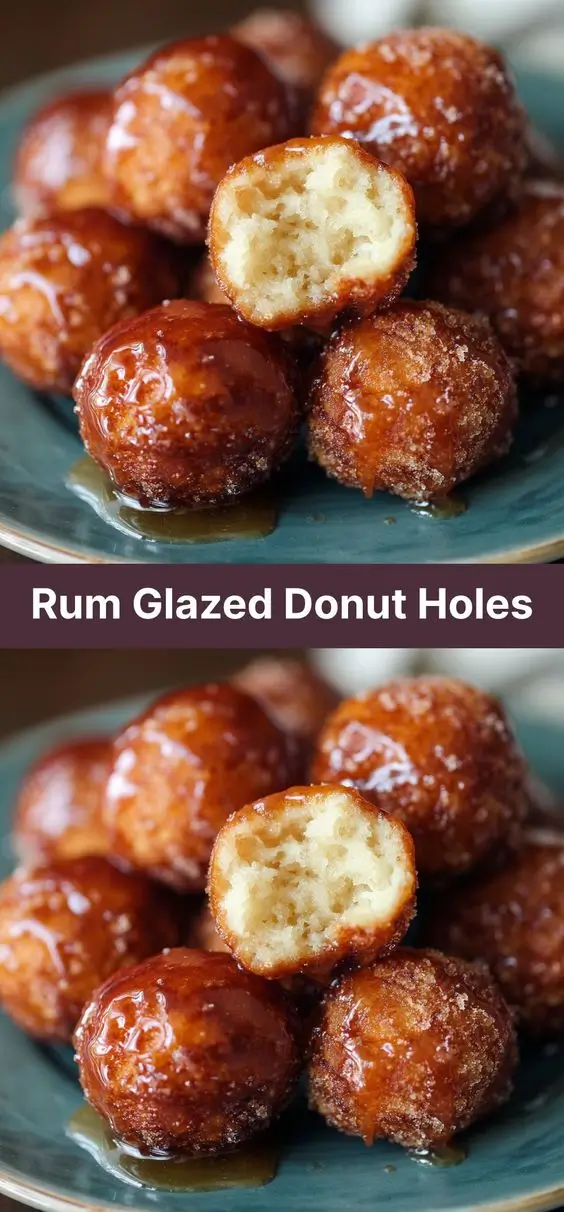
Rum Glazed Donut Holes: A Decadent Treat for Any Occasion
There’s something irresistibly comforting about warm, pillowy donut holes dipped in a rich, glossy rum glaze. Whether served as a weekend breakfast delight, an afternoon snack with coffee, or a dessert at a dinner party, rum glazed donut holes bring a touch of indulgence to any moment. These bite-sized morsels are golden on the outside, soft and airy within, and finished with a luxurious glaze that carries just the right hint of aged rum—complex, fragrant, and utterly addictive.
The History of Donut Holes and Rum-Infused Desserts
The origin of donuts—and by extension, donut holes—can be traced back centuries, with early versions appearing in Dutch, Scandinavian, and Native American cuisines. The Dutch brought “olykoeks” (oily cakes) to New Amsterdam (modern-day New York), where balls of fried dough became a staple. Over time, bakers began cutting out the center of the donut to ensure even cooking, leading to the creation of the donut hole—a happy accident turned beloved treat.
As for the use of rum in desserts, its roots lie in the colonial era, when molasses from sugar cane refining was fermented and distilled into rum in the Caribbean. By the 18th century, rum had become a popular ingredient in baked goods across Europe and North America, especially in holiday recipes like fruitcakes, puddings, and spiced cookies. The marriage of fried dough and rum-infused glaze is thus a fusion of culinary traditions: the American love for fresh donuts and the Old World tradition of enriching sweets with spirits.
In modern times, donut holes gained widespread popularity through chains like Dunkin’ and Krispy Kreme, but homemade versions—especially those elevated with flavors like rum—offer a far more sophisticated and satisfying experience. Today, rum glazed donut holes stand as a gourmet twist on a classic, blending nostalgia with a grown-up flavor profile.
Ingredients Breakdown: What Makes This Recipe Special
Every great recipe starts with quality ingredients. For rum glazed donut holes, each component plays a vital role in achieving the perfect texture, rise, and flavor balance. Here’s a detailed look at what goes into this indulgent treat:
- All-Purpose Flour: Provides the structure for the donut dough. It contains just the right amount of gluten to give the donut holes their tender chew without becoming tough.
- Granulated Sugar: Adds sweetness and helps with browning during frying. It also contributes to the light texture of the crumb.
- Baking Powder & Baking Soda: These leavening agents create air bubbles that expand when heated, giving the donuts their signature fluffiness. Baking soda also reacts with the buttermilk for extra lift.
- Salt: Balances the sweetness and enhances overall flavor depth.
- Ground Nutmeg and Cinnamon: Warm spices that complement both the fried dough and the rum glaze, adding warmth and complexity.
- Buttermilk: Adds tanginess and moisture while reacting with baking soda to boost rise. Its acidity tenderizes the gluten, resulting in a softer texture.
- Eggs: Bind the ingredients together and contribute richness and color to the finished product.
- Unsalted Butter (melted): Enriches the dough, lending a velvety mouthfeel and buttery aroma.
- Vanilla Extract: Enhances sweetness and adds a floral note that pairs beautifully with rum.
- Vegetable Oil (for frying): A neutral oil with a high smoke point ensures clean frying without imparting unwanted flavors.
For the glaze:
- Powdered Sugar (confectioners’ sugar): Forms the base of the glaze, providing sweetness and a smooth, melt-in-your-mouth finish.
- Dark Rum: The star of the show. Dark rum offers deep caramel, vanilla, and oak notes that elevate the glaze beyond simple sweetness. It should be of decent quality—not necessarily top-shelf, but one you’d enjoy sipping.
- Heavy Cream: Thins the glaze slightly and adds a creamy richness that makes it cling perfectly to the donut holes.
- Unsalted Butter (melted): Adds shine and silkiness to the glaze.
- Vanilla Extract: Reinforces the aromatic profile and rounds out the rum’s boldness.
- Salt (a pinch): Crucial for balancing the intense sweetness of the powdered sugar.
Step-by-Step Recipe: How to Make Perfect Rum Glazed Donut Holes at Home
Making donut holes from scratch may seem intimidating, but with careful attention to detail, anyone can achieve bakery-quality results. Follow these steps closely for light, fluffy donut holes with a luxuriously smooth rum glaze.
Ingredients for Donut Holes:
- 2 cups (250g) all-purpose flour
- 1/2 cup (100g) granulated sugar
- 1 1/2 teaspoons baking powder
- 1/2 teaspoon baking soda
- 1/4 teaspoon salt
- 1/2 teaspoon ground nutmeg
- 1/2 teaspoon ground cinnamon
- 1 cup (240ml) buttermilk, room temperature
- 2 large eggs, room temperature
- 3 tablespoons unsalted butter, melted and cooled
- 1 teaspoon pure vanilla extract
- Vegetable, canola, or peanut oil, for frying (about 6–8 cups)
Ingredients for Rum Glaze:
- 2 cups (240g) powdered sugar, sifted
- 3 tablespoons heavy cream
- 2 tablespoons dark rum (such as Myers’s, Captain Morgan Black, or Appleton Estate)
- 1 tablespoon unsalted butter, melted
- 1/2 teaspoon pure vanilla extract
- Pinch of salt
Directions:
- Prepare the Dough: In a large mixing bowl, whisk together the flour, granulated sugar, baking powder, baking soda, salt, nutmeg, and cinnamon until well combined.
- Mix Wet Ingredients: In a separate bowl, whisk the buttermilk, eggs, melted butter, and vanilla extract until smooth and fully incorporated.
- Combine: Pour the wet ingredients into the dry ingredients. Stir gently with a wooden spoon or rubber spatula just until no dry streaks remain. Do not overmix—this will result in dense donuts. The batter should be thick, sticky, and slightly lumpy. Cover and let rest for 10 minutes at room temperature.
- Heat the Oil: While the dough rests, pour 3–4 inches of oil into a heavy-bottomed pot or Dutch oven. Heat over medium heat to 350°F (175°C). Use a deep-fry or candy thermometer for accuracy. Maintaining the correct temperature is crucial—too hot, and the donuts will brown too quickly; too cool, and they’ll absorb excess oil.
- Shape the Donut Holes: Fill a piping bag fitted with a large round tip (or a heavy-duty zip-top bag with one corner snipped) with the batter. Alternatively, use two spoons to scoop and drop small balls into the oil. Work in batches to avoid overcrowding.
- Fry the Donut Holes: Carefully pipe or drop golf ball-sized portions (about 1 inch in diameter) into the hot oil. Fry 6–8 at a time, turning occasionally, until golden brown on all sides—about 2–3 minutes per batch. Use a slotted spoon or spider strainer to remove them and transfer to a wire rack set over paper towels to drain excess oil. Let cool slightly while preparing the glaze.
- Make the Rum Glaze: In a medium bowl, whisk together the sifted powdered sugar, heavy cream, dark rum, melted butter, vanilla, and salt. Whisk vigorously until completely smooth and glossy. If the glaze is too thick, add additional cream or rum—one teaspoon at a time. If too thin, add more powdered sugar.
- Glaze the Donuts: While the donut holes are still warm (but not hot), dip each one into the glaze, coating completely. Allow excess glaze to drip off, then return to the wire rack. Let the glaze set for 10–15 minutes before serving. For an extra-glossy finish, you can double-dip after the first layer sets.
- Serve Immediately: Rum glazed donut holes are best enjoyed fresh and warm. They can be stored in an airtight container at room temperature for up to 12 hours, but the glaze may soften the exterior over time.
Tips for Success: Expert Advice for Flawless Results
- Use Room Temperature Ingredients: Cold eggs or buttermilk can cause the batter to seize and affect the rise. Let them sit out for 30 minutes before mixing.
- Don’t Overmix the Batter: Overworking develops gluten, leading to chewy rather than tender donuts. Mix only until combined.
- Monitor Oil Temperature Closely: Invest in a reliable thermometer. Dropping below 340°F or exceeding 360°F will compromise texture.
- Work in Small Batches: Frying too many at once lowers the oil temperature and causes uneven cooking.
- Rest the Batter: Allowing the batter to rest hydrates the flour and relaxes the gluten, improving tenderness.
- Glaze While Warm: Warm donut holes absorb the glaze better and develop a delicate crust as it sets.
- Adjust Glaze Consistency: Humidity affects glaze thickness. Aim for a pourable but not runny consistency—like heavy cream.
- Sift the Powdered Sugar: Prevents lumps in the glaze for a silky-smooth finish.
- Use High-Quality Rum: Since the rum flavor shines through, choose one with good depth and character. Avoid cheap, harsh rums.
- Keep Finished Donuts on a Rack: Placing them on paper towels after frying is fine, but move to a wire rack before glazing to prevent sogginess.
Variations and Customizations: Make It Your Own
While the classic rum glazed version is divine, there are countless ways to personalize your donut holes:
- Liqueur Swap: Replace rum with bourbon, Irish cream, amaretto, Grand Marnier, or Kahlúa for different flavor profiles.
- Alcohol-Free Version: Substitute rum with rum extract (1/2 tsp) plus additional cream or apple juice for moisture.
- Spice Variations: Add cardamom, allspice, or ginger for a festive twist. Pumpkin spice blend works wonderfully in fall.
- Chocolate Glaze: Mix cocoa powder into the glaze or drizzle melted chocolate over rum-glazed donuts.
- Coconut Twist: Add shredded coconut to the batter and use coconut rum in the glaze.
- Citrus Zest: Add orange or lemon zest to the batter and glaze for brightness that cuts through richness.
- Nut Toppings: Roll freshly glazed donuts in chopped pecans, walnuts, or toasted coconut.
- Maple-Rum Glaze: Replace half the cream with pure maple syrup for a deeper autumnal flavor.
- Stuffed Donut Holes: Pipe a small amount of jam, dulce de leche, or chocolate ganache into the center before frying.
- Baked Option: For a lighter version, pipe batter into mini muffin tins and bake at 375°F for 10–12 minutes. Glaze as usual.
Health Considerations and Nutritional Value
Rum glazed donut holes are undeniably a treat, best enjoyed in moderation. Understanding their nutritional profile can help you make informed choices:
Per Serving (approx. 3 donut holes):
- Calories: ~320–360
- Total Fat: 14–18g (mostly from frying and butter)
- Saturated Fat: 5–7g
- Cholesterol: 50–60mg
- Sodium: 150–200mg
- Total Carbohydrates: 50–55g
- Sugars: 30–35g (primarily from granulated and powdered sugar)
- Protein: 4–5g
Considerations:
- High in Sugar and Refined Carbs: Not ideal for diabetics or low-sugar diets. Consider reducing sugar slightly or using monk fruit-sweetened powdered sugar alternatives (though texture may vary).
- Fried Food: Contains significant fat due to deep-frying. Air-frying is not recommended for this recipe, as the texture won’t replicate traditional donuts.
- Alcohol Content: Most of the alcohol evaporates during glaze setting, but trace amounts remain. Not suitable for children, pregnant individuals, or those avoiding alcohol.
- Dairy and Eggs: Contains milk, butter, and eggs—unsuitable for vegans or those with allergies. Possible substitutions: plant-based butter, almond milk + vinegar (for buttermilk), flax eggs (though results may vary).
- Gluten: Contains wheat flour. Gluten-free flour blends can be experimented with, but expect denser texture.
To make a slightly healthier version:
- Bake instead of fry.
- Reduce sugar in both batter and glaze.
- Use whole wheat pastry flour for part of the all-purpose flour.
- Serve with fresh fruit on the side to balance the meal.
Frequently Asked Questions (FAQ)
Can I make rum glazed donut holes ahead of time?
Yes, but they’re best the day they’re made. You can fry the donut holes in advance, store them unfilled in an airtight container, and glaze just before serving.
Can I freeze them?
Fried donut holes (unglazed) can be frozen for up to 2 months. Thaw at room temperature, then reheat in a 300°F oven for 5 minutes before glazing.
Why are my donut holes greasy?
Likely causes: oil temperature too low, overfrying, or not draining properly. Always maintain 350°F and drain on a wire rack.
Can I use light rum instead of dark?
Yes, but dark rum provides richer flavor and color. Light rum will result in a subtler taste.
What can I use instead of buttermilk?
Mix 1 cup milk with 1 tablespoon lemon juice or vinegar. Let sit 5–10 minutes until curdled.
Can I pipe the batter directly into the oil?
Absolutely! A piping bag gives uniform shapes and minimizes mess. Just snip the tip and squeeze gently.
Is the alcohol cooked off?
Most of the alcohol evaporates, but a small amount remains. For non-alcoholic version, use rum extract or omit entirely.
How do I store leftovers?
Store in an airtight container at room temperature for up to 12 hours. Beyond that, texture deteriorates due to glaze moisture.
Can I double the recipe?
Yes, but fry in small batches to maintain oil temperature. Double the glaze if doubling the donuts.
Why didn’t my donuts rise properly?
Possible reasons: expired leavening agents, overmixed batter, cold ingredients, or oil not hot enough.
Summary
Rum glazed donut holes are a luxurious, homemade treat that combines pillowy fried dough with a rich, aromatic glaze infused with dark rum. Perfect for brunches, holidays, or anytime you crave a sweet escape.