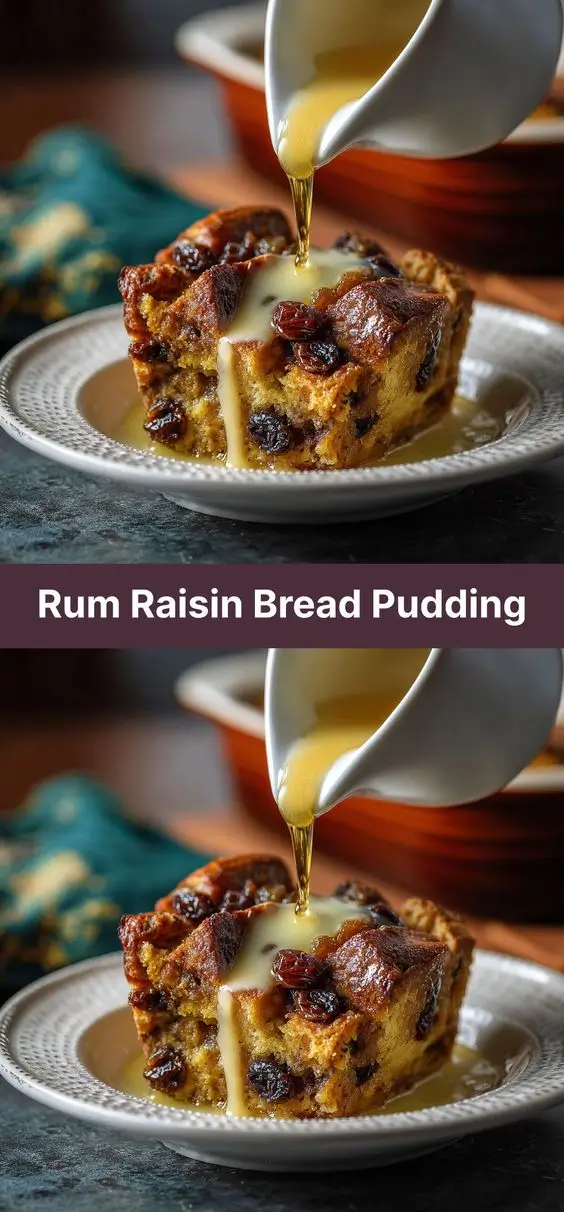
Rum Raisin Bread Pudding: A Decadent Classic with a Boozy Twist
The History of Bread Pudding and the Rise of Rum Raisin
Bread pudding is a dish with humble origins, dating back centuries to European kitchens where nothing went to waste. In medieval times, frugal cooks would repurpose stale bread by soaking it in milk or cream, sweetening it with honey or sugar, and baking it into a simple custard-like dessert. The dish evolved across continents and cultures—became blancmange in France, arroz con leche when combined with rice in Spain, and even took on savory forms in various regions.
It wasn’t until the 18th century that bread pudding began its transformation into a beloved dessert in England and later in America. With the arrival of sugar from colonial plantations and greater access to dairy, the dish became richer and sweeter. By the 19th century, raisins, spices, and liquor were commonly added for depth of flavor.
Rum raisin bread pudding emerged as a luxurious variation during the Prohibition era in the United States, paradoxically becoming popular despite alcohol bans. Home cooks often used small amounts of rum (sometimes smuggled or medicinal) to elevate traditional desserts. The combination of plump raisins soaked in dark rum created an intoxicating aroma and deep flavor profile that elevated bread pudding from a simple comfort food to a sophisticated dessert served in fine dining establishments.
Today, rum raisin bread pudding stands as a symbol of indulgence and nostalgia. It’s frequently featured during holidays like Thanksgiving and Christmas but is enjoyed year-round in Caribbean, Southern American, and Creole cuisines, where rum is a staple ingredient. Its enduring popularity lies in its rich texture, boozy warmth, and the perfect balance between sweetness and spice.
Ingredients Breakdown: What Makes This Dessert Irresistible
The magic of rum raisin bread pudding lies not just in technique, but in the quality and harmony of its ingredients. Each component plays a crucial role in creating a dessert that’s moist, aromatic, and deeply satisfying.
Stale Bread – The Foundation
The base of any great bread pudding is day-old or slightly stale bread. Why? Because fresh bread holds too much moisture and can turn mushy when soaked in custard. Stale bread, on the other hand, acts like a sponge, absorbing the rich egg-milk mixture without disintegrating. Brioche, challah, or French bread are ideal choices due to their soft crumb and slight sweetness, which complement the rum and raisins beautifully.
Eggs – The Binder
Eggs provide structure and richness. When heated, they coagulate and set the custard, giving the pudding its signature silky texture. Using large eggs ensures proper binding and a smooth mouthfeel.
Milk and Cream – The Luxurious Base
A blend of whole milk and heavy cream creates a luscious, velvety custard. Whole milk adds fluidity and mild sweetness, while heavy cream contributes fat content that enhances richness and prevents curdling during baking. Some recipes use all cream for an ultra-decadent version, though a balanced mix is recommended for optimal texture.
Sugar – Sweetness with Depth
Granulated sugar provides straightforward sweetness, but many bakers prefer brown sugar for its molasses notes, which pair exceptionally well with rum and raisins. A combination of both sugars offers complexity—crisp top layer from white sugar, deeper caramel undertones from brown.
Raisins and Rum – The Star Duo
Raisins should be plump, moist, and preferably golden or flame-raisins for a brighter flavor. They’re soaked in dark rum for several hours—or ideally overnight—to plump up and absorb the alcohol’s warm, oaky essence. Dark rum, such as Myers’s or Appleton Estate, brings notes of molasses, vanilla, and spice that permeate the entire dish. The alcohol partially evaporates during baking, leaving behind concentrated flavor without overwhelming potency.
Spices – Warmth and Aroma
Ground cinnamon, nutmeg, and sometimes a pinch of cloves or allspice add warmth and depth. These spices echo traditional holiday flavors and enhance the overall sensory experience. Freshly grated nutmeg is highly recommended—it has a more vibrant, floral quality than pre-ground.
Vanilla Extract – The Finishing Touch
Pure vanilla extract rounds out the flavor profile, adding a sweet, creamy note that balances the rum’s boldness. Avoid imitation vanilla; the real deal makes a noticeable difference.
Butter – For Crust and Flavor
Butter is used both to grease the baking dish (ensuring easy release) and sometimes brushed between bread layers for extra richness. Melted butter can also be drizzled over the top before baking for a golden, crisp crust.
Step-by-Step Recipe: How to Make Perfect Rum Raisin Bread Pudding
Follow this detailed guide to create a show-stopping rum raisin bread pudding that’s creamy inside, slightly crisp on top, and bursting with flavor.
Preparation Time:
30 minutes active + 2–12 hours soaking time
Cooking Time:
60–75 minutes
Servings:
8–10
Ingredients
- 4 cups (about 8 oz / 225g) stale brioche, challah, or French bread, cut into 1-inch cubes
- 1 cup (150g) raisins (golden or dark)
- ½ cup (120ml) dark rum (preferably aged)
- 4 large eggs
- 2 cups (480ml) whole milk
- 1 cup (240ml) heavy cream
- ¾ cup (150g) granulated sugar
- ¼ cup (50g) packed light brown sugar
- 1 tsp pure vanilla extract
- 1 tsp ground cinnamon
- ¼ tsp freshly grated nutmeg
- Pinch of salt
- 2 tbsp unsalted butter, melted (plus extra for greasing)
Directions
- Soak the Raisins: In a small bowl, combine raisins and dark rum. Cover and let soak at room temperature for at least 2 hours, or refrigerate overnight for maximum flavor absorption. If short on time, heat the rum gently and pour over raisins to speed up plumping.
- Prepare the Bread: Cut the bread into uniform 1-inch cubes. Spread them on a baking sheet and toast in a 300°F (150°C) oven for 10–15 minutes if not sufficiently stale. Let cool completely.
- Preheat Oven: Preheat your oven to 350°F (175°C). Generously butter a 9×13-inch (or similar 3-quart) baking dish to prevent sticking and promote browning.
- Make the Custard: In a large mixing bowl, whisk together eggs, granulated sugar, brown sugar, cinnamon, nutmeg, and salt until well blended and slightly frothy. Gradually add milk, heavy cream, and vanilla extract, whisking continuously until smooth.
- Combine Ingredients: Place the bread cubes in a large bowl. Drain the rum-soaked raisins, reserving the rum. Fold the raisins into the bread. Pour the custard mixture over the bread and gently fold to ensure even saturation. Let sit for 15–20 minutes, pressing down occasionally to help the bread absorb the liquid.
- Enhance with Rum: Drizzle 1–2 tablespoons of the reserved rum over the mixture for an extra kick. Stir gently.
- Transfer to Baking Dish: Pour the mixture into the prepared baking dish, spreading evenly. Brush the top with melted butter for a golden crust.
- Bake: Place the dish in a water bath (bain-marie): Set it inside a larger roasting pan and pour hot water around it until it reaches halfway up the sides. This gentle heat prevents cracking and ensures even cooking. Bake for 60–75 minutes, or until the center is set (a knife inserted should come out mostly clean) and the top is puffed and golden brown.
- Cool Slightly: Remove from oven and water bath. Let rest for 15–20 minutes before serving. The pudding will continue to set as it cools.
- Serve: Optionally flambé with additional warmed rum at the table for dramatic effect, or serve warm with whipped cream, vanilla ice cream, or a drizzle of caramel sauce.
Tips for Success: Mastering Your Rum Raisin Bread Pudding
- Use Quality Rum: The rum’s flavor carries through the entire dish. Opt for a good-quality dark or amber rum with complex notes—avoid cheap, harsh varieties.
- Don’t Skip the Soak: Allowing the raisins to soak in rum for hours—or overnight—makes a significant difference in flavor and texture.
- Bread Matters: Choose rich, eggy breads like brioche or challah for a tender result. Avoid dense whole-grain loaves unless you want a heartier texture.
- Uniform Cubes: Cut bread into even-sized pieces so they absorb custard uniformly and bake evenly.
- Room Temperature Ingredients: Use room-temperature eggs and dairy to prevent curdling and ensure a smooth custard.
- Water Bath is Key: Baking in a water bath protects the delicate custard from overheating, preventing bubbles, cracks, or rubberiness.
- Check Doneness Properly: Insert a knife near the center—if it comes out clean or with a few moist crumbs, it’s done. Overbaking leads to dryness.
- Rest Before Serving: Letting the pudding rest allows it to firm up, making slicing easier and improving texture.
- Save That Rum: Always reserve the leftover rum from soaking raisins. Use it to boost flavor in the custard, drizzle over servings, or even make a rum sauce.
- Make Ahead: Assemble the pudding (without baking) up to 24 hours in advance. Cover and refrigerate, then bring to room temperature before baking.
Variations and Customizations: Make It Your Own
While classic rum raisin bread pudding is divine, feel free to experiment with flavors and textures to suit your taste or occasion.
Gluten-Free Version
Substitute gluten-free bread (preferably a sturdy variety like GF brioche). Ensure all other ingredients are certified gluten-free. Note: GF bread may absorb liquid differently, so monitor soaking time closely.
Dairy-Free / Vegan Option
Replace milk with full-fat coconut milk or oat milk, and heavy cream with cashew cream or blended silken tofu. Use flax eggs (1 tbsp ground flaxseed + 3 tbsp water per egg) and dairy-free butter. Use maple syrup instead of sugar for a refined sugar-free version.
Nutty Crunch
Add ½ cup chopped pecans, walnuts, or almonds for crunch. Toast them first for enhanced flavor. Layer them between the bread or sprinkle on top before baking.
Fruit Twists
Mix in dried cranberries, chopped dates, figs, or apricots along with the raisins. For a tropical flair, add shredded coconut or diced pineapple (well-drained).
Chocolate Lover’s Delight
Stir in ½ cup semi-sweet chocolate chips or chunks before baking. Or layer them between the bread cubes for gooey pockets of chocolate.
Spice It Up
Add a pinch of cayenne, cardamom, or ginger for a spicy-sweet contrast. Orange zest (1 tbsp) pairs wonderfully with rum and adds brightness.
Liquor Alternatives
No rum? Try bourbon, brandy, Grand Marnier, or Irish cream. Each imparts a unique character—bourbon adds smokiness, while orange liqueur brings citrus notes.
Savory-Sweet Fusion
For a gourmet twist, add a sprinkle of sea salt on top before serving or incorporate a thin layer of sharp cheddar cheese at the bottom of the dish (inspired by Southern cuisine).
Mini Individual Puddings
Bake in ramekins for elegant individual servings. Reduce baking time to 30–40 minutes. Perfect for dinner parties!
Health Considerations and Nutritional Value
Rum raisin bread pudding is undeniably indulgent, but understanding its nutritional profile helps you enjoy it mindfully.
Nutrition Per Serving (1/10 of recipe, approx.):
- Calories: ~380–420
- Total Fat: 18–22g (mostly from cream, eggs, and butter)
- Saturated Fat: 10–12g
- Cholesterol: ~120mg
- Carbohydrates: 45–50g
- Sugars: 30–35g (naturally occurring and added)
- Protein: 8–10g
- Sodium: ~200–250mg
- Fiber: 1–2g (from bread and raisins)
Health Notes:
- Alcohol Content: Most of the rum’s alcohol evaporates during baking (especially with long exposure to heat), but trace amounts remain. Not suitable for children, pregnant individuals, or those avoiding alcohol entirely.
- Sugar Levels: High in added sugars. Diabetics should consume in moderation or explore low-sugar alternatives (e.g., erythritol or monk fruit sweeteners).
- Lactose Sensitivity: Contains dairy. Use lactose-free milk and cream alternatives if needed.
- Portion Control: Serve smaller slices with a side of berries to balance sweetness and add nutrients.
- Energy Dense: Ideal as an occasional treat rather than a daily dessert. Best enjoyed after physical activity or as part of a balanced meal.
Boosting Nutrition:
- Use whole grain bread for added fiber.
- Increase fruit content with extra raisins or fresh berries.
- Reduce sugar by 25% without sacrificing flavor—enhance with vanilla or spices instead.
- Top with Greek yogurt instead of ice cream for added protein.
Frequently Asked Questions (FAQ)
Can I make rum raisin bread pudding without alcohol?
Yes! Substitute rum with strong brewed coffee, apple juice, or grape juice mixed with 1 tsp vinegar to mimic acidity. Add 1 extra tsp vanilla for depth. However, you’ll lose the distinctive warmth of rum.
Can I freeze bread pudding?
Absolutely. Cool completely, wrap tightly in plastic and foil, and freeze for up to 3 months. Thaw overnight in the fridge and reheat in a 325°F oven for 20–30 minutes.
Why did my bread pudding turn out soggy?
This usually happens due to too much liquid, underbaking, or using fresh bread that didn’t absorb properly. Ensure bread is stale, measure liquids accurately, and bake until a knife comes out clean.
Can I use fresh breadcrumbs?
No—fresh breadcrumbs lack structure and will dissolve. Use cubed bread, not crumbs, for proper texture.
How long does it last in the fridge?
Stored in an airtight container, it keeps for 4–5 days. Reheat gently in the oven or microwave.
Can I add a sauce?
Yes! Serve with rum caramel sauce, bourbon cream, whipped cream, or vanilla custard. To make a quick sauce: simmer ½ cup heavy cream, 2 tbsp sugar, 1 tbsp butter, and 1 tbsp rum until thickened.
Is bread pudding safe to eat cold?
Yes, though it’s best served warm. Cold bread pudding has a firmer, denser texture—some people enjoy it this way, especially in summer.
Can I use other dried fruits?
Definitely. Try currants, sultanas, dried cherries, or chopped prunes. Adjust soaking liquid accordingly.
Can I make it ahead of time?
Yes! Assemble the unbaked pudding and refrigerate for up to 24 hours. Let it sit at room temperature for 30 minutes before baking.
What kind of pan should I use?
A ceramic or glass 9×13-inch dish works best. Metal pans may conduct heat too quickly, causing uneven browning.
Summary
Rum raisin bread pudding is a sumptuous dessert that marries the comfort of custardy bread with the bold sophistication of dark rum and plump, boozy raisins. Rich, aromatic, and deeply satisfying, it’s a timeless treat perfect for celebrations or cozy nights in.