Introduction
Spicy Black Bean Quinoa Tacos are a vibrant, nutrient-dense, and boldly flavorful fusion dish that bridges the hearty tradition of Mexican street food with modern plant-powered nutrition. These tacos go beyond the ordinary—melding protein-rich black beans, fiber-packed quinoa, fire-kissed spices, and fresh, zesty toppings into a harmonious, satisfying bite. Whether you’re a committed vegetarian, a flexitarian seeking wholesome weeknight dinners, or simply someone craving bold flavor without compromise, these tacos deliver on taste, texture, and nourishment. They’re naturally gluten-free, easily customizable for various dietary needs, and designed to impress both seasoned cooks and kitchen newcomers alike.
The History
While tacos themselves trace their roots to pre-Columbian Mesoamerica—where indigenous peoples used hand-patted corn tortillas as edible utensils for fish, insects, and roasted meats—the modern iteration of the Spicy Black Bean Quinoa Taco is a product of culinary evolution, cultural exchange, and 21st-century wellness trends. Black beans have long been a cornerstone of Latin American cuisine, revered across regions from Oaxaca to Cuba for their earthy depth and nutritional resilience. Quinoa, native to the Andean highlands and sacred to the Inca as “chisaya mama” (mother of all grains), gained global prominence after the United Nations declared 2013 the International Year of Quinoa—ushering it into mainstream health-conscious kitchens. The intentional pairing of black beans and quinoa emerged from a deeper understanding of plant-based complete proteins: together, they provide all nine essential amino acids, making this combination a scientifically sound, culturally resonant, and delicious alternative to animal-derived proteins. This recipe reflects a broader movement toward conscious eating—honoring ancestral ingredients while innovating for sustainability, accessibility, and flavor-forward integrity.
Ingredients Breakdown
Every element in this recipe serves a distinct functional and sensory purpose—no filler, no afterthoughts. Let’s explore why each ingredient matters:
- Black Beans (canned or cooked from dry): Rich in soluble fiber (supports gut health and cholesterol management), iron, folate, and antioxidants like anthocyanins—especially potent in their dark skins. Opting for low-sodium canned beans saves time; rinsing reduces sodium by up to 40% and removes excess oligosaccharides that can cause digestive discomfort.
- Quinoa (tri-color or white): A pseudo-cereal and one of the few plant sources of complete protein. Its mild nuttiness and delicate crunch complement the creaminess of beans. Rinsing before cooking is non-negotiable—it removes saponins, natural bitter compounds that deter pests in the field but leave an unpleasant soapy aftertaste.
- Chipotle in Adobo Sauce: Smoked jalapeños rehydrated in a tangy, sweet-spicy tomato-based sauce. This ingredient delivers layered heat (capsaicin), deep smokiness (from slow wood-fire roasting), acidity (vinegar), and umami (fermented notes). It’s the soul of the spice profile—far more complex than plain chili powder.
- Ground Cumin & Smoked Paprika: Cumin contributes warm, earthy, slightly citrusy notes and aids digestion; smoked paprika adds velvety sweetness and a whisper of campfire aroma—enhancing depth without overwhelming heat.
- Fresh Lime Juice: Brightens every layer, balances richness, and increases the bioavailability of non-heme iron from beans and quinoa—a subtle but powerful nutritional synergy.
- Red Onion & Cilantro: Raw red onion brings sharp, cleansing sulfur compounds (allyl sulfides) linked to cardiovascular support; cilantro offers linalool (a calming monoterpene) and detoxifying phytochemicals—plus its bright, citrus-herbal lift cuts through spice and richness.
- Avocado or Guacamole: Supplies heart-healthy monounsaturated fats, potassium, and fat-soluble vitamin absorption enhancers—critical for maximizing uptake of antioxidants like beta-carotene in accompanying veggies.
- Corn Tortillas (100% stone-ground, non-GMO, certified gluten-free): Traditional, nixtamalized masa provides enhanced calcium, niacin (vitamin B3), and resistant starch—a prebiotic fiber that feeds beneficial gut bacteria. Look for tortillas made with just corn, water, and lime (calcium hydroxide)—the ancient preparation method that unlocks nutrients otherwise bound in raw grain.
Step-by-Step Recipe
- Prep the Quinoa: Rinse 1 cup tri-color quinoa under cold running water for 90 seconds using a fine-mesh strainer. Combine with 2 cups low-sodium vegetable broth (or water) and a pinch of sea salt in a medium saucepan. Bring to a gentle boil, then reduce heat to the lowest setting, cover tightly, and simmer for 15 minutes—or until liquid is fully absorbed and quinoa has popped open, revealing tiny spirals. Remove from heat, let steam covered for 10 minutes, then fluff with a fork and cool slightly.
- Sauté the Aromatics: Heat 1 tablespoon avocado oil (high smoke point + neutral flavor) in a large nonstick skillet over medium heat. Add 1 finely diced yellow onion and 3 minced garlic cloves; sauté 4–5 minutes until translucent and fragrant—not browned. Stir in 1 tablespoon ground cumin, 1½ teaspoons smoked paprika, ½ teaspoon dried oregano, and ¼ teaspoon cayenne (optional, for extra kick); toast 60 seconds until aromatic.
- Build the Filling: Stir in 2 (15-oz) cans low-sodium black beans (rinsed and drained), ¼ cup water or bean liquid, and 2–3 tablespoons finely chopped chipotle in adobo (adjust to heat preference). Simmer gently for 8–10 minutes, mashing ~⅓ of the beans with the back of a wooden spoon to create a creamy, cohesive base while retaining texture in the rest. Season with 1½ teaspoons lime juice, 1 teaspoon apple cider vinegar (for brightness and balance), 1 teaspoon maple syrup or coconut sugar (to round acidity), and sea salt to taste—usually ¾ teaspoon, but adjust gradually.
- Combine & Finish: Gently fold the cooled quinoa into the warm black bean mixture. Stir in ¼ cup finely chopped fresh cilantro and 2 tablespoons lime zest (for intense citrus fragrance). Taste and recalibrate: more lime? More chipotle? A pinch of flaky salt? Let rest off heat for 5 minutes to allow flavors to marry.
- Warm the Tortillas: Heat a dry cast-iron comal or skillet over medium-high heat. Warm each 6-inch corn tortilla for 30–45 seconds per side—just until pliable, lightly speckled, and fragrant. Stack wrapped in a clean kitchen towel or tortilla warmer to retain steam and prevent drying.
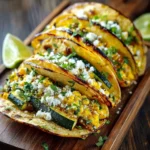
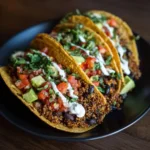
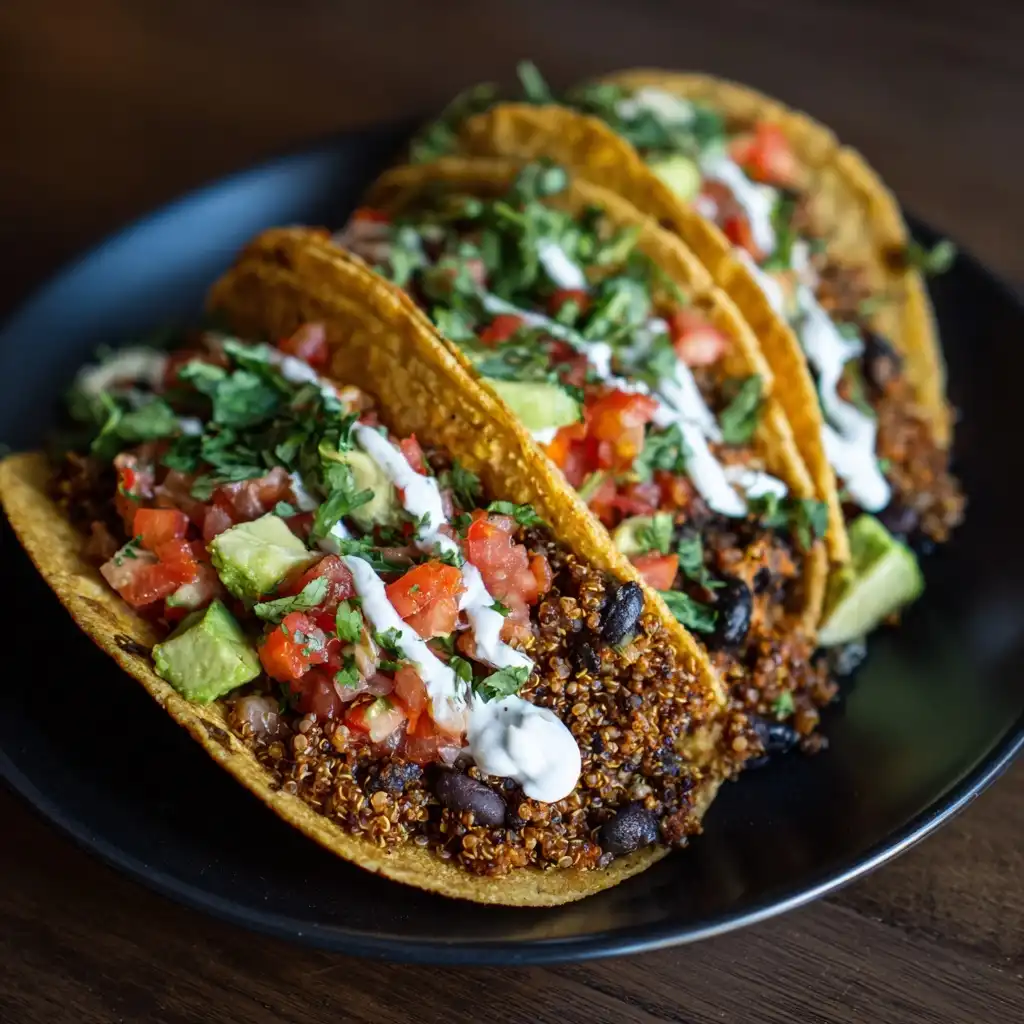
- Assemble with Intention: Spoon ⅓–½ cup filling onto each warm tortilla. Top generously with quick-pickled red onions (thinly sliced red onion soaked 15 min in lime juice + pinch of salt + ½ tsp honey), sliced avocado or house-made guac (mashed avocado + lime + minced red onion + jalapeño + cilantro + flaky salt), crumbled cotija or vegan feta, and a final flourish of micro cilantro or radish sprouts.
Tips
- Texture Mastery: For optimal mouthfeel, never overcook quinoa—it turns gummy. The 15-minute simmer + 10-minute steam-rest ensures perfect al dente tenderness and fluffy separation.
- Chipotle Control: Start with 1 tablespoon chopped chipotle + 1 tablespoon adobo sauce. You can always add more—but you can’t take it back. Reserve extra adobo sauce in ice cube trays for future soups, marinades, or roasted vegetables.
- No-Soggy Taco Secret: Drain beans *thoroughly*—excess moisture steams the quinoa and makes fillings mushy. Pat rinsed beans dry with a clean kitchen towel if needed.
- Meal Prep Power: Cook quinoa and bean mixture separately up to 4 days ahead. Store chilled in airtight containers. Assemble tacos fresh—warm tortillas and add wet toppings (guac, salsa) at the last minute.
- Tortilla Tenderizing Hack: Lightly brush warmed tortillas with melted coconut oil or avocado oil before filling—they’ll hold shape better and develop a delicate crisp edge when folded.
- Flavor Layering Tip: Bloom spices *before* adding beans—this unlocks volatile oils and transforms flat heat into multidimensional warmth.
- Acid is Your Ally: Always finish with fresh lime juice *after* cooking—not during. Heat dulls citrus volatility, so that final squeeze delivers maximum aromatic brightness and palate-refreshing contrast.
Variations and Customizations
This recipe thrives on adaptability—here’s how to tailor it to your lifestyle, pantry, or cravings:
- Vegan/Vegetarian Enhancements: Stir in ½ cup crumbled tempeh bacon (pan-fried with tamari + liquid smoke) or toasted pepitas for extra crunch and protein. Swap cotija for almond-based queso fresco or crumbled tofu “feta” marinated in lemon, nutritional yeast, and garlic.
- Gluten-Free Assurance: Double-check labels on adobo sauce (some contain wheat-based vinegar or thickeners) and vegetable broth. Use certified GF tamari instead of soy sauce if adding umami depth.
- Low-Carb/Keto-Friendly: Replace quinoa with riced cauliflower (sautéed until dry and golden) or shirataki rice. Boost healthy fats with extra avocado, olive oil drizzle, and hemp seeds.
- Higher Protein Boost: Fold in ½ cup cooked lentils, crumbled seitan, or textured vegetable protein (TVP) rehydrated in mushroom broth. Add a soft-boiled egg or pickled jalapeño-stuffed hard-boiled egg on top.
- Global Twists:
- Mediterranean: Swap chipotle for harissa; add kalamata olives, roasted red peppers, and crumbled feta with lemon-dill yogurt sauce.
- Thai-Inspired: Use red curry paste instead of chipotle; stir in shredded carrots, snap peas, and crushed peanuts; top with mango-lime slaw and cilantro-mint chutney.
- Smoky Southwest: Add roasted sweet potato cubes and charred corn kernels; finish with chipotle crema (vegan sour cream + chipotle + lime).
- Kid-Friendly Mild Version: Omit chipotle and cayenne; use mild paprika and add 1 tablespoon tomato paste + 1 teaspoon cocoa powder for rich depth without heat. Serve with mild avocado-cilantro sauce and baked sweet potato “nachos” on the side.
- Instant Pot / Pressure Cooker Shortcut: Combine rinsed quinoa, broth, and a bay leaf; pressure cook 1 minute, natural release 10 minutes. For beans: use dried black beans (1 cup soaked overnight) with 3 cups water, 1 tsp cumin, 1 tsp smoked paprika—pressure cook 25 minutes, natural release 20 minutes. Mash and combine as directed.
Health Considerations and Nutritional Value
A single serving (2 tacos, ~1 cup filling + 2 small corn tortillas + ¼ avocado) delivers an impressive nutritional profile backed by science:
- Complete Plant Protein: ~18–22g per serving—meeting ~35–45% of average adult daily needs. Quinoa’s lysine + black beans’ methionine create a complementary amino acid matrix comparable to animal proteins—ideal for muscle repair, enzyme synthesis, and satiety signaling.
- Fiber Powerhouse: ~14–17g total fiber (soluble + insoluble), exceeding 50% of the Daily Value. Supports microbiome diversity, stabilizes blood sugar (low glycemic index ~35), and promotes regularity—thanks to resistant starch in cooled quinoa and pectin in beans.
- Phytonutrient Density: Anthocyanins (black bean skins), quercetin (onions), lutein (cilantro), capsaicin (chipotle), and limonene (lime) collectively exert anti-inflammatory, antioxidant, and neuroprotective effects—linked in studies to reduced risk of chronic disease.
- Mineral Synergy: Iron from beans + vitamin C from lime + organic acids from adobo sauce enhance non-heme iron absorption by up to 300%. Magnesium (quinoa), potassium (avocado, beans), and calcium (nixtamalized tortillas) support nerve conduction, blood pressure regulation, and bone mineralization.
- Dietary Inclusivity: Naturally free of dairy, eggs, nuts, soy (if using soy-free broth), and gluten—making it suitable for many elimination diets. Easily adapted for low-FODMAP (use canned, well-rinsed beans; limit onion/garlic; substitute garlic-infused oil and green onion tops).
- Calorie-Conscious Balance: ~420–480 kcal per serving—substantive without excess. Healthy fats from avocado and spices promote satiety hormones (CCK, GLP-1), helping curb unnecessary snacking.
- Considerations: Those with IBS may benefit from starting with smaller portions and monitoring tolerance to beans and cruciferous garnishes. Individuals on blood thinners should consult their provider before increasing vitamin K-rich foods (cilantro, leafy greens) consistently.
Ingredients
- 1 cup tri-color or white quinoa, rinsed well
- 2 cups low-sodium vegetable broth (or filtered water)
- 1 tablespoon avocado oil or olive oil
- 1 medium yellow onion, finely diced
- 3 garlic cloves, minced
- 1 tablespoon ground cumin
- 1½ teaspoons smoked paprika
- ½ teaspoon dried oregano
- ¼ teaspoon cayenne pepper (optional, for added heat)
- 2 (15-ounce) cans low-sodium black beans, rinsed and thoroughly drained
- ¼ cup reserved bean liquid or water
- 2–3 tablespoons chipotle peppers in adobo sauce, finely chopped (plus 1–2 tbsp adobo sauce)
- 1½ teaspoons fresh lime juice (plus extra for finishing)
- 1 teaspoon apple cider vinegar
- 1 teaspoon pure maple syrup or coconut sugar
- ¾–1 teaspoon fine sea salt (to taste)
- ¼ cup fresh cilantro leaves, finely chopped
- 2 tablespoons lime zest
- 8–10 (6-inch) 100% stone-ground corn tortillas
- For Serving: Quick-pickled red onions, sliced avocado or guacamole, crumbled cotija or vegan feta, micro cilantro or radish sprouts, lime wedges
Directions
- Rinse quinoa thoroughly in a fine-mesh strainer under cold water for at least 90 seconds. Transfer to a medium saucepan with vegetable broth and a pinch of salt. Bring to a boil over medium-high heat, then reduce heat to low, cover tightly, and simmer for 15 minutes.
- Remove from heat and let stand, covered, for 10 minutes. Fluff gently with a fork and spread on a baking sheet to cool slightly (5–7 minutes).
- While quinoa cooks, heat oil in a large nonstick skillet over medium heat. Sauté diced onion and garlic until soft and fragrant (~4–5 minutes). Stir in cumin, smoked paprika, oregano, and cayenne; toast 60 seconds until deeply aromatic.
- Add rinsed black beans, bean liquid (or water), chopped chipotle, and adobo sauce. Reduce heat to medium-low and simmer uncovered for 8–10 minutes, stirring occasionally and lightly mashing about one-third of the beans with a wooden spoon.
- Stir in lime juice, apple cider vinegar, maple syrup, and salt. Taste and adjust seasoning—add more lime for brightness, chipotle for heat, or salt for balance.
- Gently fold in cooled quinoa, chopped cilantro, and lime zest. Let rest off heat for 5 minutes to meld flavors.
- Heat a dry skillet or comal over medium-high heat. Warm each tortilla for 30–45 seconds per side until pliable and lightly blistered. Keep wrapped in a towel.
- Assemble tacos: spoon warm filling onto center of each tortilla. Top with pickled onions, avocado slices or guac, cheese, and fresh herbs. Serve immediately with lime wedges.
FAQ
- Can I make these tacos ahead of time?
- Absolutely! The black bean-quinoa filling tastes even better the next day as flavors deepen. Store in an airtight container in the refrigerator for up to 4 days. Reheat gently on the stovetop with a splash of broth or water to restore moisture. Warm tortillas fresh and assemble just before serving for best texture.
- Are canned black beans nutritious—or should I cook dried?
- Both are excellent! Canned beans retain nearly all fiber, protein, and micronutrients—and save significant time. Choose low-sodium or no-salt-added varieties, and always rinse. If using dried beans: soak overnight, then cook with kombu seaweed (adds minerals and aids digestibility) until tender (~60–90 minutes). Dried beans offer slightly higher resistant starch post-cooling.
- Why does my quinoa taste bitter?
- Almost certainly due to residual saponins—natural compounds coating the seed. Always rinse quinoa thoroughly before cooking, preferably under cold running water in a fine-mesh strainer for at least 90 seconds. Rubbing gently between fingers helps dislodge them.
- Can I freeze the filling?
- Yes! Cool completely, portion into freezer-safe containers or bags (leave ½-inch headspace), and freeze for up to 3 months. Thaw overnight in the fridge, then reheat slowly with a tablespoon of water or broth to refresh texture.
- What if I don’t like spicy food?
- Simply omit the chipotle and cayenne. Use 1 teaspoon ancho chili powder (mild, fruity) plus ½ teaspoon cocoa powder for earthy depth. Or try roasted poblano peppers blended into the filling for subtle, smoky sweetness.
- Are corn tortillas really gluten-free?
- 100% corn tortillas made from masa harina (nixtamalized corn flour), water, and lime are naturally gluten-free—but cross-contamination is common in facilities that also process wheat. For strict GF needs, choose brands certified gluten-free (e.g., Mission Gluten Free, Siete, or local artisanal makers using dedicated equipment).
- How do I prevent soggy tacos?
- Three keys: (1) Drain and pat beans dry; (2) Cool quinoa before mixing (steam condenses and waters down filling); (3) Assemble with warm (not hot) tortillas and add wet toppings (guac, salsa) at the last second—not mixed into the filling.
- Can I use another grain instead of quinoa?
- Yes—with caveats. Brown rice or farro offer chew and nuttiness but lack complete protein. Millet or teff work well and are GF. Cauliflower rice is lower-carb but less binding—add 1 tbsp ground flaxseed + 2 tbsp water to help hold shape. Avoid overly starchy grains like white rice unless paired with extra texture (toasted seeds, roasted veggies).
Summary
Spicy Black Bean Quinoa Tacos are a masterclass in plant-powered flavor, nutrition, and versatility—uniting ancient superfoods with modern culinary wisdom to create a meal that satisfies hunger, honors wellness goals, and sparks joy with every bite. With customizable heat, endless topping options, make-ahead ease, and profound nutritional synergy, they’re not just dinner—they’re a delicious commitment to thriving, one taco at a time.