Introduction
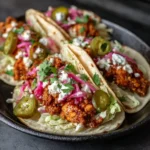
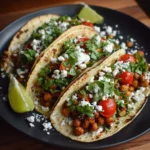
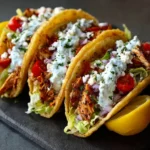
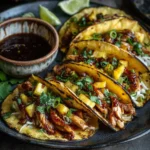
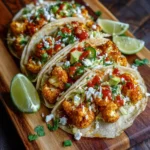
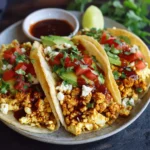
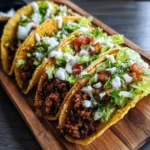
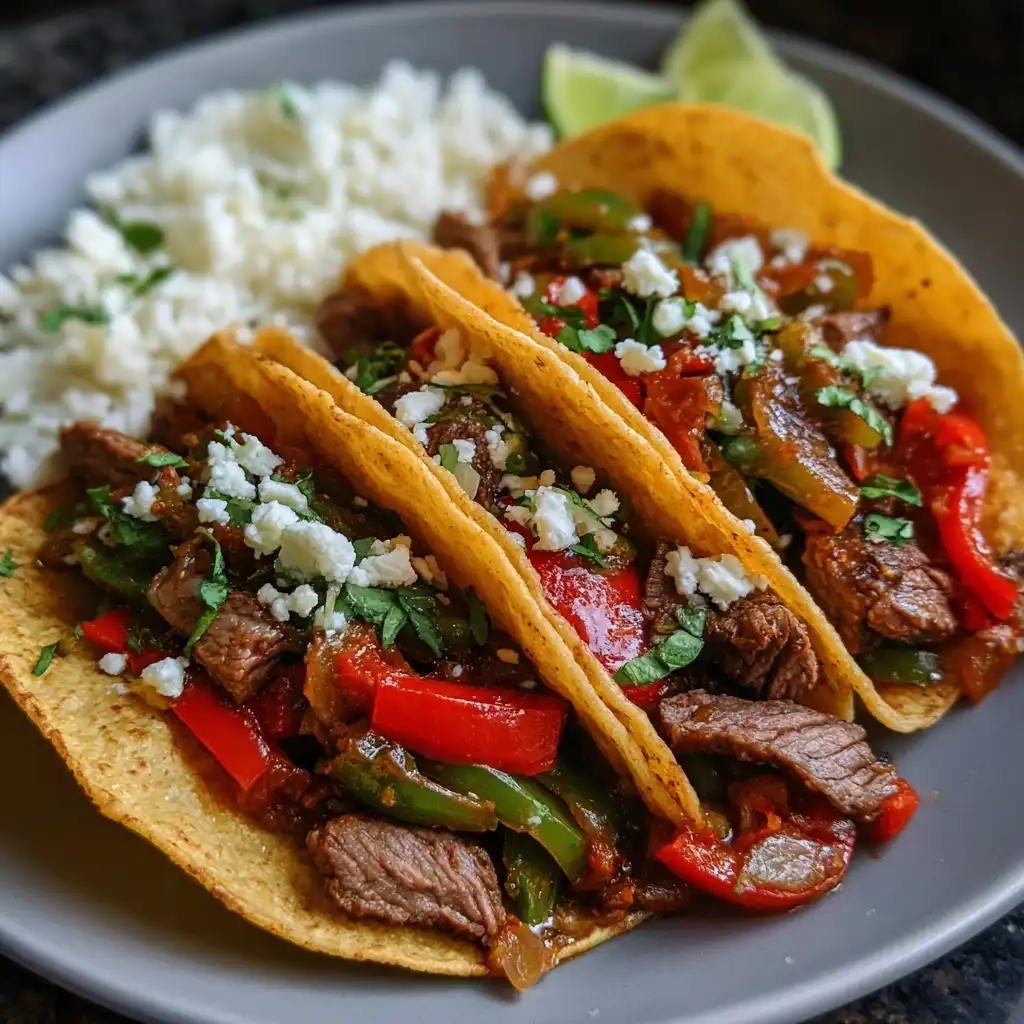
Steak fajita tacos are a vibrant, sizzling celebration of Tex-Mex culinary tradition—where bold flavors, tender marinated beef, and colorful sautéed peppers and onions come together in warm, pliable tortillas. More than just a meal, they’re an experience: the unmistakable hiss of skirt or flank steak hitting a scorching-hot skillet, the aromatic perfume of cumin, smoked paprika, and charred vegetables rising into the air, and the joyful ritual of assembling your own custom taco at the table. Whether served at backyard barbecues, weeknight dinners, or festive gatherings, steak fajita tacos embody versatility, freshness, and fiery authenticity—all wrapped in one irresistible handheld package.
The History
The roots of steak fajitas trace back to the ranching culture of South Texas in the early 20th century. Mexican vaqueros (cowboys) working on Anglo-owned ranches were often paid in less desirable cuts of beef—including the flavorful, fibrous skirt steak—along with offal and trimmings. Resourceful and resilient, these workers transformed skirt steak by marinating it in simple, acidic, and aromatic ingredients (like lime juice, chiles, and spices) to tenderize and enhance flavor, then grilled it over open flames alongside readily available vegetables such as onions and bell peppers. The term “fajita” (derived from the Spanish word faja, meaning “belt” or “girdle”) originally referred specifically to the cut of meat—the muscular diaphragm of the cow—but evolved to describe the entire dish: meat + vegetables + tortillas, served sizzling hot.
It wasn’t until the 1970s that fajitas entered mainstream American consciousness—largely thanks to Ninfa Laurenzo, the Houston restaurateur who popularized them at her iconic restaurant, Ninfa’s on Navigation. Her “Tacos al Carbón”—grilled fajita-style meats served with warm flour tortillas, guacamole, sour cream, and pico de gallo—ignited a national craze. By the 1980s, fajitas became a staple on Tex-Mex menus across the U.S., evolving into a customizable, interactive dining experience where sizzle platters took center stage. Today, steak fajita tacos honor that legacy while embracing modern interpretations—from grass-fed beef and heirloom chiles to gluten-free tortillas and plant-forward adaptations—all while staying true to their rustic, flame-kissed soul.
Ingredients Breakdown
Every exceptional steak fajita taco begins with thoughtfully selected, high-quality components. Below is a detailed breakdown—not just of *what* goes in, but *why* each ingredient matters:
- Skirt Steak (or Flank Steak): The traditional choice—skirt steak boasts intense beefy flavor, abundant marbling, and a porous texture that eagerly absorbs marinades. Its long muscle fibers benefit from quick, high-heat cooking and slicing *against the grain*, ensuring tenderness. Flank steak is a close second: leaner, slightly firmer, but equally receptive to bold seasonings and ideal when sliced thinly.
- Marinade Base – Acid: Fresh lime juice (and sometimes orange juice) provides essential acidity to break down connective tissue, brighten flavors, and prevent the meat from tasting flat or greasy. Vinegar (apple cider or white) may be added for extra tang and preservation.
- Aromatics – Onion & Garlic: Finely minced yellow onion and fresh garlic form the savory backbone of the marinade, releasing volatile compounds when heated that deepen umami and add complexity. Raw garlic also contributes subtle enzymatic tenderizing action.
- Dry Spices: A signature trio—ground cumin (earthy, warm, slightly smoky), smoked paprika (for depth and gentle heat without overwhelming spice), and chili powder (a blend typically including ancho, cayenne, and oregano)—creates the unmistakable fajita profile. Optional additions include dried oregano (Mexican variety preferred), coriander, and a whisper of cocoa powder for richness.
- Heat Elements: Fresh jalapeños or serranos (seeded and finely diced) bring bright, vegetal heat; chipotle peppers in adobo add smoky-sweet intensity and low-lying fire. For layered heat, many chefs combine both—fresh for upfront zing, chipotle for lingering warmth.
- Fat Component: Neutral oil (avocado, grapeseed, or light olive oil) carries fat-soluble flavor compounds, promotes even browning (Maillard reaction), and prevents sticking during searing. It also helps emulsify the marinade for better adhesion.
- Sweetness & Depth: A touch of brown sugar or honey balances acidity and salt, encourages caramelization, and enhances crust development. Worcestershire sauce adds fermented umami, tamarind paste lends fruity tartness, and soy sauce (in small amounts) boosts savory depth—especially useful in reduced-sodium preparations.
- Fajita Vegetables: Tri-color bell peppers (red, yellow, green) offer sweetness, crunch, and visual appeal; red onions provide sharpness and structural integrity when sautéed; poblano peppers add mild earthiness and complexity. All are sliced uniformly (¼-inch strips) to ensure even cooking.
- Tortillas: Authenticity leans toward soft, pliable flour tortillas (often made with lard or vegetable shortening for tenderness), though corn tortillas (double-wrapped for strength) are gluten-free and traditionally used in Northern Mexico. Warmth and flexibility are non-negotiable—cold or stiff tortillas crack and spill fillings.
- Accompaniments: Fresh lime wedges (essential for finishing acidity), chopped cilantro (bright, citrusy notes), diced white onion (sharp contrast), crumbled queso fresco or cotija (salty, milky, crumbly), creamy guacamole or sliced avocado, cool sour cream or Mexican crema, and vibrant pico de gallo or salsa verde round out the sensory experience—balancing heat, richness, acidity, and freshness.
Step-by-Step Recipe
- Prep the Steak: Pat skirt or flank steak completely dry with paper towels. Trim excess silver skin or hard fat—but leave some marbling intact for flavor. Place steak on a cutting board and, using a sharp knife, slice *against the grain* into ½-inch thick strips (not cubes). Cutting against the grain shortens tough muscle fibers, guaranteeing tenderness—even if slightly overcooked.
- Make the Marinade: In a large non-reactive bowl (glass, stainless steel, or ceramic), whisk together ⅓ cup fresh lime juice, 3 tbsp avocado oil, 4 minced garlic cloves, ½ cup finely diced yellow onion, 2 tsp ground cumin, 2 tsp smoked paprika, 1½ tsp chili powder, 1 tsp dried oregano, 1 tsp kosher salt, ½ tsp black pepper, 1 tbsp brown sugar, 1 tbsp Worcestershire sauce, and 1–2 finely minced jalapeños (seeds removed for milder heat). For smokier depth, stir in 1–2 tsp finely minced chipotle in adobo.
- Marinate the Steak: Add steak strips to the marinade, tossing thoroughly to coat every surface. Cover and refrigerate for *minimum 30 minutes*, but ideally 2–4 hours. Avoid marinating longer than 8 hours—excessive acid can cause texture to become mealy. Turn once halfway through.
- Prep Vegetables: While steak marinates, core and slice 2 red bell peppers, 1 yellow bell pepper, 1 green bell pepper, and 1 large red onion into uniform ¼-inch-wide strips. Keep separate from marinade. Optional: add 1 deseeded and sliced poblano for earthy nuance.
- Heat Your Cooking Surface: Place a heavy-bottomed cast-iron skillet or stainless steel griddle over medium-high heat for 5 minutes until smoking hot. Alternatively, preheat a gas grill to high (450–500°F) or prepare a charcoal grill with two-zone heat (hot direct side, cooler indirect side).
- Cook the Steak: Remove steak from marinade, shaking off excess (do not rinse). Discard marinade. Sear steak in a single layer—do not overcrowd—working in batches if needed. Cook 1½–2 minutes per side until deeply browned and medium-rare (130–135°F internal temp). Transfer to a clean plate, loosely tent with foil, and rest 5 minutes. Resting allows juices to redistribute—critical for juicy bites.
- Sauté the Vegetables: In the same skillet (add 1 tbsp oil if dry), add peppers and onions. Sauté over medium-high heat 6–8 minutes, stirring frequently, until edges begin to char and vegetables soften but retain bite (al dente). Season lightly with salt and a pinch of cumin. For extra char, finish under a broiler for 1–2 minutes.
- Combine & Finish: Return rested steak to skillet with vegetables. Toss gently over low heat for 1 minute to meld flavors and warm through. Squeeze fresh lime juice (1–2 tbsp) over top and scatter with chopped cilantro.
- Warm Tortillas: Heat tortillas individually on a dry skillet over medium heat for 30 seconds per side until soft, puffy, and lightly speckled. Or wrap in a damp cotton towel and steam in a covered bamboo steamer for 2–3 minutes. Keep wrapped in a towel-lined basket or insulated tortilla warmer to stay pliable.
- Assemble Tacos: Place 2–3 oz of steak-vegetable mixture onto each warm tortilla. Top generously with accompaniments: crumbled queso fresco, diced white onion, fresh cilantro, a spoonful of guacamole, a dollop of sour cream, and a final squeeze of lime. Serve immediately while sizzling and fragrant.
Tips
- Freeze for Easier Slicing: For ultra-thin, consistent steak strips, place the whole steak in the freezer for 20–30 minutes before slicing—it firms up just enough for clean, precise cuts without tearing.
- Don’t Skip the Rest: Cutting into steak too soon releases precious juices, resulting in dry, stringy bites. Resting for 5 minutes ensures maximum moisture retention and tenderness.
- Control Smoke with Oil Choice: Avocado oil has a high smoke point (520°F); avoid olive oil (low smoke point) for searing. If pan-smoking excessively, reduce heat slightly after initial sear and finish cooking off-heat.
- Char Is Flavor—But Don’t Burn: Aim for blistered, darkened edges on peppers and onions—not blackened ash. Stir constantly and pull from heat the moment they reach deep golden-brown with slight resistance.
- Double-Wrap Corn Tortillas: To prevent cracking and leakage, always use two 6-inch corn tortillas per taco. Their natural starches fuse slightly when warmed, creating a sturdier vessel.
- Keep Tortillas Hot & Steamy: Cold tortillas stiffen and tear. Use a tortilla warmer, insulated basket, or wrap in foil and hold in a low oven (200°F) until serving.
- Prep Ahead Strategically: Marinate steak overnight, slice vegetables in advance (store separately in airtight containers), and make sauces ahead—but cook steak and veggies fresh for optimal texture and aroma.
- Reserve Some Marinade for Basting: Before adding steak, set aside 2 tablespoons of marinade. Boil it vigorously for 2 minutes to kill bacteria, then brush lightly over cooked steak for glossy, intense flavor.
- Use a Meat Thermometer: For perfect doneness, aim for 130–135°F (medium-rare) for skirt/flank. Carryover cooking will raise temp 5°F during resting. Overcooking leads to toughness—these cuts lack forgiving fat.
- Clean Skillet Between Steps: If switching from steak to veggies in the same pan, wipe out excess charred bits (they’ll burn and taste bitter), then re-oil before adding vegetables.
Variations and Customizations
Steak fajita tacos are gloriously adaptable—celebrating regional influences, dietary preferences, seasonal produce, and personal creativity. Here are inspired variations that maintain authenticity while pushing delicious boundaries:
- Grass-Fed & Dry-Aged Upgrade: Elevate with grass-fed skirt steak, dry-aged for 14–21 days—intensifying nutty, mineral-rich depth. Reduce marinating time to 1–2 hours to preserve delicate texture.
- Smoked Fajita Tacos: Cold-smoke skirt steak for 30 minutes over oak or mesquite chips before marinating, then finish on a hot grill or skillet. Adds profound woodsy nuance without overpowering.
- Asian-Fusion Fajitas: Swap lime for yuzu or rice vinegar; replace cumin/paprika with toasted sesame oil, grated ginger, tamari, gochujang, and scallions. Serve with pickled daikon, nori strips, and wasabi aioli.
- Breakfast Fajita Tacos: Use leftover fajita steak and veggies folded into scrambled eggs or a fluffy frittata. Top with melted Monterey Jack, avocado slices, and chipotle-maple syrup drizzle.
- Vegan “Steak” Fajitas: Substitute marinated, grilled king oyster mushrooms (sliced lengthwise to mimic steak grain) or seared marinated tempeh strips. Boost umami with liquid smoke, nutritional yeast, and mushroom powder.
- Seafood Fajita Fusion: Replace beef with wild-caught Gulf shrimp, scallops, or mahi-mahi. Marinate 15 minutes max in citrus-heavy blend with epazote or cilantro stems. Sear quickly—30–60 seconds per side—and serve with mango-jalapeño salsa.
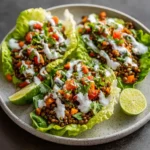
- Low-Carb/Keto Version: Skip tortillas entirely—serve sizzling fajita mixture over cauliflower rice, in lettuce cups (butter or romaine), or wrapped in grilled portobello caps. Boost healthy fats with avocado crema and pepitas.
- Breakfast-for-Dinner Brunch Fajitas: Top warm tortillas with fajita steak, roasted sweet potatoes, fried eggs, crumbled chorizo, and chipotle hollandaise.
- Regional Mexican Twists: In Sonora: use handmade flour tortillas cooked on a comal, garnish with roasted tomato salsa and crumbled Chihuahua cheese. In Veracruz: add pickled jalapeños, habanero escabeche, and fresh epazote.
- Global Spice Profiles: Moroccan-inspired: harissa, preserved lemon, ras el hanout, mint. Indian-inspired: garam masala, tamarind chutney, cucumber raita. Lebanese-inspired: sumac, pomegranate molasses, parsley-tahini sauce.
Health Considerations and Nutritional Value
When prepared mindfully, steak fajita tacos can be a nutrient-dense, balanced, and satisfying meal—far beyond typical fast-food fare. Here’s a comprehensive look at their nutritional landscape and wellness considerations:
- Protein Powerhouse: A 4-oz serving of grilled skirt steak delivers ~26g high-quality complete protein—containing all nine essential amino acids critical for muscle repair, immune function, and satiety. Leaner cuts like flank offer similar benefits with slightly less saturated fat.
- Rich in Micronutrients: Beef is an exceptional source of heme iron (highly bioavailable), zinc (supports immunity and wound healing), vitamin B12 (vital for nerve health and red blood cell formation), selenium (antioxidant), and choline (brain and liver health). Bell peppers contribute generous vitamin C—enhancing non-heme iron absorption from plant-based sides.
- Heart-Healthy Fats: When cooked with avocado or olive oil and topped with avocado or guacamole, fajita tacos deliver monounsaturated fats linked to improved cholesterol profiles and reduced inflammation. Skirt steak contains beneficial conjugated linoleic acid (CLA), associated with metabolic health in emerging research.
- Fiber & Phytonutrients: Colorful bell peppers and onions supply antioxidants (quercetin, lycopene, beta-carotene), anti-inflammatory compounds, and dietary fiber—supporting gut health and reducing oxidative stress. Cilantro and lime further boost detoxification pathways.
- Sodium Awareness: Traditional marinades and cheeses can elevate sodium. Mitigate by using low-sodium soy sauce or tamari, limiting added salt, choosing unsalted tortillas, and opting for fresh herbs instead of salty seasoning blends.
- Gluten Sensitivity: Flour tortillas contain gluten. Easily accommodated with certified gluten-free corn tortillas, cassava flour tortillas, or lettuce wraps—ensuring safety for those with celiac disease or non-celiac gluten sensitivity.
- Low-Glycemic Impact: With minimal added sugars and complex carbs from whole-grain or sprouted tortillas (optional), fajita tacos have a moderate glycemic load—ideal for blood sugar management when portion-controlled and paired with fiber-rich vegetables.
- Customizable for Dietary Needs: Naturally dairy-free (omit cheese/crema), easily made paleo (swap tortillas for plantain chips or roasted sweet potato rounds), Whole30-compliant (use compliant spices and omit sugar/Worcestershire), and adaptable for renal diets (low-phosphorus prep, no processed cheese).
- Mindful Portion Guidance: One well-balanced taco contains ~350–450 kcal. Optimal portions: 2–3 tacos per meal, emphasizing vegetables (fill half the plate), lean protein (¼ plate), and complex carbs (¼ plate). Pair with a simple black bean and corn salad or jicama slaw for added fiber and volume.
- Food Safety Notes: Always marinate in the refrigerator—not on the counter. Never reuse raw marinade unless boiled for 2+ minutes. Cook steak to safe internal temps (145°F for medium, per USDA), though traditional preference remains medium-rare (130–135°F) for tenderness—acceptable for healthy adults when sourced from reputable suppliers.
Ingredients
- 1½ lbs skirt steak or flank steak, trimmed and sliced against the grain into ½-inch strips
- ⅓ cup fresh lime juice (about 3–4 limes)
- 3 tbsp avocado oil (or high-heat neutral oil)
- ½ cup finely diced yellow onion
- 4 large garlic cloves, minced
- 2 tsp ground cumin
- 2 tsp smoked paprika
- 1½ tsp chili powder (ancho-based preferred)
- 1 tsp dried Mexican oregano
- 1 tsp kosher salt (plus more to taste)
- ½ tsp freshly ground black pepper
- 1 tbsp packed brown sugar or coconut sugar
- 1 tbsp Worcestershire sauce (gluten-free if needed)
- 1–2 jalapeños, seeded and finely minced
- 1–2 tsp chipotle peppers in adobo, finely minced (optional, for smoky heat)
- 2 red bell peppers, cored and sliced into ¼-inch strips
- 1 yellow bell pepper, cored and sliced
- 1 green bell pepper, cored and sliced
- 1 large red onion, halved and sliced into ¼-inch half-moons
- 1 tbsp additional avocado oil (for vegetables)
- 8–12 6-inch flour tortillas (or corn tortillas for GF)
- ¼ cup fresh cilantro leaves, chopped
- 1 lime, cut into wedges
- Accompaniments (choose 3–5): crumbled queso fresco or cotija, diced white onion, guacamole or sliced avocado, sour cream or Mexican crema, pico de gallo, salsa verde, pickled red onions, chipotle mayo
Directions
- Prepare the steak: Pat dry with paper towels. Slice against the grain into ½-inch wide strips. Place in a large bowl.
- In a separate bowl, whisk together lime juice, 3 tbsp avocado oil, diced onion, minced garlic, cumin, smoked paprika, chili powder, oregano, salt, pepper, brown sugar, Worcestershire, jalapeños, and chipotle (if using).
- Pour marinade over steak strips. Toss to coat evenly. Cover and refrigerate 30 minutes to 4 hours.
- While marinating, prepare vegetables: Core and slice bell peppers and red onion into uniform ¼-inch strips. Set aside.
- Heat a large cast-iron skillet or griddle over medium-high heat until smoking hot (about 5 minutes).
- Remove steak from marinade (discard marinade) and shake off excess. Sear in batches without crowding—1½–2 minutes per side—until deeply browned and medium-rare. Transfer to a plate, tent loosely with foil, and rest 5 minutes.
- In the same skillet (add 1 tbsp oil if needed), add peppers and onions. Sauté 6–8 minutes over medium-high heat, stirring frequently, until blistered and tender-crisp.
- Return rested steak to skillet with vegetables. Toss gently over low heat for 1 minute. Squeeze 1–2 tbsp fresh lime juice over mixture and scatter with cilantro.
- Warm tortillas: Heat individually in a dry skillet 30 seconds per side until soft and pliable—or steam in a damp towel-lined basket for 2–3 minutes. Keep wrapped to retain heat and moisture.
- Assemble tacos: Spoon 2–3 oz of fajita mixture onto each warm tortilla. Top generously with desired accompaniments. Serve immediately with extra lime wedges.
FAQ
- Can I use other cuts of beef?
- Yes—flank steak is the most common alternative and yields excellent results. Flat iron, hanger steak, or even thinly sliced ribeye work well. Avoid tougher, slow-cook cuts like chuck or brisket unless shredded and simmered (which changes the dish entirely). Ground beef is not traditional for fajitas but can be adapted into “fajita-spiced” tacos.
- Why is my steak tough?
- Toughness usually stems from one of four causes: (1) slicing *with* the grain instead of against it, (2) overcooking beyond medium-rare/medium, (3) skipping the resting period, or (4) using a cut that’s inherently less tender and not properly marinated or sliced. Always cut against the grain and monitor internal temperature.
- Can I make this ahead of time?
- You can marinate steak and chop vegetables up to 1 day ahead. Cooked steak and veggies can be refrigerated for up to 3 days—but for best texture and aroma, sear and sauté fresh. Reheat gently in a skillet with a splash of broth or lime juice to restore moisture.
- Are flour tortillas authentic for fajitas?
- Historically, yes—especially in Texas and commercial Tex-Mex settings, where soft flour tortillas made with lard or shortening were standard due to availability and pliability. Corn tortillas are more traditional in rural Northern Mexico and are widely embraced today for authenticity, gluten-free needs, and earthy flavor.
- How do I prevent soggy tortillas?
- Sogginess comes from cold tortillas, excess moisture in fillings, or premature assembly. Always warm tortillas just before serving. Drain any excess liquid from sautéed vegetables (a quick pat with paper towel helps). Assemble tacos tableside—not en masse—and serve immediately.
- What’s the best way to reheat leftovers?
- Reheat steak and vegetables separately in a skillet over medium heat with 1 tsp oil and a splash of lime juice—stirring constantly for 2–3 minutes until sizzling hot. Warm tortillas fresh. Avoid microwaving assembled tacos—they become rubbery and unevenly heated.
- Can I freeze marinated steak?
- Yes—marinated skirt or flank steak freezes beautifully for up to 3 months. Place in a vacuum-sealed or heavy-duty freezer bag, removing all air. Thaw overnight in the refrigerator before cooking. Do not refreeze after thawing.
- Is there a vegetarian substitute that mimics steak texture?
- King oyster mushrooms are the gold standard: their dense, fibrous stems closely replicate the chew and “meaty” mouthfeel of skirt steak when sliced lengthwise and grilled or pan-seared. Marinate 20–30 minutes in a reduced-acid version of the fajita blend (less lime, more tamari/liquid smoke).
- What drinks pair well with steak fajita tacos?
- Classic pairings include an ice-cold Mexican lager (Modelo Especial, Pacifico), a crisp Albariño or Verdejo (Spanish whites with bright acidity), a smoky Mezcal Old Fashioned, or a refreshing Michelada. Non-alcoholic options: hibiscus agua fresca, lime-mint sparkling water, or horchata.
- How spicy are traditional fajitas?
- Authentically, they’re *moderately* spicy—not overwhelmingly hot. Heat comes from fresh chiles (jalapeño/serrano) and chili powder, but the dominant profile is smoky, earthy, and citrusy. Spice level is highly customizable: omit seeds/membr