Introduction
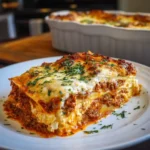
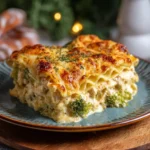
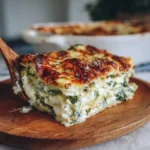
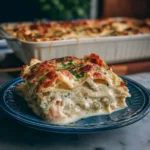
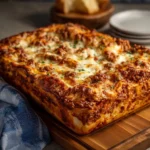
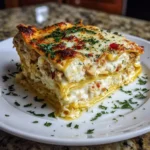
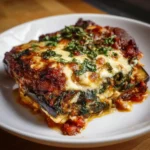
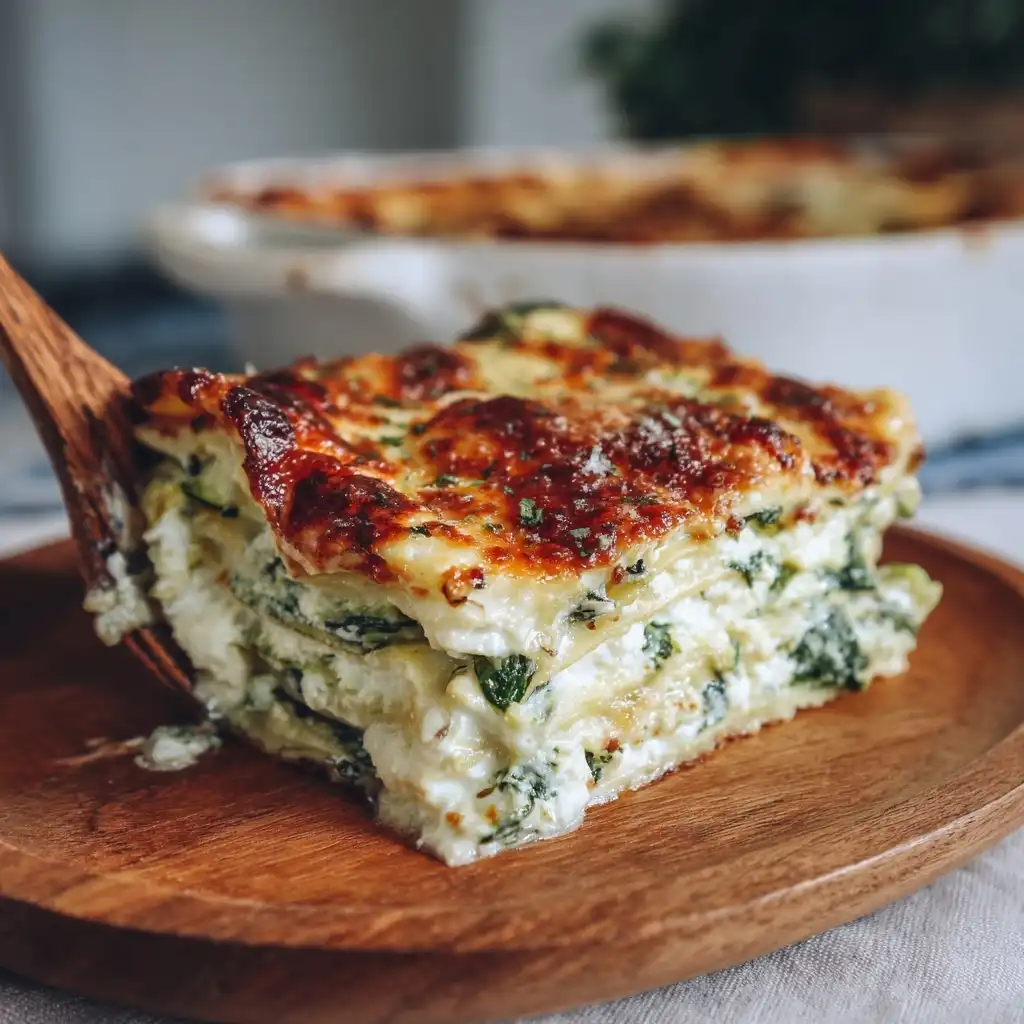
Welcome to a fresh, vibrant, and nutritionally rich twist on a beloved classic: Zucchini Spinach White Lasagna. This modern reinterpretation swaps traditional pasta sheets for tender, nutrient-dense zucchini ribbons and layers them with creamy, herb-infused ricotta, wilted spinach, garlic-sautéed shallots, and a luscious white sauce—no flour, no heavy roux, just pure, wholesome indulgence. Designed for health-conscious home cooks, gluten-free eaters, low-carb enthusiasts, and vegetable lovers alike, this dish delivers all the comforting depth and layered satisfaction of traditional lasagna—without the heaviness or refined carbs. Whether you’re meal-prepping for the week, hosting a garden-to-table dinner party, or simply craving something soul-warming yet light, this recipe harmonizes freshness, texture, and flavor in every forkful.
The History
Lasagna’s roots trace back over 700 years—to 13th-century Italy, where early versions appeared in the medieval cookbook Liber de Coquina, featuring sheets of dough layered with grated cheese and spices. By the Renaissance, regional variations flourished across Emilia-Romagna, culminating in the iconic lasagna al forno with ragù, béchamel, and Parmigiano-Reggiano. The “white lasagna” (or lasagna bianca) tradition emerged later, emphasizing delicate dairy-based sauces over tomato-forward profiles—often enriched with nutmeg, lemon zest, and fresh herbs. The zucchini lasagna variation gained traction in the late 20th century as part of the broader “vegetable noodle” movement, accelerated by spiralizer technology and rising interest in low-glycemic, plant-forward eating. Adding spinach—a staple in Italian sfoglia verde (green pasta) traditions—elevates both color and phytonutrient density. Our Zucchini Spinach White Lasagna honors this lineage while reimagining it through a contemporary lens: seasonal, scalable, sauce-forward, and deeply nourishing—where every layer tells a story of heritage, innovation, and reverence for whole ingredients.
Ingredients Breakdown
Every component in this lasagna is intentionally selected—not just for taste, but for function, texture, and synergy:
- Zucchini: Thinly sliced lengthwise (not spiralized), salted and pressed to remove excess water—this prevents sogginess and ensures structural integrity during baking. Choose medium-sized, firm, dark-green zucchinis for optimal flavor and minimal seediness.
- Fresh Spinach: Baby spinach preferred for its tenderness and mild sweetness; sautéed just until wilted to concentrate flavor and reduce volume without turning bitter. Mature spinach works too—but blanch first to neutralize oxalates and enhance digestibility.
- White Sauce (Béchamel-Style): Made with organic whole milk, grass-fed butter, and a whisper of freshly grated nutmeg—no flour required. Instead, we use a slow-thickened reduction technique combined with a touch of cornstarch slurry for velvety consistency and gluten-free reliability. Infused with roasted garlic purée and lemon zest for brightness that cuts richness.
- Ricotta Mixture: Whole-milk ricotta (never low-fat—its fat content binds moisture and adds creaminess), blended with egg yolk, lemon juice, fresh basil, parsley, grated Pecorino Romano, and black pepper. The lemon brightens the dairy; the Pecorino adds umami depth without overwhelming salt.
- Aromatics & Seasonings: Shallots (sweeter and more nuanced than onions), roasted garlic (mellow and caramelized), fresh thyme and oregano (dried versions lack vibrancy here), sea salt harvested from Atlantic waters, and cracked Tellicherry black pepper for aromatic heat.
- Finishing Layer: A blend of aged Asiago (nutty, crystalline), fontina (melty and earthy), and a dusting of toasted pine nuts for crunch and healthy fats—added in the final 10 minutes to prevent burning.
Notably absent: no canned spinach (excess sodium and texture loss), no pre-shredded cheese (anti-caking agents inhibit melt), no dried herbs in the ricotta (they don’t hydrate properly), and no store-bought béchamel (lacks freshness and control over fat-to-milk ratio).
Step-by-Step Recipe
- Prep the Zucchini (45 min ahead): Using a mandoline or sharp chef’s knife, slice 4 medium zucchinis lengthwise into 1/8-inch ribbons (~36 total). Arrange in a single layer on triple-layered paper towels. Sprinkle generously with flaky sea salt and let rest 20 minutes. Gently press dry with fresh towels—repeat twice. Pat thoroughly until no moisture remains. Optional but recommended: lightly grill ribbons on a cast-iron griddle for 30 seconds per side to deepen flavor and improve rigidity.
- Roast the Garlic: Preheat oven to 400°F. Slice top off 1 head of garlic, drizzle with olive oil, wrap in foil, and roast 40–45 minutes until soft and golden. Squeeze out cloves and mash into a smooth paste.
- Sauté Aromatics: In a wide stainless skillet over medium-low heat, melt 2 tbsp butter. Add 1 finely minced shallot and 1 tsp thyme leaves; cook 5–6 minutes until translucent but not browned. Stir in roasted garlic paste and cook 1 minute more. Remove from heat and cool slightly.
- Wilt the Spinach: In same skillet (no additional fat needed), add 10 oz fresh baby spinach in batches. Toss constantly with tongs until just collapsed—about 90 seconds total. Transfer to a fine-mesh strainer, press firmly with the back of a spoon, then chop coarsely. Set aside.
- Make the Ricotta Filling: In a large bowl, combine 2 cups whole-milk ricotta, 1 large egg yolk, zest and juice of 1 lemon, ½ cup grated Pecorino Romano, ¼ cup chopped fresh basil, 2 tbsp chopped flat-leaf parsley, ½ tsp black pepper, and cooled shallot-garlic mixture. Fold gently with a spatula until uniform—do not overmix. Fold in wilted spinach last.
- Prepare the White Sauce: In a heavy-bottomed saucepan, warm 2½ cups whole milk with 1 tsp lemon zest and ⅛ tsp freshly grated nutmeg over low heat until steaming (do not boil). Separately, whisk together 2 tbsp cold milk + 1½ tsp cornstarch until smooth. Whisk cornstarch slurry into warm milk. Cook, stirring constantly with a silicone whisk, until thickened enough to coat the back of a spoon (~6–8 minutes). Remove from heat; stir in 3 tbsp cold butter, 1 tsp lemon juice, and ¼ tsp white pepper. Strain through a fine-mesh sieve to ensure silkiness.
- Assemble Thoughtfully: Preheat oven to 375°F. Lightly grease a 9×13-inch ceramic or glass baking dish. Spread ½ cup white sauce evenly on bottom. Lay down first zucchini layer—slightly overlapping like shingles, trimming edges to fit. Spread ⅓ of ricotta-spinach mixture evenly (approx. 1¼ cups). Drizzle with ⅓ cup white sauce. Repeat for two more layers. Top final zucchini layer with remaining white sauce, then scatter cheeses: ½ cup shredded fontina, ¼ cup grated Asiago, and 2 tbsp Pecorino. Cover tightly with parchment-lined foil.
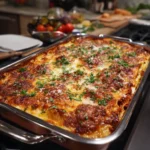
- Bake with Precision: Bake covered for 40 minutes. Carefully remove foil and bake uncovered 20–25 minutes until top is golden, edges are bubbling, and center registers 165°F on an instant-read thermometer. Let rest uncovered for 25 minutes before slicing—this allows starches to set and layers to cohere.
- Finish & Serve: Just before serving, sprinkle with toasted pine nuts, microgreens, flaky salt, and a final drizzle of high-quality lemon-infused olive oil. Serve with crusty sourdough or grilled ciabatta for dipping.
Tips
- Salt Early, Press Thoroughly: Skipping the salting step invites watery lasagna. Pressing removes up to 40% of zucchini’s water content—critical for texture. If short on time, use a clean kitchen towel and apply firm, even pressure for 2 minutes per batch.
- Grill vs. Raw Zucchini: Grilled ribbons offer superior bite and caramelized notes—but raw, well-drained zucchini yields a more delicate, “pasta-like” tenderness. Choose based on desired mouthfeel.
- Spinach Moisture Control: Never skip straining wilted spinach—even a tablespoon of residual water can pool and steam the layers. For extra insurance, place strained spinach on a dry towel and roll it up like a jelly roll to squeeze further.
- White Sauce Consistency Is Key: Too thin? It’ll leak. Too thick? It won’t layer smoothly. Ideal texture: pourable but coats the spoon thickly—like heavy cream at room temperature. If it thickens too much upon cooling, whisk in 1 tbsp warm milk.
- Cheese Selection Matters: Fontina melts luxuriously; Asiago adds sharpness; Pecorino gives salty backbone. Avoid mozzarella alone—it lacks complexity and can become rubbery. For vegan adaptation, use cashew-based ricotta and nutritional yeast–infused almond “béchamel.”
- Resting Isn’t Optional: Cutting too soon causes collapse and separation. The 25-minute rest allows proteins in ricotta and eggs to fully set and sauces to reabsorb. Use this time to prepare salad or garnishes.
- Baking Dish Choice: Ceramic retains heat evenly and promotes gentle browning; glass lets you monitor doneness visually. Avoid dark metal pans—they over-brown edges before centers are set.
- Make-Ahead Magic: Assemble up to 24 hours ahead (cover tightly and refrigerate unbaked). Add 10–15 minutes to covered bake time if going straight from fridge to oven. Or freeze assembled (unbaked) lasagna for up to 3 months—thaw overnight before baking.
Variations and Customizations
This recipe is designed as a canvas—flexible, forgiving, and endlessly adaptable:
- Protein-Powered: Layer in 1 cup cooked, crumbled Italian turkey sausage (fennel-forward) or shredded rotisserie chicken between ricotta layers. For vegetarian protein, add ½ cup cooked lentils or ¾ cup marinated tempeh crumbles.
- Mediterranean Twist: Replace spinach with chopped Swiss chard and add ¼ cup Kalamata olives, 2 tbsp capers, and 1 tsp orange zest to the ricotta. Top with crumbled feta instead of Asiago.
- Herb-Forward Garden Version: Swap basil/parsley for 3 tbsp fresh dill, 1 tbsp chives, and 2 tsp lemon thyme. Add ½ cup grated raw zucchini (squeezed dry) to ricotta for subtle moisture and freshness.
- Low-Carb Keto Adaptation: Double the zucchini layer count (6 total), omit cornstarch from white sauce (simmer longer to reduce), and replace Pecorino with aged Gouda for lower-lactose richness. Increase healthy fats with avocado oil drizzle and extra pine nuts.
- Dairy-Free / Vegan: Use silken tofu blended with lemon, nutritional yeast, and miso for ricotta; cashew-coconut milk béchamel (soaked cashews + coconut milk + onion powder + turmeric for color); and zucchini-only structure. Add sun-dried tomato paste to white sauce for umami depth.
- Gluten-Free Assurance: Already naturally GF—but verify all cheese labels (some domestic brands use wheat-based anti-caking starches). For extra safety, choose imported Italian cheeses with PDO certification.
- Spice It Up: Stir ¼ tsp crushed red pepper flakes into the white sauce, or add harissa-swirled ricotta in one layer for North African warmth.
- Breakfast Lasagna: Add 2 whisked eggs to ricotta mixture and top with fried eggs before final bake. Serve with avocado slices and hot sauce.
Health Considerations and Nutritional Value
Per generous 1-cup serving (approx. 1/12 of full recipe), this Zucchini Spinach White Lasagna delivers approximately:
- Calories: 285 kcal
- Protein: 16 g (high-quality, complete amino acid profile from dairy + eggs)
- Fat: 18 g (mostly unsaturated—zucchini skin contains omega-3 ALA; olive oil and pine nuts contribute heart-healthy monounsaturates)
- Carbohydrates: 12 g (of which 4 g fiber—over 15% DV—from zucchini, spinach, and herbs)
- Vitamin K: 145 mcg (121% DV—critical for bone metabolism and blood clotting; abundant in spinach and zucchini skin)
- Folate: 85 mcg (21% DV—supports cellular repair and prenatal health)
- Calcium: 220 mg (22% DV—enhanced by lactose-free absorption from fermented dairy like ricotta and aged cheeses)
- Antioxidants: Lutein and zeaxanthin (eye health), beta-carotene (immune support), and apigenin (anti-inflammatory flavonoid in parsley and celery-family aromatics)
Why It’s Better Than Traditional Lasagna: Eliminates ~45g refined carbohydrates per serving (vs. dried pasta), reduces sodium by 60% (no canned goods or processed cheese), increases phytonutrient diversity tenfold, and avoids inflammatory additives like gums, preservatives, and refined oils. The high-fiber, high-protein composition supports satiety and stable blood sugar—making it ideal for metabolic health, weight management, and digestive wellness. Additionally, the absence of tomato acid makes it gentle on sensitive stomachs and GERD-prone individuals.
Considerations: Those with histamine intolerance may wish to reduce aging time on cheeses (opt for fresh ricotta and young fontina) and avoid roasted garlic. Lactose-sensitive individuals often tolerate aged cheeses (Asiago, Pecorino) well due to near-complete lactose breakdown during fermentation. Always consult a registered dietitian for personalized guidance.
Ingredients
- 4 medium zucchinis (about 1 lb 8 oz), ends trimmed
- 1½ tsp flaky sea salt (plus more for finishing)
- 10 oz fresh baby spinach (or mature spinach, stemmed)
- 1 head garlic, roasted
- 2 tbsp unsalted butter, plus more for greasing
- 1 large shallot, finely minced (about ½ cup)
- 1 tsp fresh thyme leaves (or ½ tsp dried)
- 2 cups whole-milk ricotta cheese (not part-skim)
- 1 large egg yolk
- Zest and juice of 1 large lemon
- ¾ cup finely grated Pecorino Romano cheese (plus extra for garnish)
- ¼ cup fresh basil leaves, finely chopped
- 2 tbsp fresh flat-leaf parsley, finely chopped
- ½ tsp freshly ground black pepper
- 2½ cups whole milk
- 1 tsp lemon zest (for sauce)
- ⅛ tsp freshly grated nutmeg
- 1½ tsp cornstarch
- 3 tbsp cold unsalted butter (for sauce)
- ¼ tsp white pepper
- ½ cup shredded fontina cheese
- ¼ cup grated Asiago cheese
- ¼ cup toasted pine nuts
- Microgreens or arugula, for garnish
- High-quality lemon-infused olive oil, for drizzling
Directions
- Prepare zucchini ribbons: Using a mandoline or sharp knife, slice zucchinis lengthwise into 1/8-inch-thick strips. Arrange on triple-layered paper towels, sprinkle generously with sea salt, and let sit 20 minutes. Gently press dry with fresh towels—repeat twice until no moisture remains. Pat thoroughly. Optional: Grill ribbons 30 seconds per side on medium-high heat; cool completely.
- Preheat oven to 400°F. Roast garlic: Slice top off garlic head, drizzle with olive oil, wrap in foil, and roast 40–45 minutes until soft and golden. Cool slightly, then squeeze cloves into a small bowl and mash into a smooth paste.
- In a 12-inch stainless skillet over medium-low heat, melt 2 tbsp butter. Add shallot and thyme; cook 5–6 minutes until soft and fragrant. Stir in roasted garlic paste and cook 1 minute. Remove from heat and cool 5 minutes.
- In same skillet, add spinach in batches. Toss constantly with tongs until just wilted—about 90 seconds total. Transfer to a fine-mesh strainer over a bowl; press firmly with the back of a spoon. Chop coarsely and set aside.
- In a large bowl, combine ricotta, egg yolk, lemon zest and juice, ¾ cup Pecorino, basil, parsley, black pepper, and cooled shallot-garlic mixture. Fold gently with a spatula until uniform. Fold in chopped spinach.
- In a heavy-bottomed saucepan, warm milk, 1 tsp lemon zest, and nutmeg over low heat until steaming (170°F)—do not boil. In a small bowl, whisk 2 tbsp cold milk + cornstarch until smooth. Whisk slurry into warm milk. Cook, stirring constantly with a silicone whisk, until thickened enough to coat the back of a spoon (6–8 minutes). Remove from heat; whisk in 3 tbsp cold butter, lemon juice, and white pepper. Strain through a fine-mesh sieve.
- Preheat oven to 375°F. Grease a 9×13-inch ceramic or glass baking dish. Spread ½ cup white sauce on bottom. Lay first zucchini layer—slightly overlapping, trimming to fit. Spread ⅓ of ricotta-spinach mixture evenly. Drizzle with ⅓ cup white sauce. Repeat for two more layers. Top final zucchini layer with remaining white sauce, then scatter fontina, Asiago, and remaining Pecorino.
- Cover tightly with parchment-lined foil. Bake 40 minutes. Remove foil and bake uncovered 20–25 minutes until golden and bubbling. Insert thermometer into center—it should read 165°F.
- Let rest uncovered for 25 minutes. Garnish with pine nuts, microgreens, flaky salt, and a drizzle of lemon olive oil. Slice with a sharp serrated knife for clean edges.
FAQ
- Can I use yellow squash instead of zucchini?
- Yes—but yellow squash has higher water content and milder flavor. Salt and press even longer (30 minutes), and consider alternating ribbons with zucchini for structural balance.
- Why does the recipe specify whole-milk ricotta?
- Part-skim or low-fat ricotta lacks the fat necessary to bind moisture and create creamy texture. Whole-milk ricotta contains natural whey proteins and butterfat that emulsify seamlessly with egg yolk and lemon—preventing graininess and separation.
- Can I make this ahead and freeze it?
- Absolutely. Assemble unbaked, cover tightly with parchment + foil, and freeze up to 3 months. Thaw overnight in refrigerator before baking. Add 15 minutes to covered bake time.
- My lasagna turned out watery—what went wrong?
- Most commonly: insufficient zucchini pressing or unstrained spinach. Also check white sauce thickness—if too thin, it releases steam that condenses in layers. Next time, simmer sauce 2 minutes longer and strain.
- Is there a way to make this lower in calories?
- Reduce butter in white sauce to 1 tbsp and use 1% milk—but expect less richness. Boost volume with extra spinach (add ½ cup more, well-drained) and increase herbs for flavor without calories. Skip pine nuts or halve the amount.
- Can I use frozen spinach?
- Only if absolutely necessary—and only if thawed, squeezed *extremely* dry in cheesecloth (wring until no water drips), and patted with towels. Fresh is strongly preferred for texture and mineral retention.
- What wine pairs best with this dish?
- A crisp, mineral-driven Pinot Grigio from Friuli or an unoaked Chardonnay with bright acidity complements the lemon and dairy beautifully. For red lovers, try a lighter Barbera d’Asti—low tannins, high acidity, red fruit notes.
- How do I reheat leftovers without drying them out?
- Individual portions: Cover with damp parchment and microwave at 50% power for 90 seconds. Full pan: Cover with foil and bake at 325°F for 20–25 minutes until heated through. Always drizzle with olive oil before reheating.
- Can I add mushrooms?
- Yes—sauté 1 cup sliced cremini or oyster mushrooms with the shallots until deeply browned and moisture evaporates. Their umami enhances the white sauce beautifully.
- Why no eggs in the white sauce?
- Eggs would risk curdling at high temperatures and complicate reheating stability. Cornstarch offers reliable, gluten-free thickening without altering flavor or texture—while allowing safe, even reheating.
Summary
Zucchini Spinach White Lasagna is a masterclass in mindful comfort food—redefining tradition through vegetable-forward layers, house-made herb-infused sauces, and nutritionally intentional ingredient choices.
It delivers restaurant-worthy elegance, home-kitchen accessibility, and holistic wellness—all in one golden, bubbling, herb-flecked pan.