Introduction
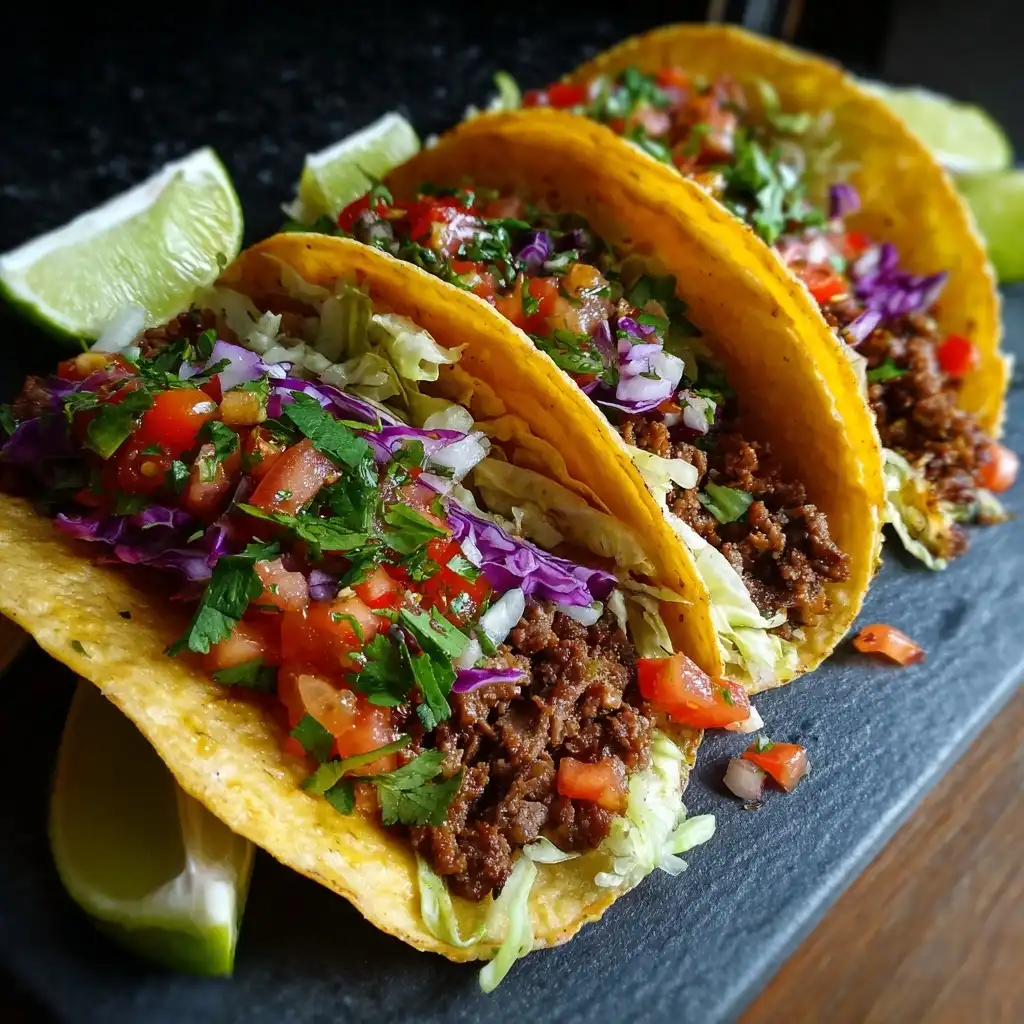
Tex-Mex Beef Tacos are a vibrant, bold, and deeply satisfying cornerstone of American Southwest cuisine—where the rustic authenticity of Mexican cooking meets the hearty, spice-forward ingenuity of Texas culinary tradition. Far more than just seasoned ground beef in a tortilla, these tacos embody a rich cultural fusion: slow-simmered spices, char-kissed corn or flour tortillas, fresh hand-chopped garnishes, and layers of texture and heat that awaken the senses with every bite. Whether served at backyard cookouts, bustling food trucks, or weeknight family dinners, Tex-Mex Beef Tacos offer versatility, comfort, and unmistakable flavor—making them an enduring favorite across generations and geographies.
The History
The origins of Tex-Mex cuisine trace back to the 19th century along the Texas–Mexico border, where Tejano communities—descendants of Spanish colonists and Indigenous peoples—blended native Mesoamerican ingredients (like corn, chiles, and beans) with Spanish staples (cheese, wheat, beef, and cumin). As cattle ranching expanded in South Texas and the Rio Grande Valley, beef became increasingly central—not just in barbacoa or carne guisada, but in accessible, everyday preparations. Ground beef tacos emerged as a practical, economical, and flavorful adaptation, especially after World War II, when canned tomatoes, pre-grated cheese, and mass-produced taco seasoning kits entered American pantries. The 1950s and ’60s saw explosive growth in Tex-Mex restaurants—from San Antonio’s iconic Mi Tierra Café to Dallas’ El Fenix—and the rise of national brands like Old El Paso helped standardize (and popularize) the “beef taco” template. Yet today’s resurgence celebrates both tradition and evolution: chefs and home cooks alike honor ancestral techniques—like dry-toasting whole spices or nixtamalizing corn for tortillas—while embracing modern sensibilities such as grass-fed beef, locally milled masa, and globally inspired garnishes. Tex-Mex Beef Tacos, therefore, are not static—they’re a living, breathing expression of migration, adaptation, resilience, and joyful flavor-sharing.
Ingredients Breakdown
Every exceptional Tex-Mex Beef Taco begins with intentionality—understanding not just *what* goes into the dish, but *why* each component matters:
- Ground Beef (80/20 lean-to-fat ratio): The ideal balance—enough fat (20%) to carry flavor, retain juiciness during browning, and emulsify spices without greasiness. Chuck, sirloin, or a blend delivers robust beefiness; grass-fed adds mineral depth, while heritage-breed beef contributes nuanced terroir notes.
- Aromatics (Onion & Garlic): Yellow or white onions provide sweet, pungent backbone; minced garlic adds aromatic warmth. Sautéed until translucent (not browned), they form the foundational flavor layer—never skipped, never substituted with powder unless absolutely necessary.
- Dried Chiles & Spices: Authentic Tex-Mex relies on toasted, ground whole chiles—not just chili powder. Ancho (smoky-sweet), guajillo (tangy-fruity), and chipotle (deeply smoky heat) are classic trio. Complemented by cumin (earthy, warm), smoked paprika (for complexity beyond regular paprika), oregano (Mexican variety, citrusy and floral), and a whisper of cocoa powder (traditional in some regional mole-influenced versions for depth).
- Liquid Base: A combination of low-sodium beef broth (for savory umami), fire-roasted diced tomatoes (for acidity and caramelized sweetness), and a splash of apple cider vinegar or lime juice (to brighten and cut richness). Some traditionalists use a bit of masa harina-thickened water (“aguas de masa”) for body and corn nuance.
- Fat & Finish: A tablespoon of lard, avocado oil, or high-heat avocado oil ensures proper browning and spice blooming. Fresh cilantro, lime wedges, and crumbled queso fresco added *after* cooking preserve their volatile oils and delicate textures.
Crucially, Tex-Mex is *not* about “substituting” authentic ingredients—it’s about honoring regional logic. For example: using canned chipotles in adobo instead of powdered chipotle adds moisture, smoke, and tang; swapping cumin for coriander would fundamentally alter the profile; omitting onion/garlic sacrifices aromatic depth no amount of seasoning can replace.
Step-by-Step Recipe
- Prep & Toast Spices (5 min): In a dry cast-iron skillet over medium-low heat, toast whole cumin seeds, dried ancho and guajillo chiles (stemmed and seeded), and dried oregano until fragrant (about 60–90 seconds). Cool slightly, then grind finely in a spice grinder or molcajete. Set aside.
- Sauté Aromatics (4–5 min): Heat 1 tbsp lard or avocado oil in a heavy-bottomed Dutch oven or large skillet over medium heat. Add 1 finely diced yellow onion; cook until soft and translucent (~4 min). Stir in 4 minced garlic cloves; cook 30 seconds until aromatic—do not let brown.
- Bloom Spices (1.5 min): Add the freshly ground spice blend, 1 tsp smoked paprika, and ½ tsp cocoa powder. Stir constantly to coat onions and garlic, toasting spices in the fat until deeply fragrant and oil begins to shimmer (~90 seconds). This step unlocks essential volatile oils and deepens flavor exponentially.
- Brown the Beef (7–9 min): Increase heat to medium-high. Add 1.5 lbs ground beef, breaking it apart with a wooden spoon. Cook undisturbed for 2 minutes to develop fond, then continue stirring and breaking until fully browned and no pink remains. Render excess fat if needed—but retain ~1 tbsp for flavor.
- Simmer & Develop (15–20 min): Stir in 1 cup low-sodium beef broth, 1 (14.5 oz) can fire-roasted diced tomatoes (with juices), 1 tbsp apple cider vinegar, and 1 tsp kosher salt. Bring to a gentle simmer, reduce heat to low, cover partially, and cook for 15 minutes—stirring occasionally—to meld flavors and thicken. For richer texture, stir in 1 tbsp masa harina mixed with 2 tbsp water during the last 5 minutes.
- Rest & Adjust (5 min): Remove from heat. Let rest uncovered for 5 minutes—this allows flavors to settle and excess steam to evaporate. Taste and adjust: more salt? A squeeze of fresh lime? A pinch of cayenne for heat? A drizzle of good olive oil for sheen?
- Warm Tortillas (2 min): Heat 6–8 small corn or flour tortillas directly over a gas flame (for char spots), in a dry cast-iron comal, or wrapped in damp paper towels and microwaved for 30 seconds. Keep covered under a clean kitchen towel to stay pliable and warm.
Tips
- Don’t rush the fond: Letting the beef sit undisturbed for 2 minutes creates caramelized bits that dissolve into the sauce—adding profound savoriness. Scrape them up thoroughly when adding liquids.
- Toast your own spices: Pre-ground chili powder lacks freshness and complexity. Whole chiles and seeds toasted and ground just before cooking deliver unmatched aroma and layered heat.
- Use room-temp beef: Cold ground beef lowers pan temperature too quickly, causing steaming instead of browning. Let it sit out for 10–15 minutes before cooking.
- Control moisture intelligently: If mixture seems too wet after simmering, uncover and cook on medium-low for 3–5 extra minutes, stirring often. If too thick, add broth 1 tbsp at a time.
- Season in layers: Salt the onions lightly while sautéing, season the beef mid-brown, and fine-tune at the end. This builds dimension rather than one-note salinity.
- Rest before serving: Allowing the filling to rest for 5 minutes lets proteins reabsorb juices and flavors harmonize—critical for cohesive, non-watery tacos.
- Warm tortillas last: Always warm tortillas immediately before assembling. Cold or stiff tortillas crack, leak filling, and dull the experience.
- Keep garnishes cold and crisp: Refrigerate shredded lettuce, diced tomatoes, and chopped cilantro until the final moment. Warm toppings mute freshness and create sogginess.
Variations and Customizations
Tex-Mex Beef Tacos are gloriously adaptable—here’s how to personalize them thoughtfully:
- Protein Swaps: Swap 50% ground beef for ground pork (adds richness), chorizo (for intense paprika heat), or ground turkey (use dark meat + extra fat/oil). For plant-based: use textured vegetable protein (TVP) rehydrated in broth + chipotle adobo, or lentils cooked with the same spice profile.
- Tortilla Innovations: Go beyond standard: try blue corn tortillas (earthy, slightly sweet), spinach or roasted poblano-infused flour tortillas, gluten-free cassava or almond-flour wraps, or even crispy taco shells made from baked wonton wrappers for crunch.
- Regional Twists:
- San Antonio Style: Add ¼ cup pickled jalapeños and a spoonful of pickling brine for bright acidity.
- South Texas Coastal: Stir in ½ cup roasted corn kernels and 2 tbsp chopped epazote for herbal complexity.
- Hill Country Ranch: Finish with a spoonful of homemade ancho-chipotle jam and crumbled cotija.
- El Paso Fusion: Add 1 tsp ground coriander and top with pickled red onions and mango salsa.
- Garnish Galore: Beyond standard lettuce, tomato, cheese, and sour cream: try pickled red onions, radish ribbons, crumbled bacon, avocado crema (avocado + sour cream + lime + garlic), roasted tomatillo salsa verde, black bean-corn relish, crumbled chicharrones, or even a fried egg for breakfast tacos.
- Cooking Method Variations: Make it in a slow cooker (brown beef first, then add all ingredients and cook on LOW 4–6 hrs); air-fryer (for ultra-crispy edges on the beef); Instant Pot (high pressure 8 mins + natural release); or smoker (cook beef at 225°F for 2 hours with oak wood for mesquite depth).
- Dietary Adaptations:
- Keto/Low-Carb: Serve in butter lettuce cups or portobello “shells”; skip beans/tomatoes, add extra avocado and full-fat cheese.
- Gluten-Free: Ensure all spices, broth, and canned goods are certified GF; use 100% corn tortillas.
- Dairy-Free: Skip cheese/sour cream; use cashew crema or coconut-lime crema; garnish with pepitas and pickled veggies.
- Low-Sodium: Use no-salt-added tomatoes and broth; boost flavor with extra toasted chiles, citrus zest, and fresh herbs instead of salt.
Health Considerations and Nutritional Value
A single serving (2 tacos with 1/3 cup filling, 2 small corn tortillas, 2 tbsp shredded lettuce, 1 tbsp diced tomato, 1 tbsp crumbled queso fresco, and 1 tsp lime juice) provides approximately:
- Calories: ~320–360 kcal
- Protein: 22–26 g (high-quality complete protein supporting muscle maintenance and satiety)
- Fat: 14–18 g (balanced mix of monounsaturated, saturated, and small amounts of omega-3s—especially with grass-fed beef)
- Carbohydrates: 24–28 g (primarily complex carbs from corn tortillas and fiber-rich vegetables)
- Fiber: 4–6 g (from corn, onions, tomatoes, and optional black beans or roasted vegetables)
- Vitamins & Minerals: Excellent source of iron (heme iron from beef, highly bioavailable), zinc, vitamin B12, selenium, and vitamin C (from lime and tomatoes). Contains notable folate, potassium, and magnesium.
Key Health Notes:
- Beef Quality Matters: Choosing leaner cuts (90/10) reduces saturated fat, while grass-fed beef offers higher CLA (conjugated linoleic acid) and omega-3s—linked to anti-inflammatory benefits.
- Sodium Awareness: Store-bought taco seasonings can contain 400–600 mg sodium per tablespoon. Homemade spice blends let you control salt—and enhance flavor with herbs, acids, and umami-rich ingredients instead.
- Spice Benefits: Cumin aids digestion; capsaicin in chiles may boost metabolism and reduce inflammation; garlic supports cardiovascular health and immune function.
- Tortilla Truths: Corn tortillas are naturally gluten-free, lower glycemic, and richer in calcium and resistant starch (a prebiotic fiber) than flour. Blue corn adds anthocyanins—powerful antioxidants.
- Balance is Key: While delicious, frequent consumption of highly processed versions (pre-shredded cheese with cellulose, sour cream high in saturated fat, excessive sodium) can contribute to hypertension or digestive discomfort. Prioritize whole-food toppings and mindful portioning.
- For Heart Health: Use avocado oil instead of lard, increase vegetable volume (add spinach or zucchini to filling), and top with heart-healthy fats like sliced avocado or pumpkin seeds.
When prepared with whole ingredients, balanced fats, thoughtful sodium control, and abundant produce, Tex-Mex Beef Tacos align beautifully with Mediterranean, DASH, and anti-inflammatory dietary patterns—proving that bold flavor and nutritional integrity are not mutually exclusive.
Ingredients
- 1.5 lbs ground beef (80/20 blend preferred)
- 1 medium yellow onion, finely diced
- 4 garlic cloves, minced
- 2 dried ancho chiles, stemmed and seeded
- 2 dried guajillo chiles, stemmed and seeded
- 1 tsp whole cumin seeds
- 1 tsp dried Mexican oregano
- 1 tsp smoked paprika
- ½ tsp unsweetened cocoa powder
- 1 cup low-sodium beef broth
- 1 (14.5 oz) can fire-roasted diced tomatoes, with juices
- 1 tbsp apple cider vinegar or fresh lime juice
- 1 tbsp lard, avocado oil, or high-heat cooking oil
- 1 tsp kosher salt (plus more to taste)
- ¼ tsp freshly ground black pepper
- 1 tbsp masa harina (optional, for thickening)
- 6–8 small corn tortillas (6-inch), preferably handmade or stone-ground
- For Serving: Fresh cilantro leaves, crumbled queso fresco or cotija, diced Roma tomatoes, shredded iceberg or romaine lettuce, lime wedges, pickled jalapeños, avocado slices or guacamole, sour cream or Mexican crema
Directions
- In a dry skillet over medium-low heat, toast ancho and guajillo chiles for 45 seconds per side until pliable and fragrant. Transfer to a plate to cool. Toast cumin seeds and oregano for 60 seconds until aromatic. Let cool completely, then grind all toasted ingredients together in a spice grinder until fine. Set aside.
- Heat lard or oil in a heavy-bottomed Dutch oven or large skillet over medium heat. Add diced onion and cook 4–5 minutes until soft and translucent. Stir in minced garlic and cook 30 seconds until fragrant.
- Add the ground spice blend, smoked paprika, and cocoa powder. Stir constantly for 90 seconds to bloom spices in the fat.
- Increase heat to medium-high. Add ground beef, breaking it apart with a wooden spoon. Cook undisturbed for 2 minutes, then continue stirring and breaking until fully browned (7–9 minutes total). Drain excess fat if necessary, leaving ~1 tbsp.
- Pour in beef broth, fire-roasted tomatoes with juices, apple cider vinegar, salt, and pepper. Stir well, scraping up any browned bits. Bring to a gentle simmer.
- Reduce heat to low, cover partially, and simmer for 15 minutes, stirring occasionally. For thicker consistency, whisk 1 tbsp masa harina with 2 tbsp cold water and stir in during the last 5 minutes of cooking.
- Remove from heat. Let rest uncovered for 5 minutes. Taste and adjust seasoning—add more salt, lime juice, or a pinch of cayenne if desired.
- While filling rests, heat tortillas one at a time over a gas flame (15 sec per side), in a dry comal (30 sec per side), or wrapped in a damp towel in the microwave (30 seconds). Stack in a cloth-lined basket or tortilla warmer to keep warm and pliable.
- To assemble: Spoon 2–3 tablespoons of warm filling onto center of each tortilla. Top generously with desired garnishes—cilantro, cheese, tomatoes, lettuce, lime, etc. Serve immediately while hot and vibrant.
FAQ
- Can I make this ahead of time?
- Absolutely. The beef filling tastes even better the next day as flavors deepen. Cool completely, store in an airtight container in the refrigerator for up to 4 days—or freeze for up to 3 months. Reheat gently on the stovetop with a splash of broth to refresh moisture.
- What’s the best cheese for Tex-Mex tacos?
- Queso fresco is traditional—mild, salty, crumbly, and non-melting. Cotija offers sharper saltiness. For meltiness, Monterey Jack or mild cheddar work—but avoid pre-shredded cheeses with anti-caking agents, which hinder melting and add off-flavors.
- Are corn or flour tortillas more authentic?
- Historically, corn is the original and most culturally rooted choice—especially in Texas border towns where nixtamalization traditions persist. Flour tortillas gained popularity in West Texas and New Mexico due to wheat availability. Both are authentically Tex-Mex—choose based on preference, dietary needs, or regional homage.
- Why does my taco filling taste bland?
- Most commonly: skipping the spice bloom step, using old or low-quality spices, under-seasoning, or not developing fond while browning beef. Also check acidity—lime or vinegar balances richness. Taste and adjust *after* simmering, not before.
- How do I prevent soggy tacos?
- Three keys: (1) Drain excess grease *after* browning but *before* adding liquids, (2) Simmer filling uncovered for the last few minutes to reduce moisture, and (3) Warm tortillas immediately before assembly—cold tortillas absorb liquid instantly.
- Can I use ground turkey or chicken?
- Yes—but adjust fat and moisture. Add 1 tbsp oil when browning, use dark meat if possible, and consider adding 1 tsp soy sauce or Worcestershire for umami depth lost without beef. Simmer 5 minutes less to avoid dryness.
- What’s the difference between Tex-Mex and authentic Mexican tacos?
- Tex-Mex reflects a distinct regional cuisine born in Texas—featuring ingredients like yellow cheese, cumin, wheat flour tortillas, and hearty beef fillings rarely found in central/southern Mexican street tacos (which emphasize corn tortillas, simple grilled meats, fresh salsas, and minimal cheese). Neither is “more authentic”—they’re different cultural expressions with shared roots.
- How spicy are these tacos?
- Moderate—thanks to ancho (mild heat, fruity) and guajillo (medium-low heat, tangy). Chipotle or cayenne can be added for more kick. Remove chile seeds/membranes for less heat; add a whole chipotle in adobo for smoky intensity.
- Can I cook this in an Instant Pot or slow cooker?
- Yes! For Instant Pot: Sauté aromatics and beef using SAUTÉ mode, then add remaining ingredients (except masa), seal, and pressure cook on HIGH for 8 minutes, natural release 10 minutes. Stir in masa slurry and simmer 3–5 min. For slow cooker: Brown beef first, then add all ingredients (except masa), cook on LOW 4–6 hours. Thicken with masa slurry at end.
- What wine or beverage pairs well?
- A chilled, fruit-forward Zinfandel or Tempranillo complements the spice and richness. For non-alcoholic: hibiscus agua fresca (tart and refreshing), horchata (cooling and creamy), or sparkling lime water with mint.
Summary
Tex-Mex Beef Tacos are a soulful celebration of borderland heritage—melding Indigenous, Spanish, and Texan ingenuity into a dish that’s simultaneously comforting and complex, rustic and refined.
By honoring time-honored techniques—like toasting whole chiles, blooming spices in fat, and slow-simmering for depth—you transform simple pantry staples into a vibrant, nourishing, and endlessly customizable meal that resonates across cultures, diets, and dinner tables.