Introduction
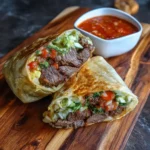
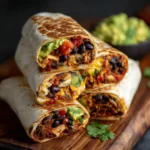
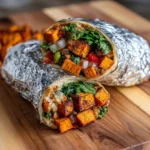
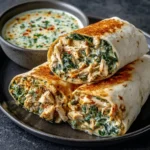
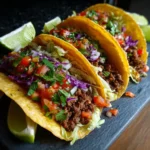
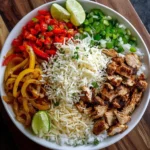
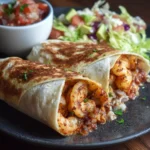
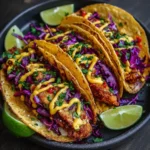
Welcome to the ultimate guide to Chicken Alfredo Burrito Wraps — a decadent, restaurant-worthy fusion dish that marries the creamy richness of classic Italian Alfredo sauce with the handheld convenience and Tex-Mex soul of a hearty burrito. These wraps are more than just a meal; they’re a culinary bridge between comfort food traditions, delivering bold flavors, satisfying textures, and customizable versatility in every bite. Whether you’re meal prepping for busy weekdays, hosting casual game-day gatherings, or simply craving something indulgent yet approachable, Chicken Alfredo Burrito Wraps offer a gourmet experience without the gourmet effort. With tender grilled or sautéed chicken, velvety homemade (or high-quality store-bought) Alfredo sauce, melty Monterey Jack and Parmesan cheeses, fresh spinach or roasted vegetables, and soft flour tortillas — all wrapped snugly and optionally grilled or pan-seared for golden crispness — these wraps redefine weeknight elegance. In this comprehensive resource, we’ll explore everything from historical roots and ingredient science to step-by-step execution, smart substitutions, dietary adaptations, nutritional insights, and even pro tips gleaned from professional kitchens and home cooks alike.
The History
While Chicken Alfredo Burrito Wraps have no singular documented origin story — they are a modern, grassroots culinary innovation rather than a centuries-old tradition — their lineage is rich and deeply interwoven across multiple food cultures. The foundational element, Fettuccine Alfredo, traces back to early 20th-century Rome, where chef Alfredo di Lelio created a simple, luxurious pasta dish for his pregnant wife using butter, Parmigiano-Reggiano, and fettuccine — later popularized among American celebrities in the 1920s and transformed over decades into the cream-and-heavy-cream-laden version known today in U.S. Italian-American restaurants. Meanwhile, the burrito — originating in northern Mexico in the late 19th century as a portable meal of beans, meat, and tortillas — evolved significantly after crossing the U.S.-Mexico border, especially through California and Texas, where it absorbed influences from American diner culture, fast-casual trends, and global flavor fusions. The “wrap” format itself gained mainstream traction in the 1980s and ’90s with the rise of health-conscious, low-carb, and grab-and-go dining — think Subway’s flatbread innovations and the proliferation of Greek, Mediterranean, and Asian-inspired wraps. Chicken Alfredo Burrito Wraps emerged organically in the 2000s–2010s as food bloggers, home cooks, and fast-casual concepts (like Chipotle’s “Burrito Bowl” spin-offs and regional chains such as Qdoba’s “Alfredo Chicken Wrap”) began experimenting with cross-cultural fillings. Social media platforms like Pinterest and Instagram accelerated their popularity, showcasing photogenic, cheese-pull-worthy versions garnished with herbs, drizzled sauces, and vibrant toppings. Today, they represent the epitome of “food mashup” culture — a delicious testament to globalization, convenience-driven creativity, and the universal love of creamy, cheesy, protein-packed handheld meals.
Ingredients Breakdown
Understanding each component not only ensures optimal flavor and texture but also empowers smarter substitutions, cost-effective shopping, and dietary tailoring. Below is an in-depth analysis of every key ingredient:
- Chicken Breast or Thighs: Boneless, skinless chicken breasts offer lean protein and a mild canvas for seasoning; thighs provide superior moisture, richer flavor, and forgiving cook times — ideal for beginners or slow-cook methods. Brining (30 min in ¼ cup salt + 4 cups water) or marinating (in olive oil, lemon zest, garlic, and herbs) dramatically improves juiciness and depth.
- Heavy Cream (or Half-and-Half/Substitute): The backbone of authentic Alfredo’s silkiness. Heavy cream (36–40% fat) emulsifies smoothly and resists curdling. Lower-fat options like half-and-half or whole milk require thickening agents (e.g., roux or cornstarch slurry) and careful temperature control to avoid separation.
- Unsalted Butter: Adds mouth-coating richness and carries fat-soluble flavors. Unsalted allows precise sodium control — critical when pairing with salty cheeses and seasonings. European-style butter (higher butterfat, ~82–86%) yields even more luxurious results.
- Freshly Grated Parmigiano-Reggiano: Non-negotiable for authentic Alfredo. Pre-grated “Parmesan” often contains cellulose anti-caking agents that impede melting and dull flavor. Real Parmigiano-Reggiano contributes nutty, umami depth and helps thicken the sauce via its natural starches and proteins.
- Monterey Jack Cheese: Chosen for its exceptional meltability, mild milky sweetness, and neutral profile that complements — rather than competes with — the bold Alfredo. Low-moisture mozzarella or Fontina are excellent alternatives; avoid aged cheddar or Swiss for primary melt (they can become oily or stringy).
- Garlic (Fresh, Minced or Roasted): Raw garlic adds pungent brightness; roasted garlic lends caramelized sweetness and smoothness. Garlic powder is acceptable in a pinch but lacks aromatic complexity and can taste dusty if overheated.
- Freshly Ground Black Pepper: Freshly cracked peppercorns release volatile oils that enhance the sauce’s warmth and balance the fat. Pre-ground pepper loses potency within weeks.
- Fresh Spinach or Kale: Adds color, nutrients, and textural contrast. Baby spinach wilts instantly and requires no pre-cooking; mature kale should be massaged or briefly blanched to soften fibrous stems. Arugula offers a peppery kick; Swiss chard brings earthy sweetness.
- Flour Tortillas (10–12 inch): Look for high-quality, pliable varieties with minimal preservatives. Brands like Mission Carb Balance, La Banderita Whole Wheat, or locally made artisanal tortillas perform best. Warm tortillas gently in a dry skillet (15–20 sec per side) before filling — heat relaxes gluten and prevents cracking during rolling.
- Optional Enhancers: A splash of white wine (dry Pinot Grigio or Sauvignon Blanc) deglazes the chicken pan and adds acidity; a pinch of freshly grated nutmeg harmonizes dairy notes; a tablespoon of cream cheese or mascarpone boosts tang and body; a drizzle of truffle oil or lemon juice at the end lifts heaviness.
Step-by-Step Recipe
- Prep & Marinate Chicken (15–30 min ahead): Slice 1.5 lbs boneless, skinless chicken breasts or thighs into ½-inch thick strips. In a bowl, combine with 2 tbsp olive oil, 2 minced garlic cloves, 1 tsp dried oregano, 1 tsp smoked paprika, ½ tsp onion powder, 1 tsp kosher salt, and ½ tsp freshly ground black pepper. Toss thoroughly and let marinate at room temperature (for quick flavor infusion) or refrigerate up to 2 hours.
- Cook the Chicken (8–10 min): Heat 1 tbsp olive oil in a large nonstick or stainless steel skillet over medium-high heat. Add chicken in a single layer (work in batches if needed to avoid steaming). Sear undisturbed for 3–4 minutes until golden brown and ~75% cooked. Flip and cook another 3–4 minutes until internal temperature reaches 165°F. Transfer to a clean plate, tent loosely with foil, and rest for 5 minutes. Reserve skillet with drippings.
- Prepare the Alfredo Sauce (12–15 min): In the same skillet (or a clean heavy-bottomed saucepan), melt 4 tbsp unsalted butter over medium-low heat. Add 3 minced garlic cloves; sauté 30–60 seconds until fragrant but not browned. Pour in 1.5 cups heavy cream and bring to a gentle simmer (do not boil vigorously). Reduce heat to low and simmer uncovered, stirring frequently, for 5 minutes to reduce slightly and deepen flavor. Gradually whisk in 1 cup freshly grated Parmigiano-Reggiano and 1 cup shredded Monterey Jack, ¼ cup at a time, allowing each addition to melt fully before adding more. Stir in ½ tsp freshly ground black pepper and optional pinch of nutmeg. Simmer 2–3 more minutes until sauce coats the back of a spoon (nappe consistency). Remove from heat and stir in 1 tbsp chopped fresh parsley.
- Combine Filling (3 min): Return rested chicken to skillet with Alfredo sauce. Gently fold in 3 cups fresh baby spinach (or 2 cups blanched kale) and ¼ cup reserved grated Parmesan. Cook over low heat 1–2 minutes until spinach wilts and mixture is heated through. Taste and adjust seasoning: add salt only if needed (cheeses and marinade are already salty), more pepper, or a squeeze of lemon juice for brightness.
- Warm & Prep Tortillas (2 min): Stack 6 large (10–12″) flour tortillas. Wrap tightly in damp paper towels, then in aluminum foil. Microwave on high for 60 seconds, or warm individually in a dry cast-iron skillet over medium heat for 15 seconds per side until pliable and slightly puffed.
- Assemble Burrito Wraps (5 min): Lay one warm tortilla flat. Spoon ¾ cup chicken Alfredo mixture slightly off-center, leaving a 2-inch border at the bottom and 1-inch margins on sides. Top with optional extras: 1 tbsp crumbled crispy bacon, 2 tbsp diced sun-dried tomatoes, 1 tbsp pickled red onions, or 2 tbsp roasted red peppers. Fold bottom edge up over filling, then fold left and right sides inward, and roll tightly away from you into a compact cylinder. Repeat with remaining tortillas and filling.
- Optional Crisp Finish (3–4 min): For golden, slightly toasted exteriors: heat 1 tsp butter or olive oil in a clean skillet over medium heat. Place burritos seam-side down and cook 1.5–2 minutes per side until deep golden brown and crisp. Press gently with a spatula to ensure even contact. Alternatively, air-fry at 375°F for 4–5 minutes, flipping halfway.
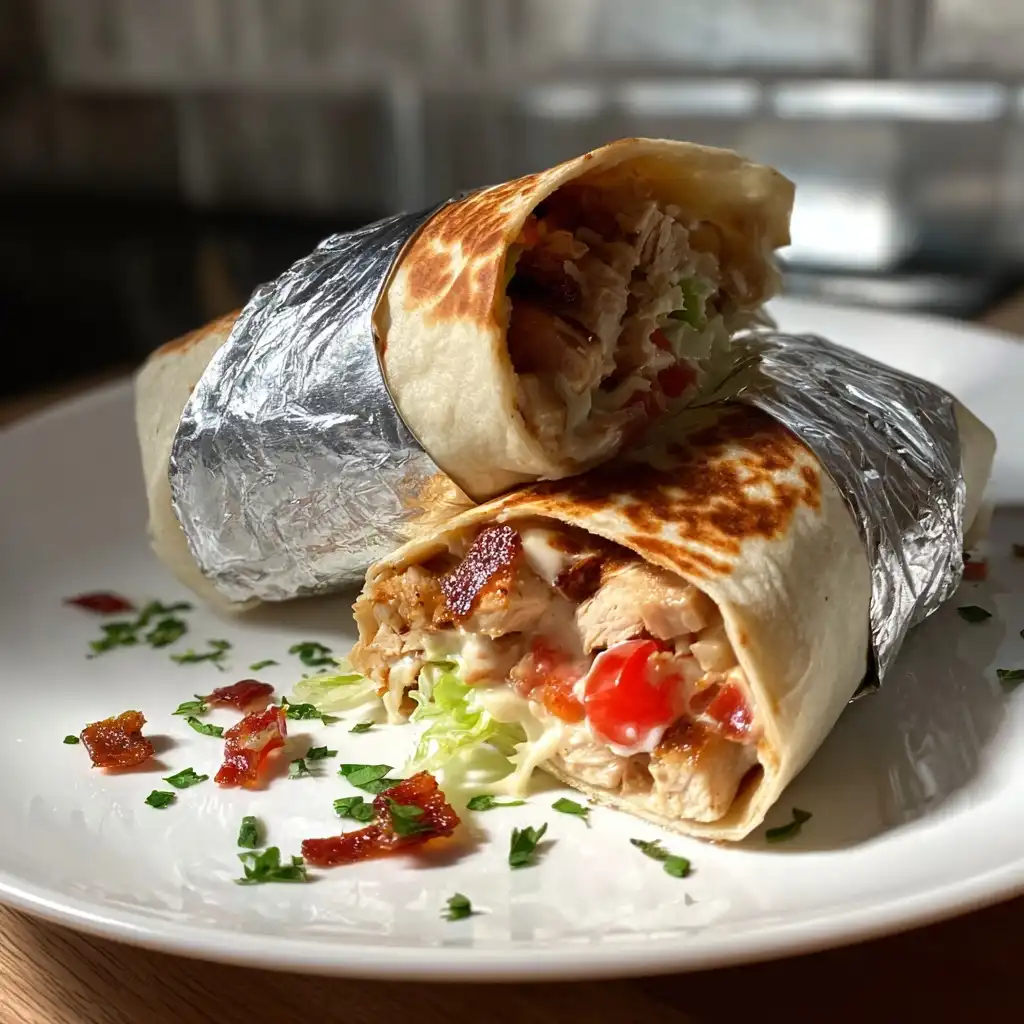
- Serve Immediately: Slice diagonally in half for presentation, revealing the creamy, cheesy interior. Garnish with extra Parmesan, fresh parsley or basil, a drizzle of reserved Alfredo sauce or lemon-infused olive oil, and a side of warmed marinara or roasted tomato salsa for dipping.
Tips
- Prevent Soggy Wraps: Always drain excess liquid from cooked chicken before adding to sauce. If your Alfredo seems too thin, simmer 1–2 extra minutes before combining. Let filling cool 3–5 minutes before wrapping — hot filling creates steam that softens tortillas rapidly.
- Avoid Tortilla Tears: Never skip warming — cold tortillas crack. If a tortilla resists rolling, wrap it in a damp towel and microwave 5–10 seconds longer. Use larger tortillas (12″) for easier handling and better structural integrity.
- Sauce Consistency Mastery: Alfredo should coat the back of a spoon but still flow slowly. If too thick, whisk in 1–2 tsp warm cream or milk. If too thin, return to low heat and simmer 2–3 minutes longer — never add cold dairy to hot sauce, which causes splitting.
- Make-Ahead Magic: Cook chicken and sauce separately up to 3 days ahead. Store chilled in airtight containers. Reheat sauce gently over low heat with a splash of cream, stirring constantly. Combine just before wrapping. Assembled, uncooked burritos freeze beautifully for up to 3 months — wrap tightly in parchment + foil, thaw overnight in fridge, then crisp in skillet or air fryer.
- Perfect Sealing Technique: After folding bottom and sides, lift the front edge with your fingertips while using your palm to push the burrito forward and tuck tightly. Roll with firm, even pressure — think “sushi-roll tightness.” A light brush of warm water on the top edge before sealing helps it adhere.
- Rest Before Cutting: Let wrapped burritos sit 2 minutes before slicing — this allows residual heat to redistribute and cheese to set slightly, preventing messy oozing.
- Flavor Layering Secret: Toast whole spices (paprika, cumin, coriander) in the dry skillet before adding oil — then bloom in oil for 30 seconds before cooking chicken. This unlocks essential oils and adds incredible depth.
- Leftover Hack: Turn extra filling into Chicken Alfredo Stuffed Shells, baked ziti, or a creamy chicken and rice skillet. Leftover tortillas make excellent chips — cut into wedges, toss with olive oil and herbs, bake at 375°F for 10–12 minutes.
Variations and Customizations
Chicken Alfredo Burrito Wraps are gloriously adaptable — here’s how to tailor them to cuisines, diets, preferences, and pantry realities:
- Vegetarian Version: Replace chicken with 1.5 cups roasted cauliflower florets + 1 cup sautéed cremini mushrooms + ½ cup crumbled firm tofu (pressed and marinated in soy-tamari-ginger). Boost umami with 1 tbsp nutritional yeast in the sauce.
- Gluten-Free: Use certified GF tortillas (Canyon Bakehouse, Siete Almond Flour, or Mission GF). Ensure Alfredo sauce uses GF thickeners — skip roux if using cornstarch (1 tsp mixed with 1 tbsp cold water, whisked in at end of simmer).
- Keto/Low-Carb: Swap tortillas for large butter lettuce leaves, grilled portobello caps, or keto-friendly wraps (almond/coconut flour-based). Increase healthy fats: add ¼ avocado per wrap, 1 tbsp pine nuts, or 1 tsp MCT oil to sauce.
- Spicy Kick: Add 1–2 tsp chipotle in adobo (minced), ½ tsp cayenne, or 1 diced jalapeño (seeds removed) to sauce. Top with pickled jalapeños or sriracha crema (sriracha + sour cream).
- Mediterranean Twist: Use grilled chicken marinated in lemon-oregano, swap Alfredo for lemon-dill yogurt sauce (Greek yogurt + lemon zest + fresh dill + garlic), add kalamata olives, cucumber ribbons, and crumbled feta.
- Breakfast Burrito Style: Incorporate scrambled eggs or egg whites, crumbled breakfast sausage or chorizo, and a touch of maple syrup in the Alfredo for sweet-savory balance. Serve with salsa verde.
- Gourmet Upscale: Use sous-vide chicken (155°F for 1.5 hrs), truffle-infused Alfredo (½ tsp white truffle oil at end), wild mushrooms, caramelized shallots, microgreens, and edible flowers.
- Meal-Prep Friendly: Portion filling into 6 mason jars — layer sauce first, then chicken-spinach mix, then cheese. Seal and refrigerate. Assemble wraps fresh each morning — keeps tortillas crisp and prevents sogginess.
- Kid-Friendly: Omit garlic/pepper, add mild cheddar instead of Monterey Jack, include hidden veggie purée (cauliflower or butternut squash blended into sauce), and serve with fun dips: honey mustard, ketchup, or fruit salsa.
Health Considerations and Nutritional Value
While Chicken Alfredo Burrito Wraps are undeniably indulgent, they can be part of a balanced diet with mindful preparation and portion awareness. A standard serving (one 12″ wrap with full recipe proportions) contains approximately:
- Calories: 680–750 kcal (varies by tortilla type and cheese amount)
- Protein: 42–48 g (excellent source — supports muscle repair, satiety, and metabolism)
- Fat: 36–44 g (mostly unsaturated from olive oil, moderate saturated from dairy — heart-healthy when balanced with fiber and activity)
- Carbohydrates: 44–52 g (primarily complex carbs from whole-wheat tortillas; refined flour versions spike blood sugar faster)
- Fiber: 4–7 g (boosted significantly with spinach, whole grains, or added lentils/beans)
- Sodium: 950–1,200 mg (moderate — reduce by using low-sodium broth in marinade, limiting added salt, choosing unsalted butter, and skipping salty toppings like bacon)
- Vitamins & Minerals: Rich in calcium (dairy), vitamin B6 and niacin (chicken), vitamin K and folate (spinach), and antioxidants (garlic, herbs).
Health-Conscious Swaps & Strategies:
- Reduce Saturated Fat: Substitute half the heavy cream with evaporated skim milk or silken tofu purée; use part-skim ricotta blended into sauce for creaminess without excess fat.
- Increase Fiber & Micronutrients: Add ½ cup finely chopped zucchini or carrots to the sauce; use spinach-kale blend; choose sprouted grain or spinach-infused tortillas.
- Blood Sugar Management: Pair with a side salad (vinegar-based dressing slows glucose absorption); opt for lower-glycemic tortillas (coconut or almond flour); avoid sugary sauces or glazes.
- Digestive Sensitivity: For lactose intolerance, use lactose-free heavy cream and aged Parmigiano-Reggiano (naturally low-lactose); try cashew-based Alfredo (soaked cashews + nutritional yeast + lemon + garlic).
- Allergen Notes: Contains dairy, gluten (unless substituted), and eggs (if using egg-washed tortillas). Tree nut-free unless using nut-based tortillas or sauces. Always verify labels on pre-shredded cheeses (may contain potato starch or cellulose).
Remember: Occasional enjoyment of rich foods supports psychological well-being and sustainable eating habits. Focus on quality ingredients, colorful produce, and intuitive portioning — not perfection.
Ingredients
- 1.5 lbs boneless, skinless chicken breasts or thighs, sliced into ½-inch strips
- 2 tbsp olive oil (divided)
- 2 cloves garlic, minced (plus 3 more for sauce)
- 1 tsp dried oregano
- 1 tsp smoked paprika
- ½ tsp onion powder
- 1 tsp kosher salt (plus more to taste)
- ½ tsp freshly ground black pepper (plus more for sauce)
- 4 tbsp unsalted butter
- 1.5 cups heavy cream (or full-fat coconut milk for dairy-free)
- 1 cup freshly grated Parmigiano-Reggiano cheese (do NOT substitute pre-grated)
- 1 cup shredded Monterey Jack cheese
- ½ tsp freshly grated nutmeg (optional but recommended)
- 3 cups fresh baby spinach (or 2 cups chopped, blanched kale)
- 6 large (10–12 inch) flour tortillas (whole wheat, low-carb, or gluten-free as needed)
- ¼ cup chopped fresh parsley (for garnish)
- Additional toppings (optional): crumbled bacon, sun-dried tomatoes, pickled red onions, roasted red peppers, lemon wedges, extra Parmesan
Directions
- Marinate chicken in 1 tbsp olive oil, 2 cloves minced garlic, oregano, paprika, onion powder, salt, and pepper for 15–30 minutes.
- Heat remaining 1 tbsp olive oil in a large skillet over medium-high heat. Cook chicken in batches until golden and cooked through (165°F), about 3–4 minutes per side. Rest 5 minutes; slice if desired.
- In same skillet, melt butter over medium-low heat. Add 3 cloves minced garlic; sauté 30 seconds. Pour in heavy cream; simmer gently 5 minutes.
- Whisk in Parmigiano-Reggiano and Monterey Jack, ¼ cup at a time, until smooth and thickened (~2–3 minutes). Stir in nutmeg and extra black pepper.
- Add rested chicken and spinach to sauce. Cook over low heat 1–2 minutes until spinach wilts. Adjust seasoning.
- Warm tortillas as directed (microwave or skillet method).
- Spoon ¾ cup filling onto center of each tortilla. Add optional toppings. Fold bottom, sides, and roll tightly.
- For crisp exterior: heat 1 tsp butter in skillet; cook burritos 1.5–2 minutes per side until golden.
- Garnish and serve immediately with lemon wedges or dipping sauce.
FAQ
- Can I make Chicken Alfredo Burrito Wraps ahead of time?
- Yes! Cook chicken and sauce separately up to 3 days ahead and refrigerate. Assemble wraps the day of serving for best texture. Fully assembled, uncooked wraps freeze well for up to 3 months — wrap individually in parchment + foil, thaw overnight in fridge, then crisp in skillet or air fryer.
- Why does my Alfredo sauce break or become grainy?
- This usually occurs from overheating (boiling instead of simmering), adding cold cheese to hot sauce, or using pre-grated cheese with anti-caking agents. Always use freshly grated cheese, keep heat low, and whisk constantly while incorporating cheese gradually.
- What’s the best tortilla for burrito wraps?
- Look for pliable, high-moisture tortillas — Mission Carb Balance, La Banderita Whole Wheat, or local artisan brands. Avoid brittle, dry, or overly thick varieties. Warm thoroughly before filling — cold or under-warmed tortillas tear easily.
- Can I use leftover rotisserie chicken?
- Absolutely — it’s a fantastic time-saver! Shred or chop 3 cups cooked chicken. Skip marinating, but consider tossing with 1 tsp olive oil, lemon juice, and herbs before mixing into warm sauce to refresh flavor.
- How do I prevent the wrap from falling apart?
- Don’t overfill (max ¾ cup per 12″ tortilla). Warm tortillas properly. Fold bottom edge up first, tuck sides in tightly, then roll with firm, even pressure. A light water seal on the top edge helps hold. Optional skillet crisping further stabilizes structure.
- Is there a lighter Alfredo option without sacrificing flavor?
- Yes — replace half the heavy cream with evaporated skim milk or low-fat cottage cheese blended until smooth. Add 1 tbsp cream cheese for body. Boost flavor with extra garlic, lemon zest, fresh herbs, and white wine reduction instead of relying solely on fat.
- Can I make these dairy-free?
- Yes! Use full-fat coconut milk (canned, stirred well) instead of cream, vegan butter, and dairy-free cheese shreds (Miyoko’s or Daiya for meltability). Blend soaked raw cashews with nutritional yeast, lemon juice, garlic, and water for a rich, creamy “Alfredo” base.
- What sides pair well with Chicken Alfredo Burrito Wraps?
- Light, acidic, or crunchy contrasts work best: mixed green salad with lemon vinaigrette, roasted broccoli or asparagus, black bean and corn salsa, apple-walnut slaw, or chilled cucumber-dill yogurt dip.
Summary
Chicken Alfredo Burrito Wraps are a brilliant, crowd-pleasing fusion of creamy Italian comfort and portable Tex-Mex practicality — delivering restaurant-caliber flavor with accessible techniques and endless customization potential. From its cultural roots in Roman pasta traditions and Mexican street food to modern kitchen innovations, this dish celebrates adaptability, richness, and joyful eating — all wrapped up in one satisfying, golden-brown package.
Whether you’re scaling for family dinners, prepping for the week, accommodating dietary needs, or simply treating yourself to something luxuriously comforting, mastering the balance of tender chicken, velvety sauce, fresh greens, and perfectly pliable tortillas ensures success every time — and invites creativity with every twist, tweak, and topping you add.