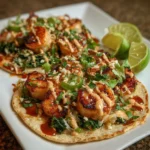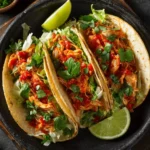
Introduction
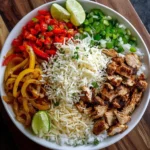
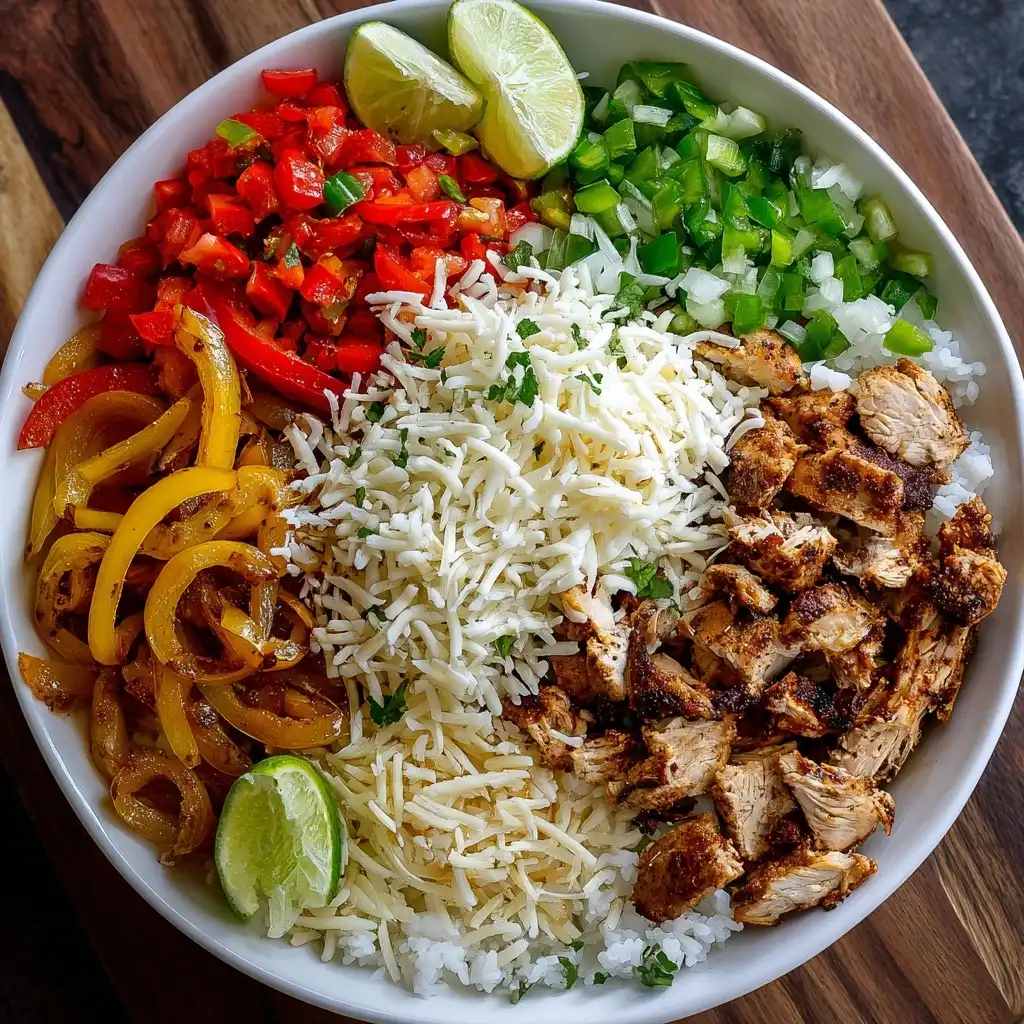
Welcome to the ultimate guide for Chicken Fajita Burrito Bowls — a vibrant, nutrient-dense, and deeply flavorful fusion dish that bridges the bold spices of Tex-Mex fajitas with the hearty satisfaction of a burrito bowl. Unlike traditional burritos wrapped in tortillas, this bowl format ditches the carbs (or offers them optionally) to spotlight tender, sizzling chicken strips, charred bell peppers and onions, zesty lime-cilantro rice or cauliflower rice, creamy avocado, and a symphony of fresh, crunchy, and tangy toppings. It’s a meal that’s endlessly adaptable, restaurant-quality yet weeknight-friendly, and perfect for meal prep, family dinners, or impressing guests without fuss. Whether you’re following a low-carb, keto, gluten-free, high-protein, or simply health-conscious lifestyle — or just craving something delicious and colorful — this recipe delivers on taste, texture, nutrition, and versatility.
The History
The evolution of the Chicken Fajita Burrito Bowl is a delicious case study in culinary cross-pollination. Its roots trace back to fajitas, a Tex-Mex staple born in the early 20th century among Mexican ranch workers in South Texas, who were given less desirable cuts of beef — including skirt steak — which they marinated and grilled over open flames. “Faja” means “belt” or “girdle” in Spanish, referencing the cut’s location on the cow. By the 1960s and ’70s, fajitas surged in popularity across Texas and beyond, especially after being featured at Austin’s famed Ninfa’s and later at national chains like Chili’s.
Meanwhile, the burrito — originating in northern Mexico (particularly Ciudad Juárez) in the late 19th/early 20th century — evolved from simple flour tortillas wrapped around beans, meat, and cheese. In the U.S., it morphed into larger, more elaborate versions, culminating in the “Mission-style” burrito in San Francisco and the protein-packed “fitness burrito” popularized by fast-casual chains in the 2000s.
The burrito bowl emerged as a natural offshoot in the mid-2010s, driven by rising demand for low-carb, gluten-free, and customizable meals. Chains like Chipotle helped normalize the “bowl” format — essentially a deconstructed burrito served in a bowl with all components layered but no tortilla. The Chicken Fajita Burrito Bowl represents the next delicious iteration: swapping traditional burrito-seasoned chicken for authentically marinated, skillet-seared fajita-style chicken; incorporating the signature tri-color pepper-and-onion sauté; and layering everything over a base that honors both tradition (cilantro-lime white or brown rice) and modern wellness trends (cauliflower rice, quinoa, or even black bean & corn pilaf). It’s not just convenience — it’s cultural storytelling on a plate.
Ingredients Breakdown
Every exceptional Chicken Fajita Burrito Bowl rests on three foundational layers: the Protein Base, the Fajita Vegetable Medley, and the Supporting Cast (grains, toppings, sauces, and garnishes). Below is an in-depth exploration of each component — why it matters, what to look for, and how substitutions affect flavor and texture:
Protein Base
- Chicken Breast or Thighs (1.5 lbs total): Boneless, skinless breasts offer lean protein and mild flavor — ideal for absorbing marinade. Thighs provide superior juiciness, richer taste, and forgiving cook time (less prone to drying out). For best results, slice against the grain into thin, even ¼-inch strips — this ensures tenderness and quick, even searing.
- Fajita Marinade Core: A balance of acid, oil, aromatics, and spice. Key elements include:
- Lime Juice (¼ cup fresh): Bright acidity tenderizes and lifts flavors — never substitute bottled; freshness is non-negotiable.
- Avocado Oil or Light Olive Oil (3 tbsp): High smoke point for searing + neutral flavor that won’t compete with spices.
- Garlic (4 cloves, minced) & Grated Fresh Ginger (1 tsp): Adds aromatic depth and subtle warmth (ginger is optional but highly recommended for complexity).
- Smoked Paprika (1½ tsp): Imparts earthy sweetness and subtle smokiness — essential for authentic fajita character (not to be confused with sweet or hot paprika).
- Ground Cumin (1 tsp): Warm, nutty, slightly bitter backbone — toast whole cumin seeds and grind fresh if possible.
- Chili Powder (1 tsp): Use ancho-based or homemade blend (not generic “chili seasoning”) for fruit-forward heat.
- Dried Oregano (½ tsp, Mexican preferred): Earthy, slightly citrusy note — avoid Mediterranean oregano, which is too pungent.
- Onion Powder (½ tsp) & Garlic Powder (½ tsp): Reinforce savory umami — use sparingly so fresh aromatics remain dominant.
- Chipotle Powder or Adobo Sauce (½ tsp or 1 tbsp): For layered heat and deep, smoky-sweet complexity (adjust to heat preference).
- Salt (1½ tsp) & Black Pepper (½ tsp, freshly ground): Critical for seasoning penetration and balancing acidity.
Fajita Vegetable Medley
- Bell Peppers (2 large — 1 red, 1 yellow/orange): Sweetness intensifies when caramelized. Avoid green peppers here unless you want sharper bitterness — red/yellow/orange offer higher sugar content and richer color.
- Yellow or Red Onion (1 large, sliced ¼-inch thick): Sweeter and milder than white onions when cooked; red adds visual pop and subtle bite.
- High-Heat Cooking Oil (2 tbsp avocado or grapeseed): Ensures rapid sear and prevents steaming — crucial for developing fond and avoiding soggy veggies.
- Optional Flavor Boosters: A splash of lime juice (added at the end), a pinch of smoked salt, or a dusting of cotija cheese while still hot.
Grain & Base Options
- Cilantro-Lime Brown Rice (2 cups cooked): Nutty, fiber-rich, and hearty — soak brown rice 30 mins pre-cook for fluffier texture. Stir in ¼ cup chopped cilantro, zest + juice of 1 lime, 1 tbsp olive oil, and ½ tsp salt post-cooking.
- Cilantro-Lime White Rice (2 cups cooked): Faster cooking, lighter mouthfeel — use jasmine or basmati for fragrance. Same finishing technique as above.
- Riced Cauliflower (4 cups raw, pulsed fine): Low-carb, keto-friendly, and subtly sweet. Sauté in 1 tbsp oil 5–6 mins until tender-crisp; finish with lime, cilantro, salt.
- Quinoa Pilaf (1.5 cups cooked): Complete protein, nutty flavor. Toast dry quinoa before cooking; finish with lime, cilantro, diced tomato, and a drizzle of olive oil.
- Black Bean & Corn Base (1.5 cups warm): Add ½ cup rinsed black beans, ½ cup roasted corn (fresh or frozen), 2 tbsp red onion, lime, cilantro, cumin, and a pinch of cayenne.
Toppings & Garnishes (The “Wow” Factor)
- Avocado or Guacamole (1–2 ripe Hass avocados): Creamy richness balances spice and acidity. For guac: mash with lime, red onion, jalapeño, cilantro, tomato, and sea salt.
- Pico de Gallo (1 cup): Fresh, uncooked salsa — diced tomatoes, red onion, jalapeño, cilantro, lime, salt. Adds brightness and crunch.
- Shredded Lettuce or Baby Spinach (2 cups): Crisp contrast — iceberg for crunch, romaine for substance, spinach for nutrients.
- Crumbled Queso Fresco or Cotija (⅓ cup): Salty, crumbly, mild — authentic Mexican cheeses that don’t melt away. Feta is a decent sub, but avoid mozzarella or cheddar.
- Quick Pickled Red Onions (½ cup): Thinly slice 1 red onion, submerge in ½ cup apple cider vinegar + 2 tbsp sugar + 1 tsp salt for 20+ mins. Adds vibrant color and tangy lift.
- Hot Sauce or Chile Crisp (2 tbsp): Cholula, Tapatío, or Valentina for classic heat; chili crisp (like Fly by Jing) for umami crunch.
- Fresh Cilantro Leaves (large handful): Not optional — its citrusy, herbal punch defines the dish.
- Lime Wedges (for serving): Essential for final brightening — squeeze generously just before eating.
Sauces & Drizzles (Optional but Recommended)
- Chipotle Crema (½ cup): Blend ¼ cup sour cream or Mexican crema + 1–2 chipotles in adobo + 1 tsp adobo sauce + 1 tsp lime juice + pinch of garlic powder. Cool, smoky, creamy — perfect counterpoint.
- Cilantro-Jalapeño Verde Sauce: Blend 1 cup tomatillos (husked, boiled), ½ jalapeño, ¼ cup cilantro, 1 clove garlic, 2 tbsp lime juice, salt.
- Avocado Cilantro Dressing: Blend 1 avocado, ¼ cup Greek yogurt, juice of 1 lime, ½ cup cilantro, 1 tsp honey or agave, salt, and water to thin.
Step-by-Step Recipe
Yield: 4 generous servings | Total Time: 45 minutes (15 min prep, 30 min active cook)
Step 1: Marinate the Chicken (15–30 minutes minimum, up to 24 hours)
- In a large non-reactive bowl or resealable bag, whisk together all marinade ingredients: lime juice, oil, minced garlic, grated ginger, smoked paprika, cumin, chili powder, oregano, onion powder, garlic powder, chipotle/adobo, salt, and pepper.
- Add chicken strips and toss thoroughly to coat every surface. Press out air and seal bag or cover bowl tightly.
- Refrigerate for at least 15 minutes (ideal: 1–4 hours). Do not exceed 24 hours — the lime juice will begin to “cook” the chicken, resulting in a mushy texture.
Step 2: Cook the Grain or Base
- While chicken marinates, prepare your chosen base: cook rice, quinoa, or riced cauliflower according to package directions (or see notes above).
- Once cooked, transfer to a large bowl. Stir in lime zest and juice, chopped cilantro, olive oil, and salt. Cover and keep warm (or cool to room temp for meal prep).
Step 3: Sear the Chicken
- Heat a heavy-bottomed 12-inch stainless steel or cast-iron skillet over medium-high heat until shimmering (~2 mins).
- Remove chicken from marinade (reserve marinade!) and pat *very* dry with paper towels — this is critical for achieving a golden sear, not steam.
- Add 1 tbsp oil to pan. Once oil shimmers and faint wisps of smoke appear, add chicken in a single layer — do not overcrowd. Cook undisturbed 2–3 minutes until deeply browned on one side.
- Flip and cook 2–3 minutes more until internal temperature reaches 165°F (use instant-read thermometer). Transfer to a clean plate and tent loosely with foil.
- Optional flavor boost: Pour reserved marinade into the hot pan. Simmer 1–2 minutes, scraping up browned bits (fond), then pour over cooked chicken. Let rest 5 minutes.
Step 4: Sauté the Fajita Vegetables
- Wipe skillet clean. Return to medium-high heat; add remaining 1 tbsp oil.
- Add sliced onions and bell peppers in a single layer. Let sit 1 minute untouched to develop caramelization.
- Stir-fry 5–6 minutes total, stirring every 60–90 seconds, until vegetables are tender-crisp with blistered, slightly charred edges. Avoid overcooking — they should retain bite and vibrant color.
- Season with ¼ tsp salt and a squeeze of fresh lime juice. Remove from heat.
Step 5: Assemble the Bowls
- Divide warm grain/base evenly among four wide, shallow bowls (1.5 cups per bowl).
- Arrange chicken strips evenly over each base.
- Spoon fajita vegetables generously on top — aim for visual height and color contrast.
- Layer toppings in intentional order: lettuce/spinach, avocado/guac, pico de gallo, pickled onions, crumbled cheese, hot sauce, and fresh cilantro.
- Drizzle with chipotle crema or dressing of choice.
- Finish with extra lime wedges on the side and a light sprinkle of flaky sea salt.
Tips
- Dry chicken = golden chicken: Patting chicken completely dry before searing makes the difference between gray, steamed strips and deeply caramelized, flavorful bites.
- Don’t skip the fond: That dark, sticky residue in the pan after cooking chicken? It’s flavor gold. Deglazing with reserved marinade (or broth + lime) creates an instant, rich pan sauce.
- Veggie timing is everything: Cook peppers and onions separately from chicken to ensure optimal texture — chicken needs high, fast heat; veggies benefit from slightly lower, sustained heat for caramelization.
- Prep ahead, assemble fresh: Marinate chicken, cook grains, and chop toppings the night before. Store separately in airtight containers. Assemble bowls within 2 hours of serving for peak texture and vibrancy.
- Double the batch, freeze the rest: Cooked, marinated chicken freezes beautifully for up to 3 months. Thaw overnight in fridge and reheat gently in skillet with splash of broth.
- Toast your spices: Briefly dry-toast cumin and coriander seeds in skillet before grinding — unlocks volatile oils and deepens aroma exponentially.
- Acid is your friend — and your finisher: Always add final lime juice *after* cooking veggies and *just before serving* — heat dulls brightness, and freshness is irreplaceable.
- Use a cast-iron skillet: Retains heat better than non-stick, delivers superior sear, and imparts subtle mineral depth (especially when seasoned well).
- Rest the chicken: Letting it sit 5 minutes after cooking allows juices to redistribute — no more dry, stringy bites.
- Texture contrast is non-negotiable: Include at least one creamy element (avocado), one crunchy element (lettuce, radish, jicama), one tangy element (pickled onion, pico), and one salty element (cotija, pepitas).
Variations and Customizations
This recipe is a canvas — infinitely adaptable to dietary needs, seasonal produce, pantry staples, and personal cravings. Here’s how to make it your own:
Protein Swaps
- Shrimp Fajita Bowls: Use 1.5 lbs large peeled, deveined shrimp. Marinate 10 minutes max. Sear 1–2 mins per side — they cook fast!
- Steak Fajita Bowls: Flank or skirt steak, thinly sliced against grain. Marinate 2–4 hours. Sear 2–3 mins per side for medium-rare.
- Portobello Mushroom Bowls (Vegan): Slice 4 large portobellos. Marinate same as chicken. Roast at 425°F for 20 mins or sauté until tender and juicy.
- Blackened Cauliflower “Steak” Bowls (Vegan/GF): Thick cauliflower steaks tossed in fajita spice blend + oil, roasted until deeply charred and tender.
- Ground Turkey or Chicken Bowls: Brown 1.5 lbs lean ground poultry with fajita spices — faster, budget-friendly, and kid-approved.
Grain & Base Alternatives
- Freekeh Pilaf: Smoky, chewy ancient grain — toast before cooking for extra depth.
- Farro or Wheat Berry Salad: Hearty, nutty, high-fiber — toss with lemon, herbs, and roasted vegetables.
- Spiralized Sweet Potato or Zucchini Noodles: Sauté briefly until just tender; adds natural sweetness and veggie volume.
- Mashed Cauliflower: For ultra-low-carb comfort — whip with garlic, lime, and a touch of cream cheese.
- Warm Tortilla Strips: Lightly fry or air-fry small corn tortilla pieces until crisp — use as crunchy “croutons.”
Flavor & Heat Twists
- Smoky Ancho-Chipotle: Add 1 tsp ancho chili powder + ½ tsp chipotle to marinade; garnish with roasted ancho oil.
- Citrus-Herb Bright: Swap lime for orange + grapefruit juice in marinade; add mint and basil to toppings.
- Tex-Mex BBQ Fusion: Brush chicken with sugar-free BBQ sauce in last minute of cooking; top with pickled jalapeños and crispy onions.
- Southwest Southwest: Add roasted corn, black beans, and a chipotle-lime vinaigrette.
- Breakfast Burrito Bowl: Top with fried or poached eggs, crumbled chorizo, and roasted potatoes.
Dietary Adaptations
- Keto/Low-Carb: Use cauliflower rice, double the avocado and cheese, add pepitas or sunflower seeds, skip beans/corn, use sugar-free hot sauce.
- Gluten-Free: Naturally GF — just verify all sauces, spices, and broths are certified GF (some chili powders contain wheat fillers).
- Dairy-Free: Skip cheese and crema; use coconut yogurt or cashew crema; garnish with toasted pepitas or hemp seeds.
- Vegan: Use mushrooms, lentils, or soy curls; replace honey in dressings with maple syrup; use nutritional yeast instead of cheese.
- Paleo: Skip grains entirely — use roasted sweet potato cubes, plantain chips, or extra greens as base.
- Whole30 Compliant: Omit dairy, grains, legumes, sugar, and soy. Use compliant hot sauce, coconut aminos instead of soy-based seasonings.
Health Considerations and Nutritional Value
A well-constructed Chicken Fajita Burrito Bowl is a nutritional powerhouse — balanced, satiating, and packed with bioactive compounds. Below is a detailed breakdown based on a standard serving (using brown rice, grilled chicken breast, full vegetable medley, avocado, pico, and minimal cheese):
Nutrition Snapshot (Per Serving, Approx.)
- Calories: 580–650 kcal
- Protein: 42–48 g (supports muscle synthesis, satiety, metabolic health)
- Healthy Fats: 22–28 g (mostly monounsaturated from avocado/oil + omega-3s from cilantro)
- Total Carbohydrates: 48–56 g (of which 8–12 g fiber — excellent for gut health and blood sugar regulation)
- Sugar: 6–8 g (naturally occurring from peppers, onions, lime — no added sugar)
- Sodium: 520–680 mg (easily controlled by adjusting added salt and cheese)
Key Health Benefits
- Antioxidant-Rich Vegetables: Bell peppers are among the highest dietary sources of vitamin C (1 red pepper = >150% DV) and contain lycopene (red) and beta-cryptoxanthin (orange/yellow) — potent anti-inflammatories linked to reduced chronic disease risk.
- Anti-Inflammatory Spices: Turmeric (if added), cumin, and garlic contain curcumin, thymoquinone, and allicin — compounds clinically shown to modulate inflammation and oxidative stress.
- Fiber Diversity: Combining soluble (beans, avocado) and insoluble (peppers, brown rice, lettuce) fiber promotes microbiome diversity, regularity, and steady glucose release.
- Heart-Healthy Fats: Avocado and avocado oil provide oleic acid — shown to improve LDL/HDL ratios and reduce arterial stiffness.
- Low Glycemic Load: When built with cauliflower rice or quinoa instead of white rice, GL drops significantly — ideal for insulin sensitivity and weight management.
- Hydration Support: Lime juice and high-water-content veggies (peppers, cucumbers in pico) contribute to daily fluid intake and electrolyte balance.
Considerations & Mindful Modifications
- Sodium Awareness: Pre-made spice blends and cheeses can be high in sodium. Opt for low-sodium cotija or omit cheese; use fresh herbs and citrus for flavor instead of salt.
- Oil Quality Matters: Choose cold-pressed, unrefined avocado or olive oil — rich in polyphenols. Avoid refined vegetable oils (soybean, corn) high in inflammatory omega-6s.
- Avocado Portion Control: While nutrient-dense, it’s calorie-concentrated. Stick to ½ avocado per bowl unless actively bulking.
- Hot Sauce Caution: Many commercial brands contain hidden sugars and preservatives. Make your own or choose clean-label options (e.g., Cholula Original, Yucatecan habanero sauces).
- Food Safety Reminder: Never reuse marinade that contacted raw chicken unless boiled for 3+ minutes to kill pathogens.
- For Blood Sugar Management: Prioritize high-fiber bases (brown rice, quinoa, lentils), pair with ample protein/fat, and always include acidic elements (lime, vinegar) — proven to blunt post-meal glucose spikes.
Ingredients
Makes 4 servings
For the Chicken & Marinade
- 1.5 lbs boneless, skinless chicken breast or thighs, sliced into ¼-inch strips
- ¼ cup fresh lime juice (2–3 limes)
- 3 tbsp avocado oil or light olive oil
- 4 cloves garlic, finely minced
- 1 tsp fresh ginger, grated (optional but recommended)
- 1½ tsp smoked paprika
- 1 tsp ground cumin, preferably toasted and ground
- 1 tsp ancho or mild chili powder
- ½ tsp dried Mexican oregano
- ½ tsp onion powder
- ½ tsp garlic powder
- ½ tsp chipotle powder OR 1 tbsp adobo sauce from canned chipotles
- 1½ tsp kosher salt
- ½ tsp freshly ground black pepper
For the Fajita Vegetables
- 2 tbsp avocado oil or grapeseed oil
- 2 large bell peppers (1 red, 1 yellow), seeded and sliced into ¼-inch strips
- 1 large yellow or red onion, sliced ¼-inch thick
- ¼ tsp kosher salt
- 1 tbsp fresh lime juice (added at end)
For the Base
- 2 cups cooked brown rice, white rice, quinoa, or riced cauliflower (see notes)
- Zest and juice of 1 lime
- ¼ cup fresh cilantro leaves, chopped
- 1 tbsp olive oil or avocado oil
- ½ tsp kosher salt
For Toppings & Garnishes (Choose 4–6)
- 1–2 ripe Hass avocados, sliced or mashed into guacamole
- 1 cup pico de gallo (fresh tomato salsa)