Christmas Pudding (Boozy)
Introduction
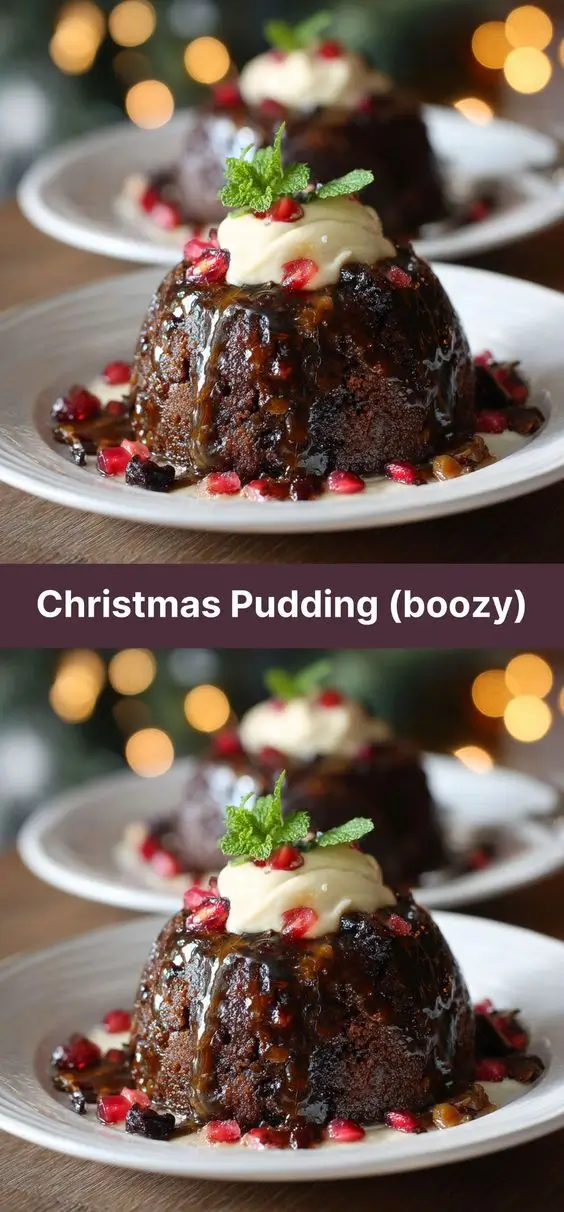
The Christmas pudding, a rich and decadent dessert steeped in centuries of tradition, is the crowning glory of a British holiday feast. Known for its deep, complex flavors, dark hue, and often dramatic presentation—set aflame with brandy—this beloved treat is more than just a dessert; it’s a symbol of warmth, family, celebration, and nostalgia. The “boozy” version takes these qualities to another level, infusing the pudding with generous measures of alcohol that deepen its flavor, enhance moisture, and ensure it matures into an even more luxurious confection over time. Whether made weeks in advance or prepared last minute (though not ideally!), this boozy Christmas pudding delivers a symphony of dried fruits, warm spices, suet, breadcrumbs, eggs, and spirits, all steamed slowly to achieve a dense yet tender texture. Serve it flambéed for theatrical flair, or simply warmed with a luscious sauce—it’s a festive centerpiece that continues to captivate palates around the world.
The History
The origins of Christmas pudding can be traced back to medieval England, evolving from a savory porridge known as “plum pottage.” This early dish, popular in the 14th century, consisted of meat, root vegetables, dried fruits, wine, and spices, slow-cooked into a thick stew and traditionally served on Christmas Eve. Over time, as sugar became more accessible and culinary tastes shifted, the meat was gradually phased out, and the dish transformed into a sweet, fruit-laden dessert. By the Victorian era—particularly during Queen Victoria’s reign—the modern Christmas pudding had taken shape. It became customary to prepare the pudding on Stir-Up Sunday, the last Sunday before Advent, when families would gather to stir the mixture, each person making a wish while doing so. Thirteen ingredients were often included to represent Christ and the apostles, and small tokens like coins or charms were hidden inside for luck. The addition of alcohol, especially brandy, rum, or stout, not only enhanced flavor but also acted as a preservative, allowing the pudding to mature for weeks or even months before serving. Today, while variations abound, the traditional method remains cherished, linking generations through ritual, taste, and tradition.
Ingredients Breakdown
The magic of a boozy Christmas pudding lies in its harmonious blend of ingredients, each playing a crucial role in building depth, texture, and richness:
- Dried Fruits: A combination of raisins, sultanas, currants, candied peel (orange and lemon), prunes, figs, and dates provides sweetness, chewiness, and complexity. Soaking them in alcohol overnight plumps them up and intensifies their flavor.
- Suet: Traditional shredded beef suet adds moisture and richness, helping create the pudding’s signature dense yet tender crumb. Vegetarian suet is a common modern substitute.
- Breadcrumbs: Fresh or dried white breadcrumbs act as a binder and help absorb the liquids without making the pudding heavy.
- Flour: Plain flour adds structure and helps stabilize the mixture during the long steaming process.
- Eggs: They bind everything together and contribute to the pudding’s moist, cake-like interior.
- Milk and Orange Juice: These liquids help hydrate the mixture; orange juice adds a subtle brightness that cuts through the richness.
- Black Treacle and Molasses: These dark syrups lend color, depth, and a slight bitterness that balances the sweetness.
- Brown Sugar: Muscovado or dark brown sugar offers molasses notes and enhances moisture retention.
- Spices: Ground cinnamon, nutmeg, allspice, cloves, and ginger evoke classic holiday aromas and complement the fruits and alcohol.
- Alcohol (the “boozy” element): Brandy, dark rum, and stout (like Guinness) are key. Brandy and rum add warmth and depth, while stout contributes malty richness and enhances color. Some recipes also call for fortified wines like Madeira or port.
- Grated Apple and Carrot: Often included for natural sweetness, moisture, and texture, they also help preserve freshness.
- Citrus Zest: Freshly grated lemon and orange zest brighten the mixture and elevate the aromatic profile.
- Optional Add-ins: Chopped nuts (walnuts or almonds), glace cherries, or even a splash of vanilla extract can be added for extra dimension.
Each ingredient must be balanced carefully—too much liquid and the pudding becomes soggy; too little and it turns dry. The alcohol, in particular, should be used generously but thoughtfully, as it integrates over time and intensifies during aging.
Step-by-Step Recipe
- Day One – Preparation and Soaking: In a large non-reactive bowl, combine 250g raisins, 250g sultanas, 150g currants, 100g chopped mixed candied peel, 100g chopped prunes, 50g chopped figs, and the zest of one orange and one lemon. Pour over 150ml dark rum, 100ml brandy, and 100ml stout. Stir well, cover with cling film, and let soak for at least 12 hours, preferably 24–48 hours, stirring occasionally.
- Prepare the Pudding Basin: Generously butter a 1.2-liter pudding basin or mold. This prevents sticking after steaming.
- Mix Dry Ingredients: In a separate large bowl, combine 100g self-raising flour, 100g fresh white breadcrumbs, 75g plain flour, 1 tsp ground cinnamon, ½ tsp ground nutmeg, ½ tsp allspice, ¼ tsp ground cloves, ¼ tsp ground ginger, and 150g dark brown muscovado sugar. Mix thoroughly.
- Add Remaining Ingredients: To the soaked fruits and alcohol, add 1 finely grated apple, 1 small grated carrot, 100g vegetarian suet (or shredded beef suet), 50g chopped walnuts, 50g glace cherries (halved), 2 tbsp black treacle, 1 tbsp molasses, 50ml milk, and the juice of half an orange. Stir to combine.
- Incorporate Eggs: Beat 3 large eggs in a small bowl, then add to the fruit mixture. Stir gently until fully incorporated.
- Combine Wet and Dry Mixtures: Gradually add the dry ingredients to the wet, folding gently with a wooden spoon or silicone spatula until everything is evenly distributed. Do not overmix.
- Fill the Basin: Spoon the mixture into the buttered basin, pressing down lightly to eliminate air pockets. Smooth the top with the back of a spoon.
- Seal the Pudding: Cut a circle of parchment paper slightly larger than the basin’s diameter. Place it over the top. Then, cut a larger sheet of aluminum foil and place it over the parchment. Secure both tightly with kitchen string tied under the basin’s rim. Create a handle by looping the string across the top for easy removal later.
- Steam the Pudding: Place the basin in a large pot with a trivet or upturned saucer at the bottom (to prevent direct heat contact). Fill the pot with boiling water until it reaches halfway up the sides of the basin. Cover the pot with a tight-fitting lid.
- Cooking Time: Steam for 6 hours, checking every hour to ensure the water hasn’t evaporated. Top up with more boiling water as needed. After 6 hours, carefully remove the pudding from the pot and let it cool. Once cool, replace the foil if damaged, reseal, and store in a cool, dark place.
- Aging (Optional but Recommended): Allow the pudding to mature for 2–8 weeks. Every few days, pour 1–2 tbsp of brandy or rum over the pudding through the parchment to keep it moist and boost flavor.
- Reheating Before Serving: On Christmas Day, re-steam the pudding for 2–3 hours until heated through. Remove the foil and parchment, invert onto a serving plate, and optionally flambé with warmed brandy.
Tips
- Soak the Fruits Early: For best results, soak the dried fruits in alcohol for at least 48 hours—some traditionalists do this as early as September!
- Use Quality Alcohol: Since the alcohol doesn’t cook off completely, use spirits you’d enjoy drinking. Cheap rum or brandy can leave harsh notes.
- Don’t Skip the Grated Veg: Apple and carrot add natural pectin and moisture, improving texture and shelf life.
- Grease the Basin Well: Even a small missed spot can cause the pudding to stick and tear when unmolding.
- Check Water Levels Constantly: Never let the steaming pot boil dry—this could damage your cookware or burn the pudding.
- Double Wrap for Storage: After initial steaming, wrap the cooled pudding tightly in fresh foil and store in a cool, dry cupboard. This helps retain moisture and prevents mold.
- Feed the Pudding: “Feeding” means adding a splash of alcohol every week to enrich flavor and keep it supple. Use a small funnel or pipette to pour it around the edge.
- Test for Doneness: Insert a skewer near the center—if it comes out clean, the pudding is ready. If not, steam longer in 30-minute increments.
- Flambé Safely: Warm 50ml brandy in a ladle over low heat, ignite with a long match, then pour over the hot pudding for a stunning presentation.
- Serve with Style: Accompany with brandy butter, hard sauce, custard, whipped cream, or vanilla ice cream for a luxurious finish.
Variations and Customizations
While the traditional recipe holds a special place, there are many ways to personalize your boozy Christmas pudding:
- Gluten-Free: Replace wheat flour and breadcrumbs with gluten-free alternatives. Use GF oats processed into crumbs and a 1:1 GF flour blend.
- Vegan: Substitute suet with vegan suet, eggs with flax eggs (3 tbsp ground flaxseed + 9 tbsp water), and dairy milk with almond or oat milk.
- Lower Sugar: Reduce sugar content slightly and use naturally sweet dried fruits like dates or raisins. Omit treacle or use a sugar-free syrup alternative (though this may alter texture).
- Different Alcohol Profiles: Experiment with spiced rum, bourbon, cognac, or even Irish whiskey. Port or Madeira can replace some of the stout for a fruitier note.
- Nut Variations: Try pecans, hazelnuts, or pistachios instead of walnuts for a different crunch and flavor profile.
- Modern Twists: Add a tablespoon of espresso powder for depth, orange liqueur like Cointreau, or a pinch of cardamom for an exotic touch.
- Mini Individual Puddings: Use ramekins or small molds for personal-sized puddings. Adjust steaming time to 3–4 hours.
- Non-Alcoholic Version: Replace alcohol with strong tea, apple juice, or a mix of grape juice and vinegar to mimic acidity. Skip the flambé, but still serve warm with sauce.
- Chocolate Swirl: Fold in 50g melted dark chocolate for a decadent twist—ideal for chocolate lovers.
- Fusion Flavors: Incorporate tropical elements like dried mango, coconut flakes, and pineapple soaked in coconut rum for a Caribbean-inspired take.
Health Considerations and Nutritional Value
While undeniably delicious, traditional boozy Christmas pudding is a high-calorie, high-sugar dessert best enjoyed in moderation:
- Calories: A 100g serving contains approximately 300–350 kcal, depending on additions like brandy butter or custard.
- Sugars: High in natural and added sugars from dried fruits, brown sugar, and syrups. A serving may contain 30–40g of sugar.
- Fat: Suet or butter-based versions are high in saturated fat. Vegan versions using plant-based fats may reduce this slightly.
- Alcohol Content: Though most alcohol cooks off during steaming, residual traces remain—especially if “fed” regularly. Not suitable for children, pregnant women, or those avoiding alcohol.
- Fiber: A positive aspect! Dried fruits, whole grains (if using wholemeal breadcrumbs), and vegetables like apple and carrot provide dietary fiber, aiding digestion.
- Micronutrients: Contains iron (from dried fruits), potassium, vitamin C (from citrus), and small amounts of calcium and B vitamins.
- Allergens: Contains gluten, eggs, nuts (if added), and soy (in some suet brands). Always check labels for allergen information.
- Storage Safety: Due to alcohol and low moisture activity after cooking, properly stored puddings can last months. However, always inspect for mold or off smells before reheating.
To make it healthier: reduce sugar by 25%, use whole grain breadcrumbs, increase grated veg, and serve smaller portions with Greek yogurt instead of cream.
Ingredients
- 250g raisins
- 250g sultanas
- 150g currants
- 100g mixed candied peel (chopped)
- 100g prunes (chopped)
- 50g figs (chopped)
- Zest of 1 orange and 1 lemon
- 150ml dark rum
- 100ml brandy
- 100ml stout (e.g., Guinness)
- 100g vegetarian suet (or beef suet)
- 100g fresh white breadcrumbs
- 75g plain flour
- 25g self-raising flour
- 150g dark brown muscovado sugar
- 1 tsp ground cinnamon
- ½ tsp ground nutmeg
- ½ tsp allspice
- ¼ tsp ground cloves
- ¼ tsp ground ginger
- 1 medium apple (grated)
- 1 small carrot (grated)
- 50g chopped walnuts
- 50g glace cherries (halved)
- 2 tbsp black treacle
- 1 tbsp molasses
- 50ml milk
- Juice of half an orange
- 3 large eggs (beaten)
- Butter (for greasing)
- Parchment paper and aluminum foil (for sealing)
- Kitchen string
Directions
- In a large bowl, combine raisins, sultanas, currants, candied peel, prunes, figs, orange zest, lemon zest, rum, brandy, and stout. Cover and soak for 24–48 hours.
- Butter a 1.2-liter pudding basin thoroughly.
- In another bowl, mix flours, breadcrumbs, sugar, and spices.
- To the soaked fruit mixture, add grated apple, grated carrot, suet, walnuts, glace cherries, treacle, molasses, milk, and orange juice. Stir well.
- Add beaten eggs and mix until combined.
- Fold in the dry ingredients until just incorporated.
- Spoon mixture into the prepared basin, smooth the top, and press down gently.
- Cover with a parchment paper circle, then aluminum foil. Secure with string and create a handle.
- Place on a trivet in a large pot. Add boiling water to halfway up the basin. Cover with a lid.
- Steam for 6 hours, topping up water as needed.
- Remove, cool, rewrap if necessary, and store in a cool, dark place.
- “Feed” weekly with 1–2 tbsp brandy for 2–8 weeks.
- On serving day, re-steam for 2–3 hours.
- Unmold onto a plate, flambé if desired, and serve with accompaniments.
FAQ
Can I make Christmas pudding without suet?
Yes—use vegetarian suet or substitute with cold butter or coconut oil (though texture may vary).
How far in advance can I make it?
Ideally 2–8 weeks ahead. Some families make it as early as September!
Can I freeze it?
Yes—cool completely, wrap tightly in plastic and foil, and freeze for up to 3 months. Thaw in the fridge and re-steam for 2–3 hours before serving.
Why did my pudding sink or become dense?
Overmixing, insufficient leavening, or inadequate steaming time can cause this. Ensure ingredients are well-balanced and steam fully.
Can I use a slow cooker?
Yes—place the basin in the slow cooker, fill with hot water to halfway, and cook on high for 8 hours or low for 10–12 hours.
Is it safe to eat raw egg in the mixture?
The long steaming process (6+ hours) fully cooks the eggs, making it safe. For extra caution, use pasteurized eggs.
What if I don’t have a pudding basin?
Use a heatproof bowl with a similar capacity. Ensure it’s oven-safe and can withstand prolonged steaming.
Can I bake it instead of steaming?
Not recommended—baking dries it out. Steaming ensures moist, even cooking.
How do I unmold it cleanly?
Run a thin knife around the edge first, then dip the basin in hot water for 30 seconds before inverting.
What are traditional lucky charms hidden in the pudding?
A silver coin (for wealth), a tiny anchor (for hope), a ring (for love), or a thimble (for thrift). Always warn guests before serving!
Summary
A rich, deeply flavored Christmas pudding infused with brandy, rum, and stout, packed with plump dried fruits, warm spices, and suet, then slow-steamed for hours to perfection. Matured over weeks and often flambéed before serving, this boozy classic is the heartwarming finale to any festive feast.