Introduction
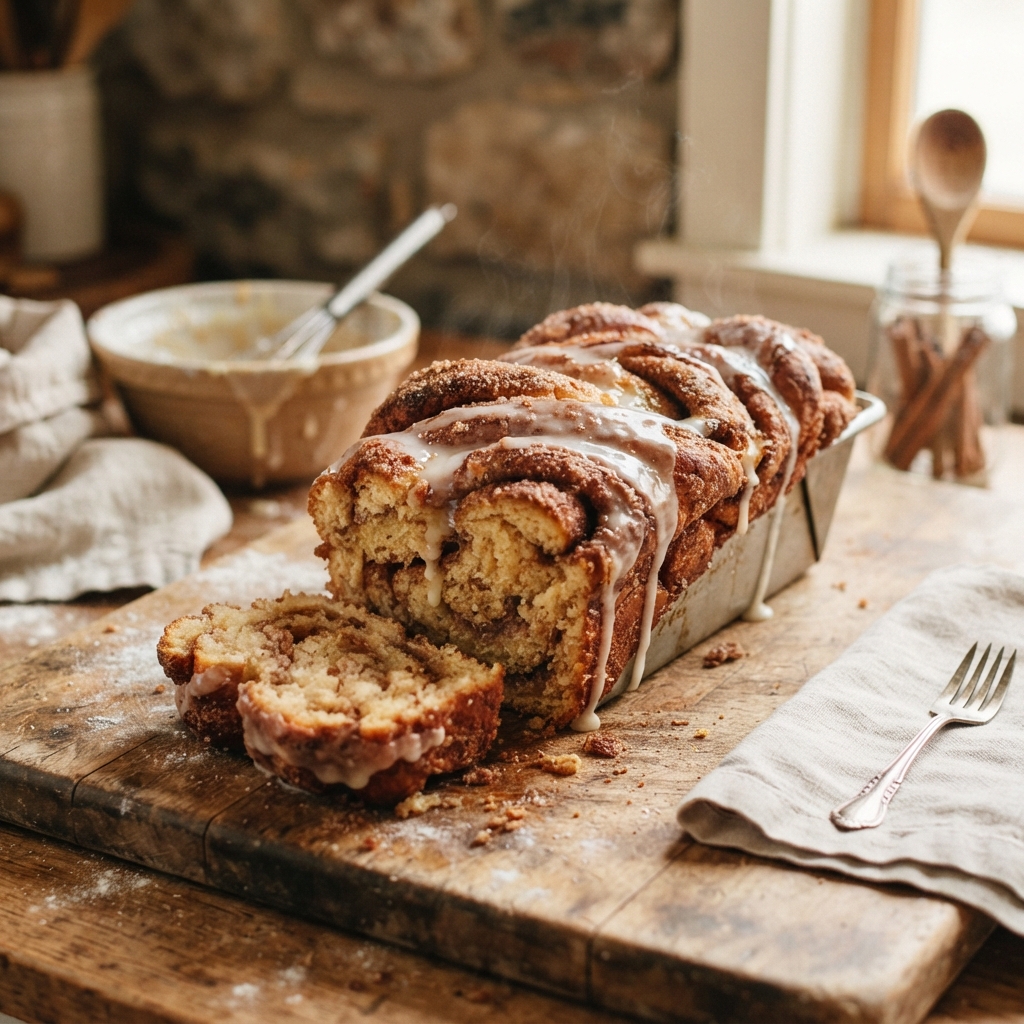
There are certain smells in life that trigger an immediate sense of comfort, nostalgia, and pure joy, and for millions of visitors to Pigeon Forge, Tennessee, that scent is unmistakably the aroma of Dollywood Cinnamon Bread baking in the oven. This isn’t just any sweet bread; it is a cultural phenomenon, a culinary landmark, and often the highlight of a trip to the famous theme park owned by country music legend Dolly Parton. The bread is renowned for its soft, pillowy texture, the generous swirls of cinnamon and sugar that permeate every bite, and the decadent cream cheese glaze that tops it off with a tangy sweetness. Whether you are a seasoned baker looking to replicate a favorite treat or a novice eager to understand the magic behind the Grist Mill’s most famous export, this guide will walk you through everything you need to know. Bringing the experience of Dollywood into your own kitchen allows you to share a piece of Tennessee hospitality with your family and friends, filling your home with the same warm, inviting fragrance that draws long lines at the park.
The History
Dollywood opened its gates in 1986, transforming the former Silver Dollar City into a celebration of Smoky Mountain heritage and Dolly Parton’s life story. At the heart of the park lies The Grist Mill, a functioning historic mill that grinds cornmeal and wheat, serving as a beacon of traditional Appalachian craftsmanship. It was here that the iconic Cinnamon Bread was born, quickly evolving from a simple menu item into the park’s most sought-after food souvenir. Over the decades, the recipe has remained a closely guarded secret, though dedicated fans and food bloggers have worked tirelessly to reverse-engineer the flavor profile and texture. The bread’s popularity is such that visitors often plan their park itinerary around the baking schedule to ensure they can purchase a loaf while it is still warm. The phenomenon has transcended the park boundaries, with copycat recipes becoming some of the most searched baking queries online. This history is not just about bread; it is about the community gathering around a shared experience, the preservation of milling traditions, and the sweet legacy of Dolly Parton’s vision for her homeland.
Ingredients Breakdown
To truly master this recipe, one must understand the role each component plays in the final structure and flavor of the bread. This is not merely a list of items but a breakdown of the chemistry involved in creating the perfect loaf.
- All-Purpose Flour: While bread flour offers higher protein for chewiness, all-purpose flour is traditionally used here to ensure a softer, more cake-like crumb that melts in the mouth. The protein content is sufficient to hold the structure without becoming too tough.
- Active Dry Yeast: This leavening agent is responsible for the rise. It consumes sugars and releases carbon dioxide, creating the air pockets that make the bread light. Proofing it correctly ensures the yeast is alive and active before mixing.
- Granulated Sugar: Sugar serves a dual purpose. It feeds the yeast to encourage rising, and it provides the foundational sweetness that balances the tang of the glaze and the spice of the cinnamon.
- Warm Water: Hydration is key. The water activates the yeast and binds the flour proteins. The temperature is critical; too hot kills the yeast, too cold prevents activation. Ideally, it should be between 105°F and 115°F.
- Butter and Shortening: Fat tenderizes the gluten strands. Butter adds rich flavor, while shortening (often used in the original style) creates a flakier texture and helps the bread stay moist for longer periods.
- Eggs: Eggs provide structure, richness, and color. The fats in the yolk contribute to tenderness, while the proteins in the white help stabilize the rise.
- Cinnamon: The star spice. A high-quality Saigon cinnamon offers a more potent, spicy heat compared to standard grocery store varieties, creating a more robust flavor profile.
- Cream Cheese: Essential for the signature glaze. It provides a tangy contrast to the sweet bread, preventing the loaf from being cloyingly sugary and adding a luxurious creamy texture.
Step-by-Step Recipe
Baking this bread is a journey that requires patience and attention to detail. Follow this narrative guide to ensure success at every stage of the process.
Phase 1: Activation and Mixing
Begin by warming your water to the precise temperature range. If you do not have a thermometer, it should feel warm to the touch but not hot enough to burn your wrist. Sprinkle the yeast and a pinch of sugar over the water and let it sit for about five to ten minutes until it becomes frothy. This indicates the yeast is alive. In a large mixing bowl or the bowl of a stand mixer, combine the flour, remaining sugar, salt, softened butter, shortening, and eggs. Pour in the yeast mixture. Begin mixing on low speed to incorporate the ingredients, then increase to medium speed. You are looking for the dough to come together into a cohesive ball that pulls away from the sides of the bowl.
Phase 2: Kneading and First Rise
If mixing by hand, turn the dough onto a lightly floured surface. Knead vigorously for about ten minutes. You are developing the gluten network here. Perform the “windowpane test” by stretching a small piece of dough; if you can see light through it without it tearing, it is ready. Place the dough in a greased bowl, turning it once to coat the top in oil. Cover with a warm, damp cloth or plastic wrap. Place it in a draft-free, warm area. Let it rise until it has doubled in size, which typically takes about an hour to ninety minutes depending on the ambient temperature of your kitchen.
Phase 3: Shaping and Filling
Once risen, punch the dough down gently to release air bubbles. Roll the dough out into a large rectangle on a floured surface. The thickness should be even, about half an inch. In a small bowl, mix the cinnamon and sugar for the filling. Spread softened butter over the surface of the dough, leaving a small border at the edge. Sprinkle the cinnamon-sugar mixture generously over the butter. Roll the dough tightly from the long end to form a log. Pinch the seams to seal. Place the log into a greased loaf pan. Cover and let it rise again until it crowns over the top of the pan.
Phase 4: Baking and Glazing
Preheat your oven to 350°F. Bake the loaf for approximately 30 to 40 minutes. The top should be golden brown, and the internal temperature should reach 190°F. While the bread bakes, prepare the glaze by beating cream cheese, butter, powdered sugar, and a splash of vanilla until smooth. As soon as the bread comes out of the oven, let it cool for ten minutes, then drizzle the glaze over the top while it is still warm. This allows the glaze to set slightly but remain creamy.
Tips
Success in baking often comes down to the small details. Here are expert tips to elevate your Dollywood Cinnamon Bread from good to extraordinary.
- Measure Flour Correctly: Do not scoop the flour directly with the measuring cup, as this packs it down and leads to dense bread. Instead, spoon the flour into the cup and level it off with a knife.
- Room Temperature Ingredients: Ensure your eggs, butter, and cream cheese are at room temperature before starting. This allows them to emulsify properly, creating a smoother dough and glaze.
- Controlled Rising Environment: If your kitchen is cold, turn your oven on to 200°F for one minute, turn it off, and place the dough inside with the door closed. This creates a perfect proofing box.
- Don’t Overbake: Check the bread a few minutes before the timer goes off. Overbaking will dry out the crumb, ruining the soft texture.
- Glaze Consistency: If your glaze is too thick, add a teaspoon of milk. If it is too thin, add more powdered sugar. You want it thick enough to coat the back of a spoon.
Variations and Customizations
While the original recipe is a classic, baking is an art that invites creativity. You can modify this base recipe to suit different tastes or dietary needs without sacrificing the core experience.
- Add Nuts: Chopped pecans or walnuts can be sprinkled over the cinnamon-sugar layer before rolling to add a crunchy texture and nutty flavor.
- Apple Cinnamon Twist: Sauté diced apples with cinnamon and fold them into the filling for a fruity variation that pairs beautifully with the cream cheese glaze.
- Chocolate Swirl: For a decadent treat, drizzle melted chocolate over the butter layer before adding the cinnamon sugar.
- Dietary Adjustments: You can substitute all-purpose flour with a high-quality gluten-free baking blend for those with sensitivities. Use vegan butter and egg replacers to make the recipe plant-based.
- Glaze Variations: Swap the cream cheese glaze for a simple vanilla bean icing or a maple glaze to change the flavor profile slightly.
Health Considerations and Nutritional Value
It is important to approach this recipe with the understanding that it is a indulgent treat rather than a health food. The Dollywood Cinnamon Bread is high in carbohydrates, sugars, and fats, which contribute to its rich taste and texture. A single slice can contain a significant portion of your daily recommended sugar intake. However, enjoyment of food is also a part of a healthy relationship with eating. To mitigate the impact, consider sharing a loaf among several people rather than consuming it alone. You can also reduce the amount of sugar in the dough slightly without compromising the yeast activity, or use a sugar substitute in the glaze. Balancing this treat with nutrient-dense meals throughout the day allows you to enjoy the bread without guilt. Always be mindful of allergies, particularly regarding wheat, dairy, and eggs, when serving this to guests.
Ingredients
For the Dough:
- 1 cup warm water (110°F)
- 2 ¼ teaspoons active dry yeast (1 packet)
- ½ cup granulated sugar
- ½ cup unsalted butter, softened
- 2 large eggs, room temperature
- 1 teaspoon salt
- 4 to 4 ½ cups all-purpose flour
For the Filling:
- ½ cup unsalted butter, softened
- 1 cup brown sugar, packed
- 2 tablespoons ground cinnamon
For the Cream Cheese Glaze:
- 4 ounces cream cheese, softened
- ¼ cup unsalted butter, softened
- 1 cup powdered sugar
- ½ teaspoon vanilla extract
- 1 to 2 tablespoons milk (if needed for consistency)
Directions
- Dissolve yeast in warm water with a pinch of sugar; let stand until frothy (5-10 minutes).
- In a large bowl, mix yeast mixture, ½ cup sugar, ½ cup butter, eggs, salt, and 2 cups of flour.
- Gradually add remaining flour until a soft dough forms. Knead for 8-10 minutes until smooth.
- Place dough in a greased bowl, cover, and let rise in a warm place until doubled (about 1 hour).
- Punch down dough and roll into a 15×10 inch rectangle on a floured surface.
- Spread ½ cup softened butter over the dough. Mix brown sugar and cinnamon; sprinkle over butter.
- Roll up tightly from the long side. Pinch seams to seal. Place in a greased 9×5 inch loaf pan.
- Cover and let rise again until dough crowns over the pan (about 45 minutes).
- Preheat oven to 350°F. Bake for 30-40 minutes until golden brown and internal temperature reaches 190°F.
- Whisk glaze ingredients together until smooth. Drizzle over warm bread before serving.
FAQ
Why didn’t my bread rise?
This is usually due to inactive yeast. Ensure your water was not too hot, which kills yeast, or too cold, which prevents activation. Also, check the expiration date on your yeast packet.
Can I make this ahead of time?
Yes. You can prepare the dough and let it do its first rise in the refrigerator overnight. Bring it to room temperature before shaping and baking.
How do I store leftover bread?
Store at room temperature in an airtight container for up to 3 days. For longer storage, wrap tightly and freeze for up to 3 months. Reheat slices in the oven to restore freshness.
Can I use bread flour instead of all-purpose?
You can, but the texture will be chewier and less tender. If using bread flour, you may need to add a tablespoon more liquid to the dough.
Why is my glaze runny?
This happens if the butter or cream cheese was too warm. Chill the glaze in the refrigerator for 15 minutes before applying, or add more powdered sugar to thicken it.
Summary
Replicate the iconic taste of Dollywood with this soft, cinnamon-swirled bread topped with a tangy cream cheese glaze. Perfect for special mornings, this recipe brings the warmth of the Smoky Mountains directly into your home kitchen.