Introduction
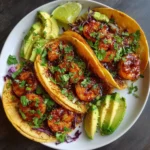
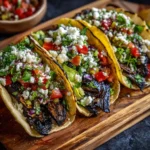
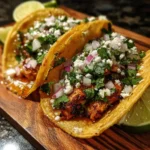
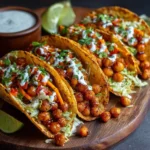
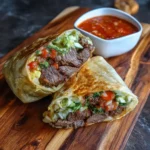
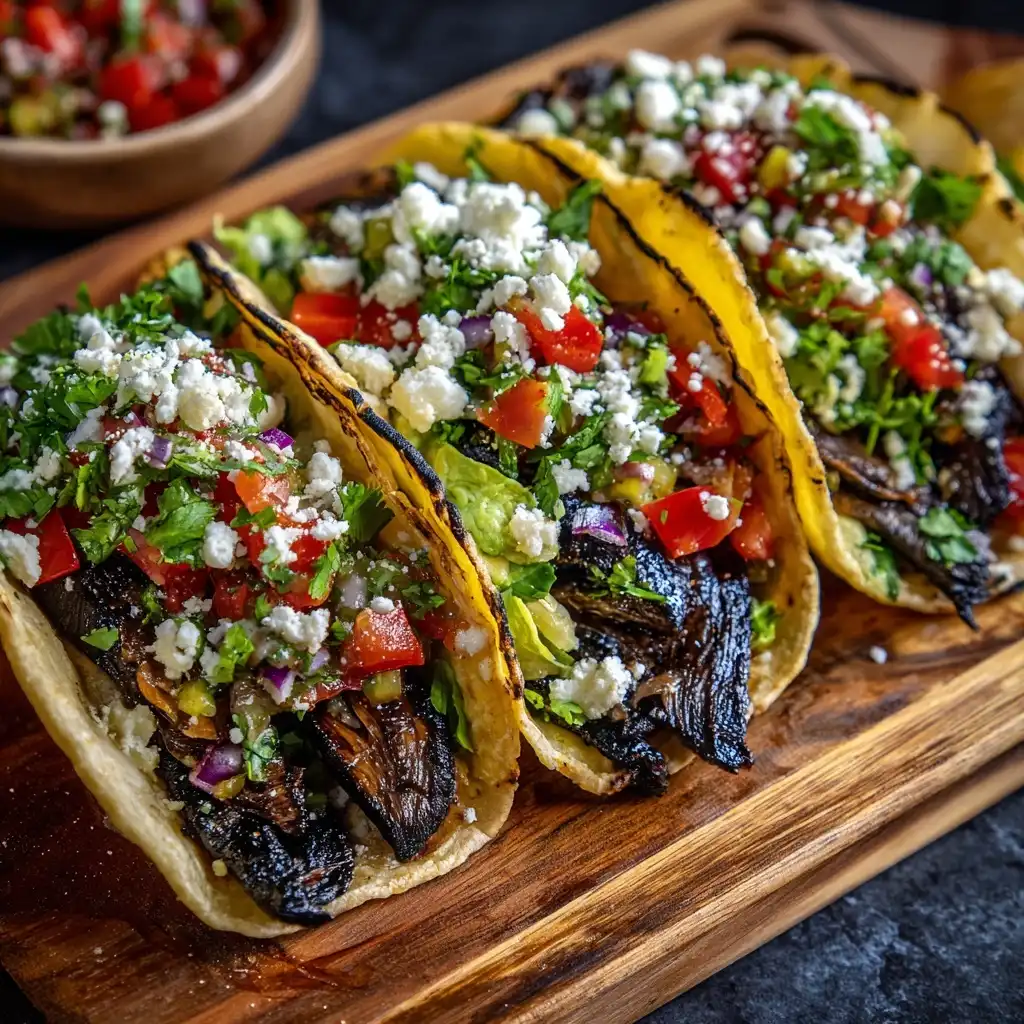
Grilled Portobello Tacos are a vibrant, plant-powered celebration of bold flavors, smoky depth, and satisfying texture—elevating the humble mushroom into a star-worthy taco filling. Far from a mere “meat substitute,” marinated and grilled portobello caps deliver an umami-rich, meaty bite with a tender-yet-substantial chew, perfectly complemented by fresh, zesty, and creamy toppings wrapped in warm, pliable tortillas. Whether you’re a committed vegan, a flexitarian exploring more plant-forward meals, or simply craving something flavorful, hearty, and restaurant-quality at home, these tacos deliver on every front: quick to prepare, endlessly customizable, visually stunning, and deeply satisfying. They’re ideal for weeknight dinners, weekend grilling sessions, taco Tuesdays, or even elegant summer entertaining—proof that plant-based cooking can be luxurious, layered, and utterly crave-worthy.
The History
While tacos themselves trace their roots to pre-Hispanic Mesoamerica—where indigenous peoples used hand-patted maize tortillas as edible utensils for beans, chilies, fish, and insects—the modern concept of the vegetarian or vegan taco is a relatively recent evolution shaped by cultural fusion, culinary innovation, and shifting dietary values. Portobello mushrooms, native to Europe and North America and long prized in European cuisine for their robust flavor and dense texture, gained widespread popularity in North America during the 1980s and ’90s alongside the rise of gourmet produce and farm-to-table movements. Their large, flat caps made them a natural candidate for grilling—and soon, chefs and home cooks alike began treating them like “steaks of the forest.” The marriage of portobellos with Mexican-inspired seasonings, salsas, and taco architecture emerged organically in the early 2000s, particularly in health-conscious coastal cities and progressive food hubs like Portland, Austin, and Los Angeles. Influenced by California-Mexican fusion, vegan chef-driven cookbooks (think Isa Chandra Moskowitz and Bryant Terry), and the growing demand for whole-food, low-processed alternatives, Grilled Portobello Tacos evolved from niche menu items into mainstream staples—appearing on diner chalkboards, food truck menus, and wellness blogs alike. Today, they represent a delicious convergence of global tradition, sustainable eating, and modern flavor science.
Ingredients Breakdown
Every exceptional Grilled Portobello Taco begins with intentionality—not just in selection, but in understanding *why* each ingredient matters:
- Portobello Mushrooms (4–6 large caps): Choose firm, plump caps with tightly closed gills and no sliminess or dark spots. The broad surface area ensures maximum marinade absorption and grill contact, while their naturally high glutamate content delivers deep, savory umami—a foundational flavor that mimics richness without animal products.
- Extra-Virgin Olive Oil (¼ cup): Acts as both a carrier for spices and a protective barrier during grilling, preventing sticking and encouraging caramelization. Opt for a robust, peppery variety to stand up to bold seasonings.
- Fresh Garlic (3–4 cloves, minced): Raw garlic adds pungent brightness; when grilled, it mellows into sweet, nutty depth—essential for building aromatic complexity.
- Fresh Lime Juice (3 tbsp): Provides critical acidity to balance earthiness and fat. Freshly squeezed juice contains volatile citrus oils absent in bottled versions, enhancing fragrance and brightness.
- Smoked Paprika (1½ tsp): Not just color—it imparts a gentle, wood-fired resonance that echoes the grill itself, bridging the gap between mushroom and flame.
- Ground Cumin (1 tsp): Warm, earthy, and slightly citrusy, cumin is the backbone of taco seasoning—its volatile oils bloom beautifully when heated.
- Ancho Chile Powder (1 tsp): Made from dried poblano peppers, ancho adds fruity sweetness, mild heat (Scoville 1,000–2,000), and a raisin-like depth that complements mushrooms’ natural savoriness.
- Chipotle Powder or Adobo Sauce (½ tsp or 1 tbsp): For smoky heat and tangy complexity—chipotle (smoked jalapeños) introduces a layered burn that lingers without overwhelming.
- Maple Syrup or Agave Nectar (1 tbsp): A touch of natural sweetness encourages Maillard browning on the grill and balances acidity and spice—never cloying, always harmonizing.
- Sea Salt & Freshly Ground Black Pepper (to taste): Salt enhances all other flavors and draws out moisture for better sear; coarse black pepper adds aromatic bite that survives grilling.
- Corn or Flour Tortillas (8–12, 6-inch): Corn offers authentic earthiness and gluten-free integrity; flour provides pliability and subtle richness. For best results, use fresh, locally made tortillas—or warm store-bought ones on a dry skillet until blistered and fragrant.
- Avocado Slices or Guacamole: Creamy, cool, and rich in heart-healthy monounsaturated fats—avocado tempers heat and adds luxurious mouthfeel.
- Pickled Red Onions: Quick-pickled onions (vinegar + sugar + salt + time) deliver bright acidity, crisp texture, and vibrant magenta hue—cutting through richness and adding visual pop.
- Crumbled Queso Fresco or Vegan Cotija (optional but recommended): Salty, crumbly, and milky—this cheese adds a traditional taco finish. For vegan versions, try almond-based cotija or crumbled tofu “feta” marinated in lemon, nutritional yeast, and sea salt.
- Fresh Cilantro Leaves: Bright, citrusy, and herbaceous—cilantro’s aldehyde compounds interact uniquely with the mushroom’s aroma, lifting the entire bite.
- Radish Sprouts, Microgreens, or Thinly Sliced Radishes: Adds peppery crunch, visual contrast, and enzymatic freshness that cuts through smokiness.
- Crema or Cashew Lime Crema (optional): A drizzle of cool, tangy creaminess binds the taco together—traditional crema or a luxuriously smooth cashew-based version enriched with lime zest and garlic.
Step-by-Step Recipe
- Prep the Mushrooms: Gently wipe each portobello cap with a damp paper towel—never soak, as mushrooms absorb water like sponges. Carefully remove stems (reserve for dicing and sautéing into taco fillings or stocks), and scrape out the dark gills using a spoon if desired (this prevents discoloration of marinade and creates a smoother surface—but gills are edible and flavorful, so skip if you prefer deeper earthiness).
- Make the Marinade: In a medium bowl, whisk together olive oil, lime juice, minced garlic, smoked paprika, cumin, ancho powder, chipotle or adobo, maple syrup, salt, and pepper until fully emulsified. Taste and adjust: more lime for brightness, more chipotle for smoke, more maple for balance.
- Marinate with Purpose: Place mushrooms gill-side down in a shallow dish or resealable bag. Pour marinade evenly over tops, then flip and coat gill-side as well. Let rest at room temperature for 20–30 minutes—or refrigerate up to 2 hours for deeper penetration (if chilled, bring to room temp 15 min before grilling). Do not exceed 2 hours, as acid can begin to break down texture.
- Preheat the Grill: Heat a gas or charcoal grill to medium-high (about 400–450°F). Clean grates thoroughly and oil generously using tongs and a folded paper towel dipped in neutral oil (like grapeseed or avocado) to prevent sticking.
- Grill with Precision: Place mushrooms stem-side down first for 4–5 minutes, undisturbed, until deep grill marks form and edges begin to curl slightly. Flip carefully using tongs or a thin metal spatula and grill gill-side down for another 3–4 minutes—until caps are deeply browned, slightly shrunken, and yield gently to pressure (like a rare steak). Avoid pressing down—they’ll release precious juices.
- Rest and Slice: Transfer grilled mushrooms to a cutting board and let rest 2–3 minutes—this allows internal juices to redistribute. Slice widthwise into ½-inch strips or leave whole for dramatic presentation.
- Warm the Tortillas: Heat a cast-iron skillet or comal over medium heat. Warm each tortilla for 30–45 seconds per side until soft, pliable, and lightly speckled. Stack in a cloth-lined basket or tortilla warmer to retain steam and flexibility.
- Assemble Thoughtfully: Lay a warm tortilla flat. Layer 2–3 mushroom strips down the center. Top with generous avocado slices, pickled onions, crumbled cheese, fresh cilantro, radish garnish, and a final drizzle of crema. Fold or roll gently—tacos should hold together without bursting.
- Serve Immediately: Plate 2–3 tacos per person, garnished with extra lime wedges, flaky sea salt, and a small bowl of extra pickled onions or salsa on the side.
Tips
- Select with care: Look for portobellos with smooth, dry caps—avoid any with wrinkles, bruises, or a strong ammonia-like odor (a sign of spoilage).
- Don’t rinse—wipe: Submerging mushrooms dilutes flavor and hinders browning. A gentle wipe preserves integrity.
- Marinate smart, not long: Acid + time = mush. Stick to 20–30 min at room temp for optimal texture and flavor infusion.
- Grill hot, flip once: High, consistent heat ensures caramelization—not steaming. Resist the urge to move them too soon.
- Embrace carryover cooking: Mushrooms continue to cook slightly off-heat—pull them just before reaching your ideal doneness.
- Warm tortillas *just* before serving: Cold tortillas crack; overheated ones become brittle. Perfect warmth = pliable and fragrant.
- Layer strategically: Place wet ingredients (crema, salsa) *under* dry ones (cheese, herbs) to prevent soggy tortillas.
- Toast your spices: Briefly dry-toast cumin and ancho in a pan before grinding (if using whole seeds) for exponentially deeper, nuttier flavor.
- Save the stems: Finely dice and sauté with onions and garlic for taco filling extensions, blended into mushroom “meat” crumbles, or simmered into rich vegetable broths.
- Prep components ahead: Make pickled onions up to 1 week in advance; blend crema and chop garnishes the day before—grilling is the only last-minute step.
- Use a grill basket for smaller caps: Prevents falling through grates—especially helpful for uneven or smaller mushrooms.
- Add umami boosters: A splash of tamari, coconut aminos, or a pinch of nutritional yeast in the marinade amplifies savoriness without overpowering.
- Check grill grate alignment: Ensure grates are parallel and clean—uneven surfaces cause inconsistent contact and poor sear.
- Rest mushrooms on a wire rack: Elevating them prevents steaming on the bottom and maintains crisp edges.
- Season tortillas too: Lightly brush warmed tortillas with infused oil (chipotle-lime or garlic-herb) for extra dimension.
Variations and Customizations
These tacos thrive on creativity—here’s how to make them your own across cuisines, diets, and occasions:
- Mediterranean-Inspired: Swap lime for lemon juice, use oregano and sumac instead of cumin/ancho, top with tzatziki, kalamata olives, roasted red peppers, and crumbled vegan feta.
- Asian-Fusion: Marinate in tamari, toasted sesame oil, grated ginger, rice vinegar, and five-spice powder; garnish with quick-pickled daikon, scallions, nori strips, and wasabi aioli.
- Breakfast Tacos: Grill mushrooms with turmeric and black salt (kala namak) for eggy notes; serve in warm flour tortillas with scrambled tofu, sautéed spinach, and chipotle-maple syrup drizzle.
- Smoky BBQ Style: Add 1 tsp liquid smoke and 1 tbsp molasses to marinade; top with bourbon-barbecue slaw (shredded cabbage, apple, red onion, cider vinegar, and smoky BBQ sauce).
- Deconstructed “Taco Bowl”: Serve grilled mushrooms over cilantro-lime cauliflower rice, black bean-corn salsa, avocado crema, and crushed tortilla chips—ideal for meal prep or gluten-free needs.
- Gourmet Upscale: Brush grilled caps with truffle oil, top with micro arugula, shaved Manchego (or vegan aged cashew cheese), pear slices, and balsamic reduction.
- Spicy Firecracker: Double the chipotle, add minced serrano and a dash of cayenne; garnish with habanero-pineapple salsa and jalapeño crema.
- Herb-Forward Garden: Infuse marinade with fresh rosemary, thyme, and parsley; top with heirloom tomato pico de gallo, basil ribbons, and lemon-herb cashew ricotta.
- Smash-Style “Steak” Tacos: After initial grill, gently press mushrooms with a spatula for 30 seconds to create ultra-crisp edges—then finish with a sprinkle of smoked sea salt.
- Kid-Friendly Mild: Omit chipotle and ancho; use mild paprika and a touch of honey; top with mild Monterey Jack, shredded lettuce, and roasted corn.
- Low-Carb/Keto: Serve mushroom “tacos” in butter lettuce cups or grilled portobello “shells” (halved and scooped), topped with avocado, cotija, and everything but the tortilla.
- Meal-Prep Friendly: Grill and slice mushrooms ahead; store separately from wet toppings. Assemble fresh each day—tacos stay vibrant for up to 4 days when components are kept apart.
- Festive Holiday Version: Marinate with orange zest, cinnamon, and clove; top with pomegranate arils, candied pecans, crumbled goat cheese, and maple-cinnamon crema.
- Umami Bomb Vegan: Add dried porcini powder and white miso paste to marinade; finish with black garlic aioli and shiitake “bacon” crumbles.
- Seafood-Infused: Add a teaspoon of Old Bay seasoning to marinade; top with mango-jalapeño ceviche-style slaw and crispy seaweed flakes.
Health Considerations and Nutritional Value
Grilled Portobello Tacos shine as a nutrient-dense, whole-food, plant-forward meal—with impressive benefits rooted in both ingredients and preparation methods:
- Portobello Powerhouse: One large grilled portobello cap (approx. 110g raw) delivers ~25 calories, 3g protein, 1g fiber, and notable amounts of B vitamins (especially B2, B3, and B5), selenium (a potent antioxidant), potassium (supporting blood pressure regulation), and ergothioneine—an amino acid uniquely concentrated in mushrooms that protects cells from oxidative stress.
- Heart-Healthy Fats: Extra-virgin olive oil contributes monounsaturated fats (MUFAs) linked to reduced LDL cholesterol and improved vascular function. Avocado adds additional MUFAs plus beta-sitosterol, which helps modulate cholesterol absorption.
- Anti-Inflammatory Profile: Garlic, onions, lime, cilantro, and chiles contain quercetin, allicin, limonene, and capsaicin—bioactive compounds shown to reduce systemic inflammation and support immune resilience.
- Fiber-Rich & Gut-Supportive: With corn tortillas (3g fiber each), mushrooms (1g per cap), onions, avocado, and optional black beans or roasted vegetables, a full serving easily reaches 10–15g dietary fiber—fueling beneficial gut microbiota and promoting satiety and stable blood sugar.
- Low Sodium (When Controlled): Unlike processed meats or canned beans, this recipe relies on whole, unprocessed ingredients—allowing full sodium control. Using sea salt mindfully keeps totals well below 500mg per serving (vs. >1,000mg in many restaurant tacos).
- No Added Sugars (Naturally): Maple syrup is used minimally (<1g added sugar per taco); omit entirely for strict low-sugar diets—the mushrooms caramelize beautifully on their own.
- Vegan & Naturally Gluten-Free Options: Easily adaptable for common dietary restrictions—just verify tortilla labels (many corn tortillas are certified GF) and choose vegan cheeses/cremas.
- Low-Calorie Density, High-Satiety: At ~250–350 calories per two-taco serving (depending on toppings), this meal delivers volume, texture, and flavor without caloric excess—making it ideal for weight-conscious or metabolic health goals.
- Antioxidant Diversity: From anthocyanins in purple pickled onions and pomegranate, to carotenoids in ancho and paprika, to vitamin C in lime and cilantro—the rainbow of ingredients provides synergistic phytonutrient protection.
- Grilling Benefits (When Done Right): Short-duration, high-heat grilling preserves heat-sensitive nutrients (like vitamin C and B vitamins) better than prolonged boiling or frying—and avoids added oils beyond the intentional, health-promoting olive oil.
- Considerations & Modifications: Those with histamine sensitivity may opt for shorter marination times or omit fermented elements (like certain vegan cheeses). For low-FODMAP diets, limit garlic/onion (use infused oil instead) and avoid large servings of mushrooms (limit to ¼ cup sliced per meal). Always consult a registered dietitian for personalized guidance.
Ingredients
- 4–6 large portobello mushroom caps (about 1 inch thick), stems removed
- ¼ cup extra-virgin olive oil
- 3 tablespoons freshly squeezed lime juice (about 1–2 limes)
- 3–4 garlic cloves, finely minced
- 1½ teaspoons smoked paprika
- 1 teaspoon ground cumin
- 1 teaspoon ancho chile powder
- ½ teaspoon chipotle powder or 1 tablespoon adobo sauce (from canned chipotles)
- 1 tablespoon pure maple syrup or agave nectar
- 1½ teaspoons fine sea salt (plus more to finish)
- Freshly ground black pepper, to taste
- 8–12 (6-inch) corn or flour tortillas, preferably fresh
- 2 ripe Hass avocados, sliced or mashed into guacamole
- ½ cup quick-pickled red onions (see note)
- ⅓ cup crumbled queso fresco, cotija, or vegan alternative
- ¼ cup fresh cilantro leaves, loosely packed
- ¼ cup thinly sliced radishes or radish sprouts
- Lime wedges, for serving
- Flaky sea salt, for finishing
Note: For quick-pickled red onions — thinly slice 1 small red onion and submerge in ½ cup apple cider vinegar, 1 tbsp maple syrup, 1 tsp salt, and ¼ tsp red pepper flakes. Refrigerate for at least 30 minutes (best after 2+ hours).
Directions
- Prepare the mushrooms: Wipe caps gently with a damp paper towel. Remove stems and scrape out gills if desired (optional). Set aside.
- In a medium mixing bowl, whisk together olive oil, lime juice, minced garlic, smoked paprika, cumin, ancho powder, chipotle or adobo, maple syrup, salt, and several grinds of black pepper until smooth and well combined.
- Place mushrooms in a single layer in a shallow dish or gallon-size resealable bag. Pour marinade over mushrooms, turning to coat both sides thoroughly. Marinate at room temperature for 20–30 minutes (or refrigerate up to 2 hours; bring back to room temperature before grilling).
- Preheat grill to medium-high (400–450°F). Clean grates and oil generously with neutral oil on a paper towel held with tongs.
- Remove mushrooms from marinade, letting excess drip off. Place caps stem-side down on hot grill. Cook undisturbed for 4–5 minutes, until deeply marked and edges begin to lift.
- Carefully flip mushrooms using tongs or a thin spatula. Grill gill-side down for 3–4 minutes more, until tender, deeply browned, and slightly shrunken.
- Transfer mushrooms to a cutting board and rest for 2–3 minutes. Slice widthwise into ½-inch strips.
- Warm tortillas one at a time on the grill or in a dry cast-iron skillet over medium heat for 30–45 seconds per side, until soft and pliable. Keep wrapped in a clean kitchen towel or tortilla warmer.
- To assemble: Lay a warm tortilla flat. Arrange 2–3 mushroom strips down the center. Top with avocado, pickled onions, crumbled cheese, cilantro, radishes, and a light sprinkle of flaky salt. Finish with a squeeze of fresh lime juice.
- Serve immediately, with extra lime wedges and a small bowl of extra pickled onions or salsa on the side.
FAQ
- Can I bake or air-fry the mushrooms instead of grilling?
- Absolutely! For oven roasting: Preheat to 425°F. Arrange marinated mushrooms on a parchment-lined sheet pan, gill-side up. Roast 12–15 minutes, flipping halfway, until deeply browned and tender. For air-frying: Place in basket in a single layer and cook at 400°F for 10–12 minutes, shaking halfway. Both methods yield excellent results—though grilling adds irreplaceable smoky nuance.
- Why do my mushrooms release so much water when grilling?
- Excess moisture usually comes from rinsing (which mushrooms absorb), insufficient marinating time (so they don’t seal), or overcrowding the grill (causing steaming instead of searing). Always wipe—not rinse—and ensure high, dry heat with space between caps.
- Are portobello mushrooms healthy raw?
- Raw portobellos contain agaritine, a naturally occurring compound that breaks down significantly with heat. Grilling, roasting, or sautéing reduces agaritine by ~90%, making cooked mushrooms the safer, more digestible, and far more flavorful choice—especially for regular consumption.
- Can I make these ahead for meal prep?
- Yes—with smart separation. Grill and slice mushrooms up to 4 days ahead; store in an airtight container in the fridge. Prepare pickled onions up to 2 weeks ahead. Make crema up to 5 days ahead. Warm tortillas and assemble tacos fresh—this preserves texture and prevents sogginess.
- What’s the best vegan cheese alternative?
- For meltability and saltiness: Follow Your Heart’s VeganFeta or Violife’s Feta Block. For crumble: Try homemade almond-cotija (blanch + blend almonds with lemon, miso, and nutritional yeast). For creaminess: Ripe avocado or cashew lime crema is unbeatable—and nutritionally superior.
- My tortillas keep cracking—what am I doing wrong?
- Tortillas crack when cold, dry, or overcooked. Always warm them just before assembling—steam helps! Wrap stacked tortillas in foil and heat in a 350°F oven for 10 minutes, or use a damp cloth in the microwave for 20 seconds. Never skip the warming step.
- How do I get perfect grill marks every time?
- Pat mushrooms *very* dry before marinating, preheat grill until smoking hot, oil grates *immediately* before placing mushrooms, and resist moving them for full 4+ minutes. A cast-iron grill pan indoors works just as well—and offers more control.
- Can I use cremini or baby bella mushrooms instead?
- You can—but expect different results. Creminis are smaller and milder; you’ll need ~12–16 for equivalent volume, and they’ll cook faster (2–3 min per side). They lack the dramatic presence and meaty density of portobellos, but work beautifully in taco bowls or chopped fillings.
- Is there a soy-free option for the marinade?
- Yes—this recipe is naturally soy-free. Just double-check any adobo sauce (some brands contain soybean oil) and opt for a certified soy-free brand like La Costeña or make your own adobo with chipotles, vinegar, and spices.
- What wine or beverage pairs best with these tacos