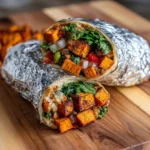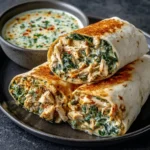
Introduction
Hawaiian Chicken Burritos are a vibrant, flavor-packed fusion dish that marries the sweet-tangy essence of tropical Hawaii with the hearty, handheld convenience of Mexican-inspired burritos. Imagine tender, slow-cooked chicken glazed in a luscious blend of pineapple juice, brown sugar, soy sauce, and ginger—then wrapped in a warm flour tortilla with grilled pineapple, crisp cabbage slaw, creamy avocado, sharp cheddar, and a zesty cilantro-lime crema. This dish is more than just a meal—it’s a vacation on a plate: bright, balanced, and boldly satisfying. Whether you’re meal prepping for the week, hosting a casual backyard gathering, or simply craving something exciting yet approachable, Hawaiian Chicken Burritos deliver restaurant-quality taste with home-kitchen ease. Their growing popularity across food blogs, TikTok recipe reels, and coastal café menus speaks to their universal appeal: sweet meets savory, tender meets crunchy, and tradition joyfully collides with innovation.
The History
While no single chef or island village can claim sole authorship of the Hawaiian Chicken Burrito, its origins trace back to the dynamic culinary crossroads of late 20th- and early 21st-century American food culture. The concept emerged organically from the broader “Hawaiian” or “tropical” fusion trend—popularized in the 1980s and ’90s by chefs like Roy Yamaguchi (founder of Hawaii Regional Cuisine), who championed locally sourced ingredients and cross-cultural techniques. Pineapple, introduced to Hawai‘i in the early 1800s and commercialized by James Dole in 1901, became an iconic symbol of the islands’ agricultural identity—and later, a beloved flavor bridge between Asian, Polynesian, and mainland American palates. Simultaneously, California-style burritos—large, foil-wrapped, ingredient-forward iterations born in San Diego in the 1960s—laid the structural groundwork. By the 2010s, food trucks along the West Coast and Pacific Northwest began experimenting with teriyaki-glazed proteins, leading to the now-ubiquitous “Hawaiian” twist: swapping traditional fajita fillings for grilled chicken bathed in pineapple-soy-ginger marinades. Social media accelerated its evolution—Instagrammable golden-brown tortillas stuffed with jewel-toned slaw and charred pineapple slices turned it into a viral staple. Today, it’s a celebrated example of culinary diaspora: a dish rooted in respect for Hawaiian ingredients, shaped by immigrant ingenuity, and refined through generations of home cooks seeking joyful, crowd-pleasing comfort.
Ingredients Breakdown
Every exceptional Hawaiian Chicken Burrito relies on intentional layering—not just of flavors, but of textures, temperatures, and nutritional balance. Below is a detailed, chef-level breakdown of each core component and why it matters:
- Chicken Breast or Thighs: Boneless, skinless chicken thighs are preferred for their superior marbling, moisture retention, and rich umami depth—especially important when slow-cooking or grilling. Breasts work well for leaner profiles but require careful timing to avoid dryness.
- Pineapple Juice (100% Pure, Unsweetened): The foundational liquid for the marinade and glaze—provides natural sweetness, acidity, and bromelain enzymes that gently tenderize the chicken. Canned or fresh-squeezed both work; avoid “juice drinks” with added sugars or preservatives.
- Low-Sodium Soy Sauce: Adds deep savoriness (umami) and salt balance without overwhelming sodium. Tamari is an excellent gluten-free alternative; coconut aminos offer a slightly sweeter, milder profile for sensitive diets.
- Brown Sugar (Light or Dark): Contributes caramelized richness and helps build a glossy, sticky glaze. Dark brown sugar adds molasses notes; light offers cleaner sweetness. Maple syrup or coconut sugar can substitute for refined-sugar-free versions.
- Fresh Ginger (Grated or Microplaned): Not powdered—fresh ginger delivers bright, spicy-aromatic volatility that lifts the entire profile and cuts through richness. Its enzymatic properties also aid digestion—a subtle functional bonus.
- Garlic (Fresh, Minced): Provides pungent depth and aromatic complexity. Roasted garlic can be folded in for a mellower, nuttier variation.
- Apple Cider Vinegar or Rice Vinegar: Adds bright acidity to balance sweetness and enhance fruit notes—critical for preventing cloying heaviness. White vinegar lacks nuance; balsamic would overpower.
- Flour Tortillas (10–12 inch, Restaurant-Style): Look for high-fat (4–6g per tortilla), pliable varieties with minimal additives—these puff beautifully when warmed and hold fillings without tearing. Whole wheat or spinach-infused options add fiber and color without sacrificing flexibility.
- Fresh Pineapple (Chunks or Rings): Grilled or pan-seared to concentrate sweetness and develop caramelized edges. Fresh is non-negotiable—canned pineapple in syrup adds excess water and artificial flavor; drained canned in juice is acceptable only in emergencies.
- Red Cabbage Slaw: Thinly shredded red cabbage tossed with lime juice, rice vinegar, touch of honey, toasted sesame oil, and scallions. Offers crunch, vibrant color, vitamin C, and a refreshing acidic counterpoint.
- Avocado or Guacamole: Adds luxurious creaminess, heart-healthy monounsaturated fats, and cooling contrast. Lime juice prevents browning and enhances freshness.
- Sharp Cheddar or Pepper Jack: Melts beautifully and provides salty, tangy backbone. Monterey Jack offers milder melt; smoked gouda introduces a campfire nuance for adventurous variations.
- Cilantro-Lime Crema: Full-fat sour cream or Greek yogurt blended with lime zest, lime juice, fresh cilantro, pinch of garlic powder, and sea salt. Acts as both binder and bright, herbaceous finisher.
- Optional Garnishes: Pickled red onions, toasted macadamia nuts (a true Hawaiian nod), furikake seasoning, micro cilantro, or a drizzle of chili crisp for heat.
Step-by-Step Recipe
- Marinate the Chicken (30 minutes–24 hours): In a large bowl or resealable bag, whisk together ¾ cup pineapple juice, ¼ cup low-sodium soy sauce, 3 tbsp brown sugar, 1½ tbsp freshly grated ginger, 2 minced garlic cloves, 1 tbsp apple cider vinegar, 1 tsp toasted sesame oil, ½ tsp black pepper, and ¼ tsp red pepper flakes (optional). Add 1.5 lbs boneless, skinless chicken thighs (cut into 1-inch pieces for faster cook time). Seal and refrigerate—minimum 30 minutes for flavor infusion, ideally 4–8 hours for maximum tenderness and depth. Avoid marinating >24 hours due to pineapple’s tenderizing enzymes.
- Prepare the Slaw (15 minutes ahead): In a medium bowl, combine 4 cups thinly sliced red cabbage, ¼ cup finely julienned carrots, 3 tbsp rice vinegar, 1 tbsp fresh lime juice, 1 tsp honey, 1 tsp toasted sesame oil, 2 thinly sliced scallions, 2 tbsp chopped fresh cilantro, and a pinch of salt. Toss well and refrigerate—flavors deepen over time.
- Make the Cilantro-Lime Crema (10 minutes): In a blender or small food processor, combine 1 cup full-fat sour cream (or plain whole-milk Greek yogurt), zest and juice of 1 large lime, ¼ cup packed fresh cilantro leaves, 1 small garlic clove, ¼ tsp sea salt, and 2 tbsp water (to adjust consistency). Blend until smooth. Chill until ready to use.
- Cook the Chicken (15–20 minutes): Heat 1 tbsp neutral oil (avocado or grapeseed) in a heavy-bottomed skillet or Dutch oven over medium-high heat. Remove chicken from marinade (reserve marinade!) and pat dry thoroughly—this ensures searing, not steaming. Sear chicken in batches until deeply golden on all sides (~3–4 minutes per batch). Reduce heat to medium-low, return all chicken to pan, pour in reserved marinade, and simmer uncovered for 12–15 minutes—stirring occasionally—until chicken is cooked through (165°F internal temp) and sauce has reduced to a thick, glossy glaze. For extra caramelization, broil 2–3 minutes at the end.
- Grill or Pan-Seal the Pineapple (5 minutes): While chicken simmers, heat grill pan or cast-iron skillet over medium-high. Brush pineapple rings or chunks lightly with reserved glaze or neutral oil. Grill 2–3 minutes per side until caramelized and tender-crisp. Optional: Sprinkle with a pinch of flaky sea salt post-grill.
- Warm the Tortillas (2 minutes): Heat a dry skillet over medium. Warm each tortilla 30–45 seconds per side until pliable and lightly speckled. Stack under a clean kitchen towel to keep steamy and flexible.
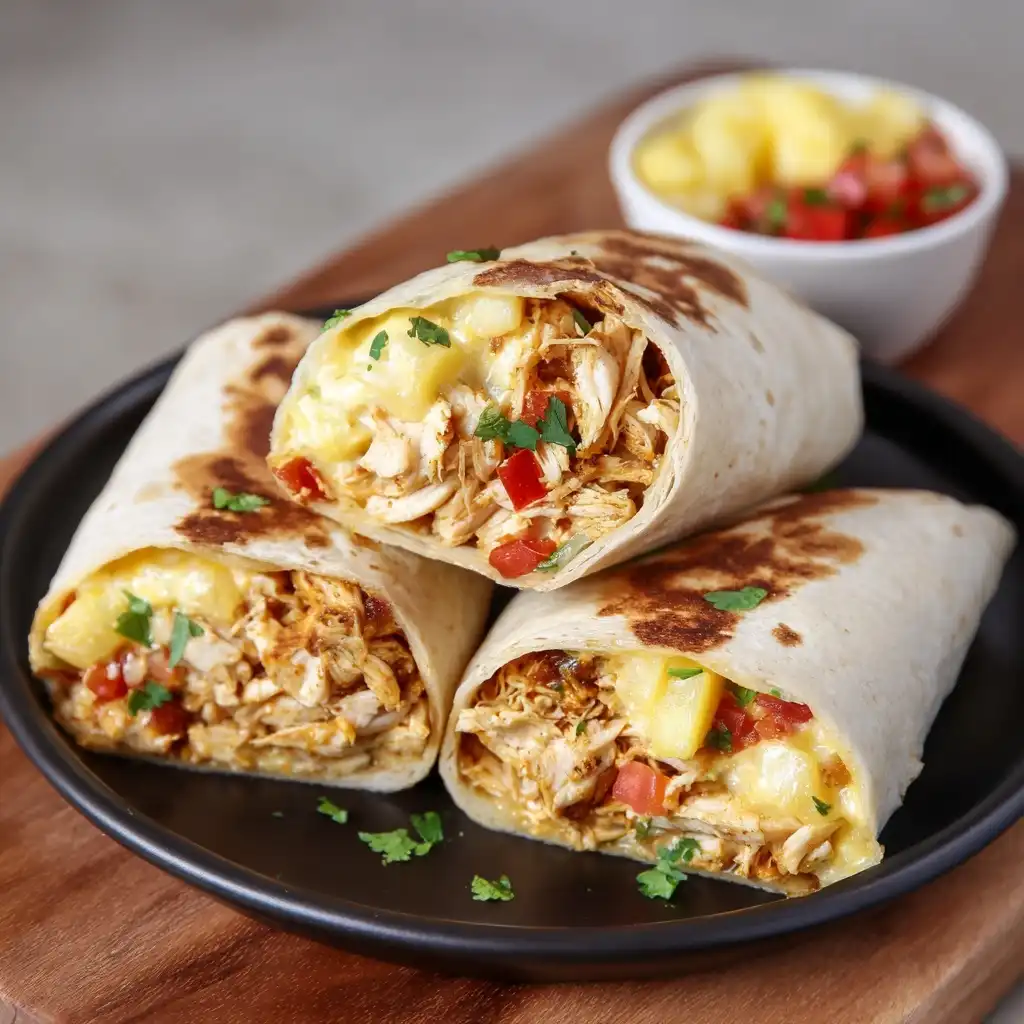
- Assemble Burritos (Assembly Line Style): Lay a warm tortilla flat. Spread 2 tbsp cilantro-lime crema in a horizontal stripe across center. Top with ⅓ cup warm pineapple-glazed chicken, ¼ cup grilled pineapple, ⅓ cup red cabbage slaw, 2–3 avocado slices (or 2 tbsp guac), and 2 tbsp shredded cheddar. Fold bottom edge up over filling, fold in left and right sides snugly, then roll tightly away from you into a compact cylinder. Repeat.
- Optional Crisp Finish (For Texture Lovers): Lightly brush assembled burritos with oil and air-fry at 375°F for 4–5 minutes, turning once—or pan-sear seam-side down in a dry skillet for 2 minutes until golden and crisp. This step locks in juices and adds irresistible textural contrast.
- Serve Immediately: Slice diagonally in half for presentation, or serve whole wrapped in parchment paper for easy handling. Accompany with extra crema, extra slaw, and lime wedges.
Tips
- Pat Chicken Dry Before Searing: Excess moisture = steam, not sear. A golden crust = better flavor and texture.
- Reserve & Reduce Marinade Safely: Never reuse raw marinade. Always boil reserved liquid for 3+ minutes before adding back to cooked chicken to eliminate pathogens.
- Tortilla Temperature Matters: Too cold = brittle and cracking. Too hot = rubbery. Aim for “just warm enough to bend without resistance.”
- Slaw Prep Timing: Make slaw up to 24 hours ahead—the acid softens cabbage slightly and improves flavor melding. Drain excess liquid before assembling to prevent soggy tortillas.
- Portion Control for Meal Prep: Assemble burritos *without* avocado or crema if prepping ahead. Store components separately; assemble cold and reheat gently (air fryer preferred over microwave to retain texture).
- Prevent Unraveling: Use slightly larger tortillas (12-inch), don’t overfill (max 1.5 cups total filling), and roll tightly while holding bottom flap firmly. Secure with parchment paper wrap or toothpick if needed for transport.
- Boost Umami Depth: Add 1 tsp miso paste or ½ tsp fish sauce (fermented anchovy) to the marinade—undetectable individually but elevates savoriness exponentially.
- Grill vs. Stovetop Pineapple: Grill gives smoky char; stovetop gives deeper caramelization. Either works—but never skip the sear: raw pineapple lacks the concentrated sweetness and textural intrigue this dish demands.
- Acid Is Your Ally: If burrito tastes flat or overly sweet, a final squeeze of lime juice or splash of rice vinegar on top will instantly rebalance.
- Rest Chicken Before Slicing: Let cooked chicken rest 5 minutes before assembling—allows juices to redistribute and prevents dry bites.
Variations and Customizations
Hawaiian Chicken Burritos are gloriously adaptable—ideal for dietary preferences, seasonal produce, pantry constraints, and global flavor curiosity. Here’s how to make them uniquely yours:
- Vegetarian/Vegan Version: Swap chicken for extra-firm pressed tofu (marinated same way, baked at 400°F for 25 mins), tempeh strips, or seasoned black beans + roasted sweet potato cubes. Use coconut aminos, vegan sour cream (cashew or coconut-based), and avocado oil mayo for crema. Top with mango-jicama slaw instead of cabbage.
- Low-Carb/Keto Adaptation: Serve filling “burrito-style” in butter lettuce cups or nori sheets. Replace tortilla with a large, grilled portobello cap or coconut flour tortilla (check net carb count). Double the slaw, add hemp seeds, and use sugar-free maple syrup in glaze.
- Spicy Island Heat: Stir 1–2 tbsp sriracha or gochujang into marinade; add pickled jalapeños and crushed Calabrian chilies to slaw; finish with chili crisp or ghost pepper honey.
- Breakfast Burrito Twist: Add scrambled eggs or tofu scramble, crispy bacon or coconut bacon, and swap crema for chipotle-lime aioli. Serve with pineapple salsa instead of slaw.
- Island-Inspired Seafood Option: Replace chicken with grilled mahi-mahi or shrimp. Marinate in pineapple juice, lime zest, lemongrass, and turmeric. Pair with cucumber-mint slaw and wasabi-avocado crema.
- Tex-Mex Hawaiian Fusion: Add pickled red onions, crumbled cotija, roasted corn, and chipotle-lime crema. Use a charred corn tortilla for earthy depth.
- Meal-Prep Friendly Batch: Cook double the chicken and slaw; portion into 4 containers. Pre-portion tortillas in sealed bags. Assemble day-of—add avocado and crema last minute. Freeze cooked chicken + glaze (up to 3 months); thaw overnight, reheat, then assemble.
- Kid-Friendly Mild Version: Omit ginger, garlic, and pepper flakes from marinade. Use mild cheddar, omit slaw (sub with shredded romaine + diced apple), and add banana slices or dried cranberries for sweetness.
- Gourmet Upscale Presentation: Use house-made taro tortillas, garnish with edible orchids and toasted macadamia crumble, serve with passionfruit-miso dipping sauce, and pair with liliko‘i (passionfruit) agua fresca.
- Smoky BBQ-Inspired: Add 1 tsp smoked paprika and ½ tsp liquid smoke to marinade. Finish with grilled red onion rings and chipotle crema.
Health Considerations and Nutritional Value
A thoughtfully prepared Hawaiian Chicken Burrito is nutritionally robust—offering high-quality protein, fiber-rich vegetables, healthy fats, and bioactive compounds from whole-food ingredients. A standard serving (1 burrito, ~12-inch tortilla, 1.5 cups total filling) averages approximately:
- Calories: 580–690 kcal (varies by tortilla type, cheese amount, and oil usage)
- Protein: 38–45g (chicken + cheese + optional beans/tofu = complete amino acid profile)
- Carbohydrates: 52–68g (mostly complex from whole grain tortilla and vegetables; ~18–24g naturally occurring sugars from pineapple and carrots)
- Fiber: 8–12g (from cabbage, carrots, pineapple, avocado, and whole grain tortilla—supports gut health and satiety)
- Fats: 22–28g (primarily monounsaturated from avocado and olive/avocado oil; ~4–6g saturated fat from cheese and chicken skin if used)
- Vitamins & Minerals: Exceptionally high in Vitamin C (pineapple, cabbage, lime), Vitamin K (cabbage, avocado), Potassium (pineapple, avocado), Folate (avocado, cabbage), and Gingerol (anti-inflammatory compound in fresh ginger)
Dietary Notes: Naturally gluten-free if using certified GF tamari and corn/taro tortillas. Easily dairy-free with plant-based cheese and cashew crema. Low-FODMAP option possible (swap garlic/ginger for infused oils, limit pineapple to ½ cup, use firm tofu instead of beans). Sodium-conscious cooks can reduce soy sauce by 25% and boost flavor with citrus zest, toasted sesame seeds, and shiitake powder. The dish’s inherent balance—acidic, sweet, salty, umami, and fresh—means less reliance on added salt or sugar, supporting heart-healthy and blood-sugar-stable eating patterns. For those managing diabetes, pairing with a side of mixed greens and monitoring portion size keeps glycemic load moderate. Always consult a registered dietitian for personalized guidance.
Ingredients
- 1.5 lbs boneless, skinless chicken thighs (or breasts), cut into 1-inch pieces
- ¾ cup 100% pure pineapple juice (unsweetened, no added preservatives)
- ¼ cup low-sodium soy sauce (or tamari for gluten-free)
- 3 tbsp packed light or dark brown sugar
- 1½ tbsp fresh ginger, finely grated (use a microplane)
- 2 cloves garlic, minced
- 1 tbsp apple cider vinegar or unseasoned rice vinegar
- 1 tsp toasted sesame oil
- ½ tsp freshly ground black pepper
- ¼ tsp red pepper flakes (optional, for gentle heat)
- 1 tbsp neutral high-heat oil (avocado, grapeseed, or refined coconut)
- 1 medium fresh pineapple, peeled, cored, and cut into ½-inch rings or chunks (about 2 cups)
- 4 large (10–12 inch) high-quality flour tortillas (restaurant-style or whole wheat)
- 4 cups thinly sliced red cabbage
- ¼ cup shredded carrots
- 3 tbsp unseasoned rice vinegar
- 1 tbsp fresh lime juice
- 1 tsp raw honey or agave
- 1 tsp toasted sesame oil
- 2 scallions, thinly sliced
- 2 tbsp fresh cilantro, chopped
- ¼ tsp sea salt
- 1 large ripe avocado, sliced or mashed into guacamole
- ½ cup shredded sharp cheddar or pepper jack cheese
- 1 cup full-fat sour cream or plain whole-milk Greek yogurt (for crema)
- Zest and juice of 1 large lime (for crema)
- ¼ cup fresh cilantro leaves (for crema)
- 1 small garlic clove (for crema)
- ¼ tsp fine sea salt (for crema)
- 2 tbsp water (to thin crema)
- Lime wedges, extra cilantro, and flaky sea salt for serving
Directions
- In a large mixing bowl or gallon-size resealable bag, whisk together pineapple juice, soy sauce, brown sugar, grated ginger, minced garlic, apple cider vinegar, toasted sesame oil, black pepper, and red pepper flakes (if using) until sugar fully dissolves. Add chicken pieces, seal, and marinate in the refrigerator for at least 30 minutes—or ideally 4 to 8 hours—for optimal flavor and tenderness.
- While chicken marinates, prepare the red cabbage slaw: In a medium bowl, combine red cabbage, carrots, rice vinegar, lime juice, honey, toasted sesame oil, scallions, cilantro, and sea salt. Toss thoroughly, cover, and refrigerate for at least 15 minutes (up to 24 hours).
- Make the cilantro-lime crema: In a blender or food processor, combine sour cream (or Greek yogurt), lime zest, lime juice, cilantro, garlic clove, sea salt, and water. Blend on high until completely smooth and creamy, about 30 seconds. Transfer to a small bowl, cover, and chill until ready to use.
- Heat 1 tablespoon neutral oil in a large heavy-bottomed skillet or Dutch oven over medium-high heat. Remove chicken from marinade (reserve marinade!), shaking off excess liquid, and pat dry with paper towels. Working in batches if needed, sear chicken until deeply golden brown on all sides—about 3 to 4 minutes per batch. Transfer seared chicken to a plate.
- Reduce heat to medium-low. Return all chicken to the skillet. Pour in the reserved marinade (ensure it has been boiled for 3 minutes first if previously exposed to raw chicken). Simmer uncovered, stirring occasionally, for 12 to 15 minutes—or until chicken reaches an internal temperature of 165°F and the sauce has reduced to a thick, glossy glaze coating the pieces. For extra caramelization, switch to broil for 2 to 3 minutes, watching closely.
- Meanwhile, heat a grill pan or cast-iron skillet over medium-high heat. Lightly brush pineapple pieces with a bit of the glaze or neutral oil. Grill 2 to 3 minutes per side until grill marks appear and edges begin to caramelize. Remove and set aside.
- Warm tortillas one at a time in a dry skillet over medium heat for 30 to 45 seconds per side until soft and pliable. Stack under a clean kitchen towel to retain warmth and steam.
- To assemble: Lay a warm tortilla flat. Spread 2 tablespoons cilantro-lime crema horizontally across the center third. Top with ⅓ cup glazed chicken, ¼ cup grilled pineapple, ⅓ cup chilled red cabbage slaw, 2–3 avocado slices (or 2 tablespoons guacamole), and 2 tablespoons shredded cheese.
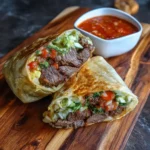
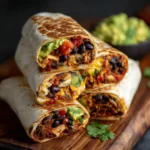
- Fold the bottom edge of the tortilla up and over the filling. Fold in the left and right sides snugly. Roll tightly away from you to form a secure, compact burrito. Repeat with remaining ingredients.
- For enhanced texture and visual appeal, optionally crisp assembled burritos: Lightly brush outer surface with oil and air-fry at 375°F for 4 to 5 minutes, flipping halfway—or pan-sear seam-side down in a dry skillet for 2 minutes until golden and crisp.
- Serve immediately, sliced in half on the bias for presentation, with extra crema, slaw, lime wedges, and a sprinkle of flaky sea salt. Best enjoyed fresh—but components store beautifully for next-day assembly.
FAQ
- Can I use canned pineapple?
- Yes—but only unsweetened pineapple chunks packed in 100% pineapple juice (not syrup). Drain thoroughly and pat dry before grilling. Fresh pineapple delivers superior texture and brighter acidity, but canned is a reliable backup.
- Why does my burrito fall apart?
- Most commonly: too much filling, insufficient warming of the tortilla, or skipping the “tuck-and-roll” technique. Use a 12-inch tortilla, warm it properly (steam makes it pliable), and always fold the bottom flap up first, then tuck in the sides before rolling tightly. Let rest seam-side down for 1 minute before cutting or serving.
- Can I make this ahead for meal prep?
- Absolutely! Cook and glaze the chicken, prepare the slaw (drain excess liquid before storing), make the crema, and portion tortillas separately. Assemble burritos the morning of—or store fully assembled (without avocado/crema) in parchment paper, then freeze. Reheat frozen burritos in the air fryer at 370°F for 12–15 minutes—add avocado and crema after reheating.
- Is there a shortcut for the slaw?
- Yes—use a high-quality pre-shredded coleslaw mix (look for red/white cabbage blend), then toss with 2 tbsp rice vinegar, 1 tsp lime juice, ½ tsp honey, pinch of salt, and 1 tsp toasted sesame oil. Ready in 2 minutes!
- What can I use instead of soy sauce?
- Tamari (gluten-free), coconut aminos (soy-free, lower sodium), or liquid aminos all work. For a richer umami boost, add ½ tsp white miso paste to the marinade.
- My glaze isn’t thickening—what went wrong?
- Too much liquid or too low heat. Ensure you’re simmering uncovered over medium-low heat—and resist stirring constantly, which cools the pan. If still thin, mix 1 tsp cornstarch with 1 tbsp cold water, stir into simmering glaze, and cook 1–2 more minutes until glossy and cohesive.
- Can I grill the entire burrito?
- Not recommended—fillings will spill and tortillas may burn before heating through. However, you *can* grill the assembled burrito in a closed grill basket or foil packet for 3–4 minutes per side on medium heat for smoky nuance—just ensure internal temp reaches 165°F.
- How do I keep the tortilla from getting soggy?
- Key strategies: (1) Pat grilled pineapple dry before adding; (2) Drain slaw well (press gently with paper towels if needed); (3) Apply crema as a barrier layer *before* wetter ingredients; (4) Assemble just before serving;